
Reviewed · COOKING CLASSES
Lisbon: Traditional Portuguese Cooking Class
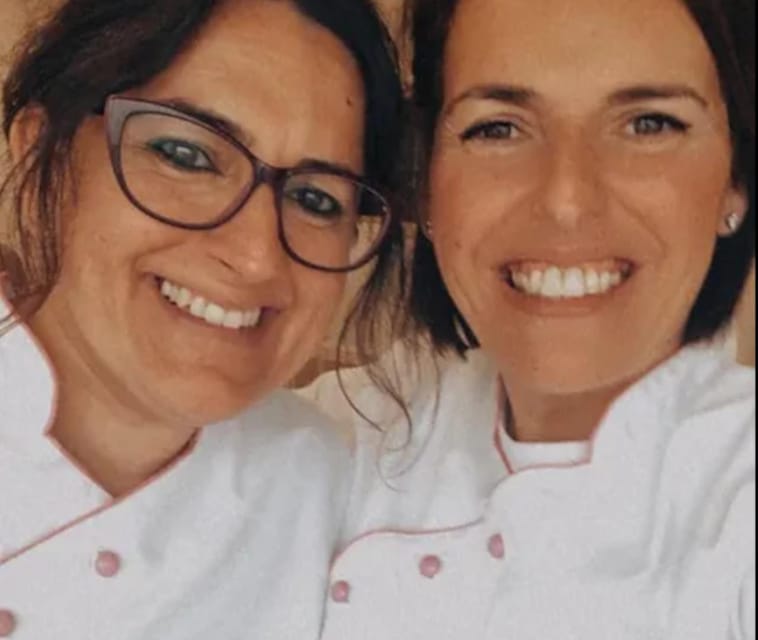
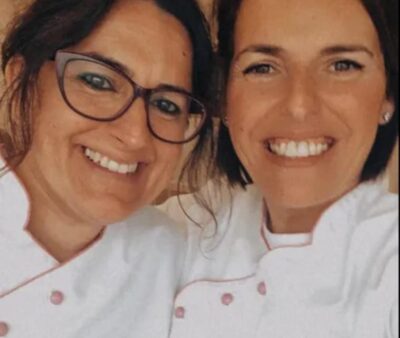
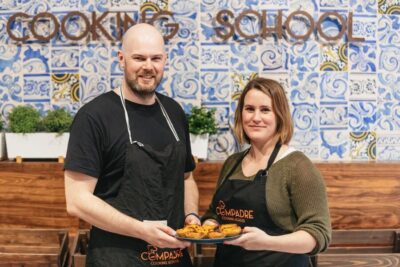
Portugal comes to life at the kitchen table, not just on a sightseeing route. In this three-hour class, you help prepare a seasonal Portuguese meal, then eat it with the people who taught you how it was made. Ana and Carina bring a warm, funny teaching style, along with family connections to ingredients such as olive oil, figs, and fresh produce.
I like the hands-on format, since you are not simply watching a chef work. I also like the link between food and family life, with recipes, local products, and stories shared together. The main drawback is that the menu changes with the season, so you cannot book this class expecting one exact set of dishes. Dietary needs also require advance notice, and the class is not suitable for vegans, people with food allergies, or children under eight.
In This Review
- Key points to know before booking
- A Lisbon food experience with real time at the stove
- Starting with cheese, chorizo, and Portuguese wine
- Preparing a seasonal starter, main course, and dessert
- Learning from Ana and Carina
- Sitting down to eat what you prepared
- Why the seasonal menu is worth accepting
- The location and how to find the upstairs kitchen
- Is $94 a fair price for three hours?
- Who will enjoy this class most
- Practical details for a smooth evening
- Should you book this Portuguese cooking class?
- FAQ
- How long does the Portuguese cooking class last?
- How much does the experience cost?
- What food is included?
- Is the menu fixed?
- Can vegetarians join the class?
- Can vegans take part?
- Are food allergies accommodated?
- What languages do the chefs speak?
- Where does the class meet?
Key points to know before booking
- Three full courses: Prepare a starter, main course, and dessert, then sit down to eat the results.
- Fresh, seasonal cooking: The menu changes with available ingredients, so the meal reflects the time of year.
- Personal teaching: Ana and Carina explain techniques, food traditions, and the family stories behind the dishes.
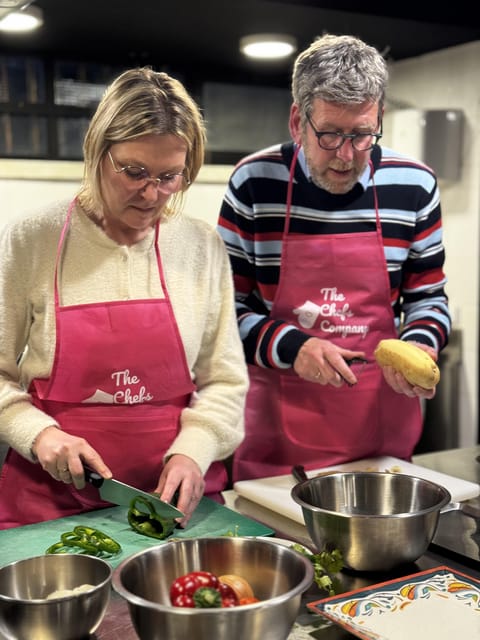
- Small class size: With no more than 10 participants, you should have a real chance to take part.
- Portuguese tasting table: Cheese, chorizo, and wine begin the experience before the cooking starts.
- Plan your arrival: The kitchen is upstairs near the Continente Bom Dia supermarket, with stairs leading to the chefs’ shop.
A Lisbon food experience with real time at the stove
Many food activities give you a plate and a short explanation. This one gives you a task. You prepare food with the chefs, learn why the ingredients matter, and share the finished meal at the same table.
That difference matters. Portuguese cuisine can look simple on paper: good produce, olive oil, bread, seafood, cured meats, and patient cooking. The skill is in knowing how to treat those ingredients. A hands-on class lets you see those choices instead of simply tasting the final result.
The class is run in English and Portuguese, with space for up to 10 people. That is a useful size for a cooking lesson. You are not lost in a large group, yet the class still has enough people for conversation around the table.
The tone appears to be relaxed rather than formal. Ana and Carina are described as funny, friendly, and encouraging, which should help if you are not comfortable in a kitchen. You do not need to arrive as an experienced cook. The teaching is aimed at helping you prepare the dishes yourself, using straightforward methods and familiar ingredients.
A handful more Lisbon ideas to compare
- Lisbon: Pastel de Nata Baking Class
★ 4.9 · 2,106 reviews - Lisbon: Traditional Portuguese Cooking Class
★ 4.9 · 592 reviews - Lisbon: 2-Hour Pastel de Nata Cooking Class
★ 4.8 · 461 reviews
Starting with cheese, chorizo, and Portuguese wine
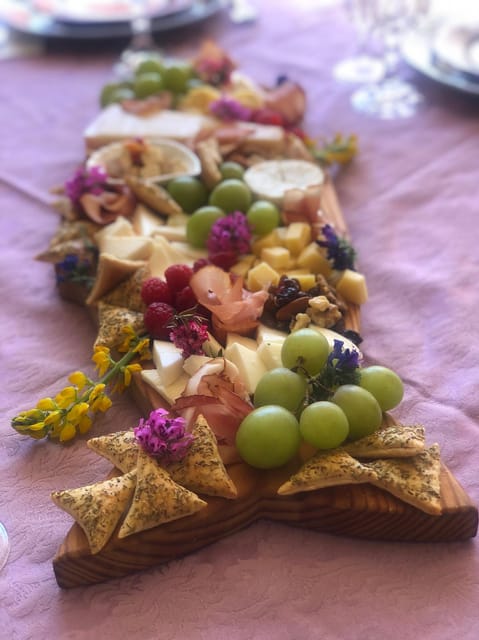
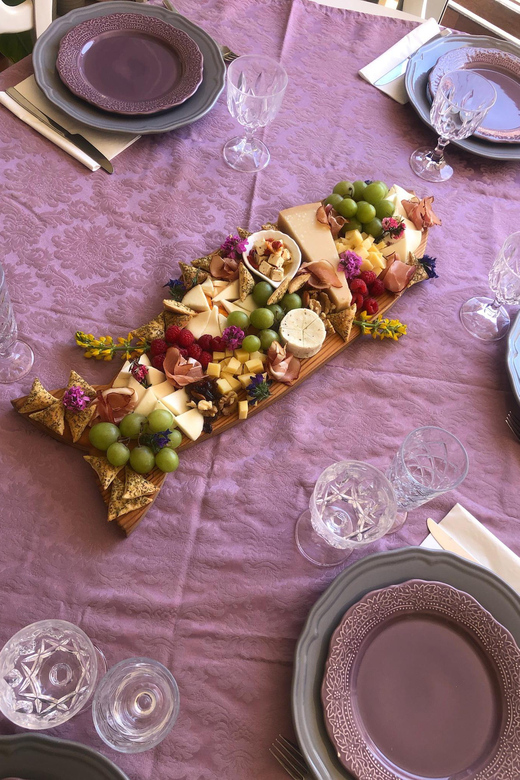
The class begins with a tasting of cheeses, chorizo, and wines. This is more than a snack before the main event. It gives you a first look at the flavors that shape everyday Portuguese eating.
Cheese and cured sausage are useful introductions because they are easy to share while the group gets settled. You can talk with the other participants, meet the chefs, and get a feel for the ingredients before you begin cooking.
The wine adds to the social side of the experience, but keep in mind that the stated inclusion is a tasting of wines. If you are expecting a formal wine lesson, this is not presented as one. The focus is Portuguese cooking, with wine as part of the meal and the welcome.
I especially like the way this opening sets a table-first mood. Portuguese meals are often tied to conversation and family time, and beginning with shared food makes the class feel less like a technical workshop.
Preparing a seasonal starter, main course, and dessert
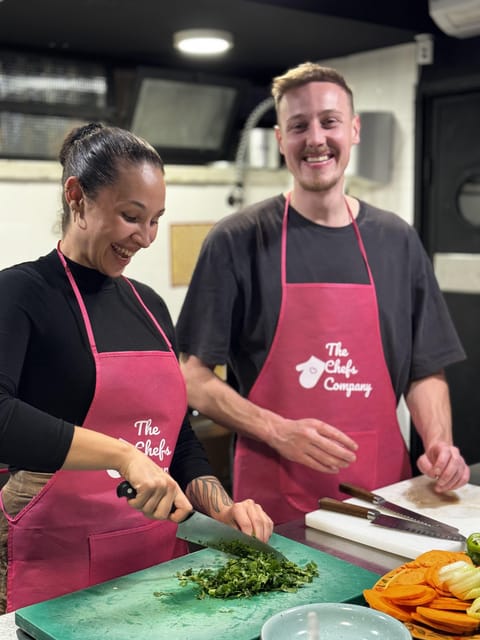
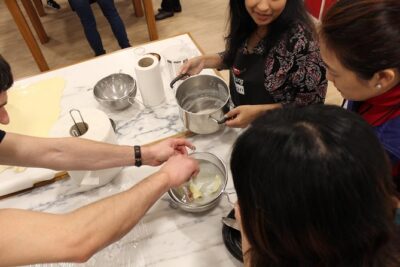
The central part of the class covers three courses: a starter, a main course, and dessert. You work through the dishes with the chefs rather than standing back while they do everything.
The exact menu changes according to the season and the ingredients available. That can be a small challenge if you want to know precisely what you will cook before paying. It is also one of the best features of the class, since fresh local products are allowed to guide the meal.
You might prepare different dishes at different times of year, but the aim remains the same: learn food that reflects Portugal and that you can try again at home. The class is not built around restaurant tricks or hard-to-find ingredients. The emphasis is on simple techniques and products that carry their own flavor.
This makes the class useful beyond the evening itself. A cooking demonstration can be enjoyable, but it may leave you with little confidence to repeat the food. Here, you handle the ingredients and follow the process. The dishes become easier to remember because you helped make them.
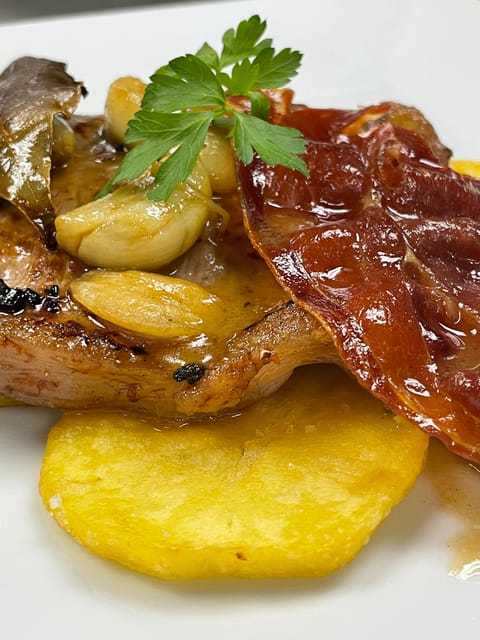
The chefs also explain the stories behind the food. That might include the connection between cooking, family, and daily life in Portugal. One especially appealing detail is the personal use of ingredients from family sources, including olive oil, figs, fresh produce, and bread connected with the chefs’ home areas. These touches give the meal a sense of place that a generic cooking studio cannot easily copy.
Learning from Ana and Carina
The teachers are a major part of the experience. Ana and Carina are repeatedly described as warm, entertaining, and patient, with a talent for keeping the group involved.
Their style seems to balance instruction with conversation. You learn how to prepare the dishes, but you also hear about the ingredients’ origins and the customs surrounding them. That balance is important. Food becomes more memorable when you understand who cooks it, when it is eaten, and why it matters.
Several details point to a class that works well for beginners. The chefs explain the preparation clearly, create a comfortable setting, and encourage questions. If you are an experienced home cook, you may still enjoy the cultural context and the chance to work with Portuguese ingredients. If you rarely cook, you should not feel out of place.
The class may also suit couples, friends, and families with older children. Teenagers have enjoyed the activity, but children under eight are not accepted. The small group size should help you get personal guidance, though exactly how much individual attention you receive will depend on the group and the dishes being prepared.
The names attached to the class are not always written the same way in the available information, appearing as Ana and Carina, and in one place as Karina. If knowing your instructors in advance matters to you, confirm the names when booking. The central point is clear: the class is led by the chefs themselves, not by a detached guide reading from a script.
Nearby in Lisbon, a different day entirely:
- Lisbon City Center Tour – The Unmissable Lisbon
★ 5.0 · 22,234 reviews - Lisbon: Sintra, Pena, Regaleira, Cabo da Roca & Cascais
★ 4.7 · 19,656 reviews - Sintra: Pena Palace and Park Entrance Ticket
★ 4.2 · 17,410 reviews - Lisbon: Jerónimos Monastery Entrance Ticket
★ 4.1 · 14,164 reviews
Sitting down to eat what you prepared
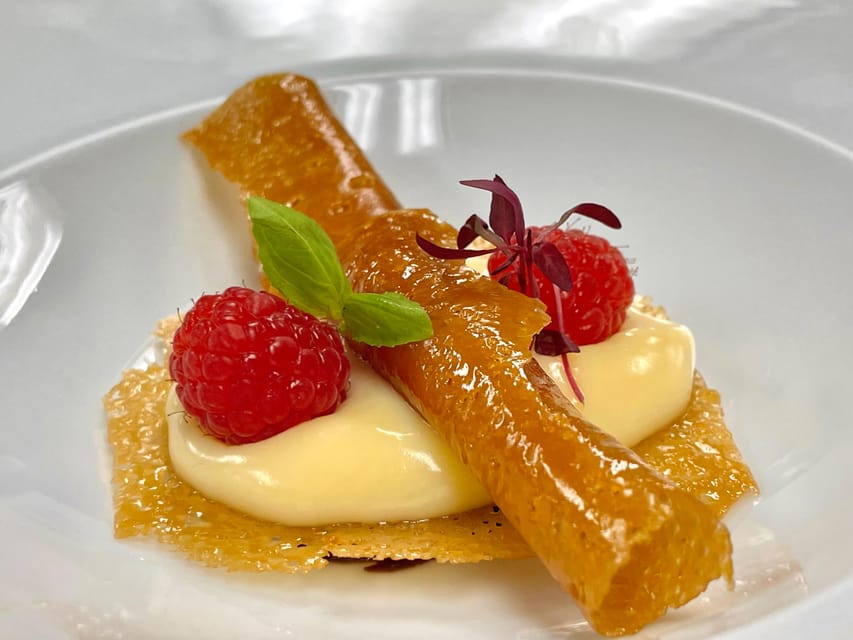
After the cooking, you eat the starter, main course, and dessert in a relaxed setting. This final meal is the payoff, but it is also part of the lesson.
You can taste the effect of the techniques you just used. If a dish works well, you understand why. If something turns out differently than expected, you have learned something useful about the process. Either way, the meal has more meaning than a restaurant order because you know what went into it.
The shared table also gives the class its social character. You are likely to spend the evening talking with the chefs and the other participants as much as cooking. That makes this a good choice for someone who wants a cultural activity with food at its center, rather than a quiet private lesson.
The meal is described as traditional and connected with different parts of Portugal. Since the menu changes, I would treat the class as an introduction to Portuguese home cooking rather than a survey of every regional specialty. You will get a few dishes, stories, and techniques, not a complete course in national cuisine.
Why the seasonal menu is worth accepting
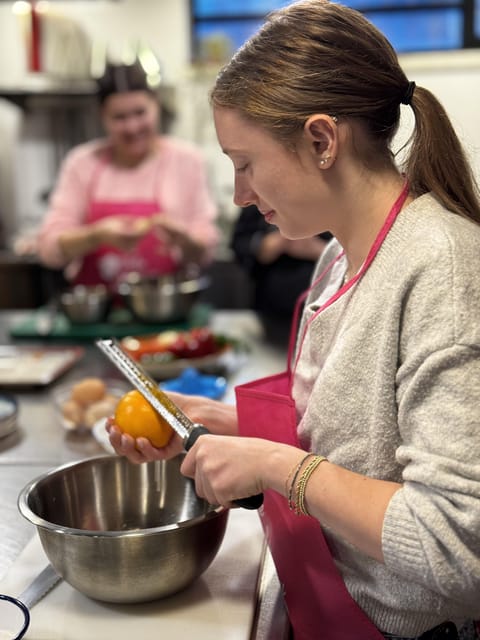
Some people hesitate when an activity does not publish a fixed menu. That is understandable, especially if you have a short stay in Lisbon or strong food preferences.
Here, the changing menu has a clear reason. The chefs work with fresh, local, seasonal ingredients, and the available produce affects what reaches the table. This approach is closer to home cooking than to a restaurant menu designed months ahead.
It also means the class may feel different on a return visit. If you come in another season, you could encounter new products and dishes. The tradeoff is less certainty. You should book because you want a genuine Portuguese cooking experience, not because you have your heart set on one named recipe.
People with dietary restrictions must contact the provider at least 72 hours before the class. Vegetarian menus can be adapted with that notice. The experience is not suitable for vegans, people with food allergies, or anyone who needs a menu change that cannot be confirmed in advance.
The location and how to find the upstairs kitchen
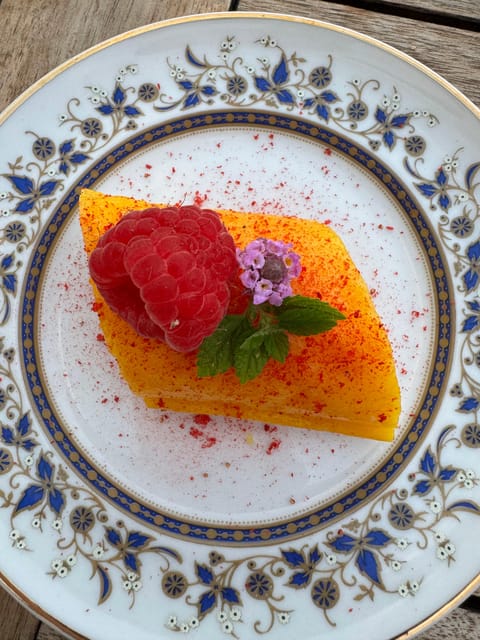
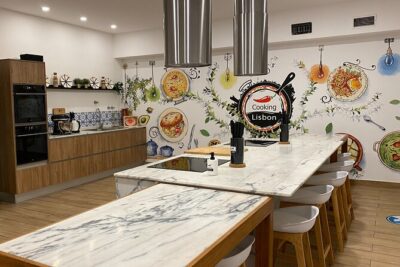
The meeting point needs a little care. The kitchen is on the top floor of the chefs’ shop, on a main street near the Continente Bom Dia supermarket.
When you reach the supermarket, face its main entrance. On your left, you will see stairs. Go up the stairs to the end, where the kitchen is located in the square.
This is not a hotel pickup experience. Transportation to and from your accommodation is not included, so you need to make your own way there. Allow enough time to find the supermarket and the stairs, especially if you are carrying bags or arriving after dark.
The access information is important for anyone with mobility concerns. The class is not suitable for wheelchair users, and the upstairs location means you should be comfortable using stairs.
Is $94 a fair price for three hours?
At $94 per person, this is not the cheapest way to eat in Lisbon. You could order a good meal for less, particularly if you choose a casual restaurant.
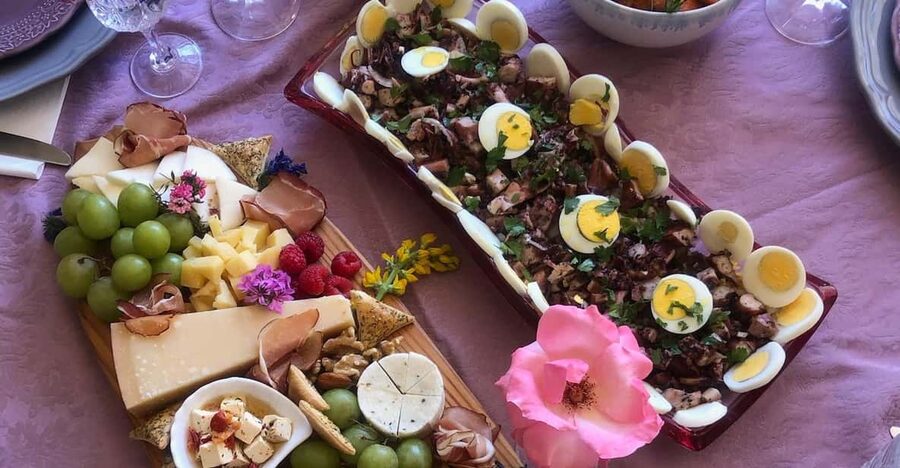
The value comes from the amount of time and participation included. You receive a tasting of cheese, chorizo, and wine, three courses prepared with the chefs, instruction in Portuguese cooking, and the finished meal. You are paying for food plus a social and educational experience.
I think the price makes the most sense for people who would otherwise book both a meal and a cultural activity. The three hours combine those two things. You also leave with techniques and recipes that may help you recreate part of the experience at home.
The value is weaker if you only want to eat or if you dislike group activities. Cooking takes effort, and the menu is not fixed. You should also check the cancellation terms before committing: cancellation is allowed up to 24 hours in advance for a full refund, and you can reserve now and pay later.
Who will enjoy this class most
I would recommend this experience to:
- Couples looking for a relaxed evening activity
- Solo visitors who enjoy meeting people around food
- Friends who want more than a restaurant meal
- Families with children eight and older
- Home cooks who want practical Portuguese recipes
- Beginners who like learning by doing
- Anyone curious about the connection between Portuguese food and family life
It is less suitable for vegans, people with food allergies, wheelchair users, and anyone who needs a fully predictable menu. It may also disappoint you if you want a specialist pastry course, a formal wine class, or a private chef experience.
The strongest reason to choose it is the personal contact. The chefs share food from their own family backgrounds and explain the culture around the dishes. That gives the class a human quality, not just a list of steps.
Practical details for a smooth evening
The class lasts three hours, so do not schedule it too close to another fixed activity. You need time to arrive, find the upstairs kitchen, cook, eat, and enjoy the conversation.
The class is limited to 10 participants. That is small enough for a more personal lesson, but it is still a shared group experience. If you are booking as a couple or family, expect to work alongside other people.
English and Portuguese are the listed languages. If you need menu changes, send the request at least 72 hours ahead. Do not wait until you arrive, since the kitchen needs time to plan ingredients.
Pets are not allowed, and alcohol and drugs are prohibited. Wine is part of the tasting, but the activity is still a cooking class first.
Should you book this Portuguese cooking class?
Yes, if you want to understand Portugal through its food and take part rather than simply sit at a table. The combination of seasonal ingredients, three hands-on courses, family stories, and a small group gives the evening real substance.
I would book it especially for a couple, a food-minded solo visitor, or anyone who wants a friendly cultural activity in Lisbon. The class offers strong value when you count the meal, the instruction, and the time spent with the chefs.
Think twice if you need a vegan or allergy-safe menu, cannot use stairs, or want a guaranteed list of dishes. For everyone else, the changing menu is a fair trade for cooking with fresh products and learning the food as Portuguese families might prepare it at home.
FAQ
How long does the Portuguese cooking class last?
The class lasts three hours.
How much does the experience cost?
The listed price is $94 per person.
What food is included?
You receive a tasting of cheeses, chorizo, and wines. You also prepare and eat a starter, main course, and dessert.
Is the menu fixed?
No. The menu changes according to the season and the availability of fresh local ingredients.
Can vegetarians join the class?
Yes. The menu can be adapted for vegetarians, but you must communicate this at least 72 hours before the reserved class.
Can vegans take part?
No. The experience is not suitable for vegans.
Are food allergies accommodated?
The experience is not suitable for people with food allergies. Dietary restrictions must be communicated at least 72 hours in advance, but allergy-related participation is specifically excluded.
What languages do the chefs speak?
The class is offered in English and Portuguese.
Where does the class meet?
The kitchen is on the top floor of the chefs’ shop near the Continente Bom Dia supermarket. Facing the supermarket’s main entrance, look for stairs on the left and go up to the end.
Fresh finds around Lisbon
- Lisbon: Tuk Tuk City Tour★ 3.6 · 7 reviews
- Fatima Full day Private Tour★ 5.0 · 7 reviews
- Lisbon: Highlights and Hidden Gems Tour★ 5.0 · 7 reviews
- Private Tour to Evora and Monsaraz from Lisbon★ 5.0 · 7 reviews
- Discover Sintra Beauty with a Guided Journey from Lisbon★ 5.0 · 7 reviews
- Private Half-Day Tour to Sintra★ 3.4 · 7 reviews
- Lisbon: Sunset and Wine Catamaran Tour★ 5.0 · 7 reviews
- Nazaré: Beaches of Nazaré Guided E-Bike Tour★ 4.9 · 7 reviews
Cooking Classes, compared.
Lisbon Portuguese Cooking Class with 3-Course Dinner
Read our review →
Traditional Portuguese Cooking Class in Lisbon
Read our review →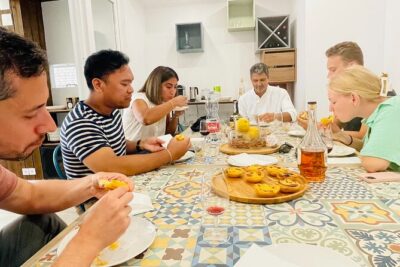

Browse the lists this tour appears in