
Reviewed · COOKING CLASSES
Pasteis de Nata Baking Class from Lisbon
Pastéis de nata are best understood warm, blistered, and fresh from the oven. At Lisboa Food Studio, Chef Miguel walks you through the pastry and custard from scratch, then gives you the most convincing reason to learn the recipe: you get to eat the results while they are still warm.
I like the hands-on format, since you are not simply watching a chef work. I also like the small group, capped at 12 people, and the choice of morning or afternoon times. The main consideration is price: at $78.64 per person, this is more than a quick bakery stop, so you should value the lesson and social experience, not just the dessert.
In This Review
- Key points to know before booking
- Why this pastry class works so well in Lisbon
- Arriving at R. da Junqueira 200
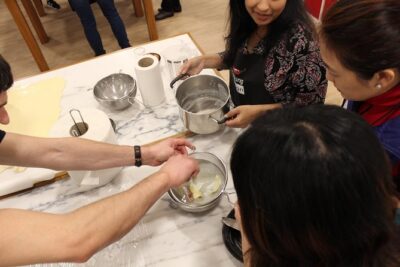
- Step one: building the flaky pastry
- Step two: preparing the custard
- Watching the tarts bake, with a drink in hand
- The final reward: warm pastéis de nata
- A friendly class for families and first-time bakers
- What the $78.64 price includes in practical terms
- Timing advice for fitting it into your day
- What could disappoint you
- Who should book the Lisboa Food Studio class?
- FAQ
- How long does the pastéis de nata class last?
- How much does the class cost?
- Where does the class begin?
- Where does the activity end?
- Is the class offered in English?
- How many people can join the class?
- Are morning and afternoon times available?
- Can I cancel for a full refund?
- Should you book it?
Key points to know before booking

- Chef Miguel leads the class with clear, patient instructions and a relaxed sense of humor.
- You make everything from scratch, including the flaky pastry and custard filling.
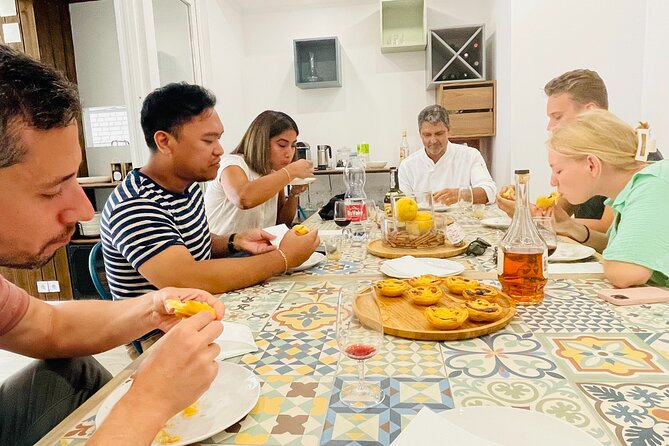
- Warm pastéis de nata are served at the end, along with a drink while the tarts bake.
- The 90-minute class stays focused, making it easy to fit into a day of sightseeing.
- Groups are limited to 12 people, with enough room for a personal, hands-on lesson.
- Children can take part, with several families praising the welcoming approach for young cooks.
Why this pastry class works so well in Lisbon
Lisbon gives you plenty of chances to eat a pastel de nata. Bakeries sell them all over the city, and sampling several versions is part of the fun. Yet buying one tells you very little about how the pastry gets its crisp shell, creamy center, and dark spots on top.
This class fills in that missing piece. You learn the basic method behind Portugal’s most famous sweet, then taste your own work at the end. That combination makes the experience more memorable than simply ordering another tart with coffee.
The lesson is also short enough to fit into a busy schedule. The stated duration is about one hour and 30 minutes, which leaves most of your day open for museums, neighborhoods, or a long lunch. You can choose a morning or afternoon start, useful if your Lisbon plans already include timed visits.
Chef Miguel receives especially strong praise for his teaching style. He explains each task step by step, gives the reasons behind the method, and keeps the mood light. That matters here because pastry can feel fussy if instructions are rushed. A calm teacher turns the process into something you can follow rather than a performance you watch from the sidelines.
More Lisbon food crawls:
- Lisbon: Pastel de Nata Baking Class
★ 4.9 · 2,106 reviews - Lisbon Small-Group Food Tour with 18 Tastings in Alfama District
★ 5.0 · 1,967 reviews - Lisbon: Baixa District Food Tour with Dinner and Drinks
★ 4.9 · 1,870 reviews
Arriving at R. da Junqueira 200
The class begins at R. da Junqueira 200, 1300-346 Lisboa, and ends at the same location. It is near public transportation, which makes the meeting point practical for a planned outing.
You should allow time to reach the address without hurrying. The class depends on everyone being ready to work together, and arriving early gives you a better start than walking in while pastry is already being shaped. Your confirmation is received at booking, so keep the meeting details available on your phone.
The location also places this activity away from the idea of a quick central bakery purchase. You are going to a working food studio for a lesson, not merely stopping at a counter. That difference helps explain the price and the 90-minute time commitment.
Service animals are allowed. The experience is offered in English, which makes the instructions accessible if you do not speak Portuguese.
Step one: building the flaky pastry
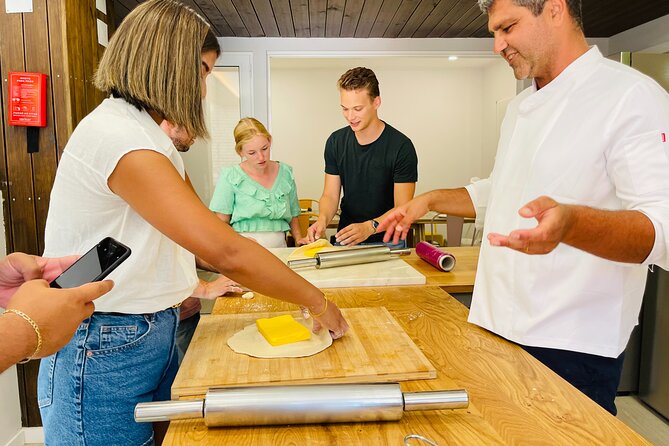
The class begins with the pastry, one of the parts that makes a nata more than a simple custard pie. You follow the chef’s instructions and work through the preparation from scratch.
The supplied details do not specify every technique or ingredient measurement, so you should not expect a full professional pastry-school syllabus. The point is practical learning: understand the stages, handle the ingredients, and see how the pastry becomes the shell for the custard.
This is where Chef Miguel’s approach becomes important. He explains not only what to do, but why each step matters. That kind of instruction helps beginners avoid the feeling that pastry recipes depend on mysterious kitchen magic.
You do not need to be an expert cook. The class is repeatedly described as easy to follow, and people with limited pastry skills have still produced good results. You will need to pay attention and take part, but you do not need advanced baking experience.
The hands-on nature also gives the class a social rhythm. Everyone is working toward the same small target, and the group size keeps it from feeling like a crowded demonstration. With a maximum of 12 people, you should have a reasonable chance to follow the process closely and ask for help when needed.
Step two: preparing the custard
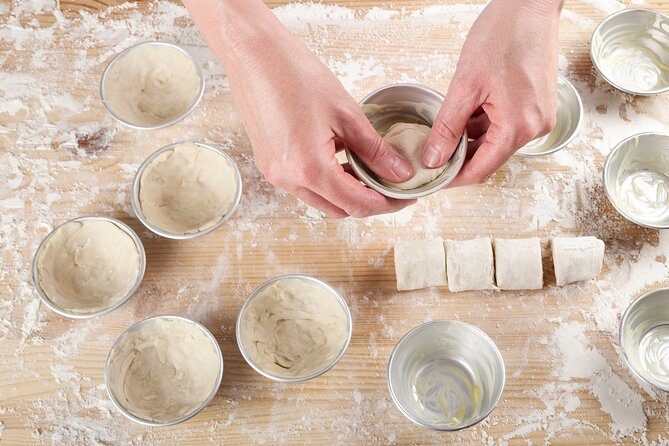
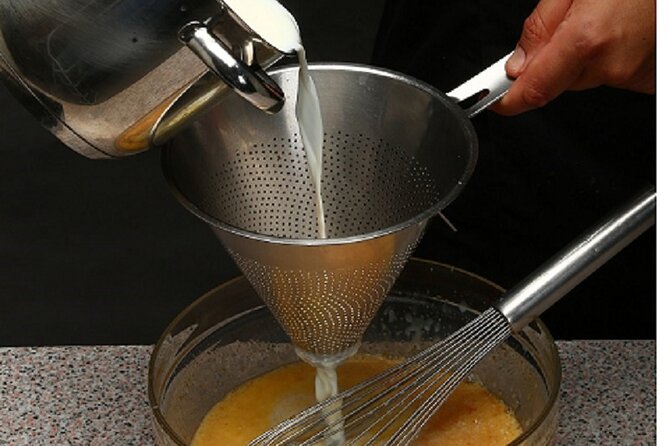
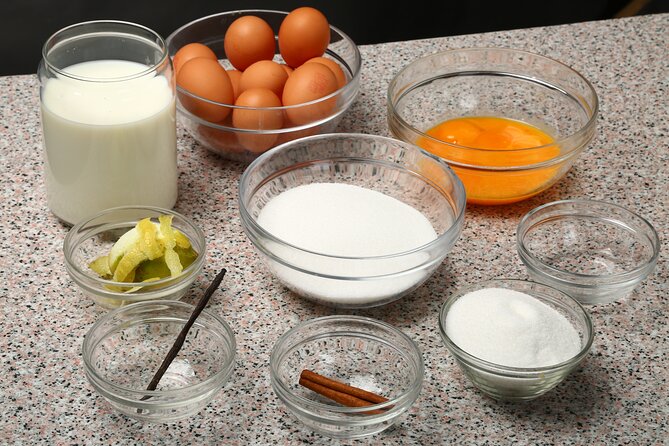
Next comes the custard filling, the soft center that balances the crisp pastry. You prepare it as part of the full recipe rather than receiving a pre-made filling to pour into shells.
Again, the value is in understanding the relationship between the parts. A nata is not simply pastry plus cream. The shell has to hold the filling, and the filling has to bake into a smooth custard while the top develops its familiar browned marks.
The class gives you the chance to see those stages in order. That is useful if you want to recreate the dessert at home, since you leave with more than a pleasant food memory. One practical detail is that the exact recipe is expected to be sent afterward, according to the class information and participant feedback. That makes home practice more realistic.
Still, keep your expectations sensible. A lesson lasting about 90 minutes can teach you the method, but it cannot cover every variation or solve every home-oven problem. Your own equipment and baking conditions may produce a slightly different result later.
A handful more Lisbon ideas to compare
- Lisbon: Traditional Portuguese Cooking Class
★ 4.9 · 592 reviews - Lisbon: 2-Hour Pastel de Nata Cooking Class
★ 4.8 · 461 reviews - Lisbon Portuguese Cooking Class with 3-Course Dinner
★ 5.0 · 445 reviews - Traditional Portuguese Cooking Class in Lisbon
★ 5.0 · 287 reviews
Watching the tarts bake, with a drink in hand
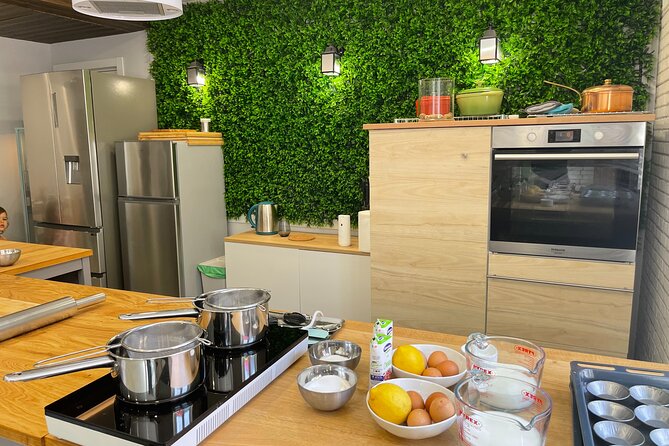
Once the pastries go into the oven, you get a short break. The class includes a drink while you wait, along with an explanation of the dessert’s background.
This pause is well placed. You have already done the work, but you are not finished, and the baking time gives the chef room to talk about why pastéis de nata matter in Portuguese food culture. It also prevents the class from feeling like a rushed sequence of instructions.
One of the best sensory moments comes when the tarts begin to bubble and brown in the oven. You can see the transformation from prepared ingredients into the familiar golden pastries. That visual payoff is part of what makes a baking class more satisfying than a standard tasting.
The drink is a modest but welcome addition. It gives you something to enjoy while the food cooks and helps turn the waiting period into part of the experience rather than dead time.
The final reward: warm pastéis de nata
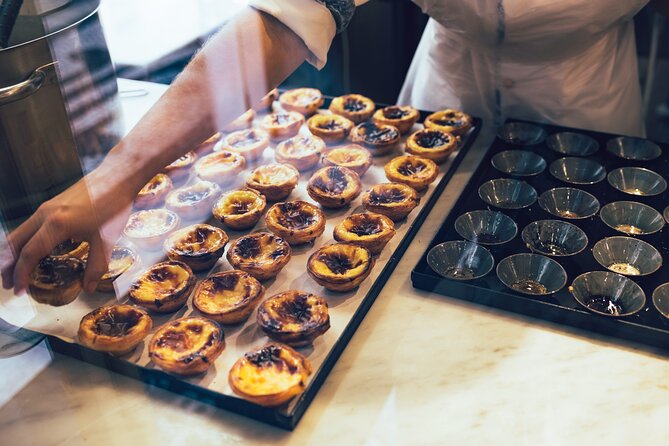
The final course is simple: your own pastéis de nata, fresh from the oven. You sit down and eat what you made, which is exactly how this type of class should finish.
Freshness changes the pastry. The shell is at its best when crisp, and the custard is at its most inviting when warm. You also get the satisfaction of knowing that each tart came from the work you just completed.
Several people found their homemade versions were among the best pastéis de nata they ate during time in Lisbon and Portugal. You should treat that as a personal preference, not a promise, but it points to a real advantage of the class: you taste the pastry at the moment it is meant to be enjoyed.
Some participants also took extra pastries home. The available information does not give a guaranteed quantity, so do not book this expecting a fixed take-home box. Still, the possibility of leftovers adds value, especially if you want to share the result or repeat the tasting later.
A friendly class for families and first-time bakers
This is not only for serious food fans. Families with children aged five, eight, and nine found the class workable and enjoyable, with young participants included in the activities.
That does not mean every child will have the patience for every pastry step. Young cooks may need help from an adult, and parents should expect a real class rather than a purely entertaining activity. But Chef Miguel’s patient approach makes this a sensible choice for families seeking something more active than sightseeing.
Couples and friends are also a natural fit. You can work side by side, compare results, and share the eating stage without committing half a day to a larger cooking program.
Solo visitors can benefit from the small group as well. The format gives you a built-in social setting, though the exact mix of people will vary by session. If you prefer quiet, private instruction, this is not a one-on-one lesson. If you like meeting people around food, the group setting should suit you.
What the $78.64 price includes in practical terms
At $78.64 per person, this is a premium food activity. You are paying for more than ingredients and a few pastries. The price covers a guided, hands-on lesson, Chef Miguel’s instruction, the drink during baking, and the chance to eat your finished dessert.
The value is strongest if you care about learning a recipe and having a local food experience with a small group. It is weaker if your only goal is to eat a pastel de nata as cheaply as possible. Lisbon bakeries can satisfy that craving for far less.
I would compare this with the cost of other organized activities in your schedule. A 90-minute class may be a good use of time on a rainy or flexible afternoon, but it is still a meaningful portion of a daily sightseeing budget. The free cancellation window also gives you some protection when planning: cancel at least 24 hours before the start time for a full refund.
The activity requires good weather and a minimum number of people. If poor weather or low enrollment cancels the class, you are offered another date or experience, or a full refund. Changes and cancellations made less than 24 hours before the start time are not accepted for a refund.
Timing advice for fitting it into your day
The morning session can work well near the beginning of your Lisbon visit. You get an introduction to a major Portuguese food tradition, and the class may help you notice differences as you sample pastries elsewhere.
An afternoon session may suit you better if your mornings are reserved for major sights. It can also provide a pleasant break between sightseeing blocks. Since the class ends where it begins, you do not need to arrange a separate return transfer through the activity.
The experience takes about 90 minutes, but plan extra time around the start. The class itself may be compact, yet transport delays and the need to find the address can make a tight schedule uncomfortable. Avoid booking it immediately before a timed attraction unless you have a generous buffer.
Because the class runs in English, you should be able to follow the chef’s explanations without relying on translation. Confirmation arrives when you book, so use that information to check the meeting point and start time before leaving.
What could disappoint you
The main drawback is that the class is not a full Portuguese cooking course. The sample menu lists pastéis de nata as the dessert, and the focus stays on this one specialty. If you want a meal with several dishes, you will need a different experience.
The class is also not ideal if you dislike group activities. Twelve people is a small maximum, but it is still a shared kitchen lesson. You will not have complete control over the pace, and some stages may require you to follow the chef’s timing.
The price may give budget-minded visitors pause. You can eat excellent custard tarts around Lisbon for a small amount, so the lesson only makes financial sense if you want the process, the instruction, and the memory attached to it.
Finally, pastry results at home may vary. The class can teach you the recipe and method, but your oven, ingredients, and technique will affect later batches. Think of the recipe as a useful souvenir, not a guarantee that every future tart will match the studio version.
Who should book the Lisboa Food Studio class?
I would recommend this for first-time visitors who want a clear connection to Portuguese food, families looking for an activity that includes children, and couples or friends who enjoy making something together.
It is particularly useful if you have already planned the major sights and want an activity that asks you to participate. The small group, English instruction, and short format keep the commitment manageable.
I would skip it if you only want a cheap snack, if your schedule is packed with timed visits, or if you are looking for a broad meal-preparation class. In those cases, a bakery visit or another cooking activity may offer better value.
FAQ
How long does the pastéis de nata class last?
The activity lasts approximately one hour and 30 minutes.
How much does the class cost?
The listed price is $78.64 per person.
Where does the class begin?
The class begins at R. da Junqueira 200, 1300-346 Lisboa, Portugal.
Where does the activity end?
The activity ends back at the meeting point.
Is the class offered in English?
Yes. The experience is offered in English.
How many people can join the class?
The class has a maximum of 12 travelers.
Are morning and afternoon times available?
Yes. You can choose between a morning and an afternoon start time.
Can I cancel for a full refund?
Yes, if you cancel at least 24 hours before the experience start time. Cancellations or changes made less than 24 hours before the start are not accepted for a refund.
Should you book it?
Book this class if you want to understand how Portugal’s famous custard tart is made, not just eat one at a bakery. Chef Miguel’s clear teaching, the hands-on work, warm pastries, drink, and small group make the 90 minutes feel purposeful.
At $78.64, it is not a bargain snack stop. It is a food lesson and a compact cultural activity. For families, curious cooks, and anyone who wants a practical souvenir from Lisbon, that extra cost can be worthwhile.
More Workshops in Lisbon
- Pastel de Nata Pastry Class: Bake and Enjoy Your Own Treats
★ 5.0 · 485 reviews - Lisbon: Azulejos’ Design Create Your Own Tile Workshop
★ 4.9 · 420 reviews - Lisbon: Surfing Lesson on Costa de Caparica Beach
★ 5.0 · 322 reviews - Lisbon: 1.5-Hour Surf Lesson
★ 4.8 · 257 reviews
Fresh finds around Lisbon
- Sanctuary of Fátima and Coimbra City Tour★ 4.5 · 51 reviews
- Sintra/Lisbon: Sintra & Quinta da Regaleira Tour with Ticket★ 4.4 · 51 reviews
- Jeronimos Monastery Guided Tour – Small Groups – Tickets Included★ 5.0 · 51 reviews
- Lisbon: Private Christmas Lights Tour by Eco Tuk Tuk★ 4.9 · 51 reviews
- Peniche: Berlengas Island Catamaran Tour – Round Trip★ 4.6 · 51 reviews
- Half day Spa Water Therapy experience at THE SPA at Corinthia Lisbon★ 4.5 · 51 reviews
- Lisbon: Private Tuk-Tuk Tour for 2 hours★ 4.7 · 51 reviews
- Premium Lisbon Airport Transfer to Lisbon★ 5.0 · 51 reviews
Cooking Classes, compared.
Lisbon Portuguese Cooking Class with 3-Course Dinner
Read our review →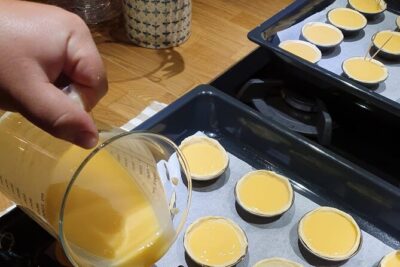
Traditional Portuguese Cooking Class in Lisbon
Read our review →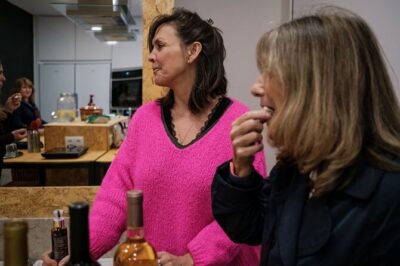
Browse the lists this tour appears in