
Reviewed · COOKING CLASSES
Lisbon: 2-Hour Pastel de Nata Cooking Class
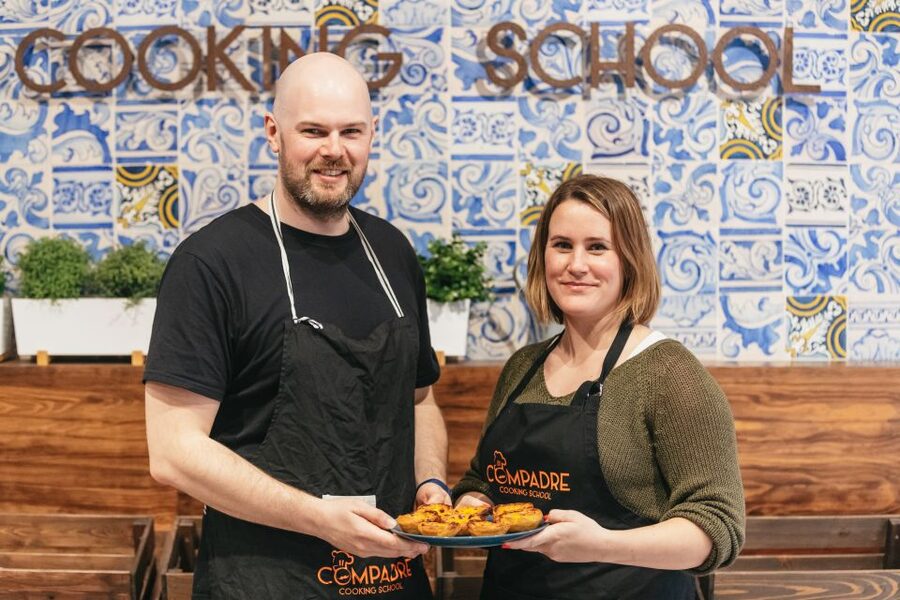
Portugal’s most famous pastry is not just something to eat between sights. In this two-hour Lisbon cooking class, you learn how pastel de nata gets its flaky shell and sweet custard, then make a second Portuguese treat as well. Anna and Marta keep the class moving with clear instructions and plenty of food history.
I like the friendly, social kitchen setting, and I like that the recipes are practical enough to try at home. You also get a light meal from what you prepare, along with recipes to take away. The main drawback is that this is not a full baking course: the pastry dough is prepared ahead of time, and the custard method is quite simple.
In This Review
- Key points
- Why Pastel de Nata Makes a Good Lisbon Lesson
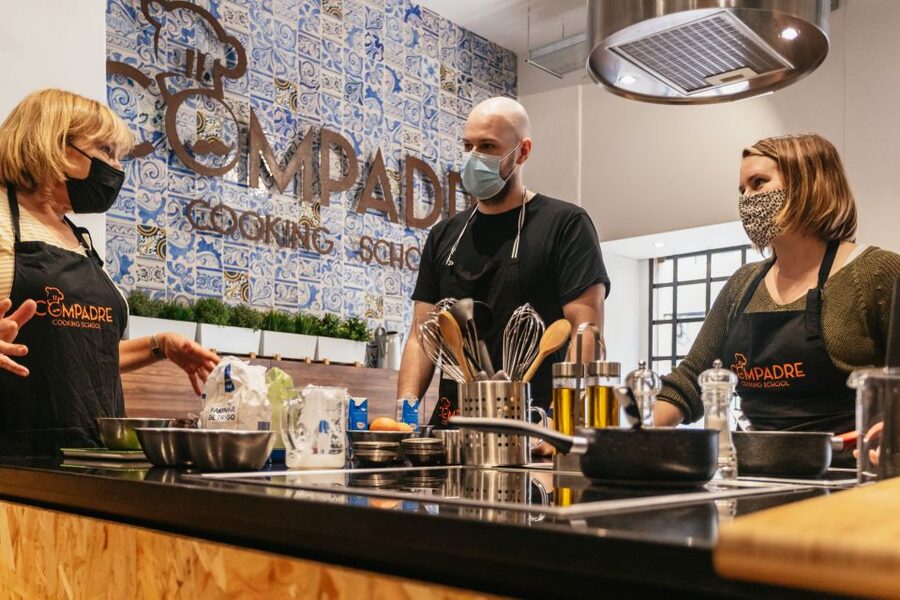
- Arriving at the Compadre Cooking School Kitchen
- The First Lesson: Shaping the Pastry Shell
- Custard, Cinnamon, and the Portuguese Story
- A Second Recipe Adds More Than Sugar
- Sitting Down to Eat What You Made
- How Much Cooking Do You Really Do?
- The $64 Price and What You Get
- Who Should Book This Lisbon Cooking Class?
- Smart Ways to Fit It Into Your Lisbon Day
- Should You Book It?
- FAQ
- Where does the pastel de nata cooking class meet?
- How long does the cooking class last?
- What is the price?
- Is the class taught in English?
- What recipes will I make?
- Are ingredients and cooking equipment included?
- Is food included after cooking?
- Do I need to bring anything?
- Can I attend if I am vegan or vegetarian?
- Is the class suitable for people with back problems?
- Is transportation included?
- Can I cancel the booking?
Key points
- Make two Portuguese treats: Prepare pastel de nata and a second local recipe, which has included farófios, cod fritters, and other traditional sweets or snacks.
- Learn from Anna and Marta: The English-speaking instructors explain each step clearly and add stories about the pastry’s origins.
- Stand for about 1 hour and 20 minutes: Comfortable shoes matter, and the class is not a good fit if you have back problems.
- Eat together afterward: Tea is included, and the food you make becomes a shared light meal, though you should not plan on a substantial lunch.
- Take the lesson home: You receive two recipes, making this more useful than a simple tasting stop.
- Allow for the kitchen address: The meeting point is the local partner’s kitchen, and the city must be entered as Lisbon when you place the address.
Why Pastel de Nata Makes a Good Lisbon Lesson
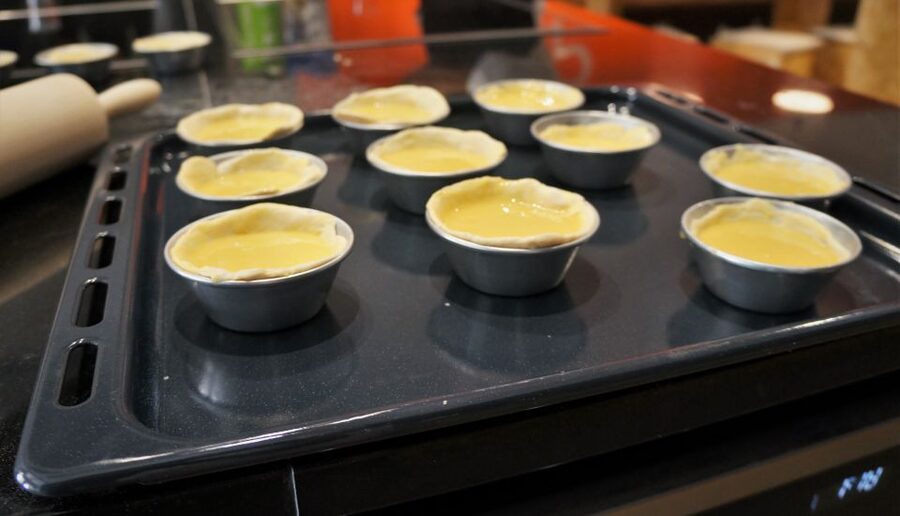
Pastel de nata is Portugal’s signature egg custard tart, with roots in 19th-century monasteries. Its familiar shape hides a few useful baking tricks: the pastry needs to form a thin, crisp shell, while the custard must set without losing its soft texture.
That makes it a smart subject for a short class. You are not trying to master an entire Portuguese menu in one afternoon. Instead, you focus on one dish you will see everywhere in Lisbon, then learn a second recipe that gives you a wider taste of local cooking.
I like this approach because food connects neatly with sightseeing. After the class, you may look at a pastry counter differently. A good pastel de nata is not simply sweet. You can pay attention to the browned top, the layers of pastry, and the balance between crisp shell and creamy filling.
The cooking also gives you a small piece of Portuguese culture that does not depend on a museum label. You hear how the pastry became a national favorite, learn the basic method, and then sit down to eat your own work.
More Lisbon food crawls:
- Lisbon: Pastel de Nata Baking Class
★ 4.9 · 2,106 reviews - Lisbon Small-Group Food Tour with 18 Tastings in Alfama District
★ 5.0 · 1,967 reviews - Lisbon: Baixa District Food Tour with Dinner and Drinks
★ 4.9 · 1,870 reviews
Arriving at the Compadre Cooking School Kitchen
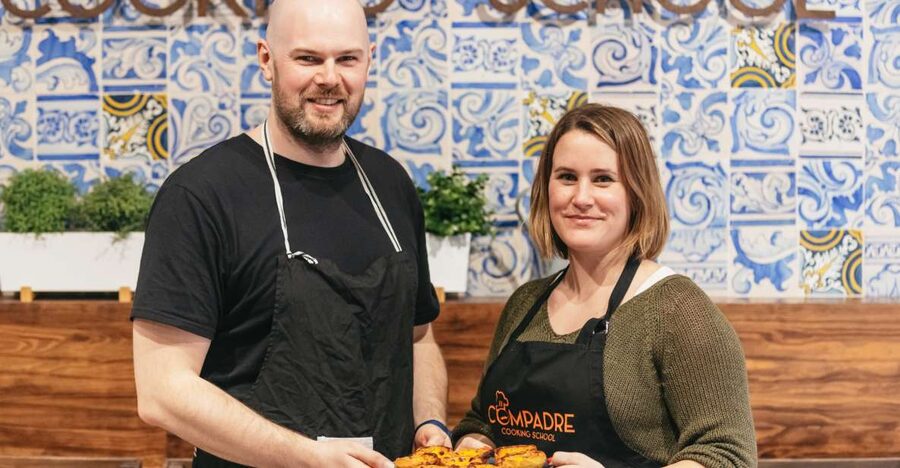
The class meets at the local partner’s kitchen in Lisbon. There is no hotel pickup or drop-off, so you need to make your own way to the meeting point and check the address carefully when booking. The instructions specifically stress entering Lisbon as the city.
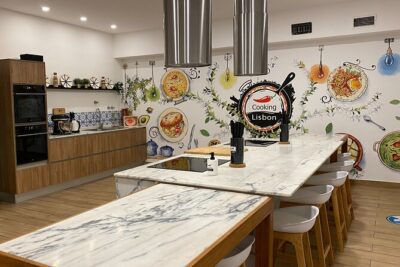
Once inside, you can expect a clean, modern, well-equipped cooking space based on the details provided by people who took the class. Air conditioning has been especially welcome during hot weather, so this is a more comfortable choice than a long outdoor activity on a warm Lisbon day.
Wear comfortable shoes. You will spend about 1 hour and 20 minutes standing, with sitting time later when you eat. That is manageable for most people, but it is worth taking seriously if you have back trouble or find extended kitchen work tiring.
The class is conducted in English. Anna and Marta are the instructors most often named in the class details, and their roles go beyond simply handing out ingredients. They explain the steps, add historical background, and offer practical advice about pastry preparation.
The First Lesson: Shaping the Pastry Shell
The pastel de nata portion is hands-on, but you should arrive with sensible expectations. The dough is prepared ahead of time, so you will not spend the class mixing, kneading, and resting pastry from the beginning.
That is a limitation if you want a full technical pastry workshop. It is also the reason the class can fit into two hours and remain approachable for beginners. You get to focus on the part that most affects the finished tart: shaping the dough into a thin shell that can hold the custard.
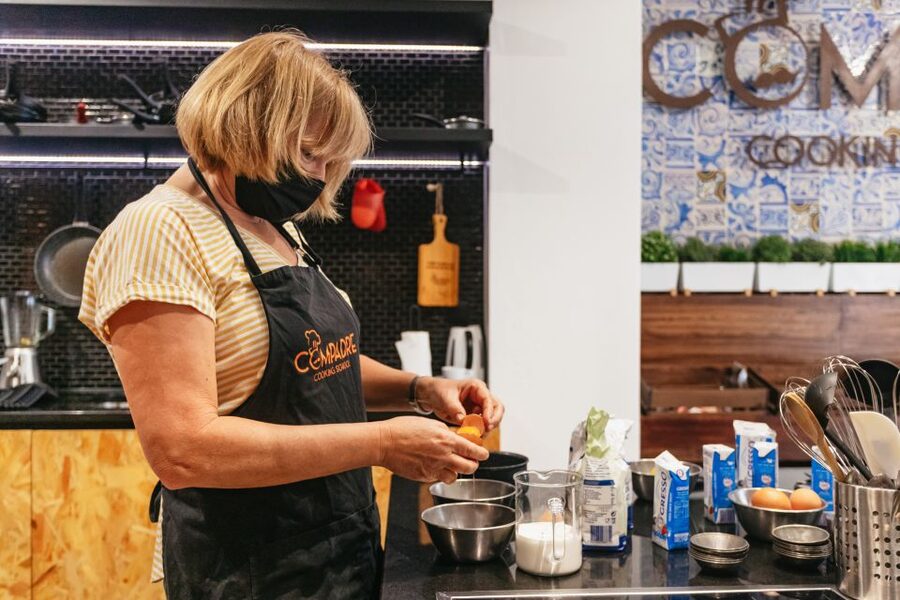
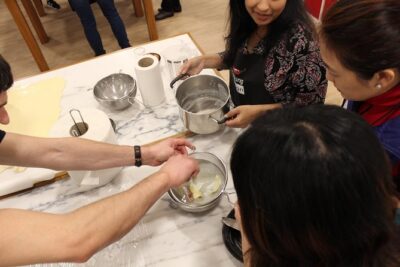
The instructors guide you through the process step by step. They show the small tricks that help produce an even tart, rather than leaving you to guess why one side is thick and another side has a hole.
This is where the class has real value for home bakers. A recipe alone rarely explains how the dough should look or feel at each stage. Watching the technique in person gives you a better chance of repeating it later in your own kitchen.
You do not need previous cooking experience. The instructions are designed for beginners, and the activity has also worked for families cooking with children. Still, the class asks you to pay attention and work with your hands, so it is more involved than a demonstration where you simply watch a chef.
Custard, Cinnamon, and the Portuguese Story
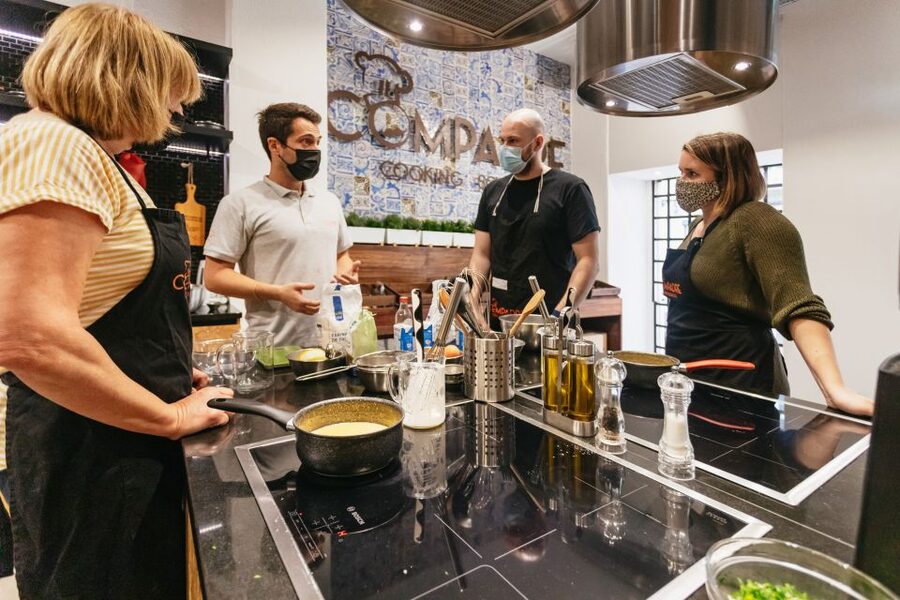
Next comes the filling. The custard method is described by one participant as very simple, so do not expect a complicated lesson in advanced pastry cream. The strength of this section is the explanation of how the ingredients come together and how to avoid the common mistakes that can spoil the texture.
Anna is praised for telling the story of pastel de nata in an engaging way. You learn about the pastry’s monastery-era beginnings and its place in Portuguese food culture while preparing the tarts.
That combination works well. Food history can feel dry when it is separated from the thing you are eating. Here, the story arrives while you are making the dish, so the tart gains a bit of context before it reaches the table.
The class also gives you a useful list of places to try pastel de nata around Lisbon, according to the supplied activity details. Treat that as a bonus rather than the main reason to book. The point is not to find one supposedly perfect tart, but to understand what you are tasting across the city.
A handful more Lisbon ideas to compare
- Lisbon: Traditional Portuguese Cooking Class
★ 4.9 · 592 reviews - Lisbon Portuguese Cooking Class with 3-Course Dinner
★ 5.0 · 445 reviews - Traditional Portuguese Cooking Class in Lisbon
★ 5.0 · 287 reviews - Pasteis de Nata Baking Class from Lisbon
★ 5.0 · 248 reviews
A Second Recipe Adds More Than Sugar
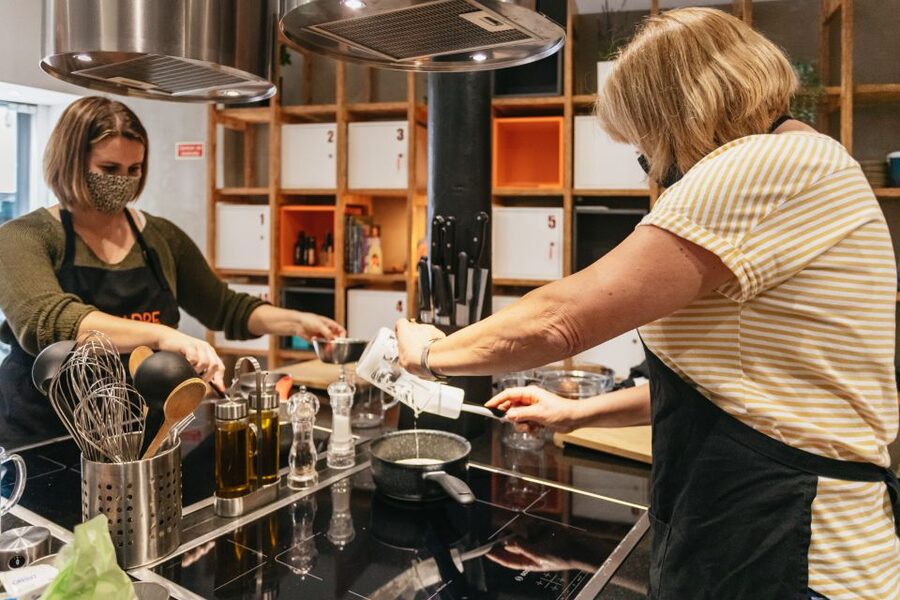
The class includes another traditional Portuguese recipe. The exact dish can vary, but examples connected with the experience include farófios, a meringue and custard dessert, and cod fritters or bacalhau cakes.
This second recipe is an important part of the value. If you only made pastel de nata, the class might feel like a narrow pastry demonstration. Adding another dish gives you a broader look at Portuguese flavors and cooking habits.
The contrast can also make the session more interesting. Farófios keeps you in the dessert world, with soft meringue and custard. Cod fritters shift the focus toward a savory Portuguese staple. Since the additional recipe is not specified in advance here, you should ask the local supplier if the exact dish matters to you.
The ingredients, utensils, and cooking equipment are included. You do not need to shop for supplies or bring special tools. The class is designed to let you walk in, put on comfortable shoes, and get started.
Vegetarians have been accommodated successfully. Vegan cooking is less straightforward because Portuguese cuisine is not especially vegan-friendly, so contact the supplier before booking if you need a fully vegan version.
Sitting Down to Eat What You Made
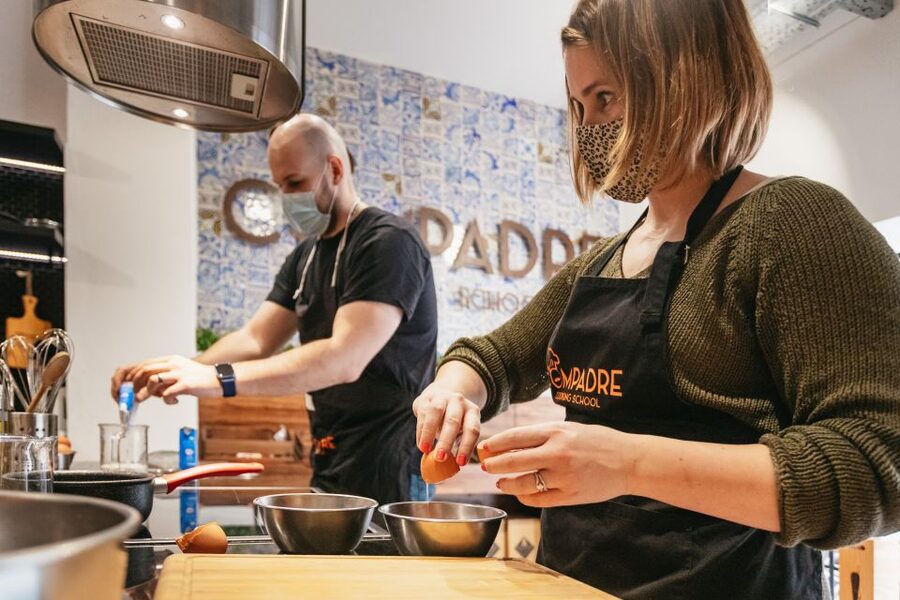
After the cooking, you sit together and taste the food. This shared table is one of the best parts of the experience because the class is not only about following instructions. You also get time to talk with the other people in the kitchen and compare the results.
The atmosphere is casual, with people of different ages and nationalities taking part. If you are traveling alone, this is a useful way to meet others without committing to a long group tour. If you are traveling with family, cooking gives children and teenagers something active to do while still teaching them about Portugal.
The food counts as a light meal, not a full lunch. Plan your day accordingly, especially if you book the class around midday. You will eat the treats you prepare, but you should not assume there will be a broad spread of additional food.
Tea is included. The class description also mentions coffee, but the formal inclusions list tea, and one account specifically noted that tea and coffee were not offered during that session. If a hot drink matters to you, confirm what will be served before booking rather than treating coffee as guaranteed.
Water may be available at the table, but the listed inclusions do not cover drinks beyond those specified. Bring your expectations in line with a tasting of your own cooking, not a restaurant meal.
How Much Cooking Do You Really Do?
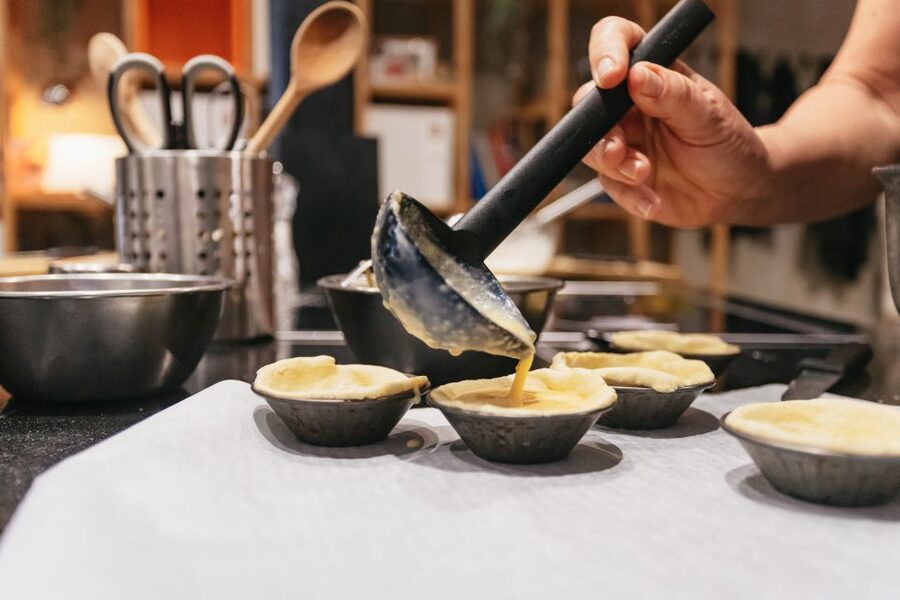
This experience is best described as a guided, hands-on workshop rather than a complete pastry apprenticeship. You take part in shaping and preparing the food, but important work is done ahead of time.
The pre-made dough is the clearest example. That saves time and makes success more likely, but it means you will not learn the full process from raw ingredients to finished pastry. The custard is also simple, which is helpful for home cooks but may disappoint anyone looking for a demanding technical challenge.
I would choose this class if you want a friendly introduction, a useful recipe, and a tasty activity between Lisbon sightseeing stops. I would look for a longer specialist baking course if your main goal is laminated pastry technique or professional-level instruction.
For most visitors, the lighter format is a sensible trade. You get the distinctive parts of the recipe without spending half a day in a kitchen. The class also leaves room for you to enjoy Lisbon afterward.
The $64 Price and What You Get
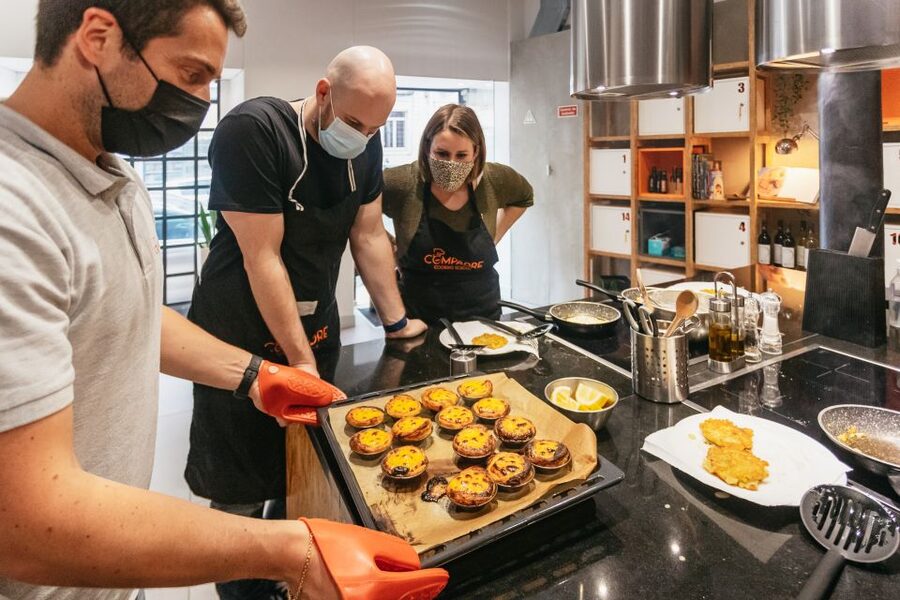
At $64 per person, this is not the cheapest way to eat pastel de nata in Lisbon. You can buy a tart for very little money at bakeries across the city. The price needs to be judged as a cooking activity, not as a pastry purchase.
For that fee, you receive ingredients, equipment, utensils, an English-speaking instructor, two recipes, insurance, tea, and the food you prepare. You also get the social setting and the background about one of Portugal’s most recognizable foods.
I think the price is fair for people who value participation. The recipes give the experience a life beyond the two hours, and the second dish makes the class feel more complete. It is particularly good value for couples, families, and solo visitors who want an activity rather than another café stop.
The value is weaker if you only want to taste excellent tarts or if you expect a substantial meal. It is also less appealing to experienced bakers who want to handle every stage of the pastry from scratch.
Free cancellation is available up to 24 hours before the start time, and you can reserve now and pay later. Those terms help if your Lisbon schedule is still changing.
Who Should Book This Lisbon Cooking Class?
I would recommend it to:
- First-time visitors who want a local food activity
- Couples looking for a relaxed shared experience
- Families with children or teenagers who enjoy practical activities
- Solo visitors who would like an easy social setting
- Beginner cooks who want recipes they can repeat at home
- Anyone curious about the story behind pastel de nata
The class suits people who like clear direction and a friendly pace. You do not need to be a good cook. In fact, the simple methods and supportive instruction are useful if you normally avoid the kitchen.
It is less suitable for people with back problems because of the standing time. It is also not the right pick if you want a completely vegan menu or a detailed, from-scratch pastry course.
Pets and smoking are not allowed. Comfortable shoes are the only item specifically recommended to bring.
Smart Ways to Fit It Into Your Lisbon Day
Set aside more than the exact two-hour class window for getting to the kitchen and continuing your day afterward. Since transport is not included, check your route before leaving, especially if you are booking an early session or connecting it with another timed activity.
Do not schedule an important meal immediately afterward if you are expecting the class to feed you fully. You will taste what you make, but the food is described as a light meal.
This class works well on a warm day because the kitchen has air conditioning, according to the supplied details. It can also be a useful rainy-day plan, though the activity itself is indoors and does not replace a full day of sightseeing.
You may want to visit a bakery afterward or the next day to compare your work with professional versions. The class’s food history can also add meaning to a stop in Belém, an area one participant decided to visit after learning more about the pastry.
Should You Book It?
Book this class if you want to make pastel de nata, hear its story from English-speaking instructors, and leave with two recipes you can use at home. Anna and Marta bring warmth, humor, and clear guidance, and the shared meal gives the session a pleasant social finish.
Skip it if your priority is a full pastry course, a large lunch, or a guaranteed vegan menu. Also skip it if standing for more than an hour would be uncomfortable.
For most visitors, this is a well-focused Lisbon activity with a strong mix of food, culture, and participation. At $64, you are paying for the lesson and the memory, not just the tarts. If that sounds like the kind of souvenir you want, reserve a place.
FAQ
Where does the pastel de nata cooking class meet?
The class meets at the local partner’s kitchen in Lisbon. Enter Lisbon as the city when placing the address.
How long does the cooking class last?
The activity lasts two hours. Starting times depend on availability.
What is the price?
The listed price is $64 per person.
Is the class taught in English?
Yes. The instructor language is English.
What recipes will I make?
You will make pastel de nata and one additional traditional Portuguese recipe. The second dish may include examples such as farófios or cod fritters, but the exact recipe is not specified.
Are ingredients and cooking equipment included?
Yes. Cooking equipment, utensils, ingredients, and an instructor are included.
Is food included after cooking?
Yes. You can enjoy the food you prepare as a light meal to share. Tea is included. Coffee is mentioned in the activity description, but it is not listed among the formal inclusions.
Do I need to bring anything?
Bring comfortable shoes because the class involves standing for about 1 hour and 20 minutes.
Can I attend if I am vegan or vegetarian?
Portuguese cuisine is not very vegan-friendly, so contact the local supplier before booking if you are vegan. Vegetarian accommodation has been provided during the class.
Is the class suitable for people with back problems?
No. The activity is not recommended for people with back problems because of the extended standing time.
Is transportation included?
No. Pickup and drop-off are not included, so you need to reach the kitchen on your own.
Can I cancel the booking?
Yes. You can cancel up to 24 hours in advance for a full refund. Reserve now and pay later is also available.
More 2-Hour Experiences in Lisbon
- 2 Hour Lisbon Sunset and Wine Sailing Tour
★ 5.0 · 2,680 reviews - 2-Hour Lisbon Traditional Boats Sunset Cruise with White Wine
★ 4.5 · 2,091 reviews - Lisbon: 1 or 2-Hour Cruise along the Tagus River
★ 4.8 · 1,079 reviews - Lisbon Small Group 2h Sunset Sailing- Live Commentary & a Drink
★ 5.0 · 620 reviews
More Workshops in Lisbon
- Pastel de Nata Pastry Class: Bake and Enjoy Your Own Treats
★ 5.0 · 485 reviews - Lisbon: Azulejos’ Design Create Your Own Tile Workshop
★ 4.9 · 420 reviews - Lisbon: Surfing Lesson on Costa de Caparica Beach
★ 5.0 · 322 reviews - Lisbon: 1.5-Hour Surf Lesson
★ 4.8 · 257 reviews
Fresh finds around Lisbon
- Sanctuary of Fátima and Coimbra City Tour★ 4.5 · 51 reviews
- Sintra/Lisbon: Sintra & Quinta da Regaleira Tour with Ticket★ 4.4 · 51 reviews
- Jeronimos Monastery Guided Tour – Small Groups – Tickets Included★ 5.0 · 51 reviews
- Half day Spa Water Therapy experience at THE SPA at Corinthia Lisbon★ 4.5 · 51 reviews
- Lisbon: Private Christmas Lights Tour by Eco Tuk Tuk★ 4.9 · 51 reviews
- Peniche: Berlengas Island Catamaran Tour – Round Trip★ 4.6 · 51 reviews
- Lisbon: Private Tuk-Tuk Tour for 2 hours★ 4.7 · 51 reviews
- Premium Lisbon Airport Transfer to Lisbon★ 5.0 · 51 reviews
Cooking Classes, compared.
Lisbon Portuguese Cooking Class with 3-Course Dinner
Read our review →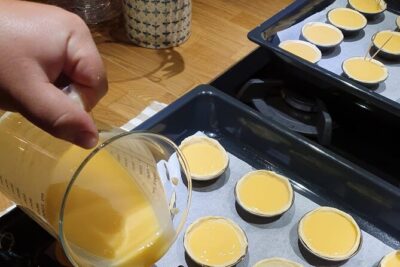
Traditional Portuguese Cooking Class in Lisbon
Read our review →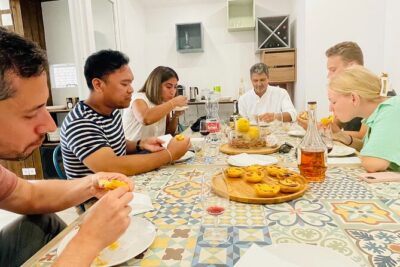

Browse the lists this tour appears in