
Reviewed · CITY TOURS
Lisbon City Center Tour – The Unmissable Lisbon
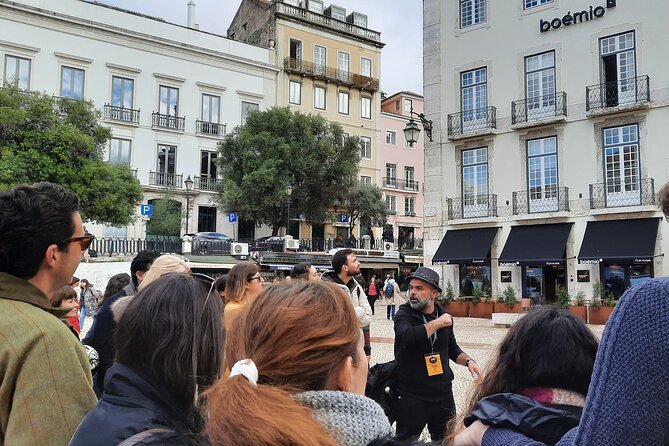
Lisbon reveals itself best on foot, especially in the narrow lanes and steep connections between Rossio, Chiado, and Bairro Alto. This 2.5-hour walk links major sights with less obvious corners, giving you a useful first map of central Lisbon rather than just a parade of postcard stops.
I like the flexible pay-what-you-think-the-tour-is-worth model, and I like the practical advice guides such as Miriam, Claudia, Hugo, and Ricardo give for food and later sightseeing. The main drawback is the steady walk over uneven streets, with a lot of historical detail that may feel heavy if you prefer quick facts and photo stops.
In This Review
- Key points at a glance
- Why this Lisbon walk works as a first look
- Restauradores and the story of Portuguese independence
- São Domingos and the 1506 massacre memorial
- Rossio Square and the surprising station façade
- Chiado, Santa Justa, and the Carmo revolution
- São Roque and one remarkable chapel
- Bairro Alto and the café life of Chiado
- São Carlos and the final walk down Rua Augusta
- Praça do Comércio and the Tagus finish
- What the $3.62 price really means
- Walking conditions, group size, and timing
- Who should book this Lisbon experience?
- Should you book The Unmissable Lisbon?
- FAQ
- How long does the Lisbon City Center Tour last?
- Where does the tour start?
- Where does the tour end?
- What language is the tour offered in?
- How many people can join the tour?
- Can I cancel for a full refund?
Key points at a glance
- Three central districts in one walk: Get an introduction to Rossio, Chiado, and Bairro Alto before finishing beside the Tagus.
- A serious history lesson: Learn about the 1506 massacre of Lisbon’s Jewish community, the Jesuits, Portuguese independence, and the Carnation Revolution.
- Free access at Santa Justa: See the famous lift and enter its free area without paying for a separate attraction ticket.
- Useful local advice: Guides often share suggestions for food, cultural sights, and how to spend the rest of your stay.
- A flexible price: The listed price is about $3.62 per person, with payment based on what you feel the experience is worth.
- Good first-day orientation: The route helps you decide which areas deserve a slower return visit.
Why this Lisbon walk works as a first look
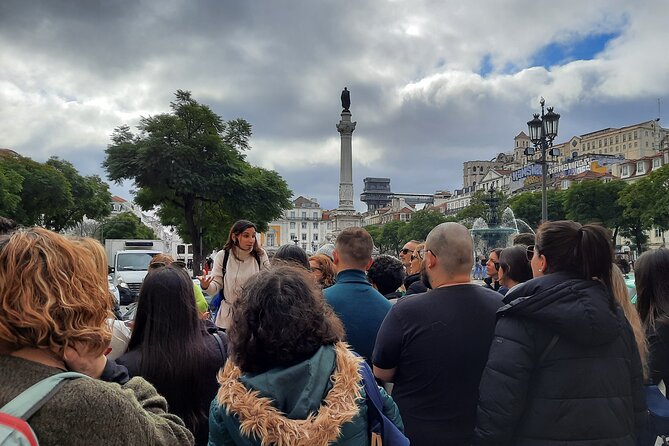
The route starts at the Monumento dos Restauradores in Praça dos Restauradores and ends at Praça do Comércio, the grand square open to the Tagus. In between, you cross much of Lisbon’s central core, moving from the formal lower city into Chiado and Bairro Alto before returning downhill toward the river.
That shape makes the tour useful on your first day. You get the broad geography of the center, then can return to the places that catch your interest. I would use it to mark cafés, churches, viewpoints, museums, and streets for later rather than expect a full visit inside every stop.
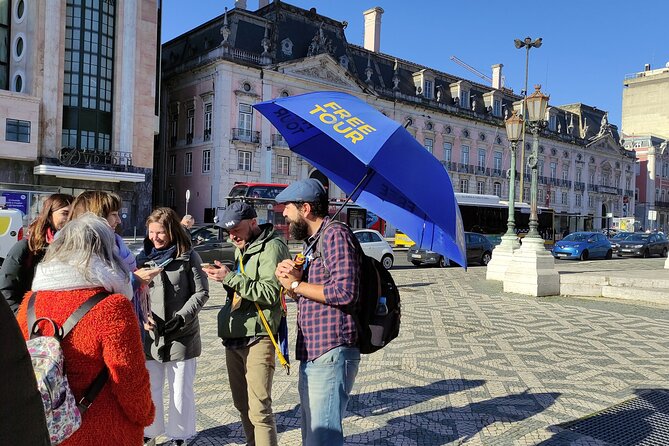
The English-speaking guides bring different personalities to the route. Miriam is described as funny and engaging, Claudia as warm and well organized, Hugo as able to keep the stories moving even in heavy rain, and Ricardo as a particularly animated storyteller with strong local passion. Your exact experience depends on the guide assigned that day, but the repeated praise centers on humor, clear explanations, and useful personal suggestions.
A handful more Lisbon ideas to compare
- Lisbon: Sintra, Pena, Regaleira, Cabo da Roca & Cascais
★ 4.7 · 19,656 reviews - Lisbon: Jerónimos Monastery Entrance Ticket
★ 4.1 · 14,164 reviews - Lisbon: History, Stories and Lifestyle Walking Tour
★ 4.8 · 10,902 reviews
Restauradores and the story of Portuguese independence
The first stop is Praça dos Restauradores, where Avenida da Liberdade ends. The square honors Portugal’s restoration of independence, making it a fitting place to begin a walk through the city’s political and social past.
You spend only about five minutes here, so do not expect a long architectural survey. The value is orientation. You are placed in one of central Lisbon’s key squares, and the guide begins connecting the city around you with the events that shaped Portugal.
One point to note: the walk starts precisely at the monument, so arriving late can be inconvenient. The tour has a stated start time, and a group of up to 25 people may be difficult to spot once it moves into the surrounding streets.
São Domingos and the 1506 massacre memorial
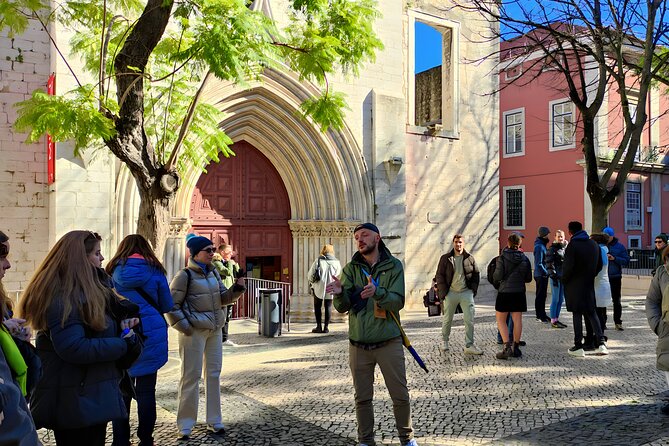
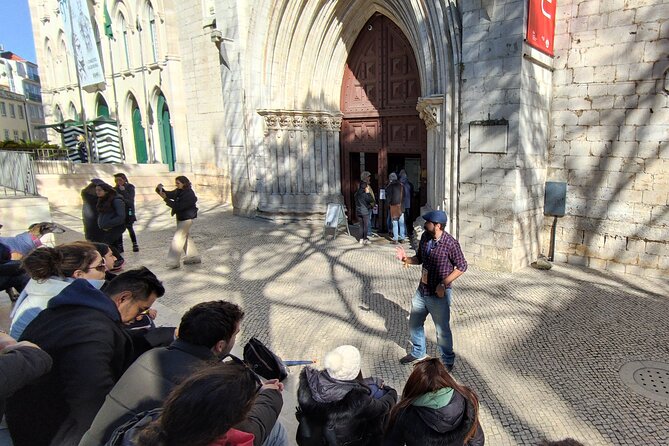
At Igreja de São Domingos, the tour shifts from grand national events to a more difficult part of Lisbon’s past. The church is described as one of the city’s least adorned, yet its meaning is tied to peace, tolerance, and unity.
The next stop, the Memorial às Vítimas do Massacre Judaico de 1506, honors the victims of the massacre of Lisbon’s Jewish community. This is one of the most important parts of the walk because it gives you historical context beyond kings, monuments, and scenic views.
Allow yourself to listen closely here. The subject is serious, and the guide may spend more time explaining intolerance and religious fanaticism than you expect from a sightseeing stroll. One person found the history talks too long and wanted shorter facts tied more directly to the buildings. That is a fair warning if you prefer a lighter tour.
Still, I value the inclusion of this memorial. It shows you a Lisbon that is not only picturesque. The city’s past includes conflict, discrimination, and painful memory, and this stop gives those themes a place in the center of your visit.
Rossio Square and the surprising station façade
Praça Dom Pedro IV, better known as Rossio, has been a major gathering place for more than six centuries. The tour allows about ten minutes here, enough to understand why the square has hosted important events and remains one of Lisbon’s main meeting points.
From Rossio, you continue to Estação do Rossio. The station’s ornate façade is easy to admire, but the construction date is the surprise emphasized on the walk. You will get more from the stop if you look beyond the trains and notice how a working transport building fits into the historic center.
The itinerary also includes a brief stop described as a building that opened in 1846 and overlooked major events in Lisbon. The supplied details do not identify it by name, but it adds another layer to the city’s public spaces and institutions.
This portion is helpful for finding your bearings. Rossio connects several parts of central Lisbon, and knowing that makes later independent exploring much easier.
Nearby in Lisbon, a different day entirely:
- Sintra: Pena Palace and Park Entrance Ticket
★ 4.2 · 17,410 reviews - Lisbon: Sunset Boat Party Cruise with DJ and Open Bar
★ 4.5 · 10,378 reviews - Lisbon: Pena Palace, Sintra, Cabo da Roca, & Cascais Daytrip
★ 4.7 · 9,981 reviews - Lisbon: Oceanário de Lisboa Entrance Ticket
★ 4.6 · 9,943 reviews
Chiado, Santa Justa, and the Carmo revolution
Chiado marks the entrance to Lisbon’s most cosmopolitan neighborhood. The stop itself is short, but it prepares you for a change in mood. The streets become more polished and commercial, while the route still slips through spaces where cars cannot easily follow.
The Elevador de Santa Justa is one of Lisbon’s most recognizable structures. It is public transport, but many people treat it as a monument because of its striking design. The tour includes access to the free area of the lift, which lets you see part of the structure without adding a separate admission charge.
Do not assume this means a full ride experience or guaranteed time at every viewing level. The walk is designed to introduce the lift, not replace a dedicated visit. Even so, this is a smart inclusion because Santa Justa can be expensive or crowded when approached as a stand-alone attraction.
At Largo do Carmo, the stories turn toward revolution. This square was a stage for passionate political change, and the guide explains its role in Portugal’s modern history. The location has a strong sense of place: a handsome urban space where the past feels close rather than locked inside a museum.
This is also a good moment to pause and catch your breath. The route is not a race, but it is steady. The walk includes slopes and uneven paving, and the Carmo area arrives after several central stops.
São Roque and one remarkable chapel
Igreja de São Roque dates from the sixteenth century and was the first Jesuit church in Portugal. It served as the Jesuits’ home church in the country for more than 200 years, until the order was expelled.
The church’s plain exterior can make the interior more surprising. The tour points out one of the world’s most valuable chapels, giving you a reason to look carefully rather than treat São Roque as another quick photo stop.
You should keep your expectations in check. The itinerary allows about ten minutes, and the tour includes many locations. This is an introduction, not a full art-history visit. If the chapel interests you, note the church for a return visit when you can take your time.
This stop also shows why a walking tour can be more useful than a bus circuit. A vehicle might pass the church, but the guide can explain why it matters and place it within the story of Jesuit Portugal.
Bairro Alto and the café life of Chiado
Bairro Alto brings you into Lisbon’s nightlife district, a neighborhood with more than 500 years of history. By day, it can feel quieter and more approachable than its evening reputation suggests. The tour presents it as Lisbon’s bohemian quarter, with stories that connect old streets to the city’s artistic and social life.
The route then passes through Largo do Chiado, the transition point between Chiado and Bairro Alto. This helps you understand that the districts are close, but not interchangeable. Chiado is associated with shops, cafés, literary life, and a more formal urban character, while Bairro Alto is tied more strongly to nightlife and narrow lanes.
At A Brasileira, the tour turns to coffee and modernist culture. The café is linked with the launch of coffee in Lisbon and with Fernando Pessoa and other writers and artists who created the modernist magazine Orpheu.
You may not have time for a drink or a long café break here. The scheduled stop is about ten minutes, so treat it as a cultural marker and return later if you want to sit down. Guides sometimes make this part especially enjoyable by connecting the café to personalities and daily life rather than presenting only dates.
São Carlos and the final walk down Rua Augusta
Teatro Nacional de São Carlos is Portugal’s only theater devoted to producing and presenting opera, choral music, and symphonic music. The tour gives you a quick look at a cultural institution that many short city walks skip.
The route then points out the triumphal arch that appears in nearly every Lisbon guidebook before continuing along Rua Augusta. This is the most active and charming pedestrian street in the lower city, leading you toward the river.
Rua Augusta is a good place to notice how Lisbon shifts from hill neighborhoods to the rebuilt downtown grid. The street is easier to walk than the older lanes, but it can feel more crowded and commercial. That contrast is part of the point: the tour shows you both the tucked-away routes and the grand public axis.
This is where the group may spread out. Stay near the guide, especially if you stop for photographs. The tour has a maximum of 25 people, which is manageable, but a busy central street can still make it easy to lose sight of the group.
Praça do Comércio and the Tagus finish
The walk ends at Praça do Comércio, between the arch and the equestrian statue of D. José I. The square is one of the grandest in Lisbon, with the city opening toward the Tagus at its edge.
This finish gives the route a clear sense of arrival. You begin at a square linked with national independence, cross churches and neighborhoods shaped by conflict and culture, and finish where Lisbon meets the river.
The end point is practical as well as scenic. From here, you can continue exploring the lower city, stop for a meal, or use the square as a reference point for planning the rest of your day. Your guide may also share suggestions for food and cultural activities. Fernanda, for example, is described as sending a WhatsApp document with local tips after the walk and answering a follow-up question promptly.
What the $3.62 price really means
At about $3.62 per person, this is unusually inexpensive for a 2.5-hour guided introduction to Lisbon. The price is based on a pay-what-you-think-the-experience-is-worth model, so the listed amount should be viewed as an entry price rather than the full measure of the guide’s work.
That model can be a good fit if you want to keep costs low while deciding how much value the walk provides. It also creates a different expectation from a fixed-price premium tour. You are paying for orientation, stories, and advice, not a private guide or in-depth access to every monument.
I see strong value here for first-time visitors. A good guide can save you hours of wandering without a plan and point you toward places you might otherwise miss. The value is lower if you already know central Lisbon well or want detailed interiors, long museum visits, or extensive photography time.
The experience is offered in English and uses a mobile ticket. It is usually booked about 17 days ahead, so reserving early is sensible if your dates are fixed. Free cancellation is available up to 24 hours before the start time. Poor weather or failure to reach the minimum group size can lead to a new date, another experience, or a full refund.
Walking conditions, group size, and timing
This is a genuine walking tour, not a gentle stroll on flat pavement. Several people found the distance manageable, but the streets are uneven and the pace is steady. Wear shoes that handle cobblestones and bring protection from rain or sun.
Weather matters. One guide kept the stories interesting when heavy rain and fog arrived, but poor conditions can reduce your photo opportunities and make the pavement less comfortable. The experience requires good weather, so a cancellation is possible if conditions are unsuitable.
Most people can participate, and service animals are allowed. The route is near public transport, which makes both the start at Restauradores and the finish at Praça do Comércio convenient to reach.
The maximum group size is 25. That is not a private or intimate walk, but it is small enough for questions when the guide manages the group well. Smaller departures can feel more personal, while a full group may make it harder to hear in noisy streets.
Who should book this Lisbon experience?
I would choose this walk if you have just arrived in Lisbon and want a fast sense of the city’s center. It works well after a long flight because you keep moving, see several districts, and begin learning how Lisbon fits together.
It also suits solo visitors. The format makes it easy to meet other people, and the guides’ local suggestions can help you plan meals and cultural stops without relying only on a guidebook.
Families can manage it too, including older children who enjoy stories. One family completed the walk with a 12-year-old despite rainy weather, although the uneven streets and length still require reasonable stamina.
I would be more cautious if you dislike historical explanation. The tour covers Portuguese independence, religious persecution, Jesuit history, revolution, literature, and city life. A guide may give several long talks rather than only short comments at each building.
Should you book The Unmissable Lisbon?
Book it if you want an inexpensive, story-led orientation to central Lisbon, especially at the start of your stay. The strongest reasons are the route through three districts, the serious historical context, the Santa Justa stop, and the practical advice you can use afterward.
Skip it if you want a flat route, a quiet small-group walk, or extended time inside churches and cultural sites. For most first-time visitors who can handle uneven streets and a steady 2.5-hour walk, this is a sensible first activity. Keep your expectations clear, listen for the recommendations, and save the places that catch your eye for a slower return.
FAQ
How long does the Lisbon City Center Tour last?
The tour lasts approximately 2 hours and 30 minutes.
Where does the tour start?
It starts at the Monumento dos Restauradores in Praça dos Restauradores, Lisbon.
Where does the tour end?
It ends at Praça do Comércio, between the arch and the equestrian statue of D. José I.
What language is the tour offered in?
The tour is offered in English.
How many people can join the tour?
The maximum group size is 25 people.
Can I cancel for a full refund?
Yes. You can cancel at least 24 hours before the experience start time for a full refund. Cancellations or changes made less than 24 hours before the start time are not refunded or accepted.
Fresh finds around Lisbon
- Sanctuary of Fátima and Coimbra City Tour★ 4.5 · 51 reviews
- Sintra/Lisbon: Sintra & Quinta da Regaleira Tour with Ticket★ 4.4 · 51 reviews
- Jeronimos Monastery Guided Tour – Small Groups – Tickets Included★ 5.0 · 51 reviews
- Lisbon: Private Christmas Lights Tour by Eco Tuk Tuk★ 4.9 · 51 reviews
- Peniche: Berlengas Island Catamaran Tour – Round Trip★ 4.6 · 51 reviews
- Half day Spa Water Therapy experience at THE SPA at Corinthia Lisbon★ 4.5 · 51 reviews
- Lisbon: Private Tuk-Tuk Tour for 2 hours★ 4.7 · 51 reviews
- Premium Lisbon Airport Transfer to Lisbon★ 5.0 · 51 reviews
City Tours, compared.

Lisbon: Daytime/Sunset/Night City Sailboat Tour with Drink
Read our review →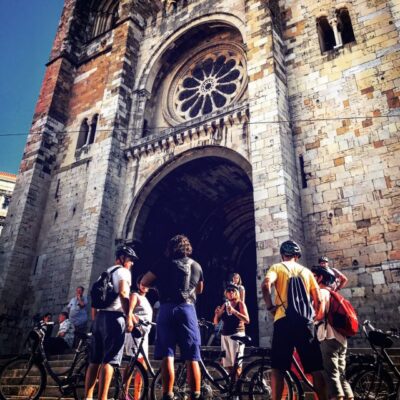
Lisbon: City Highlights and Viewpoints E-Bike Tour
Read our review →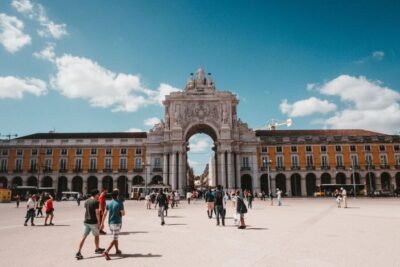

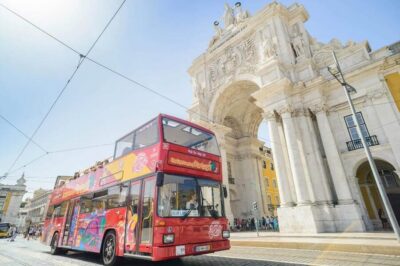
Lisbon: City Sightseeing Hop-On Hop-Off Bus Tour
Read our review →

Express Lisbon | City Center and Old Town Tuk Tuk Tour
Read our review →Browse the lists this tour appears in