
Reviewed · COOKING CLASSES
Lisbon: Pastel de Nata Baking Class
Lisbon’s famous custard tart is easy to eat and surprisingly tricky to make. This two-hour class lets you handle the dough, prepare the filling, shape the pastry, and taste your work while it is still warm. It is a useful way to understand why a good pastel de nata needs both crisp pastry and smooth custard.
I like the hands-on format, which gives you more than a demonstration, and I like the relaxed social side, especially if you are visiting alone or with family. Local drinks, including coffee, Porto wine, and ginginha, add a distinctly Portuguese touch. The main drawback is that some ingredients are measured or prepared ahead, and the final tasting can feel rushed when the class runs tightly to time.
In This Review
- Key points to know before booking
- Why a pastel de nata class makes sense in Lisbon
- Arriving at Homecooking Lisbon HUB
- The first stage: learning the pastry method
- Making the custard without losing the plot
- From kitchen counter to hot oven
- Portuguese drinks make the tasting feel local
- The instructors are the strongest part
- What the $64 price buys you
- Who will enjoy this two-hour class most
- Practical timing, cancellation, and small cautions
- Should you book the pastel de nata class?
- FAQ
- Where does the pastel de nata class take place?
- How long does the activity last?
- How much does the class cost?
- Is the class taught in English?
- Are ingredients and cooking tools included?
- What drinks are included?
- Is hotel pickup included?
- Can I cancel for a full refund?
- Can I reserve now and pay later?
- Is the class suitable for young children or people with mobility impairments?
Key points to know before booking
- You make the pastry and custard: The class covers the main stages, including shaping the dough and filling the tart shells.
- Fresh tarts are the reward: You eat your pastel de nata after baking, and several visitors also took extras away.
- The teaching gets high marks: Marta, Bea, Miyuki, Miguel, Pedro, and other instructors are praised for patience, clear English, humor, and hands-on help.
- Drinks are part of the lesson: Expect homemade juice, coffee, water, Porto wine, and a ginginha tasting, though availability may vary.
- The class is social: You may work in pairs, which helps solo participants but means you may not have an individual workstation.
- Plan your route: Homecooking Lisbon HUB is outside the most central part of Lisbon for some visitors, so check transport time before booking.
Why a pastel de nata class makes sense in Lisbon
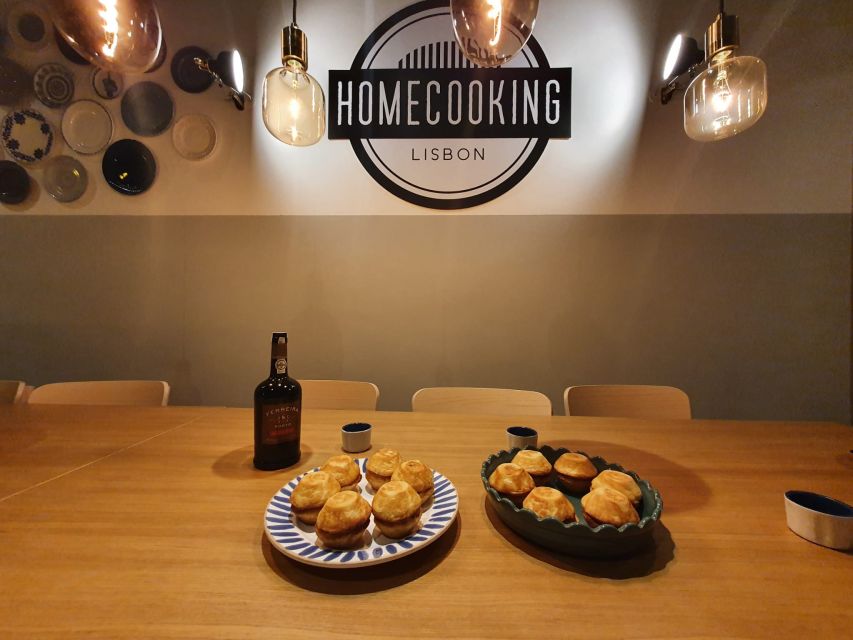
You can buy a pastel de nata at nearly any bakery in Lisbon. That is part of the fun. But eating one tells you only half the story.
A baking class shows you what goes into the crisp shell and custard center. You work with the pastry rather than watching someone else do everything. That matters because the shell is not simply a piece of dough pressed into a tin. Texture, shaping, filling, and baking all affect the result.
The class also puts the tart into a wider Portuguese food setting. The instructor explains the pastry’s background and traditional methods while guiding you through the recipe. Several instructors are praised for sharing family traditions and food customs, so the cultural side is not just a short speech before the cooking starts.
I would book this early in a Lisbon visit if you plan to eat many pasteis de nata afterward. You will notice the pastry differently once you understand how it is made. It is also a good rainy-day plan, and the two-hour length fits neatly between sightseeing stops.
More Lisbon food crawls:
- Lisbon Small-Group Food Tour with 18 Tastings in Alfama District
★ 5.0 · 1,967 reviews - Lisbon: Baixa District Food Tour with Dinner and Drinks
★ 4.9 · 1,870 reviews - Devour Lisbon: The Ultimate Portuguese Food Tour
★ 5.0 · 1,782 reviews
Arriving at Homecooking Lisbon HUB
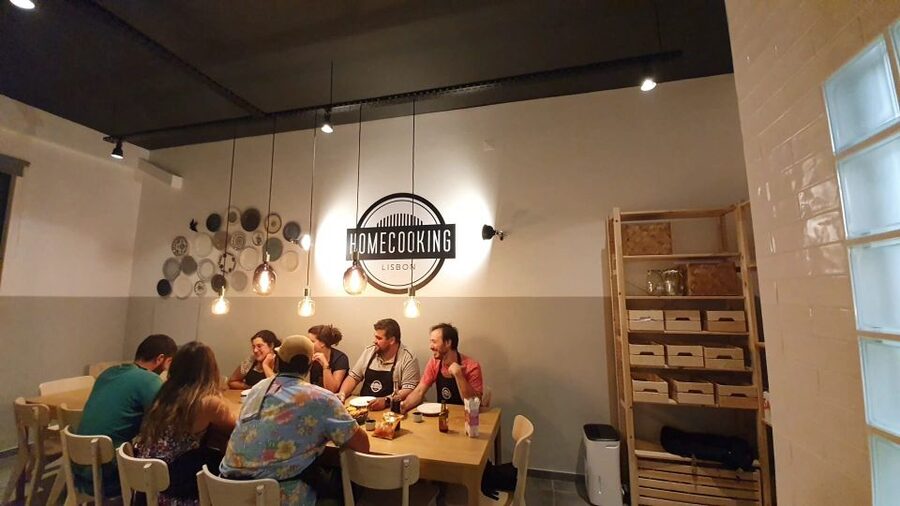
The meeting point is Homecooking Lisbon HUB in the Lisbon District. The cooking space is described as clean, modern, welcoming, and well prepared. One useful detail is that a bus stop is directly outside, but the venue is not necessarily close to central Lisbon, depending on where you are staying.
Give yourself enough time to find it. One person had trouble after a last-minute location change connected with construction, although the issue was resolved quickly. That sounds unusual, but it is still sensible to check the meeting details close to the day of the class.
You will not receive hotel pickup or drop-off, so transportation is your responsibility. A taxi can be a convenient option, especially for a small group, but the exact cost depends on your starting point.
The class is taught in English. That makes it suitable for English-speaking visitors who want clear cooking instructions without relying on gestures or translation. The instructors may also speak other languages, but English is the stated teaching language.
The first stage: learning the pastry method
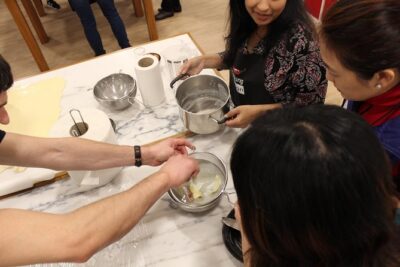
The class begins with an introduction to the ingredients, tools, and basic method. Ingredients and cooking utensils are included, so you do not need to bring baking equipment.
Some ingredients are pre-measured, and parts of the process may be prepared ahead. This keeps the class moving within two hours and gives everyone a better chance of producing good tarts. It also means you are not reproducing every single task from a completely empty kitchen.
That tradeoff is worth understanding. If you want a slow, professional pastry course covering every technical detail, this is not that. If you want to learn the key steps, take part in the preparation, and leave with a working idea of the recipe, the setup is practical.
You handle the dough and learn how to shape it for the tart shells. This is one of the most useful parts of the class because the pastry is central to the final texture. Several people specifically enjoyed learning how to fold and shape it, including those making puff pastry for the first time.
The instructors stay close by to correct mistakes and answer questions. Names such as Marta, Bea, Miyuki, Miguel, and Pedro appear repeatedly in the class feedback, but your instructor will depend on the date. The common thread is a friendly, patient teaching style with clear explanations.
Making the custard without losing the plot
The filling is the other half of the pastel de nata. You prepare the custard and learn how it fits into the traditional method.
This is where the class gives you useful context beyond a standard recipe. One person especially appreciated learning about traditional technique rather than simply being handed a list of ingredients. Another liked hearing why certain parts were prepared in advance.
You do not need previous baking experience. The instructions are designed for beginners, and the chefs demonstrate each stage before helping you complete it. The pace appears steady rather than frantic, although a full group can make the final part feel more compressed.
The group size has been described as around 12 people, which is large enough to create a social mood but small enough for instructors to circulate. You may work in pairs. That can be a plus if you are traveling alone and enjoy meeting someone new, but it is worth knowing if you expected to make every tart entirely by yourself.
Solo participants have been paired with other people successfully, and couples and families have also found the setup easy to manage. Teenagers have enjoyed it, too. The official guidance says the activity is not suitable for children under six.
A handful more Lisbon ideas to compare
- Lisbon: Traditional Portuguese Cooking Class
★ 4.9 · 592 reviews - Lisbon: 2-Hour Pastel de Nata Cooking Class
★ 4.8 · 461 reviews - Lisbon Portuguese Cooking Class with 3-Course Dinner
★ 5.0 · 445 reviews - Traditional Portuguese Cooking Class in Lisbon
★ 5.0 · 287 reviews
From kitchen counter to hot oven
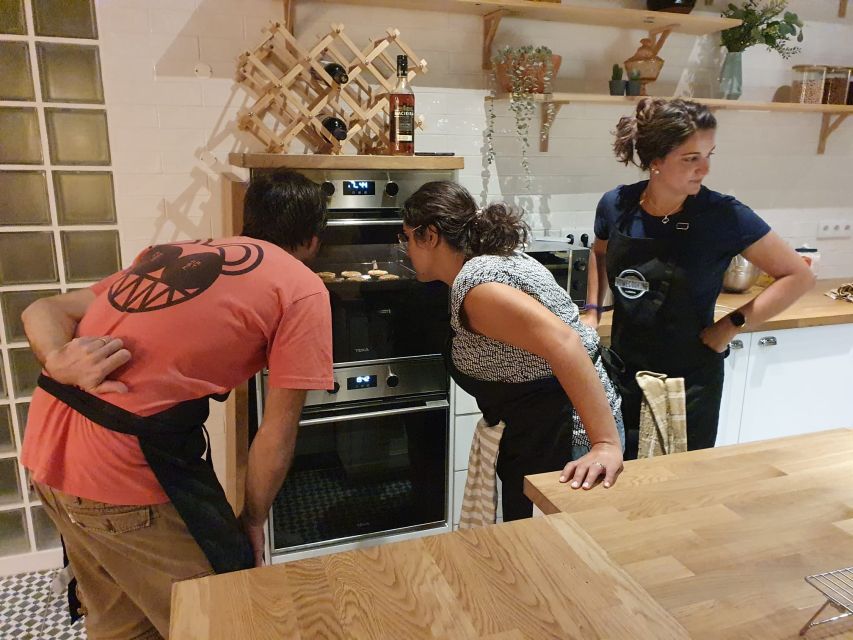
Once the dough and custard are ready, you fill the pastry shells and prepare them for baking. The staff handles the oven stage, while you learn what is happening and wait for the finished tarts.
This part is less hands-on than the mixing and shaping, but it is sensible in a busy class. Pastry work around a hot oven needs care, and the short format would be difficult if every participant had to manage the baking independently.
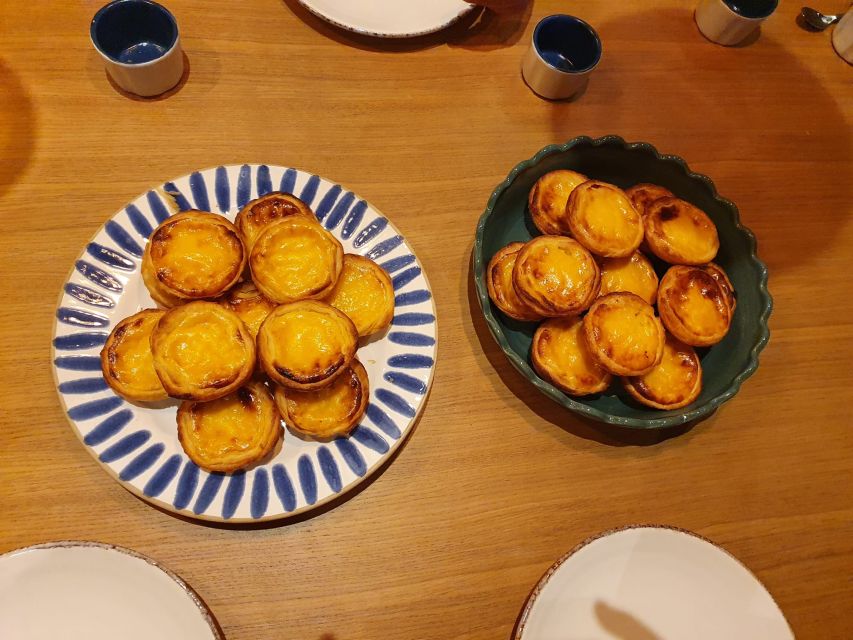
The payoff comes when the tarts are ready. You get to taste them fresh, with crisp pastry and warm custard. Several people found the finished result better than expected, especially because they had taken part in the process rather than simply receiving a pastry at a bakery counter.
You may also have enough to carry back to your hotel or keep for later. Do not assume they will survive long. Warm custard tarts have a short life once a group starts eating.
Portuguese drinks make the tasting feel local
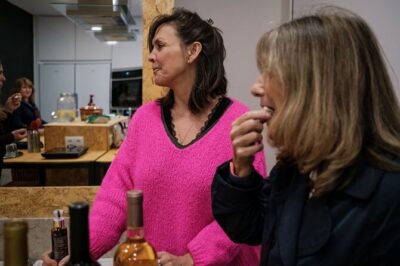
The drink selection is a pleasant part of the class. Included refreshments are homemade juice, coffee, water, Porto wine, and a tasting of ginginha, the Portuguese sour-cherry liqueur.
This gives the final tasting more character than a pastry and tap water. Coffee is the natural partner for a pastel de nata, while Porto wine and ginginha add a small taste of Portuguese drinking culture.
Drink availability may not be identical at every session. One person noted that wine was not served during their class, so treat the list as the intended offering rather than a guarantee of every item on every date.
The ginginha tasting is a nice extra for people who have not tried it. It is also a reason to keep the experience focused on local food and drink rather than treating the pastry as an isolated cooking exercise.
The instructors are the strongest part
The pastry recipe matters, but the instructor can make or break a short cooking class. Here, the teaching is the most consistently praised feature.
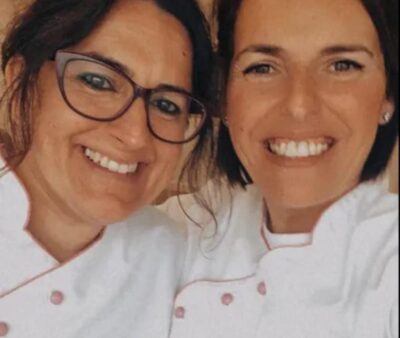
Marta is described as helpful, funny, well organized, and good at keeping everyone involved. Bea receives similar praise for warmth, careful explanations, and her ability to connect the recipe with shared Portuguese and Brazilian food traditions.
Miyuki is described as hospitable and encouraging, including when a solo participant had to work with someone new. Miguel is praised for his passion, practical tips, and ability to make the cooking feel simple. Pedro has also led family groups successfully.
Your instructor will vary, so I would not book solely on the hope of getting one particular person. The useful pattern is that the teachers explain the process clearly, help when needed, and keep the room friendly.
The class is also conducted in English, which is important when you are learning details about dough and custard. Clear instructions are more valuable here than a fancy kitchen or a long lecture.
What the $64 price buys you
At $64 per person, this is not the cheapest way to eat a pastel de nata in Lisbon. You can buy the finished pastry for much less at a bakery.
The value comes from the combination of instruction, ingredients, equipment, drinks, and the social setting. You are paying for a two-hour activity rather than a snack. Insurance is included, and you finish with pastries you made yourself, with some participants taking extras home.
I think the price is fair for visitors who want an activity with a clear result. It is especially good value for couples, friends, families with older children, and solo visitors who enjoy meeting people through food.
It is less compelling if you are short on time, dislike group activities, or mainly want to sample Lisbon’s best pastries. In that case, visit a bakery and spend the remaining money on several different tarts.
The class also gives you a recipe and enough practical knowledge to try again at home. Do not expect professional pastry-school training, but you should leave understanding the basic method and the points where care matters.
Who will enjoy this two-hour class most
I would recommend it to first-time Lisbon visitors who want a local food activity with a clear beginning and end. It works well as a break from museums and monuments.
It is also a good choice for families with children over six, though younger children may need close help with the dough and utensils. Teenagers in particular seem likely to enjoy the mix of practical work, food, and a result they can eat.
Couples get a relaxed shared activity, while solo visitors can join a pair and meet people from other countries. The group setting is part of the appeal, but it may not suit you if you want a private lesson.
People with mobility impairments should note that the experience is officially listed as unsuitable for them. The cooking location is clean and prepared, but no further accessibility details are provided.
Practical timing, cancellation, and small cautions
The duration is two hours, with starting times depending on availability. I would avoid placing a major timed appointment immediately afterward, since the final tasting and conversation may run close to the scheduled end.
You can cancel up to 24 hours ahead for a full refund. The reserve-now, pay-later option also helps if your Lisbon plans are still shifting.
Wear something comfortable for a kitchen activity. The supplied information does not set out a dress code, so you should simply expect to handle dough, custard, and cooking tools.
The most important practical point is transport. Check the route to Homecooking Lisbon HUB before the day of the class, particularly if you are staying near the historic center. A nearby bus stop helps, and a taxi may be the simplest choice for a small group.
Should you book the pastel de nata class?
Book it if you want to do more than eat Lisbon’s signature pastry. The class gives you a clear lesson, fresh tarts, local drinks, and a friendly way to spend two hours. The strongest reasons to choose it are the patient instruction, the chance to shape the pastry yourself, and the useful food history woven into the cooking.
Skip it if your schedule is packed or if you prefer independent eating. You will not control every step, since some ingredients are prepared in advance and the class may involve pair work.
For most visitors who enjoy food and hands-on activities, I think the $64 fee is reasonable. Check the route, allow time for the final tasting, and remember that drinks may vary by session. If those details suit you, this is a tasty and practical introduction to one of Portugal’s most beloved pastries.
FAQ
Where does the pastel de nata class take place?
The meeting point is Homecooking Lisbon HUB in the Lisbon District of Portugal.
How long does the activity last?
The class lasts two hours.
How much does the class cost?
The listed price is $64 per person.
Is the class taught in English?
Yes. English is the stated instructor language.
Are ingredients and cooking tools included?
Yes. All ingredients and cooking utensils are included.
What drinks are included?
The stated drinks are homemade juice, coffee, water, Porto wine, and a ginginha tasting. Availability may vary by session.
Is hotel pickup included?
No. Hotel pickup and drop-off are not included.
Can I cancel for a full refund?
Yes. You can cancel up to 24 hours in advance for a full refund.
Can I reserve now and pay later?
Yes. The activity offers a reserve-now, pay-later option.
Is the class suitable for young children or people with mobility impairments?
The activity is listed as unsuitable for children under six and for people with mobility impairments.
More Workshops in Lisbon
- Pastel de Nata Pastry Class: Bake and Enjoy Your Own Treats
★ 5.0 · 485 reviews - Lisbon: Azulejos’ Design Create Your Own Tile Workshop
★ 4.9 · 420 reviews - Lisbon: Surfing Lesson on Costa de Caparica Beach
★ 5.0 · 322 reviews - Lisbon: 1.5-Hour Surf Lesson
★ 4.8 · 257 reviews
Fresh finds around Lisbon
- Sanctuary of Fátima and Coimbra City Tour★ 4.5 · 51 reviews
- Sintra/Lisbon: Sintra & Quinta da Regaleira Tour with Ticket★ 4.4 · 51 reviews
- Jeronimos Monastery Guided Tour – Small Groups – Tickets Included★ 5.0 · 51 reviews
- Lisbon: Private Christmas Lights Tour by Eco Tuk Tuk★ 4.9 · 51 reviews
- Peniche: Berlengas Island Catamaran Tour – Round Trip★ 4.6 · 51 reviews
- Half day Spa Water Therapy experience at THE SPA at Corinthia Lisbon★ 4.5 · 51 reviews
- Lisbon: Private Tuk-Tuk Tour for 2 hours★ 4.7 · 51 reviews
- Premium Lisbon Airport Transfer to Lisbon★ 5.0 · 51 reviews
Cooking Classes, compared.
Lisbon Portuguese Cooking Class with 3-Course Dinner
Read our review →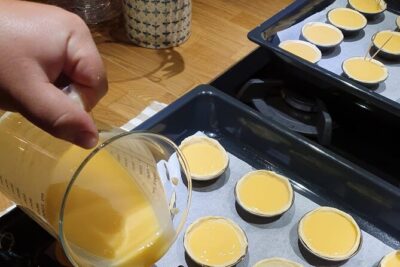
Traditional Portuguese Cooking Class in Lisbon
Read our review →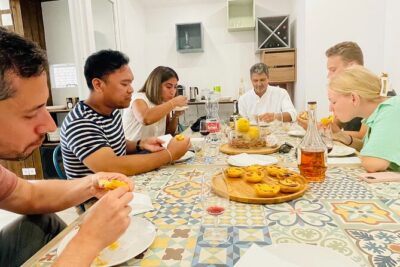
Browse the lists this tour appears in