
Reviewed · WALKING TOURS
Lisbon: The Jewish Sephardic Walking Tour
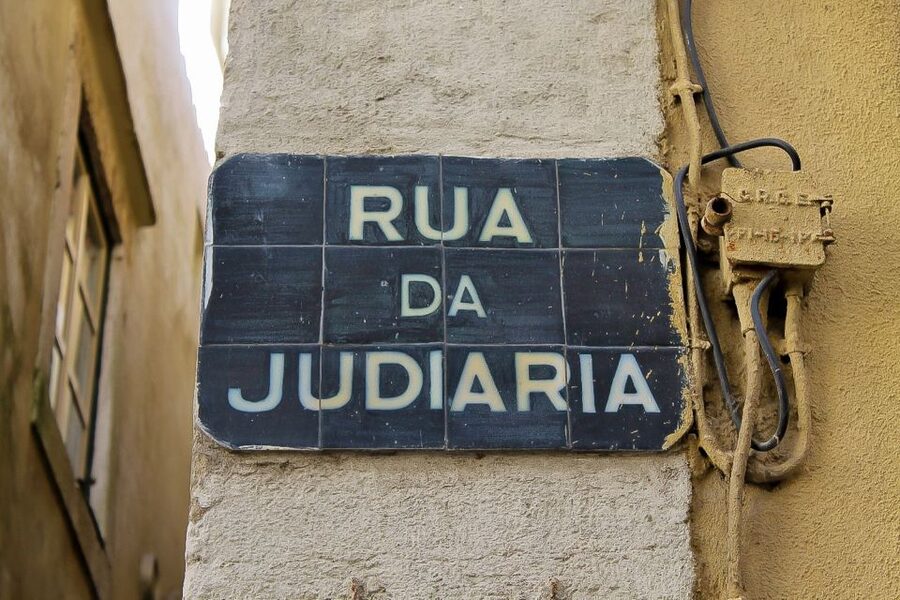
Lisbon’s Jewish story is one of movement, survival, and sudden loss. This four-hour walk links the city’s Jewish quarters with the Shaare Tikva Synagogue, the first synagogue built in Portugal since the late 15th century, then follows the trail toward Alfama and its Rua de Judiara.
I like the tour’s focus on places you might otherwise pass without noticing, and I like the human angle provided by guide Paulo Levy, whose own discovery of his Jewish heritage informs his storytelling. The main caution is simple: this is a long city walk, with hills and uneven streets, so comfortable shoes and reasonable stamina matter.
In This Review
- Key points to know before you book
- Why Lisbon’s Jewish story works best on foot
- Starting at Shaare Tikva Synagogue
- From medieval community to forced disappearance
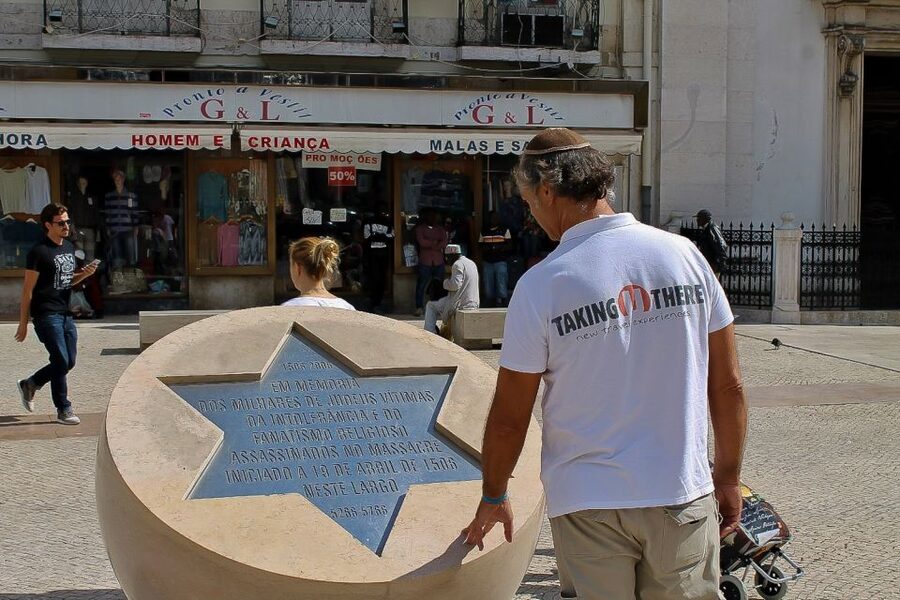
- Understanding the 1506 Massacre
- Walking into Alfama and Rua de Judiara
- Paulo Levy’s role as guide
- Four hours, a small group, and the real cost
- Who will get the most from this walk
- Tips for making the walk more comfortable
- Should you book the Lisbon Jewish Sephardic Walking Tour?
- FAQ
- Where does the tour meet?
- How long does the tour last?
- What is included in the price?
- Is lunch included?
- What languages are available?
- How large is the group?
- Will I visit a synagogue?
- Does the tour visit Alfama?
- What should I wear?
- Is the tour accessible for wheelchair users?
Key points to know before you book
- Shaare Tikva Synagogue: Enter Lisbon’s main synagogue and learn why its construction marked a major return of organized Jewish life in Portugal.
- Paulo Levy’s personal connection: Paulo brings his own interest in Jewish ancestry and a strong affection for Lisbon to the tour.
- The 1506 Massacre: The walk explains how anti-Jewish violence began and what it meant for Lisbon’s Jewish population.
- Rua de Judiara in Alfama: Walk through Lisbon’s oldest neighborhood and trace the memory of its former Jewish quarter.
- A four-hour, small-group walk: The group is limited to eight people, but the route is described as long and can be physically demanding.
- Stories of rescue and courage: Learn about figures such as Abraham Anahory and Aristides Sousa Mendes, who helped Jewish people in very different periods.
Why Lisbon’s Jewish story works best on foot
A Jewish-history tour in Lisbon is not simply a visit to one religious building. The story is spread across the city, and walking helps you see how Jewish life was connected to trade, neighborhoods, law, migration, faith, and politics.
You begin with the wider story of Jewish movement, including the exodus from Egypt and the long journey through different countries and continents. That broad opening matters because Lisbon’s Jewish community was never isolated from events elsewhere. People arrived, settled, moved on, disappeared from public life, and later returned.
I appreciate that the tour treats Jewish history as more than a record of persecution. You also hear how communities formed, how people worked and lived, and how Portugal recognized the Jewish community in the 12th century as a distinct legal body with its own jurisdiction. That detail gives you a clearer sense of how Jewish life fit into medieval Portugal.
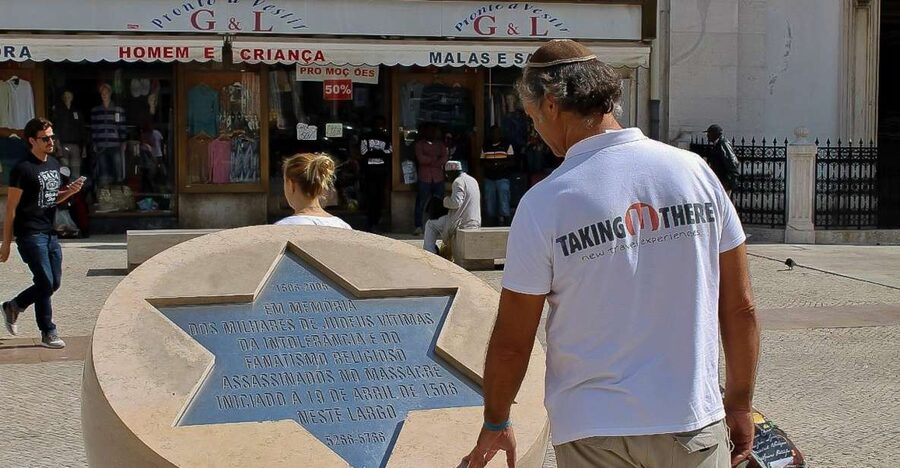
The route then brings the subject into Lisbon’s streets. Instead of looking only at dates, you connect historic quarters, memorials, religious sites, and places linked to major events. Some markers may be easy to miss on your own, which is one of the strongest reasons to take a guide-led walk rather than rely only on a city map.
More Walking Tours in Lisbon
- Lisbon: History, Stories and Lifestyle Walking Tour
★ 4.8 · 10,902 reviews - Best of Lisbon Small-Group Guided Walking Tour
★ 5.0 · 4,869 reviews - Lisbon: Food and Wine Small Group Walking Tour
★ 4.9 · 4,082 reviews
Starting at Shaare Tikva Synagogue
The meeting point is in front of Lisbon Synagogue at Rua Alexandre Herculano 59. This is also the tour’s main interior visit, with admission to Shaare Tikva included in the price.
The synagogue is important for a clear historical reason: it was the first synagogue built in Portugal since the late 15th century. Its presence represents the return of an organized Jewish institution after centuries in which public Jewish life had been severely restricted.
You should expect the synagogue visit to be more than a quick photo stop. The guide explains its place in Portuguese Jewish history and sets up the story of the different communities that have lived in Lisbon and Portugal since the Middle Ages.
Modest clothing is required. Short skirts and sleeveless shirts are not allowed, so plan your outfit before leaving your hotel. Comfortable clothing is also sensible because the synagogue visit is only the beginning of a substantial walking route.
The synagogue portion gives the tour a firm starting point, but it is not the whole experience. If you want a longer visit focused mainly on synagogue architecture or religious practice, this may feel brief. If you want the synagogue placed inside the larger story of Lisbon, it makes good sense.
From medieval community to forced disappearance
The tour explains how Jewish communities appeared in Portugal and how their public presence later vanished. That shift is central to understanding the city.
During the Middle Ages, Jewish residents were recognized as a distinct legal entity. They had their own jurisdiction, and Jewish communities played a visible part in the life of the kingdom. The walk uses this earlier period to show that Lisbon’s Jewish past was not a footnote added after the city’s Christian history. It was part of the city’s social and economic structure.
You also hear about the movement of Jewish people across lands and continents. The guide connects local Lisbon history with a much larger pattern of migration, exile, belonging, and uncertainty. The idea is not that Jewish people belonged nowhere, but that they often had to build a sense of home in places where their status could change quickly.
That context makes the later tragedies easier to understand. The story moves from legal recognition and daily life to pressure, forced conversion, and the breakdown of a community’s public identity. The tour’s value lies in showing these changes as a process rather than treating them as disconnected facts.
Understanding the 1506 Massacre
The 1506 Massacre is one of the tour’s most painful subjects, and the walk explains how it began. You learn about the violence directed at Lisbon’s Jewish population and how quickly public fear and hostility could become deadly.
This part of the tour is not light sightseeing. The subject calls for attention, and the guide’s job is to connect the event to the places around you rather than reduce it to a shocking date. The broader story of Jewish life, legal status, and forced change gives the massacre a necessary setting.
For me, this is one of the strongest reasons to choose a specialist tour. A general Lisbon walk might mention the massacre in passing, but this experience gives it more time and links it to the people and neighborhoods involved.
The tour also introduces important Portuguese and Jewish figures. Abraham Anahory is among the people discussed, while Aristides Sousa Mendes represents a much later chapter. Sousa Mendes was the Portuguese consul who saved thousands of Jewish refugees. His story adds a note of moral courage to a route that otherwise contains a great deal of suffering.
That contrast is useful. You are not left with a simple picture of Portugal as either tolerant or hostile. The tour shows a country and a city shaped by both cruelty and acts of conscience.
More walking routes in Lisbon:
- Best of Lisbon Walking Tour: Rossio, Chiado & Alfama
★ 4.9 · 2,700 reviews - Age of Discoveries Walking Tour in Belém
★ 5.0 · 1,513 reviews - Sintra & Cascais Day Tour with Pena Palace Entry and Gardens Walk
★ 5.0 · 962 reviews - Lisbon Roots – Small group Food & Culture Walking Tour w/tastings
★ 5.0 · 910 reviews
Walking into Alfama and Rua de Judiara
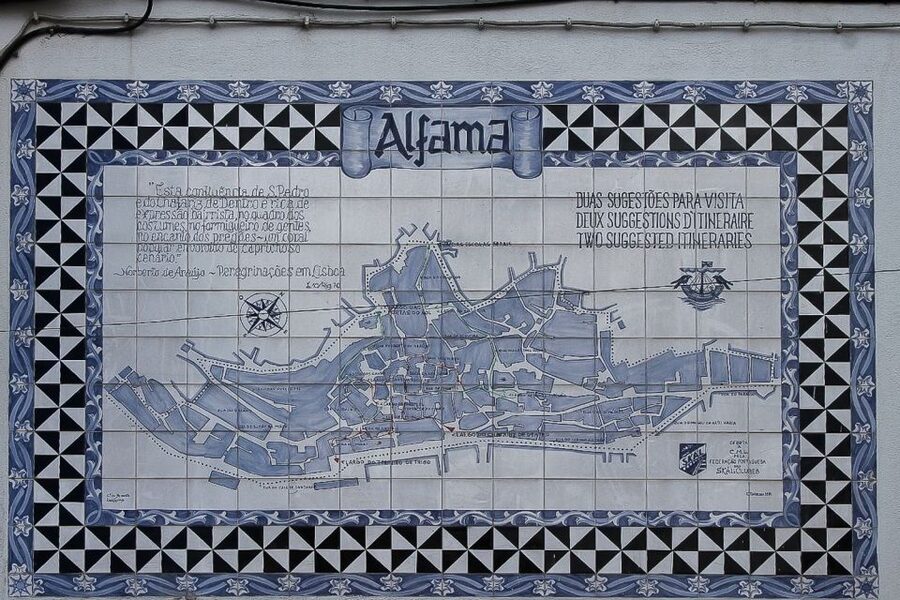
The route eventually reaches Alfama, Lisbon’s oldest neighborhood. Here, the narrow streets and older urban layout make the subject feel more immediate, even when visible evidence is limited.
You walk down Rua de Judiara, a street connected with the former Jewish presence in Alfama. This is the sort of place that can be hard to interpret without guidance. A street name alone will not explain who lived there, how the quarter functioned, or how the area changed over time.
Alfama is also where the physical demands of the tour become more noticeable. Lisbon’s oldest neighborhood is known for narrow streets and hills, and the route is described as long and challenging. Wear shoes with good support, bring weather-appropriate clothing, and do not schedule a demanding activity immediately afterward.
The walk’s limitations are part of its character. You are not moving through a neatly preserved museum quarter with every building labeled. Instead, you are following traces through a living neighborhood. Some people will find that rewarding because it requires imagination and context. Others may prefer a shorter route with more intact monuments.
Paulo Levy’s role as guide
Paulo Levy is the guide name most closely associated with this experience. His approach combines Lisbon’s history with his personal interest in Jewish identity. He recently learned about his own Jewish heritage, and that discovery has shaped the way he talks about the subject.
That personal link can make the tour feel less like a recited timeline. Paulo has been described as friendly, charming, entertaining, and passionate about both Portugal and Jewish history. You can expect stories about the city, Jewish life, and the people connected to the route rather than only formal historical information.
His local knowledge is especially useful because the tour includes places that are not obvious stops in standard city guides. A guide who understands both the historical material and the streets can help you notice how Lisbon’s Jewish story sits alongside the city’s better-known Christian and Portuguese narratives.
Guide quality always affects a walking tour, and this one depends on the person leading it. The strong emphasis on Paulo means you may want to confirm the guide at booking if his personal style is important to you. The advertised languages are English and Portuguese.
Four hours, a small group, and the real cost
The price is $165 per group of up to two people. For two people, that works out to $82.50 each. The group can include up to eight participants, but the stated price covers a group of up to two, so check the final cost for a larger party before booking.
That price is not a bargain basement walking tour. It includes a private guide for a small group, the four-hour walk, and entrance to Shaare Tikva Synagogue. The value comes from the time spent with a specialist guide and from covering several parts of Lisbon rather than visiting one site and leaving.
I would consider it good value for a couple or pair of friends who want a focused Jewish-history experience and prefer conversation with a guide. It is less attractive if you want a very short introduction, a low-cost group stroll, or a tour built around food and general sightseeing.
The four-hour length gives Paulo room to explain the setting, pause at important sites, and tell the stories behind the names. It also means you should treat the tour as a major half-day activity. Lunch is not included, and any food, drinks, or other purchases are your responsibility.
One practical perk is skip-the-ticket-line access. Since synagogue entry is included, that can reduce waiting and keep the focus on the visit. Still, the main benefit is the guide, not a fast entry alone.
Who will get the most from this walk
I would recommend this tour most strongly to you if you have a personal or family connection to Sephardic Jewish history, enjoy urban history, or want to see Lisbon through a viewpoint that standard sightseeing often misses.
It also suits anyone who likes a guide who can tell stories about people, not only buildings. The material covers migration, legal status, religious life, violence, rescue, and Lisbon today as a city described through tolerance and creativity.
You do not need to be an expert in Jewish history. The tour begins with broad background and then builds toward Lisbon’s specific communities and sites. That said, the four-hour length and serious subject matter may feel too heavy if your main goal is a relaxed introduction to the city.
The route is not suitable for wheelchair users or people with mobility impairments. It is also not suitable for people with heart problems. The long walk, hills, and older streets in Alfama make those restrictions important rather than minor fine print.
Tips for making the walk more comfortable
Wear comfortable walking shoes. This is the most useful advice for the tour, especially once the route reaches Alfama.
Choose modest, weather-appropriate clothing. Avoid short skirts and sleeveless shirts because they are not permitted at the synagogue.
Keep your schedule open around the four-hour route. The walk may be physically demanding, and you will get more from it if you are not watching the clock.
If you are booking for more than two people, verify the price for your full group. The listed rate is for up to two people, while the small group limit is eight.
You can cancel up to 24 hours in advance for a full refund, and the reserve-now, pay-later option lets you hold a place without paying immediately. Those terms are useful if your Lisbon plans are still shifting.
Should you book the Lisbon Jewish Sephardic Walking Tour?
Book it if you want a serious, personal look at Jewish Lisbon, and if you are prepared to walk for four hours. The synagogue visit, the 1506 Massacre, Rua de Judiara, and stories of people such as Abraham Anahory and Aristides Sousa Mendes give the route real range.
I would be especially inclined to book for two people, since the $165 group price is easier to justify when shared by a couple. Ask for Paulo Levy if available, particularly if you value a guide who brings personal interest and local stories to the subject.
Skip it if you need an accessible route, dislike long walks, or want a broad Lisbon overview with only a brief mention of Jewish history. For everyone else, this is a thoughtful way to understand how Jewish life helped shape Lisbon, disappeared from public view, and returned to the city in a new form.
FAQ
Where does the tour meet?
The meeting point is in front of Lisbon Synagogue at Rua Alexandre Herculano 59, 1250-010 Lisboa, Portugal.
How long does the tour last?
The walking tour lasts four hours.
What is included in the price?
The price includes a private guide for a small group, the walking tour, and entrance fees to Shaare Tikva, also called Lisbon Synagogue.
Is lunch included?
No. Lunch and any other items not specifically mentioned are not included.
What languages are available?
The live tour guide speaks English and Portuguese.
How large is the group?
The group is limited to eight participants. The stated price is $165 per group of up to two people.
Will I visit a synagogue?
Yes. The route includes Shaare Tikva, described as the first synagogue built in Portugal since the late 15th century.
Does the tour visit Alfama?
Yes. The route explores Alfama, Lisbon’s oldest neighborhood, including Rua de Judiara.
What should I wear?
Wear comfortable shoes, comfortable clothing, and clothing suited to the weather. Short skirts and sleeveless shirts are not allowed.
Is the tour accessible for wheelchair users?
No. The tour is not suitable for wheelchair users, people with mobility impairments, or people with heart problems.
Fresh finds around Lisbon
- Lisbon: Tuk Tuk City Tour★ 3.6 · 7 reviews
- Fatima Full day Private Tour★ 5.0 · 7 reviews
- Lisbon: Highlights and Hidden Gems Tour★ 5.0 · 7 reviews
- Private Tour to Evora and Monsaraz from Lisbon★ 5.0 · 7 reviews
- Discover Sintra Beauty with a Guided Journey from Lisbon★ 5.0 · 7 reviews
- Private Half-Day Tour to Sintra★ 3.4 · 7 reviews
- Lisbon: Sunset and Wine Catamaran Tour★ 5.0 · 7 reviews
- Nazaré: Beaches of Nazaré Guided E-Bike Tour★ 4.9 · 7 reviews
Walking Tours, compared.
Lisbon: History, Stories and Lifestyle Walking Tour
Read our review →
Best of Lisbon Small-Group Guided Walking Tour
Read our review →
Lisbon: Food and Wine Small Group Walking Tour
Read our review →
Best of Lisbon Walking Tour: Rossio, Chiado & Alfama
Read our review →
Sintra & Cascais Day Tour with Pena Palace Entry and Gardens Walk
Read our review →
Lisbon Roots – Small group Food & Culture Walking Tour w/tastings
Read our review →
Lisbon: Starter Walking Tour to the highlights in German
Read our review →Browse the lists this tour appears in