
Reviewed · COOKING CLASSES
Lisbon: Portuguese street food cooking class with Drinks
Portugal’s street food is simple, hearty, and full of character. In this two-hour class at Compadre Cooking School, you learn to make a pork bifana, caldo verde, and peixinhos da horta, the green bean fritter that helped inspire tempura. The dishes are practical enough to repeat at home, not just admire once in Lisbon.
I like the mix of hands-on cooking and food history, and I like that the class ends with a proper shared meal rather than a quick sample. Instructors such as Marta, Anna, Martha, and Roy have drawn praise for their clear guidance and good humor. The main consideration is access: the kitchen is not suitable for wheelchair users, and one participant felt the instructor sometimes took over instead of teaching.
In This Review
- Key points at a glance
- Why these three dishes make a smart Lisbon food class
- Arriving at Compadre Cooking School
- The opening talk: food with a place in Portuguese life
- Making the bifana, Portugal’s pork sandwich
- Preparing caldo verde, the class favorite for soup lovers
- Frying peixinhos da horta and the tempura connection
- Sitting down for the meal
- How much cooking do you really do?
- The $55 price and what it includes
- Who should book this cooking class?
- Practical tips before you go
- Should you book it?
- FAQ
- How long does the Portuguese street food cooking class last?
- Where does the class meet?
- What dishes will I prepare?
- Is the class taught in English?
- Do I need cooking experience?
- What food and drinks are included?
- Can the recipes be adapted for dietary needs?
- Is the class accessible to wheelchair users?
- What should I bring?
Key points at a glance
- Three Portuguese classics: Prepare bifana, caldo verde, and peixinhos da horta, with recipes built around everyday ingredients.
- A meal, not just a lesson: Sit down together and eat the food you have prepared, with a glass of red or white wine.
- Useful cultural context: Learn how these dishes fit into Portuguese snack-bar life, festivals, and home cooking.
- Friendly English instruction: The class is taught in English by local chefs, including instructors named Marta, Anna, Martha, and Roy.
- Good value for food lovers: At $55 per person, ingredients, instruction, the shared meal, wine, and Ginja are included.
- Bring the right shoes: Wear comfortable clothing and closed, practical shoes for kitchen work.
Why these three dishes make a smart Lisbon food class
Many cooking classes in Portugal focus on the familiar tourist favorites: cod, egg tarts, or elaborate restaurant dishes. This class takes a more everyday route. The focus is on food you might encounter at a local snack bar, neighborhood gathering, or festival.
The bifana is the star for meat eaters. It is a pork sandwich, but its appeal comes from the seasoning and the way a few plain ingredients become something satisfying and distinctly Portuguese. Learning it in a kitchen gives you more than a taste. You get a recipe you can make again without needing restaurant equipment.
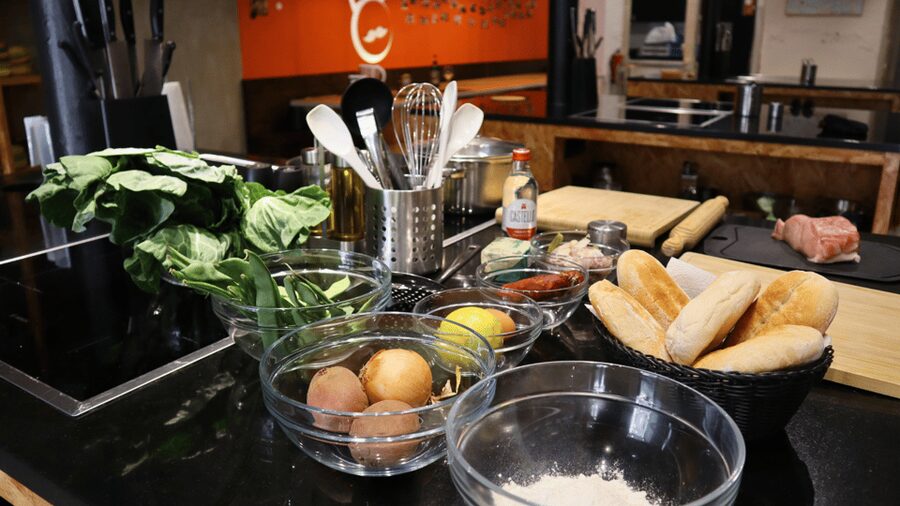
Caldo verde offers a different lesson. This traditional soup is warm, direct, and closely tied to Portuguese home cooking. You work with collard greens and learn why the dish remains such a popular comfort food. One participant especially praised the soup, so if you like simple dishes that depend on good preparation rather than fancy presentation, pay close attention here.
Then there are peixinhos da horta, usually made with green beans. The name means little fish from the garden, a playful reference to their shape and appearance. The crisp fried vegetable dish is also linked to the cooking tradition that inspired tempura. That small bit of food history gives the class a wider reach: you are not just following a recipe, you are seeing how cooking ideas move between places.
More Lisbon food crawls:
- Lisbon: Pastel de Nata Baking Class
★ 4.9 · 2,106 reviews - Lisbon Small-Group Food Tour with 18 Tastings in Alfama District
★ 5.0 · 1,967 reviews - Lisbon: Baixa District Food Tour with Dinner and Drinks
★ 4.9 · 1,870 reviews
Arriving at Compadre Cooking School
The meeting point is the Compadre Cooking School kitchen in Lisbon District. You should arrive about five minutes early, enough time to settle in and get ready before the cooking begins.
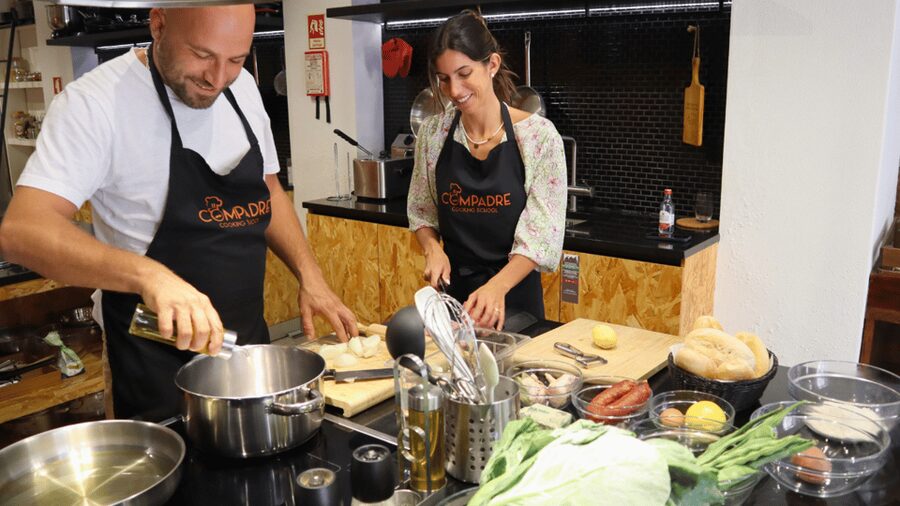
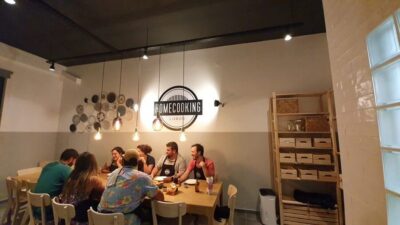
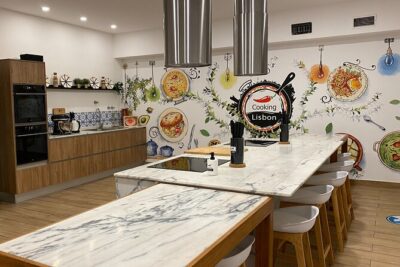
The school has been described as modern, clean, and spacious, which matters more than it may sound. A crowded or poorly arranged kitchen can turn a group class into a wait-and-watch exercise. Here, the cooking stations are set up so participants can take part in many of the steps.
Wear comfortable clothes and shoes suitable for cooking. The school specifically asks you to bring comfortable shoes, and that is practical advice for any class involving food preparation, standing, and shared work surfaces.
Transportation is not included, so you make your own way to the kitchen. The activity information does not provide a transfer service or detailed arrival directions, so check the confirmed meeting information before setting out.
The opening talk: food with a place in Portuguese life
The class begins with a short introduction to the dishes and their place in Portuguese culture. This is not meant to be a long lecture. It gives you the basic context before you start chopping, stirring, and frying.
That opening is useful because street food often looks easy to understand at first glance. A sandwich or soup can seem too simple to justify a class. The background helps you see why these foods matter. They are connected to ordinary meals, snack bars, celebrations, and shared habits, not only to formal dining.
The instructors explain the origins of the recipes and the role they play in daily life. Previous participants praised the explanations of ingredients and dish history, along with the teachers’ ability to keep the class entertaining.
English is the teaching language. Instructors named in the feedback include Marta, Anna, Martha, and Roy. The names suggest that the teaching team can vary, so you should not book this expecting one specific chef unless your reservation confirms it.
Making the bifana, Portugal’s pork sandwich
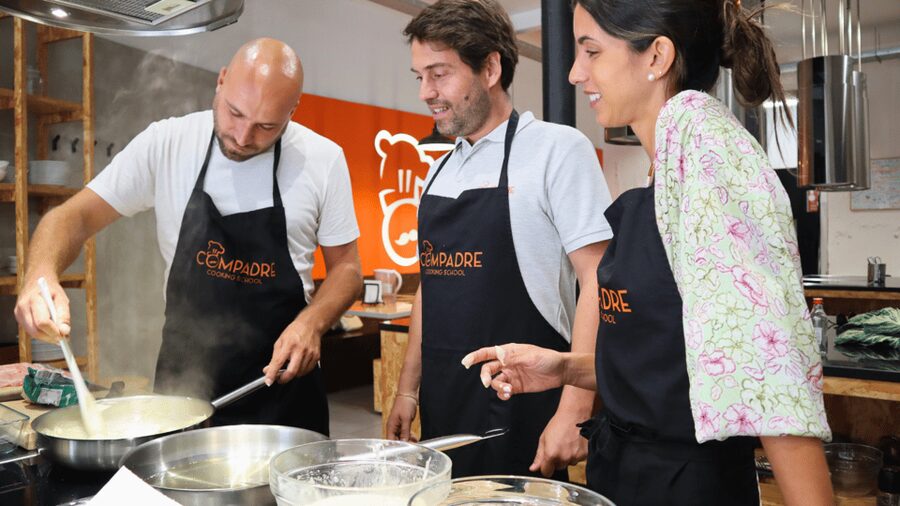
The bifana is a good first dish because it is approachable. You are not being asked to master a difficult pastry or a long list of technical steps. Instead, you learn how to turn seasoned pork and bread into one of Portugal’s best-known quick meals.
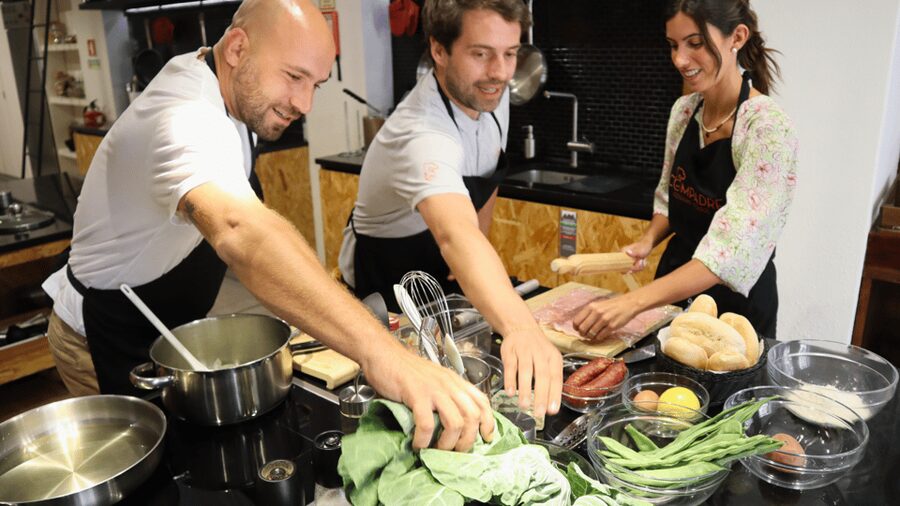
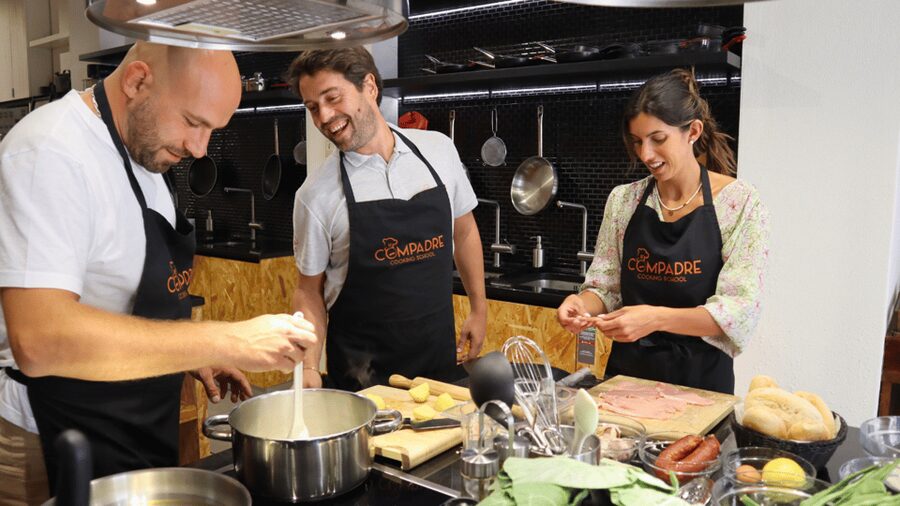
The class is designed so everyone can take part. A Canadian participant particularly appreciated that there were enough steps for the group to stay involved through most of the process. That is an important point for anyone who dislikes cooking demonstrations where one person works while everyone else watches.
You also get a sense of proportion and timing that a written recipe cannot always provide. The chef can show you how the ingredients should look as they come together, then correct small mistakes before they affect the final meal.
The bifana is likely to appeal most to adventurous eaters who want a taste of ordinary Portuguese food rather than a polished restaurant version. If you do not eat pork, contact the school in advance. The recipes can be adapted for specific diets, but you should arrange that before class rather than assume changes can be made on arrival.
A handful more Lisbon ideas to compare
- Lisbon: Traditional Portuguese Cooking Class
★ 4.9 · 592 reviews - Lisbon: 2-Hour Pastel de Nata Cooking Class
★ 4.8 · 461 reviews - Lisbon Portuguese Cooking Class with 3-Course Dinner
★ 5.0 · 445 reviews - Traditional Portuguese Cooking Class in Lisbon
★ 5.0 · 287 reviews
Preparing caldo verde, the class favorite for soup lovers
Caldo verde is a traditional Portuguese soup made with collard greens. Its ingredient list is not long, yet the dish teaches an important lesson: humble food can be deeply satisfying when the preparation is right.
You learn how the greens fit into the soup and how the dish is built as a whole. This is the kind of recipe that can earn a place in your regular kitchen routine, especially on a cool evening when you want something warm without a complicated shopping list.
Several participants singled out the caldo verde as their favorite part of the meal. That makes sense for anyone who appreciates food that feels connected to home cooking. It is also the best dish in the class for showing that Portuguese cuisine is not only about seafood, custard pastries, or salted cod.
The soup adds balance to the meal. The bifana brings meat and bread, while the peixinhos da horta bring a crisp, fried element. Caldo verde gives you something spoonable and comforting between them.
Frying peixinhos da horta and the tempura connection
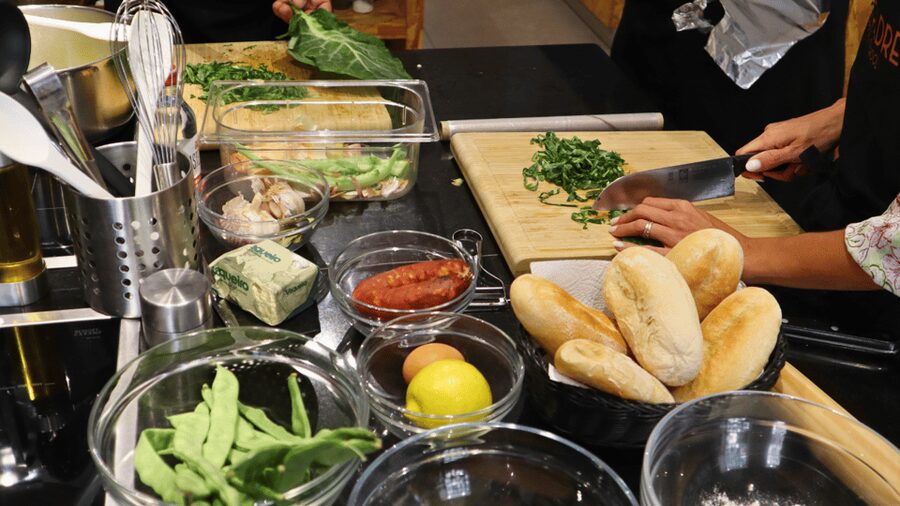
Peixinhos da horta may be the most interesting dish for food-history fans. These battered green beans are a Portuguese classic, and the cooking tradition is associated with the origin of tempura.
That does not turn the class into a lecture on international culinary history. Instead, it gives a familiar modern food a surprising connection to Portugal. You can taste how a straightforward vegetable dish becomes crisp, savory, and suitable for sharing.
Frying also adds a bit more action to the class. You need to follow the chef’s instructions and pay attention to the process. The aim is not restaurant-level technical training, but the guidance helps you understand how to reproduce the dish safely and successfully at home.
If you prefer lighter food, keep in mind that this is a street-food class, not a wellness workshop. The meal includes a sandwich, soup, and fried vegetables. That is part of its appeal, but it may not suit someone seeking a low-fat or highly specialized menu. Again, contact the school about dietary needs before booking.
Sitting down for the meal
Once the cooking is finished, the group sits together and eats the prepared dishes. This shared meal is one of the strongest parts of the experience because it gives the class a natural finish.
You are not simply handed a small plate and sent on your way. You taste the complete meal, compare impressions, and have time to talk with the other participants. That social element is especially useful for solo visitors or couples who want an easy way to meet people without joining a large sightseeing group.
The food is served with a glass of wine, red or white. At the end, you taste Ginja, Portugal’s traditional cherry liqueur. The drink adds a distinctly local finish and helps turn the cooking lesson into a broader introduction to Portuguese food customs.
Additional drinks are not included, so the listed wine and Ginja are the included alcohol. Smoking, drugs, and outside alcohol are not allowed. If you do not drink, the activity details do not specify a nonalcoholic replacement, so ask the provider ahead of time.
How much cooking do you really do?
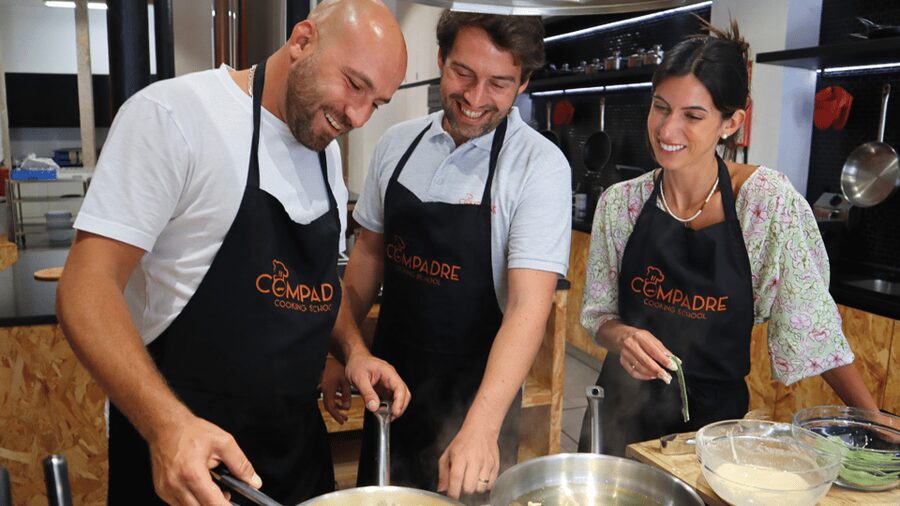
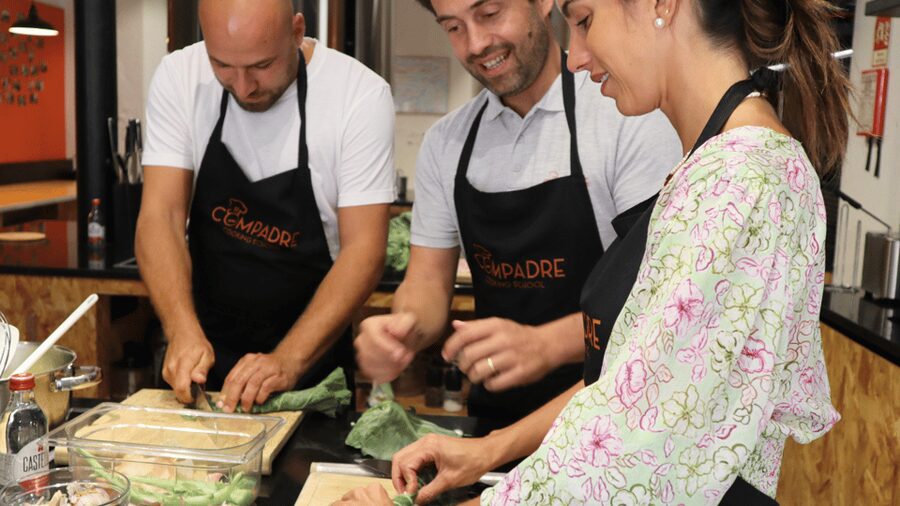
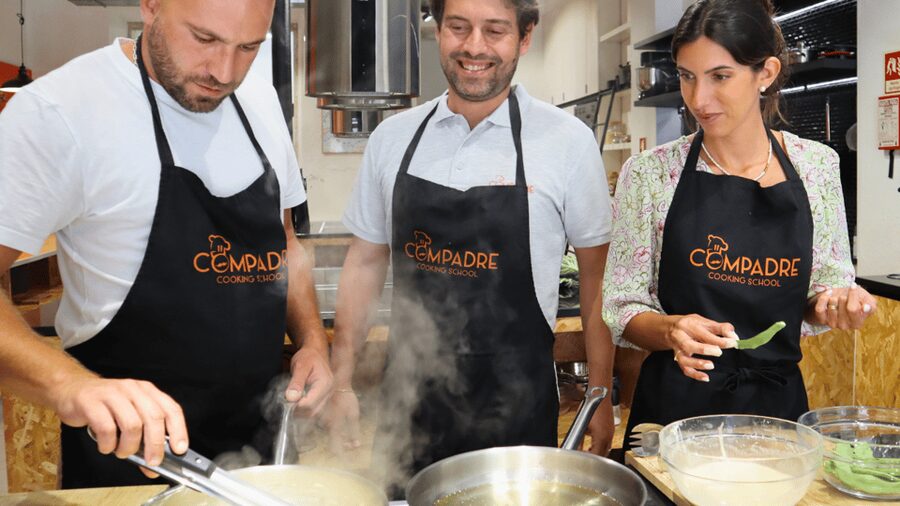
The class is presented as hands-on, and the feedback supports that. You should expect to work alongside the other participants, with the chef directing the group and helping with each recipe.
That said, a group cooking class is not private instruction. You may share tasks, and some moments will involve watching the chef explain or demonstrate a step. One participant felt that Anna occasionally did too much of the work instead of teaching. It is a minor criticism, but a useful reminder that the amount of individual practice can depend on the group and the instructor.
Most of the feedback points in the other direction. Participants praised the clean work areas, professional cooking stations, simple recipes, and the chance to stay involved through much of the process. If your main goal is to learn a few practical Portuguese recipes in a social setting, the format should suit you well.
If you want intensive one-to-one coaching, advanced knife skills, or a long technical lesson, this is not that kind of class. Two hours is enough for an enjoyable introduction, not a full culinary course.
The $55 price and what it includes
The cost is $55 per person. For a two-hour activity, that is a fair price when you count the ingredients, chef instruction, the three prepared dishes, the shared meal, a glass of wine, and the Ginja tasting.
The value is strongest if you want a full meal as part of the experience. You are not paying only for a demonstration or a token tasting. You eat what the group makes, and you leave with recipes that are simple enough to repeat at home.
The price is less compelling if you are mainly looking for a cheap lunch. A local snack bar will cost less and give you a quicker taste of Portuguese street food. The class earns its price through the instruction, the cultural background, the social setting, and the chance to cook rather than simply order.
The reserve-now, pay-later option also gives you some flexibility when planning. You can book your place without paying immediately, and free cancellation is available up to 24 hours before the class for a full refund.
Who should book this cooking class?
I would choose this class for food-focused visitors who want something more active than a restaurant meal. It works well for couples, friends, solo visitors, and anyone who enjoys meeting people around a table.
It is also a good choice for cooks at different skill levels. No prior cooking experience is needed, and the recipes are not presented as difficult projects. At the same time, experienced home cooks can enjoy the cultural background and take home a few new ideas.
Families and groups should think about the two-hour format and the kitchen setting. The supplied information does not specify a minimum age, child policy, or group size, so ask before booking if those details matter to you.
You should skip it if you need wheelchair access, since the class is not suitable for wheelchair users. You may also want another activity if you dislike shared meals, group cooking, or traditional dishes that include pork and fried vegetables.
Practical tips before you go
Contact the school ahead of time if you have a specific diet. The recipes can be adapted, but the adjustment needs to be discussed in advance.
Arrive five minutes early. That short margin helps you find the kitchen, put on suitable clothing, and begin without feeling rushed.
Wear comfortable shoes and clothes that work in a cooking environment. You do not need special equipment, since ingredients and chef guidance are included.
Do not count on transportation, since getting to and from the kitchen is not part of the activity. Also remember that only the stated wine and Ginja tasting are included, so additional drinks cost extra.
Should you book it?
Book this class if you want to cook everyday Portuguese food, hear the stories behind it, and finish with a relaxed meal and local drinks. The combination of bifana, caldo verde, and peixinhos da horta gives you a broader taste of Portugal than a class focused on one famous dish.
At $55, it offers solid value for a two-hour lesson with food, wine, and Ginja included. I would be most likely to recommend it to curious eaters who want recipes they can recreate at home, especially if the chance to share a meal with new people sounds appealing.
Think twice if you need full accessibility, want private coaching, or prefer a quiet tasting rather than group participation. For everyone else, this is a practical, friendly way to spend part of a Lisbon day, with food that feels more local and useful than a souvenir pastry.
FAQ
How long does the Portuguese street food cooking class last?
The class lasts two hours.
Where does the class meet?
It meets at the Compadre Cooking School kitchen in Lisbon District, Portugal.
What dishes will I prepare?
You will learn to prepare bifana, a Portuguese pork sandwich, caldo verde, a traditional collard greens soup, and peixinhos da horta, a fried green bean dish.
Is the class taught in English?
Yes. The listed teaching language is English.
Do I need cooking experience?
No. The class is designed for beginners, and no prior cooking experience is needed.
What food and drinks are included?
The ingredients, chef guidance, shared meal, one glass of red or white wine, and a tasting of Ginja cherry liqueur are included. Additional drinks are not included.
Can the recipes be adapted for dietary needs?
Yes. The school says it can adapt recipes for specific diets, but you should contact the provider in advance.
Is the class accessible to wheelchair users?
No. The activity is not suitable for wheelchair users.
What should I bring?
Bring comfortable shoes and wear comfortable clothing suitable for cooking. Arrive five minutes early.
More Workshops in Lisbon
- Pastel de Nata Pastry Class: Bake and Enjoy Your Own Treats
★ 5.0 · 485 reviews - Lisbon: Azulejos’ Design Create Your Own Tile Workshop
★ 4.9 · 420 reviews - Lisbon: Surfing Lesson on Costa de Caparica Beach
★ 5.0 · 322 reviews - Lisbon: 1.5-Hour Surf Lesson
★ 4.8 · 257 reviews
Fresh finds around Lisbon
- Lisbon: Tuk Tuk City Tour★ 3.6 · 7 reviews
- Fatima Full day Private Tour★ 5.0 · 7 reviews
- Lisbon: Highlights and Hidden Gems Tour★ 5.0 · 7 reviews
- Private Tour to Evora and Monsaraz from Lisbon★ 5.0 · 7 reviews
- Discover Sintra Beauty with a Guided Journey from Lisbon★ 5.0 · 7 reviews
- Private Half-Day Tour to Sintra★ 3.4 · 7 reviews
- Lisbon: Sunset and Wine Catamaran Tour★ 5.0 · 7 reviews
- Nazaré: Beaches of Nazaré Guided E-Bike Tour★ 4.9 · 7 reviews
Cooking Classes, compared.
Lisbon Portuguese Cooking Class with 3-Course Dinner
Read our review →
Traditional Portuguese Cooking Class in Lisbon
Read our review →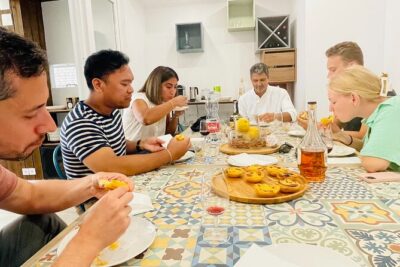

Browse the lists this tour appears in