
Reviewed · COOKING CLASSES
Lisbon: Pasteis de Nata Baking Class
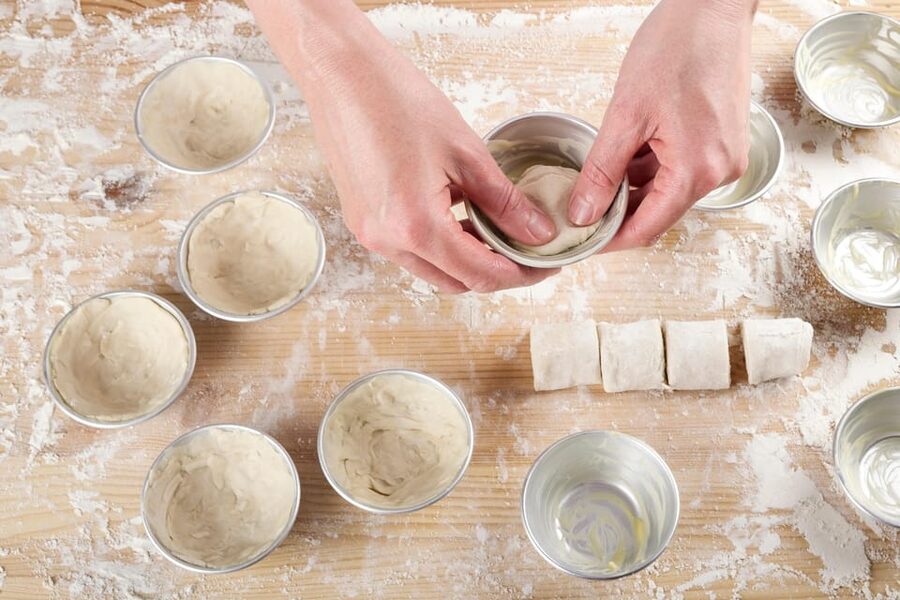
Lisbon’s famous custard tart is easy to buy and surprisingly fun to make. This two-hour pastéis de nata class takes you into a private courtyard kitchen in the neighborhood where the pastry was created, then puts you to work with dough, custard, and plenty of hands-on guidance from chef Miguel.
I like the small maximum of eight, which gives you room to ask questions, and I like that you make the pastry from scratch instead of simply filling pre-made shells. The warm tarts, coffee or tea, and one alcoholic drink make the tasting feel like part of the lesson, not an afterthought.
The main consideration is the price: at $76 per person, this costs more than a bakery stop. You are paying for instruction, ingredients, a social setting, and the chance to make the pastry yourself, so it is best for curious food lovers rather than anyone seeking only a cheap snack.
In This Review
- Key points at a glance
- Why pastéis de nata are worth learning in Lisbon
- Finding the studio behind the green gate
- The first steps: dough, custard, and practical instruction
- Miguel’s teaching style keeps the class easygoing
- A small group changes the experience
- Waiting for the oven is part of the lesson
- Eating your own warm pastéis de nata
- Is $76 a fair price?
- Timing, language, and access
- Who will enjoy this class most?
- Practical tips before you go
- Should you book the Lisbon pastéis de nata class?
- FAQ
- How long does the pastéis de nata class last?
- How many people can join the class?
- Is the class offered in English?
- What is included with the class?
- Is hotel pickup provided?
- Can I cancel for a refund?
Key points at a glance
- Make the pastry and custard from scratch: This is a real baking lesson, not just a demonstration.
- Chef Miguel leads the class: Expect patient, relaxed instruction in English or Portuguese.
- Groups are capped at eight: The small class size allows for questions and individual help.
- Taste the finished tarts on site: Pair your baking with coffee, tea, water, and one alcoholic drink.
- Morning or afternoon start times: The two-hour format fits neatly around sightseeing.
- Find the green gate: The kitchen sits inside a private yard, so follow the meeting instructions closely.
Why pastéis de nata are worth learning in Lisbon

Pastéis de nata are among Portugal’s most recognizable foods. You will see them in bakeries across Lisbon, usually served warm with a browned custard top and a crisp, folded pastry shell.
Buying one takes seconds. Learning how the layers and filling come together gives you a better sense of why the pastry tastes the way it does. The class focuses on the traditional craft, including the pastry itself, rather than treating the tart as a simple dessert assembled from ready-made parts.
I like this kind of food activity because it connects a familiar sight on a bakery counter with the work behind it. You are not just sampling another local specialty. You are learning a technique you can try again at home, even if your first batch is not quite bakery-perfect.
The class takes place in the quarter where pastéis de nata were created. The exact character of the surrounding streets matters here: one attendee described the approach through a quaint, culturally appealing neighborhood, while another noted the peaceful street and easy access from central Lisbon by bus or ride-hailing service.
More Lisbon food crawls:
- Lisbon: Pastel de Nata Baking Class
★ 4.9 · 2,106 reviews - Lisbon Small-Group Food Tour with 18 Tastings in Alfama District
★ 5.0 · 1,967 reviews - Lisbon: Baixa District Food Tour with Dinner and Drinks
★ 4.9 · 1,870 reviews
Finding the studio behind the green gate
The meeting point is not described as a large storefront. Lisboa Food Studio’s kitchen is inside a private yard, and the entrance is marked by a green gate.
That detail is useful. Give yourself enough time to find the entrance, especially if you are arriving by bus or car. Look for the green gate rather than expecting a prominent restaurant sign. The private-yard setting helps the class feel like a working local kitchen instead of a polished tourist attraction, but it also means you should pay close attention to the arrival instructions.
Hotel pickup and drop-off are not included. You arrange your own way to the meeting point, which keeps the price focused on the class itself but adds a little planning before you arrive.
The first steps: dough, custard, and practical instruction
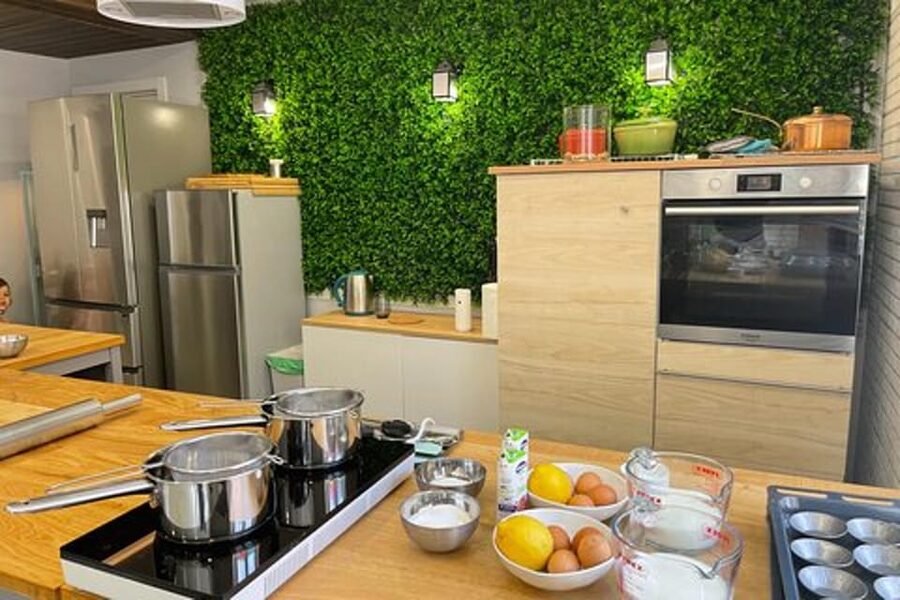
Once inside, you can expect the ingredients and work area to be ready. The kitchen has repeatedly been described as clean, organized, and comfortable, with the equipment prepared before the class begins.
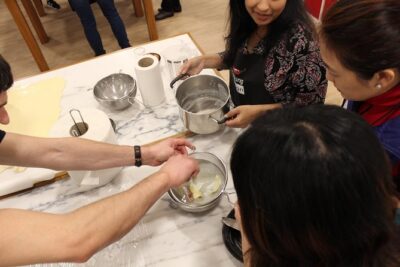
The lesson covers the full process. You work on the pastry and the custard, following Miguel’s instructions step by step. The point is not only to mix ingredients. It is to understand how the components behave and why each stage matters.
The pastry is the part many home bakers will find most useful. A good pastel de nata needs a crisp, flaky shell that can hold the soft custard without collapsing. The class gives you a chance to handle that process directly, with Miguel correcting or explaining as you go.
The custard requires care as well. The creamy center is what makes the tart distinct from an ordinary puff pastry dessert. You learn how the filling is prepared and how it is combined with the pastry before baking.
The format suits beginners. You do not need to arrive with professional baking skills. The instruction is designed for people who want a clear introduction, and the relaxed pace leaves room for questions. At the same time, experienced bakers should find enough detail in the pastry work and Portuguese approach to make the session worthwhile.
Miguel’s teaching style keeps the class easygoing
The strongest feature of this experience is the instructor. Miguel is described as friendly, patient, organized, encouraging, and entertaining. Those qualities matter in a baking class because timing and technique can feel intimidating when everyone is watching the oven clock.
His approach appears to be relaxed rather than rigid. You can ask questions while working, and the class leaves room for conversation without turning into a lecture. One account described the pace as neither too fast nor too slow, which is exactly what you want when the pastry requires several stages.
The class also works well for solo participants. A solo visitor can join the small group and still take part in the social side of the activity without needing to bring a partner. Couples, families, and groups of friends can work together, while a group of eight can use the class as a shared food activity or team event.
I would choose this class if you value contact with a real instructor. If you prefer a quiet, self-guided cooking experience, the conversation and shared work may feel more social than expected. For most people, that is part of the appeal.
A handful more Lisbon ideas to compare
- Lisbon: Traditional Portuguese Cooking Class
★ 4.9 · 592 reviews - Lisbon: 2-Hour Pastel de Nata Cooking Class
★ 4.8 · 461 reviews - Lisbon Portuguese Cooking Class with 3-Course Dinner
★ 5.0 · 445 reviews - Traditional Portuguese Cooking Class in Lisbon
★ 5.0 · 287 reviews
A small group changes the experience
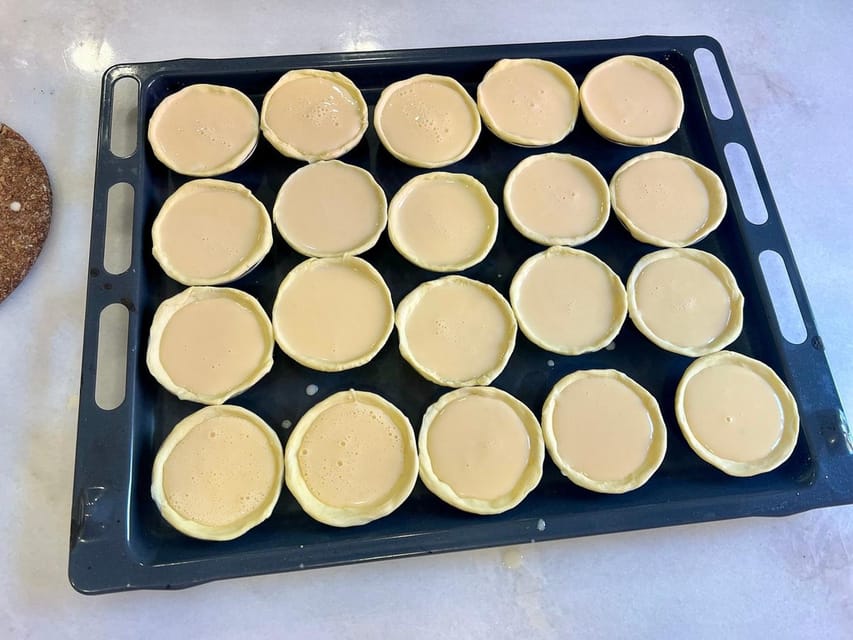
The group limit is eight people. That is small enough for Miguel to move around the kitchen, check your work, and answer questions without leaving you waiting for long stretches.
The class may also involve pairs working together. This can make the activity more social and practical, especially when handling ingredients or preparing several tarts at once. If you are booking alone, you may be paired with another participant. That is worth keeping in mind if you want a private lesson.
A private class is possible in some circumstances, as one two-person booking received a private session. Still, you should not assume privacy unless your booking specifically confirms it. The standard format is a small group, not necessarily a private class.
The limited size also affects the atmosphere. You can chat with the other people in the kitchen while the tarts bake, compare how your pastry looks, and share a table at the end. It is a pleasant way to meet people without committing to a long food tour.
Waiting for the oven is part of the lesson
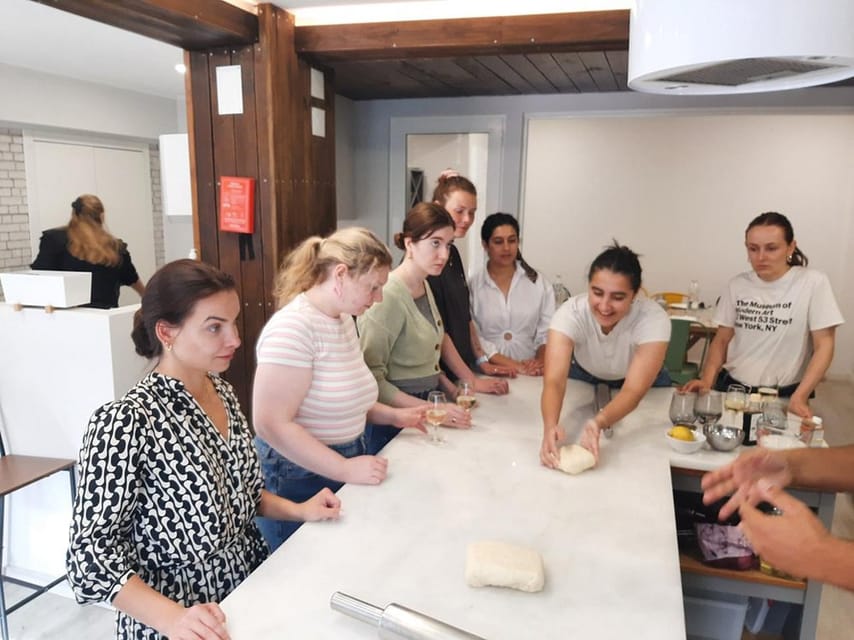
While the tarts bake, the class shifts from active preparation to conversation and tasting. You learn a little about the history of the pastry and have a drink.
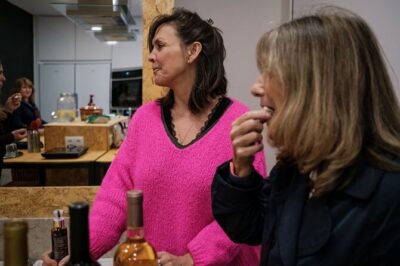
Coffee and tea are included, along with bottled water and one alcoholic beverage. The alcoholic option has been enjoyed as port or Portuguese liqueur, depending on the session. If you do not drink alcohol, the included coffee, tea, and water still cover the basic refreshment.
This pause gives the class a natural rhythm. You have time to look at the results, talk with the group, and let the instructor explain more about the delicacy. It also means the two hours are not two straight hours of intense work, which makes the activity manageable after a morning of sightseeing.
Eating your own warm pastéis de nata
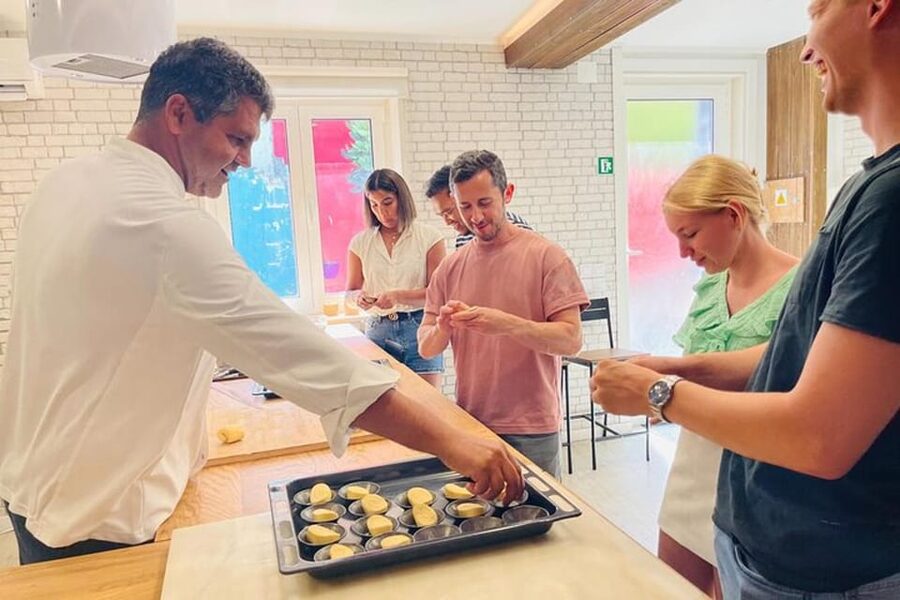
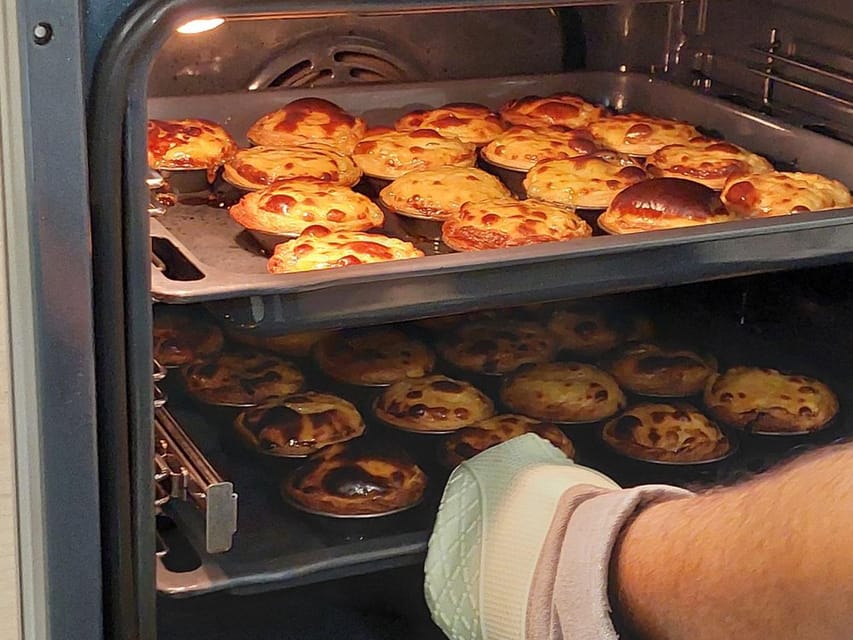
The best part comes when the tarts leave the oven. You taste the pastéis de nata you made, ideally while they are still warm.
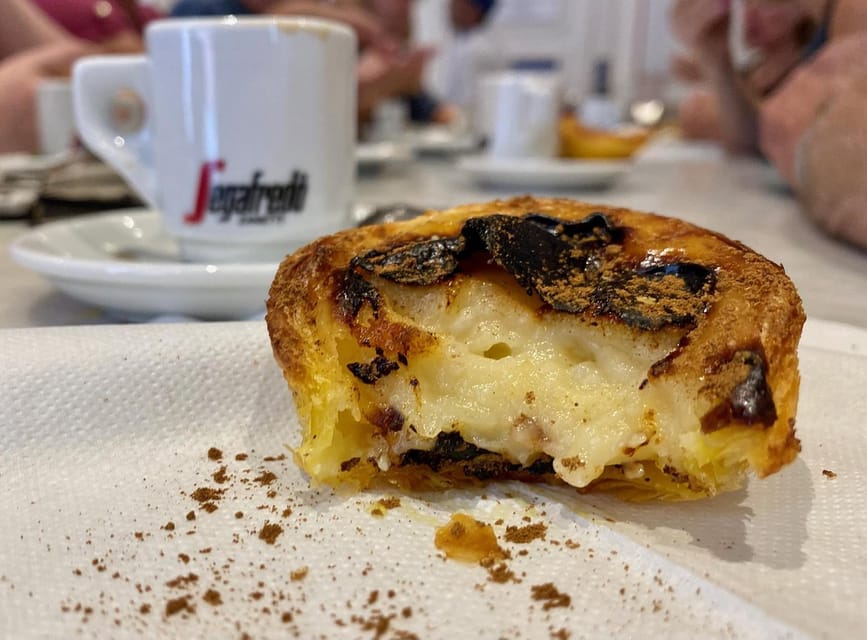
The finished pastry gives you a useful comparison with the many versions you will find around Lisbon. You can see how the crisp shell, creamy center, and browned surface work together. Even if your edges are uneven, the result is personal, and the tasting becomes a proper reward for the work.
Several details make the ending generous. You receive your own pastéis de nata, and the class can provide extras to take away. Some participants have left with a box of remaining tarts, while one account described making about five per person when working in pairs. The exact amount may depend on the session, so think of takeaway pastries as a welcome bonus rather than a guaranteed fixed quantity.
Bring a way to carry them carefully if you hope to save some for later. The information provided does not specify special packaging beyond accounts of a box being supplied, so ask at the class if you need to transport them for several hours.
Is $76 a fair price?
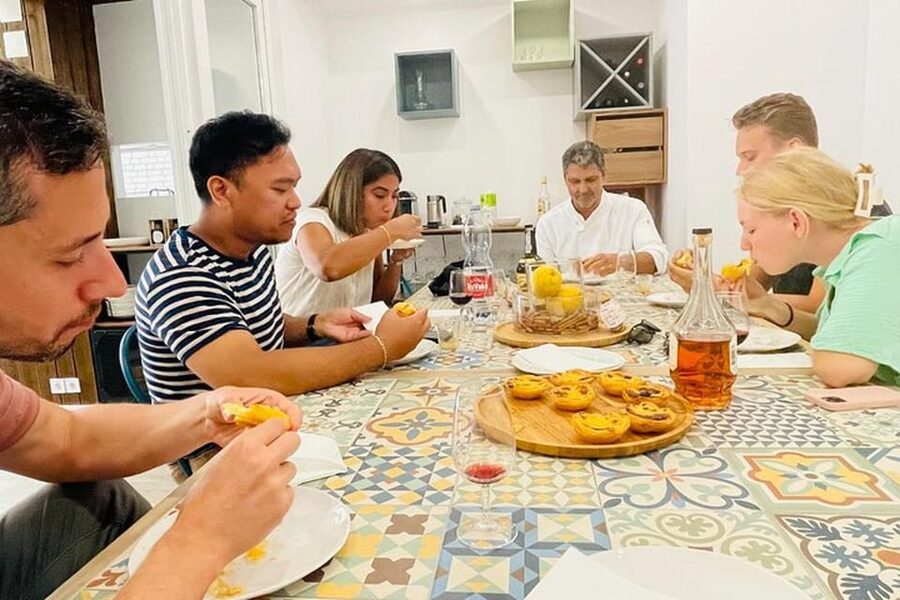
At $76 per person, this is not the cheapest way to eat a pastel de nata in Lisbon. Bakeries offer the pastry for a fraction of that price, and you can sample several versions during an ordinary walk around town.
The value comes from the activity rather than the food alone. Your fee covers two hours of instruction, ingredients, use of the kitchen, your own baked goods, drinks, and a small class where you can receive personal help. You also leave with a method you can try at home.
I think the cost is reasonable for visitors who would otherwise book a cooking class or food workshop. It is less convincing for someone who simply wants to taste the pastry. The difference is simple: pay for the lesson if you want to understand the craft, not just consume the result.
The short duration helps the value. You are not giving up a full day, and the morning or afternoon choices make it easy to fit the class between museum visits, shopping, or time in another part of Lisbon.
Timing, language, and access
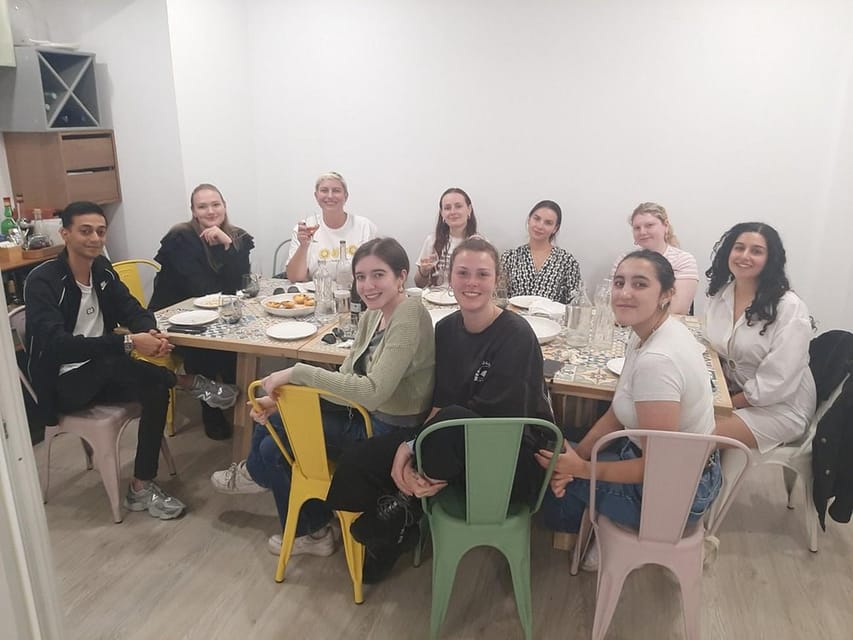
The class lasts two hours, with morning and afternoon start times available. Check the current start times when booking, since the provided details do not list exact hours.
Instruction is offered in English and Portuguese. That makes the class accessible to English-speaking visitors, while Portuguese speakers can take part in the language of the host and kitchen.
The activity is listed as wheelchair accessible. Since the kitchen is inside a private yard, you may still want to confirm the specific access arrangements if you have detailed mobility needs. The published information supports wheelchair access, but it does not describe the route through the entrance or the kitchen layout.
Free cancellation is available up to 24 hours before the class for a full refund. You can also reserve and pay later, which helps if your Lisbon plans are still shifting.
Who will enjoy this class most?
I would recommend it to:
- Food lovers who want more than a bakery tasting.
- First-time bakers who prefer patient guidance and a manageable recipe.
- Couples looking for a shared activity with a tasty finish.
- Solo visitors who enjoy meeting a small group in a relaxed setting.
- Families and friends who want a hands-on break from sightseeing.
- Experienced cooks curious about the traditional Portuguese pastry method.
It may not suit you if your schedule is packed or if you dislike working in pairs. The class is also a weaker value if you have no interest in learning how the pastry is made. Lisbon offers plenty of excellent places to eat pastéis de nata without booking a lesson.
Practical tips before you go
Read the arrival directions carefully and look for the green gate. The private-yard entrance is the sort of place that can be easy to miss if you arrive expecting a large sign.
Choose the morning session if you want to keep the afternoon open for sightseeing. Choose the afternoon if you prefer a slower start and want a food-focused break later in the day.
Wear clothes that are comfortable for kitchen work. The supplied information does not specify a dress code, but baking is more enjoyable when you are not worried about sleeves or footwear.
If you are booking for a group, remember that eight is the maximum. A full group can make the experience lively, while a smaller group may feel more intimate and allow more individual conversation with Miguel.
Finally, plan for the possibility of taking pastries away. You may finish with more than you can eat on the spot, and these are best treated gently rather than tossed into a crowded day bag.
Should you book the Lisbon pastéis de nata class?
Book this experience if you want a hands-on taste of Portuguese food culture, enjoy friendly instruction, and have two hours to spare. Miguel’s patient style, the clean kitchen, the small group, and the chance to make the pastry from scratch give the class more substance than a simple dessert stop.
Skip it if your main goal is the lowest-cost pastel de nata in Lisbon, or if you prefer sightseeing without scheduled activities. For everyone else, $76 buys a useful skill, a warm tasting, drinks, and a pleasant memory in the part of Lisbon connected with the pastry’s origins.
FAQ
How long does the pastéis de nata class last?
The class lasts two hours.
How many people can join the class?
The group is limited to a maximum of eight participants.
Is the class offered in English?
Yes. Instruction is available in English and Portuguese.
What is included with the class?
The experience includes the pastry-making lesson, an instructor, your own pastéis de nata, coffee, tea, one alcoholic beverage, and bottled water.
Is hotel pickup provided?
No. Hotel pickup and drop-off are not included, so you must make your own way to the meeting point.
Can I cancel for a refund?
Yes. You can cancel up to 24 hours in advance for a full refund. You can also reserve now and pay later.
More Workshops in Lisbon
- Pastel de Nata Pastry Class: Bake and Enjoy Your Own Treats
★ 5.0 · 485 reviews - Lisbon: Azulejos’ Design Create Your Own Tile Workshop
★ 4.9 · 420 reviews - Lisbon: Surfing Lesson on Costa de Caparica Beach
★ 5.0 · 322 reviews - Lisbon: 1.5-Hour Surf Lesson
★ 4.8 · 257 reviews
Fresh finds around Lisbon
- Sanctuary of Fátima and Coimbra City Tour★ 4.5 · 51 reviews
- Sintra/Lisbon: Sintra & Quinta da Regaleira Tour with Ticket★ 4.4 · 51 reviews
- Jeronimos Monastery Guided Tour – Small Groups – Tickets Included★ 5.0 · 51 reviews
- Lisbon: Private Christmas Lights Tour by Eco Tuk Tuk★ 4.9 · 51 reviews
- Peniche: Berlengas Island Catamaran Tour – Round Trip★ 4.6 · 51 reviews
- Half day Spa Water Therapy experience at THE SPA at Corinthia Lisbon★ 4.5 · 51 reviews
- Lisbon: Private Tuk-Tuk Tour for 2 hours★ 4.7 · 51 reviews
- Premium Lisbon Airport Transfer to Lisbon★ 5.0 · 51 reviews
Cooking Classes, compared.

Lisbon Portuguese Cooking Class with 3-Course Dinner
Read our review →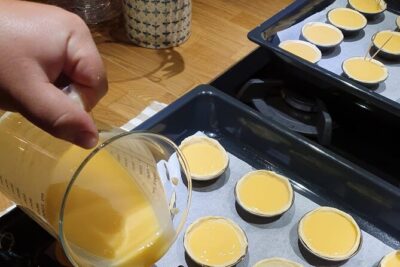
Traditional Portuguese Cooking Class in Lisbon
Read our review →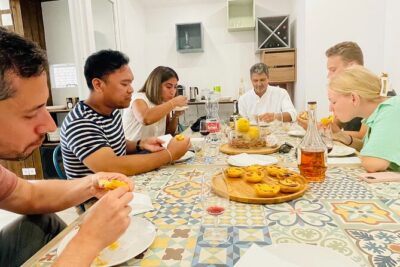
Browse the lists this tour appears in