Reviewed · TOURS
Lisbon Old town Tour
Lisbon’s old town makes the most sense on foot, and this tour takes you from Praça do Comércio into Alfama’s steep, twisting lanes, ending at the broad view from Portas do Sol. Along the way, you get a clear thread through royal power, the 1755 earthquake, church architecture, neighborhood life, and fado.
I like two things right away: the small-group limit of 15, which makes questions easier, and the route’s useful shape. You begin in the open center of Lisbon and finish high above Alfama, so the walk feels like a story rather than a string of unrelated stops.
The main drawback is the terrain. Alfama means slopes, stairs, and uneven streets, and the tour asks for moderate fitness. On a hot day, the climb can be tiring, although guides such as José have been praised for choosing shade when possible and keeping the pace comfortable.
In This Review
- Key points to know before you book
- Starting at Praça do Comércio, Lisbon’s old power center
- Manueline stonework at Conceição Velha
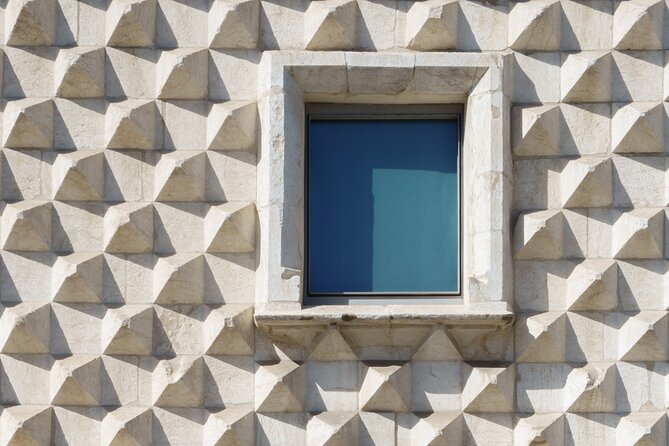
- Casa dos Bicos and the earthquake of 1755
- Lisbon Cathedral, the oldest church on the route
- Entering Alfama through steep, maze-like streets
- Igreja de São Miguel and the center of Alfama
- Largo do Chafariz de Dentro and Alfama’s social life
- Portas do Sol, the rewarding finish
- What the guides add to the walk
- Is $29.96 a fair price?
- Who should book this Alfama walk?
- Should you book the Lisbon Old Town Tour?
- FAQ
- How long does the Lisbon Old Town Tour last?
- What time does the tour start?
- Where does the tour begin?
- Where does the tour end?
- What language is the tour offered in?
- How many people can join the tour?
- Is admission to the sights included?
- Who leads the tour?
- Is the tour suitable for people with limited fitness?
- What happens if it rains?
- Can I cancel for a full refund?
Key points to know before you book
- The route connects major sights with Alfama’s back streets, rather than focusing only on famous buildings.
- A professional art historian guide leads the walk, with José, Hugo, and Pedro named by past participants as engaging guides.
- The tour ends at Portas do Sol, one of the best points for looking across Alfama and the old city.
- Groups are capped at 15 people or fewer, a useful size for a walking tour through narrow lanes.
- The walk covers Lisbon’s 1755 earthquake, Manueline architecture, churches, and fado culture in about two to three hours.
- You pay about $29.96 per person, which is fair if you want context and orientation rather than simply a guided stroll.
Starting at Praça do Comércio, Lisbon’s old power center
The tour begins at 10:00 a.m. outside Cervejaria Antártida, at the western side of the former royal palace area on Praça do Comércio. The square is officially Praça do Comércio, though many people still call it Terreiro do Paço, or Palace Square.
This is a smart starting point. The broad riverside plaza gives your guide room to explain Lisbon before the route tightens into Alfama. It was the city’s center of power, and its open scale helps you understand how different the older neighborhood will feel just a few minutes later.
You spend about 20 minutes here, with no admission charge. That time should give you a useful introduction to the city’s political and urban story. It also lets you settle into the group before the walking becomes more demanding.
The meeting point is easy to place near public transportation, but the address is long and specific: Cervejaria Antártida Lisboa, Ala Poente do Palácio Real, Praça do Comércio, R. C 20-23. I would arrive early and confirm you are at the western side of the square, since a large plaza can make a precise meeting point less obvious than it sounds.
A handful more Lisbon ideas to compare
- Lisbon City Center Tour – The Unmissable Lisbon
★ 5.0 · 22,234 reviews - Lisbon: Sintra, Pena, Regaleira, Cabo da Roca & Cascais
★ 4.7 · 19,656 reviews - Lisbon: Jerónimos Monastery Entrance Ticket
★ 4.1 · 14,164 reviews
Manueline stonework at Conceição Velha
The first short architectural stop is Igreja de Nossa Senhora da Conceição Velha. You have about five minutes here, with free admission listed for the visit.
The draw is Manueline architecture, Portugal’s highly decorated style associated with the reign of King Manuel I. You should not expect a long church visit at this point. Instead, the stop gives your guide a chance to point out details and explain how Portugal’s power and wealth found expression in stone.
Five minutes is brief, but that is part of the tour’s design. You are moving through a neighborhood, not spending the morning inside one monument. If you prefer long, quiet visits to churches, this may feel rushed. If you want a compact overview before exploring independently, it works well.
Casa dos Bicos and the earthquake of 1755
The walk continues to Casa dos Bicos, now associated with the Lisbon Museum. The building receives about five minutes, and the main subject is its survival of the 1755 earthquake.
That earthquake is essential to understanding Lisbon. It reshaped the city, its streets, its buildings, and its sense of place. Here, the guide can connect a surviving structure with the destruction and rebuilding that changed central Lisbon.
I like this stop because it gives you a physical reference for a major event. You are not hearing about the earthquake as an isolated date. You are looking at a building that endured it, then carrying that idea into the older streets ahead.
The short timing again means this is an exterior-focused orientation rather than a museum visit. If Casa dos Bicos is high on your list, you may want to return later with more time.
Lisbon Cathedral, the oldest church on the route
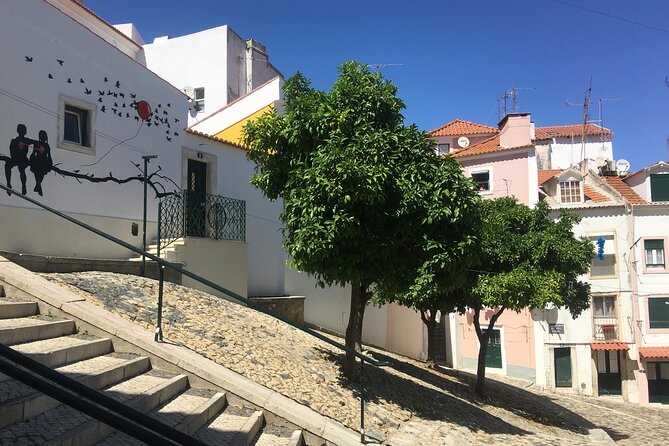
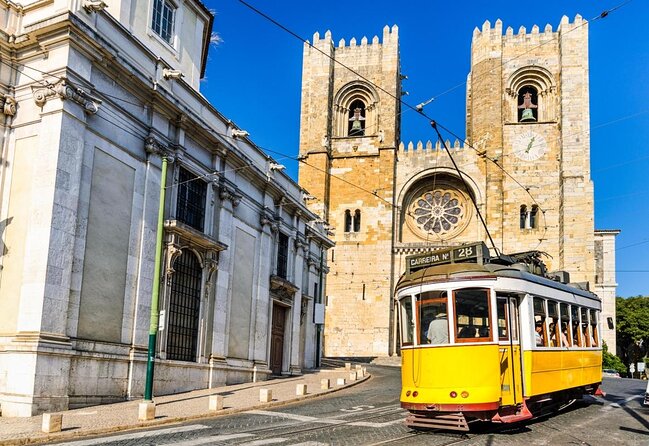
Next comes Lisbon Cathedral, identified as the oldest church in Lisbon. The tour allows about 10 minutes here, with admission listed as free.
This is one of the route’s most important landmarks. Its age gives the guide a natural way to explain Lisbon’s religious past and the layers of culture that shaped the city. One of the strongest parts of this experience is the effort to show how different peoples and traditions helped form Lisbon, rather than presenting the city as a single, simple story.
Ten minutes is enough to orient you, see the cathedral from the outside, and hear the main points. It is not enough for a detailed examination of every chapel or interior feature. Keep that distinction in mind when comparing this tour with a cathedral-focused visit.
The cathedral also marks a change in the walk. From here, you begin to feel Alfama more directly. Streets narrow, the route becomes more irregular, and the city’s famous slopes become part of the experience.
Nearby in Lisbon, a different day entirely:
- Sintra: Pena Palace and Park Entrance Ticket
★ 4.2 · 17,410 reviews - Lisbon: History, Stories and Lifestyle Walking Tour
★ 4.8 · 10,902 reviews - Lisbon: Sunset Boat Party Cruise with DJ and Open Bar
★ 4.5 · 10,378 reviews - Lisbon: Pena Palace, Sintra, Cabo da Roca, & Cascais Daytrip
★ 4.7 · 9,981 reviews
Entering Alfama through steep, maze-like streets
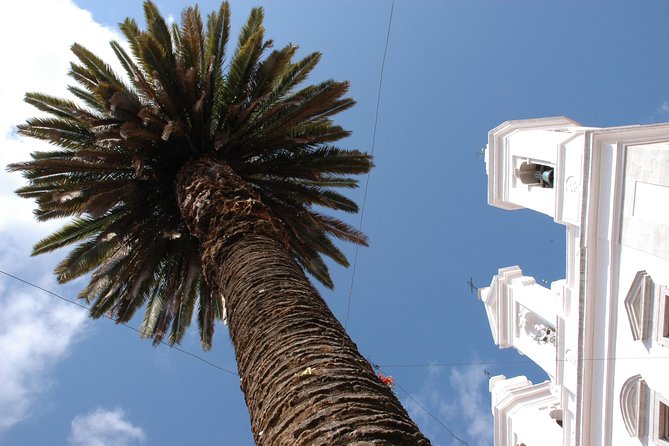
The heart of the tour is not one single monument. It is the time spent walking through Alfama’s maze-like streets, one of Lisbon’s oldest neighborhoods.
This is where the art historian guide matters most. A building can be photographed on your own, but a neighborhood needs explanation. The guide can point out how the streets, churches, viewpoints, and small public spaces fit together, while placing them within Lisbon’s wider story.
You should expect turns, slopes, and possibly stairs. The information specifically calls for moderate physical fitness, and that is not a throwaway note. Wear practical shoes, bring water, and dress for the weather. The tour operates in all conditions, so rain or strong sun will not automatically cancel the walk.
The route can be especially demanding in heat. José is praised for keeping people in the shade where possible, and for moving at a comfortable pace. That does not remove the hills, but it can make a real difference. The small group also helps the guide manage the pace better than a large tour would.
Alfama’s streets are the kind of place where orientation has value. You may remember the route as a collection of turns, but the broader lesson is how the neighborhood works as a lived part of Lisbon rather than a museum display.
Igreja de São Miguel and the center of Alfama
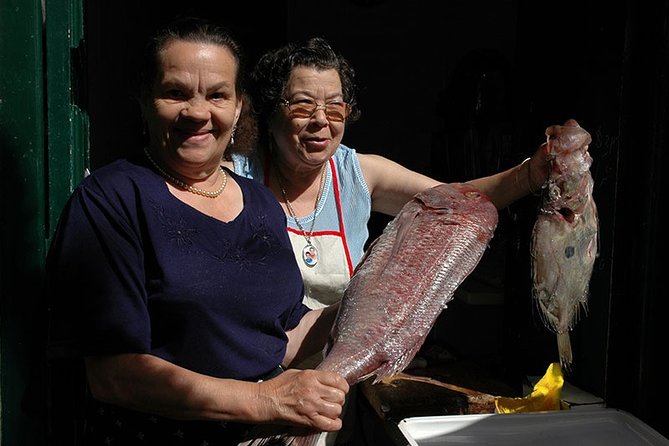
The walk pauses at Igreja de São Miguel for about five minutes. The church is described as the heart of Alfama, which tells you how the stop functions: it is both an architectural point and a way to discuss neighborhood life.
Do not expect a lengthy church tour. The value is in the guide’s explanation of the area around it, the role churches played in local communities, and the way religious buildings remain woven into the old quarter.
This is also a good point to ask questions. Past tours have been praised for guides who are easy to interact with and willing to explain Lisbon’s many cultural influences. José is described as funny, friendly, and clear, while Hugo is praised for explaining the different cultures that helped shape the city. Guide assignments can vary, but the named examples suggest the experience is built around conversation, not a memorized speech delivered at arm’s length.
Largo do Chafariz de Dentro and Alfama’s social life
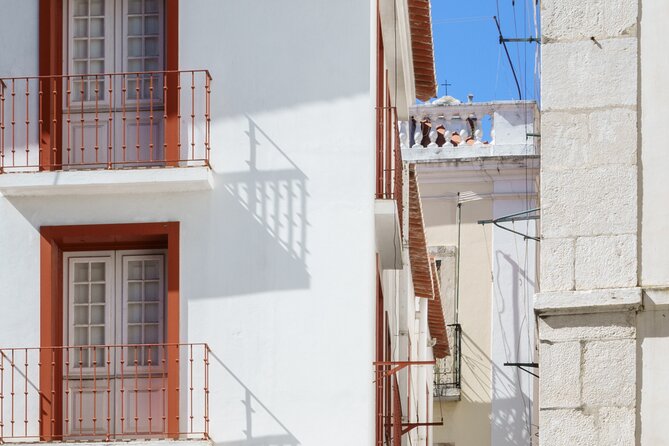
Largo do Chafariz de Dentro receives about five minutes. It is presented as a meeting point of Alfama, so this stop shifts attention from grand buildings to public space.
That change is important. Lisbon’s old neighborhoods are understood through squares, fountains, churches, lanes, and the ways people move between them. A short pause here helps you picture Alfama as a community with its own center, not just a route between tourist sights.
The square also leads naturally into the subject of fado, described in the tour as the soundtrack of Lisboa. Fado is one of the clearest cultural markers associated with the city, and discussing it in Alfama gives the subject a useful sense of place.
The tour does not list a fado performance or dinner. You should treat this as an introduction to the tradition, not a music event. If you want to hear fado later, the guide’s local suggestions may help, but no performance is included in the price.
Portas do Sol, the rewarding finish
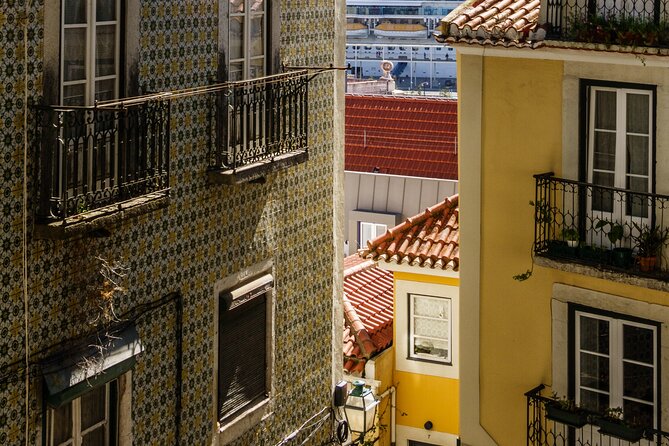
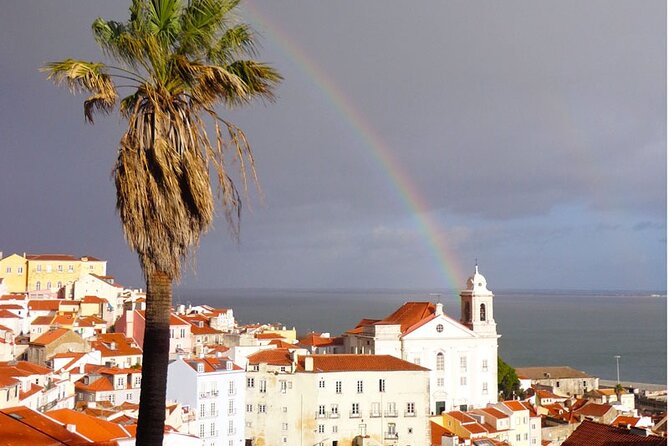
The final stop is Miradouro das Portas do Sol, where you spend about 10 minutes looking across Alfama and Lisbon’s old city. The tour ends at Largo Portas do Sol, at roughly 1100-411 Lisboa.
This is a satisfying finish because the viewpoint lets you look back over the neighborhood you have just crossed. After the narrow streets, the open view gives you a better sense of Alfama’s hills and position within Lisbon.
The viewpoint is also practical. You finish in an area where you can continue exploring on your own, stop for a break, or use the view as a reference point for the rest of your day. Since the start and end points are different, plan your next move before the tour begins.
The walk lasts about two to three hours. The exact duration may depend on the group’s pace, questions, and time spent moving through the steep lanes. The listed stop times add up to less than the full experience, which leaves room for walking and informal explanation between locations.
What the guides add to the walk
The guide is the main reason to choose this experience instead of following a map on your phone. The tour includes a professional art historian, and the strongest guide names attached to the experience are José, Hugo, and Pedro.
José is described as smart, funny, engaging, and good with families. He is also praised for explaining each stop clearly, keeping people moving at a comfortable pace, and offering recommendations that help with the rest of a Lisbon visit. Pedro is described as passionate and animated about his home city, while Hugo is credited with explaining the many cultures behind Lisbon’s character.
Those details point to a tour that combines facts with personality. You should still remember that guide quality can vary from one departure to another, and the named guides may not lead every date. Even so, the art historian format and small-group limit give the experience a strong foundation.
The tour can also work well early in your stay. It gives you a basic map of central Lisbon and Alfama, and it may help you decide where to return for a longer visit. One useful pairing is a second Lisbon Walker experience focused on another neighborhood, since the areas covered are different.
Is $29.96 a fair price?
At about $29.96 per person, this is not the cheapest way to walk through Alfama, but it is a reasonable price for a two to three-hour small-group tour with a professional art historian.
You are paying for interpretation, route planning, and the chance to ask questions. All listed admissions are free, so the price is not covering entry tickets. That is worth understanding. If you mainly want company while walking from one viewpoint to another, you may find the cost less appealing. If you want the buildings and streets to make sense, the value is stronger.
The limit of 15 people matters here. Narrow streets and crowded public spaces are easier to manage with a small group, and you have a better chance of hearing the guide. A group of four, as one past departure had, would feel especially personal, though you should not assume every date will be that small.
The tour is booked on average 19 days ahead, so reserve early if your Lisbon dates are fixed. Confirmation is subject to availability and is received within 48 hours of booking.
Who should book this Alfama walk?
I would recommend it to first-time Lisbon visitors who want a strong introduction to the old city without spending a full day on a tour. It suits people who enjoy architecture, local stories, city views, and guides who can connect individual sights to a larger story.
Families can also do well here, especially with a friendly guide and a manageable pace. Children must be accompanied by an adult, and the hills may be tiring for younger children.
I would be more cautious if you have serious mobility limits or strongly dislike uneven ground, slopes, and stairs. Service animals are allowed, and the tour is near public transportation, but the route itself remains a physically active walk.
Dress for the forecast, since the tour runs in all weather. Free cancellation is available up to 24 hours before the start time. Cancellations or changes made less than 24 hours ahead are not accepted for a refund.
Should you book the Lisbon Old Town Tour?
Book it if you want context with your Alfama views. The route covers the right mix: Praça do Comércio for the city’s power center, Casa dos Bicos for the earthquake story, the cathedral and churches for religious history, Alfama’s lanes for local character, fado for cultural flavor, and Portas do Sol for the payoff.
Skip it if you want extended interior visits or a slow, unstructured wander. This is a guided overview, and its short stops keep the group moving.
For most first-time visitors with reasonable fitness, I think the combination of a 15-person limit, an art historian guide, and a route that ends at Portas do Sol makes the $29.96 worthwhile. Schedule it early in your Lisbon stay, listen closely to the guide’s neighborhood advice, and leave room afterward to explore Alfama at your own pace.
FAQ
How long does the Lisbon Old Town Tour last?
The tour lasts approximately two to three hours.
What time does the tour start?
The start time is 10:00 a.m.
Where does the tour begin?
It begins at Cervejaria Antártida Lisboa, Ala Poente do Palácio Real, Praça do Comércio, R. C 20-23, 1100-038 Lisboa, Portugal.
Where does the tour end?
The tour ends at Largo Portas do Sol in Alfama, Lisbon.
What language is the tour offered in?
The tour is offered in English.
How many people can join the tour?
The tour has a maximum of 15 travelers.
Is admission to the sights included?
Admission is listed as free for the stops included in the route.
Who leads the tour?
A professional art historian guide leads the tour. Guides named in the experience information include José, Hugo, Pedro, and Joseph, though the assigned guide can vary.
Is the tour suitable for people with limited fitness?
The tour requires a moderate level of physical fitness because Alfama includes steep and maze-like streets.
What happens if it rains?
The tour operates in all weather conditions, so you should dress appropriately for the forecast.
Can I cancel for a full refund?
Yes. You can cancel at least 24 hours before the experience start time for a full refund. Changes or cancellations made less than 24 hours before the start time are not accepted for a refund.
Fresh finds around Lisbon
- Lisbon: Tuk Tuk City Tour★ 3.6 · 7 reviews
- Fatima Full day Private Tour★ 5.0 · 7 reviews
- Lisbon: Highlights and Hidden Gems Tour★ 5.0 · 7 reviews
- Private Tour to Evora and Monsaraz from Lisbon★ 5.0 · 7 reviews
- Discover Sintra Beauty with a Guided Journey from Lisbon★ 5.0 · 7 reviews
- Nazaré: Beaches of Nazaré Guided E-Bike Tour★ 4.9 · 7 reviews
- Private Half-Day Tour to Sintra★ 3.4 · 7 reviews
- Lisbon: Sunset and Wine Catamaran Tour★ 5.0 · 7 reviews
Tours, compared.
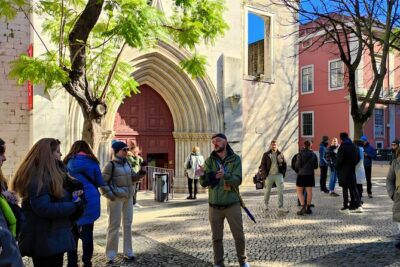
Lisbon City Center Tour – The Unmissable Lisbon
Read our review →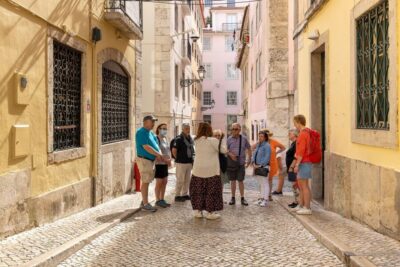
Lisbon: History, Stories and Lifestyle Walking Tour
Read our review →
True 4Hour Private Tuk Tuk Tour: Discover Lisbon with a Local!
Read our review →
Winner 2025 Undiscovered Lisbon Food & Wine Tour by Eating Europe
Read our review →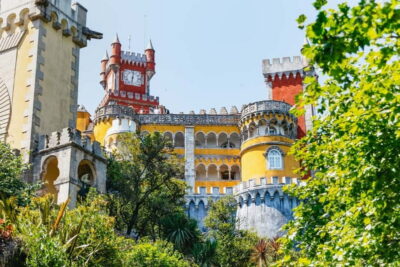
Lisbon: Sintra, Pena, Cabo da Roca, Cascais Tour with Pickup
Read our review →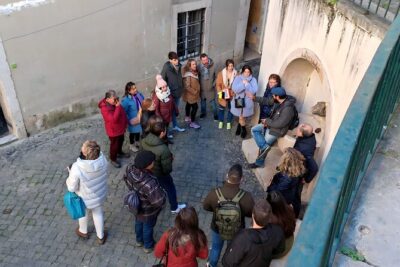
Best of Lisbon Small-Group Guided Walking Tour
Read our review →