
Reviewed · LISBON FOOD TOURS
Pasteis de Nata Experience
Lisbon’s most famous pastry is even better when you make it yourself. This 90-minute pastel de nata class covers the basic method, gives everyone a chance to help, and ends with your own pastries fresh from the oven.
I like the small private format, with no more than 12 people, and the easy location just 50 metres from Anjos Metro Station. I also like that you leave with PDF recipes, so the lesson can continue in your own kitchen. The main drawback is the price: at $72.08 per person, this costs much more than buying a pastel de nata at a bakery.
In This Review
- Key points to know before booking
- Why pastéis de nata matter in Lisbon
- Arriving at R. Bernardim Ribeiro 9
- The 9:30 am cooking session
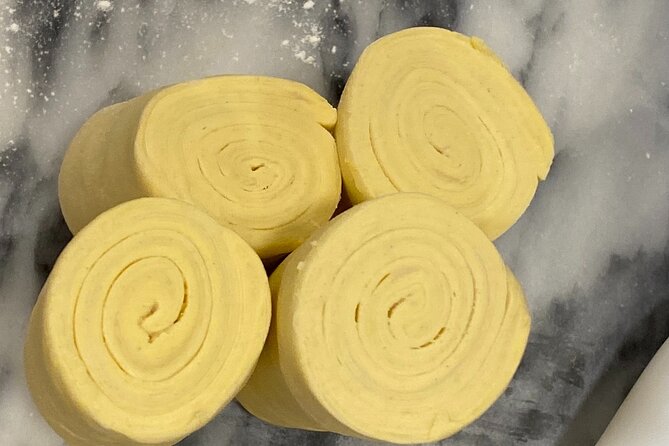
- Making the pastry and custard
- Sitting down to eat your own pastéis
- What the $72.08 price really buys
- The private group makes a difference
- What I would watch for before booking
- Who will enjoy this class most?
- FAQ
- Where does the Pastéis de Nata Experience begin?
- What time does the class start?
- How long does the experience last?
- How many people can join?
- Are drinks included?
- Do I receive the recipe?
- Can I cancel for a refund?
- Should you book the Pastéis de Nata Experience?
Key points to know before booking
- You make and eat the pastries: The class is hands-on, then you sit down to enjoy the pastéis de nata you prepared.
- The class is private: Your group can include up to 12 people, allowing room for personal help and participation.
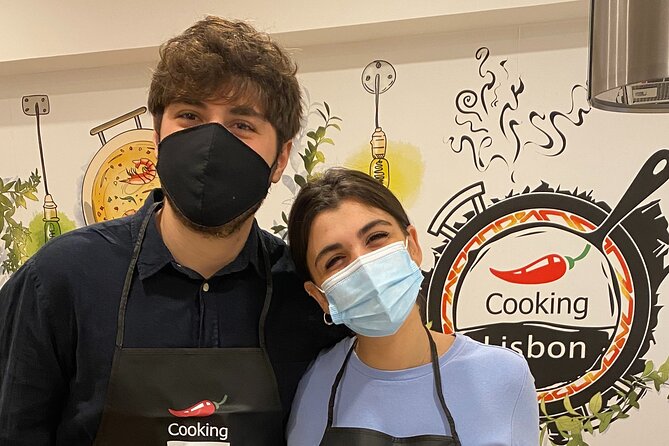
- Felipe leads the cooking: His teaching includes traditional methods and practical variations for home kitchens.
- It starts early: The 9:30 am start works well as a pastry brunch before sightseeing.
- Drinks are included: Coffee, milk, tea, and juice are provided with the finished pastries.
- You receive the recipe afterward: PDF files are sent by email, and pastel de nata tins are available to buy.
Why pastéis de nata matter in Lisbon
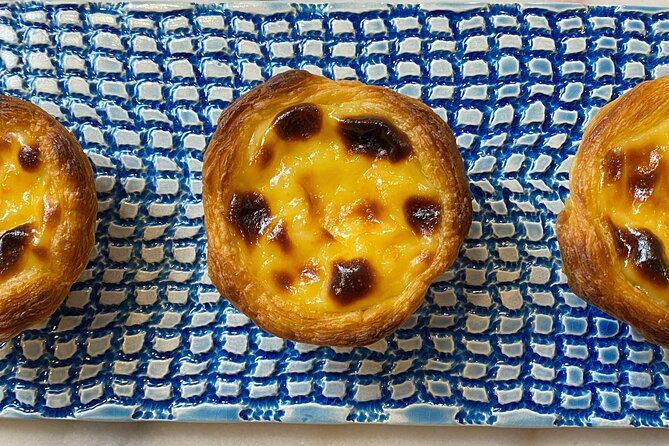
A pastel de nata is a small custard tart with a crisp pastry shell and a browned top. It is one of the simplest ways to taste Lisbon’s food culture, but the pastry has an unusually practical origin story.
Pastéis de nata were born in the 18th century at Lisbon’s Jerónimos Monastery. Convents and monasteries used large amounts of egg whites to starch clothing, including religious habits. That left plenty of egg yolks, and cooks found ways to turn them into pastries and cakes.
That bit of history gives the class more purpose than simply following a recipe. You learn why egg yolks became so important in Portuguese baking and how a kitchen problem helped create one of the country’s best-known sweets.
The class focuses on the Lisbon-style pastel de nata rather than a broad tour of Portuguese cooking. If you want a full meal or several dishes, this is not the right choice. If you want one iconic food and enough time to understand how it is made, the narrow focus works well.
More Lisbon food crawls:
- Lisbon: Pastel de Nata Baking Class
★ 4.9 · 2,106 reviews - Lisbon Small-Group Food Tour with 18 Tastings in Alfama District
★ 5.0 · 1,967 reviews - Lisbon: Baixa District Food Tour with Dinner and Drinks
★ 4.9 · 1,870 reviews
Arriving at R. Bernardim Ribeiro 9
The class begins at R. Bernardim Ribeiro 9, 1150-068 Lisboa, at 9:30 am. The meeting point is close to public transportation, with Anjos Metro Station only about 50 metres away.
That is useful in Lisbon, where hills, cobbled streets, and limited parking can make short distances feel longer. I would use the metro or another public transport option rather than build the morning around driving. If you are arriving by car, remember that one reported bad experience involved paid parking, although the provider said that booking could not be matched to its records and that the scheduled classes had taken place.
The address is also practical for planning the rest of your morning. Since the activity ends back at the same meeting point, you do not need to arrange a separate pickup or work out where your day will finish.
Bring your booking confirmation on your phone. A mobile ticket is accepted, and confirmation is sent at booking. The activity is offered in English.
The 9:30 am cooking session
The class lasts about one hour and 30 minutes, though one account described it as closer to two hours. Plan your morning around 90 minutes, with a little flexibility afterward.
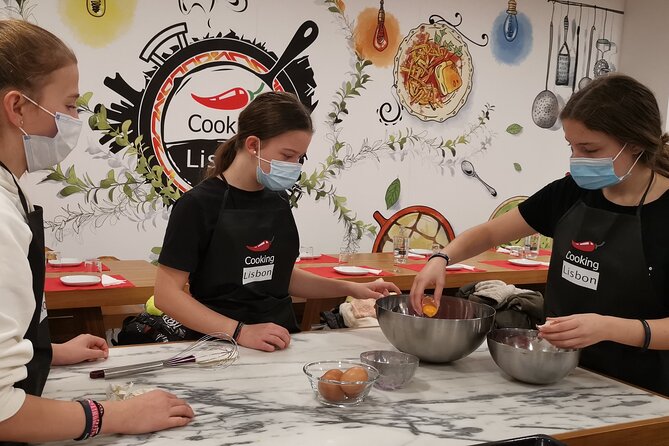
The cooking takes place in a kitchen designed for a group of about 12. The setup is large enough for everyone to take part, but still small enough to feel like a shared lesson rather than a demonstration watched from the back of a room.
Felipe explains what you will make and how the session will work. The teaching covers traditional preparation and practical adjustments you can use at home, including kitchens outside Portugal. That is a useful touch because pastry recipes often need small changes depending on available ingredients, equipment, and local habits.
You should expect to work as part of the group. This is not a private chef preparing food while you watch. The class is designed so everyone has an opportunity to participate in preparing and baking the tarts.
The supplied information does not give a detailed minute-by-minute breakdown, so you should not expect a formal tour of several cooking stations or a visit to another bakery. The experience stays in one kitchen and concentrates on the pastry.
Making the pastry and custard
The appeal of this class is the contrast between a small finished tart and the work behind it. A pastel de nata looks modest on a bakery counter, but the pastry shell and egg custard require care.
You learn the traditional method used for the class, then see how the parts come together. The lesson also includes variations suitable for home cooking. That makes the recipe more useful than a strictly rigid demonstration, especially if you plan to make the tarts for family or friends after your trip.
The exact ingredients and techniques are not listed in the tour details, so I would not book this expecting a full professional pastry-school syllabus. You will learn how to prepare the featured dessert, but the class is a short cultural cooking activity, not an all-day technical course.
The small group helps here. With a maximum of 12 people, you have a reasonable chance to handle part of the process and ask questions. A larger class could make the session cheaper, but it would also make hands-on time less certain.
Families and mixed-age groups should find the format approachable. One account specifically described it as suitable for all ages, and the group cooking format gives different people ways to take part. The provider does not give a minimum age or detailed accessibility information, so check directly if those points matter for your group.
A handful more Lisbon ideas to compare
- Lisbon City Center Tour – The Unmissable Lisbon
★ 5.0 · 22,234 reviews - Lisbon: Sintra, Pena, Regaleira, Cabo da Roca & Cascais
★ 4.7 · 19,656 reviews - Lisbon: Jerónimos Monastery Entrance Ticket
★ 4.1 · 14,164 reviews - Lisbon: History, Stories and Lifestyle Walking Tour
★ 4.8 · 10,902 reviews
Sitting down to eat your own pastéis
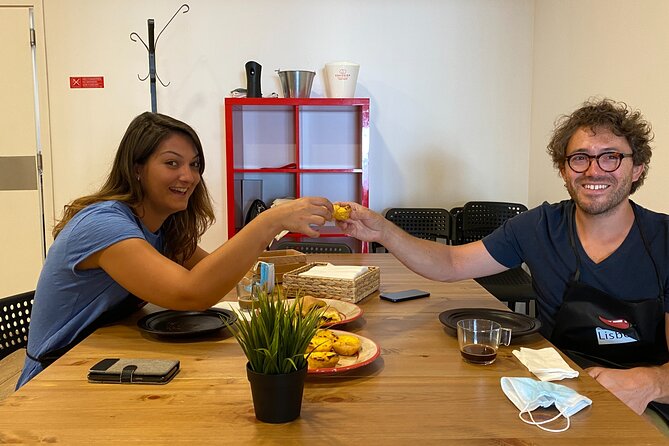
The best part comes after the baking: you sit down and eat the pastries made during the class. This turns the lesson into a simple brunch rather than a demonstration that ends when the oven door closes.
Coffee, milk, tea, and juice are included. That makes the 9:30 am start sensible, since you can treat the class as a morning meal. One account also described coffee and port being served with the pastéis, but port is not included in the stated drink list, so I would not count on it.
The sample menu lists only pastéis de nata. You are not signing up for a full Portuguese breakfast with bread, cheese, meat, or several desserts. The value comes from the activity and the fresh pastry, not from the quantity of food.
I like this finish because it gives the class a clear reward. You are not simply told how the pastry should taste. You get to compare the finished result with the method you just followed.
You also make enough pastéis for everyone in the group to eat a few. That matters when judging the price. A single tart is inexpensive in Lisbon, but the class gives you preparation, instruction, drinks, and a social meal along with the food.
What the $72.08 price really buys
At $72.08 per person, this is a premium food activity. You can buy a pastel de nata for a small fraction of that price at a café, so the class only makes financial sense if you want the lesson itself.
I see three parts to the value:
- You receive a private class rather than joining an unknown large crowd.
- You get a hands-on activity lasting about 90 minutes.
- You leave with recipes, drinks, and the pastries you make.
The PDF recipes are sent by email, which is more useful than a quick verbal explanation that disappears once you leave Lisbon. You can try the recipe at home and share it with people who did not make the trip.
Pastel de nata tins are also available to purchase. That is a practical extra if you want to repeat the experience at home, though the price of the tins is not provided and gifts are not included.
I would compare this activity with the cost of other cooking classes in Lisbon, not with the price of a bakery tart. If your main goal is to taste the pastry, visit a bakery. If you want a short, personal activity tied to Portuguese food and a recipe you can reuse, the price is easier to justify.
The private group makes a difference
The private format is one of the strongest reasons to choose this experience. A maximum of 12 people is small enough for shared participation, and the kitchen has been described as the right size for a group of about that number.
That does not mean you will receive a one-to-one lesson. You will still cook alongside other people. But the format should give you more access to the instructor than a large public class.
It also works well for a family, group of friends, or small party that wants an activity everyone can do together. The class is social without requiring a full day or a major time commitment.
Solo visitors should note that the experience is described as private, but the provided information does not explain how solo bookings are grouped or whether a minimum number is required. If you are booking alone, confirm how the private format applies to your reservation.
What I would watch for before booking
The main practical issue is timing. The class starts at 9:30 am, and late arrival could reduce your chance to take part in each stage. I would arrive a little early, especially if you are unfamiliar with Lisbon’s metro system or walking routes.
The activity ends at the same meeting point, which makes onward planning easy. You can continue sightseeing from the Anjos area, but the experience does not include transport to another attraction.
The provider offers free cancellation if you cancel at least 24 hours before the start time. Changes or cancellations made less than 24 hours before the class are not accepted for a refund. The cut-off uses Lisbon local time, so check the time carefully if you are changing plans from another time zone.
There is a small amount of conflicting information in the available customer feedback. One person waited 45 minutes and said the business did not open, while Cooking Lisbon replied that it had no record of the booking and that no scheduled class had failed to take place. I would protect yourself by checking the confirmation, meeting point, and start time before leaving your hotel.
The experience has an overall rating of 4.5 from 34 reviews. That suggests a strong response overall, but not a flawless record, which is why the booking check is worth your few minutes.
Who will enjoy this class most?
I would choose this for you if you meet most of these conditions:
- You want a hands-on activity instead of a sightseeing stop.
- You enjoy learning one traditional food in some detail.
- You are happy with a sweet breakfast or brunch.
- You want a recipe to use after returning home.
- You are traveling with family or a small group.
- You can reach Anjos by 9:30 am.
The class is especially good for someone who has already seen Lisbon’s main sights and wants a slower morning activity. It also gives first-time visitors a simple introduction to Portuguese food without requiring specialist cooking skills.
I would skip it if you dislike group cooking, want a complete meal, or are mainly hunting for the cheapest pastry in town. The class is about participation and memory-making, not bargain eating.
FAQ
Where does the Pastéis de Nata Experience begin?
It begins at R. Bernardim Ribeiro 9, 1150-068 Lisboa, Portugal.
What time does the class start?
The class starts at 9:30 am.
How long does the experience last?
The stated duration is approximately one hour and 30 minutes. One account described the session as closer to two hours, so allow a little extra time.
How many people can join?
The activity has a maximum of 12 participants.
Are drinks included?
Yes. Coffee, milk, tea, and juice are included.
Do I receive the recipe?
Yes. PDF recipe files are sent by email after the experience.
Can I cancel for a refund?
Yes, if you cancel at least 24 hours before the local start time. Cancellations made less than 24 hours before the start are not refunded.
Should you book the Pastéis de Nata Experience?
Book it if you want to do more than eat Lisbon’s signature pastry. The combination of a small group, Felipe’s hands-on instruction, fresh pastéis, included drinks, and a take-home recipe gives you a useful morning activity with a clear Portuguese connection.
At $72.08, it is not a cheap breakfast. But if you value participation, a private setting, and the chance to recreate the pastry at home, the cost can be fair. Arrive early, confirm your booking details, and treat the class as a cooking experience rather than a bakery stop.
Fresh finds around Lisbon
- Lisbon: Tuk Tuk City Tour★ 3.6 · 7 reviews
- Fatima Full day Private Tour★ 5.0 · 7 reviews
- Lisbon: Highlights and Hidden Gems Tour★ 5.0 · 7 reviews
- Private Tour to Evora and Monsaraz from Lisbon★ 5.0 · 7 reviews
- Discover Sintra Beauty with a Guided Journey from Lisbon★ 5.0 · 7 reviews
- Private Half-Day Tour to Sintra★ 3.4 · 7 reviews
- Lisbon: Sunset and Wine Catamaran Tour★ 5.0 · 7 reviews
- Nazaré: Beaches of Nazaré Guided E-Bike Tour★ 4.9 · 7 reviews
Lisbon Food Tours, compared.
Lisbon Small-Group Food Tour with 18 Tastings in Alfama District
Read our review →
Lisbon: Baixa District Food Tour with Dinner and Drinks
Read our review →
Devour Lisbon: The Ultimate Portuguese Food Tour
Read our review →
Lisbon Food Tour with 10+ Tastings of Local Delicacies & Wines
Read our review →
Lisbon Private Food Tour – Taste 10+ Local Dishes & Wines
Read our review →
Lisbon: Segway Food Tour of Alfama and Old Town Lisbon
Read our review →
Lisbon Awakens: A Culinary Crossroads, Reborn.
Read our review →Browse the lists this tour appears in