
Reviewed · HORSES
Lisbon: Morning of Equestrian Art with Lusitano Horses
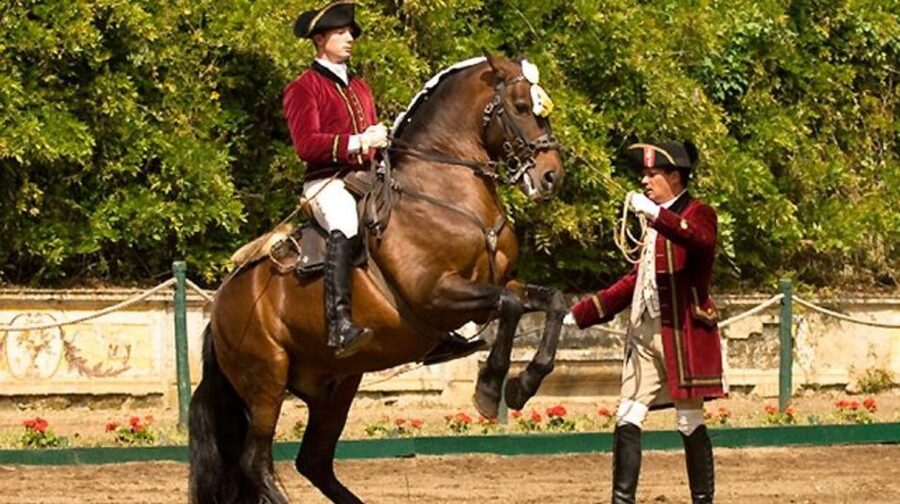
The real appeal here is the chance to see Lusitano horses at work, not just admire them in a staged performance. At the Portuguese School of Equestrian Art, riders in period costume guide Pure Blood Lusitanos through warm-ups, resourcefulness exercises, and rehearsals set to 18th-century court music. I like the access to the horses’ daily care and the chance to watch training at close range. I also like that the experience connects living horsemanship with Portugal’s old court tradition.
The main caution is simple: this is a training session, not a full gala show. The work can be repetitive, especially during the two-hour window, and one recent visitor left early after seeing similar exercises for much of the morning. If you want constant action, this may feel slow. If you enjoy horses, patience, and careful technique, the quiet pace is part of the point.
In This Review
- Key points to know before you go
- Why Lusitano horses make this morning special
- Starting in the Nora Patio
- Watching the warm-up and resourcefulness exercises
- Period music and the 18th-century court setting
- The audio guide and what to bring
- Timing: why 11:00 a.m. matters
- Is the $17 price good value?
- What the experience gets right
- What may disappoint you
- Who should book this morning?
- Practical details for a smooth visit
- Should you book the Lusitano horse training?
- FAQ
- How long does the activity last?
- What horses will I see?
- Is a full equestrian show included?
- Can I take photographs?
- What languages are available for the audio guide?
- Which ticket should I show at the entrance?
Key points to know before you go
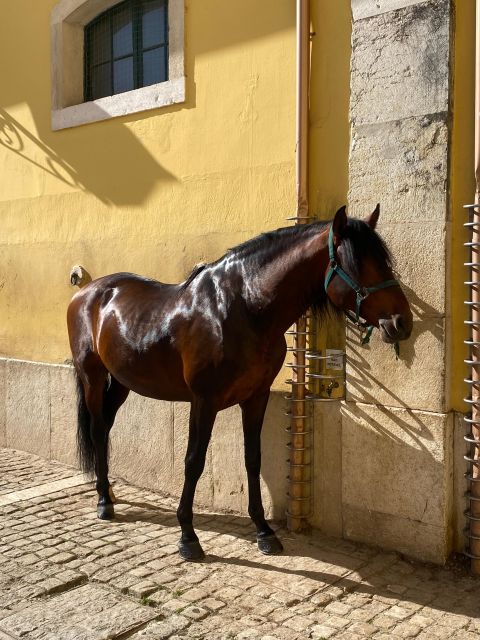
- Watch Alter Real Lusitano horses train: These Pure Blood Lusitanos are prepared for the high-level performances of the Portuguese School of Equestrian Art.
- See riders in 18th-century costume: Period clothing, music, and classical exercises recreate the feel of a royal court.
- Visit two different spaces: The Nora Patio offers a more open setting and allows non-flash photos. Photography is not allowed inside the Henrique Calado Riding Ring.
- Plan for the 11:00 a.m. to 12:30 p.m. window: The full activity runs until 1:00 p.m., but the earlier part is identified as the best time to visit.
- Bring your own headphones: An audio guide is included, but headphones are not.
- Pay attention to the ticket instructions: You must show the separate Book N Tour Ticket, not the GetYourGuide QR code or voucher.
Why Lusitano horses make this morning special
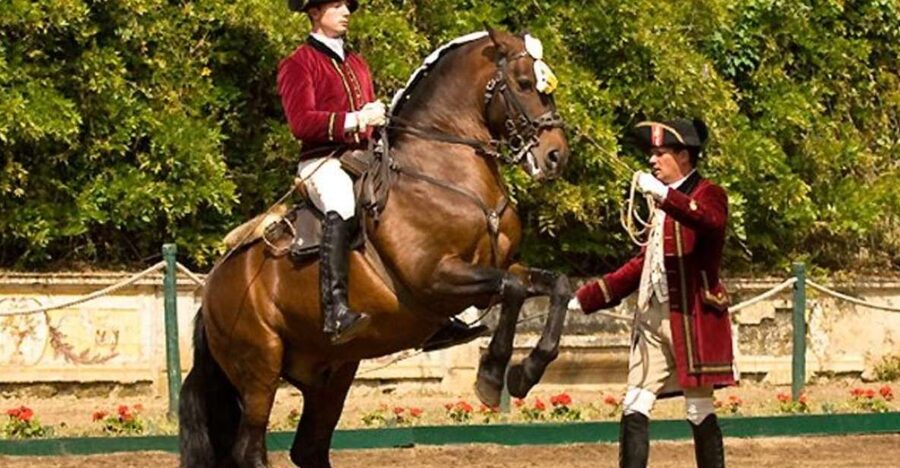
The Lusitano is Portugal’s classic riding horse, known here as a Pure Blood Lusitano. At this school, the horses come from the Alter Real Stud Farm and train for a demanding form of classical equestrian art. You are not simply watching horses walk, trot, or circle. You are seeing the early stages of exercises that later appear in formal shows.
That distinction matters. The horses are being trained according to their rhythm, health, and physical needs. The riders work on control, balance, timing, and responsiveness. You might see an exercise repeated several times, but repetition is how the horse and rider refine movement without forcing the animal beyond its limits.
I find that more interesting than a quick spectacle. A gala performance gives you polished results. This morning program lets you see the patient work behind those results. It also gives you a better sense of the partnership between rider and horse.
The setting adds another layer. Period music plays during the training and rehearsals, and the riders wear historical clothing. Together, the music, costume, and formal movements recall the 18th-century Portuguese court. It is theatrical, but the training remains practical and physical.
A handful more Lisbon ideas to compare
- Horse Riding on the Beach
★ 4.5 · 171 reviews - From Lisbon: Horseback Riding on Comporta Beach
★ 4.7 · 167 reviews - Melides: Horse Riding on the Beach with Wine Tasting
★ 4.3 · 117 reviews
Starting in the Nora Patio
The morning begins at the Portuguese School of Equestrian Art, where reception staff help you enter with the correct ticket. The Nora Patio is one of the two main areas used during the experience. It offers a chance to look behind the scenes and see how the handlers care for the horses.
This part is especially useful if you want more than a performance. Horse care is easy to overlook when you attend a polished show, yet it shapes everything that follows. The horses must be prepared, handled, and kept in good condition before they can perform precise movements in front of an audience.
You can take photographs and videos in the Nora Patio, but flash is not allowed. Keep your camera ready without using bright light, since flashes can disturb horses and riders. The rules change once you enter the riding ring, where photography is not permitted.
The patio may feel less dramatic than the main training area, but it gives you a calmer start. You can get your bearings, see the working side of the school, and listen to the audio guide before the more formal exercises begin.
Watching the warm-up and resourcefulness exercises
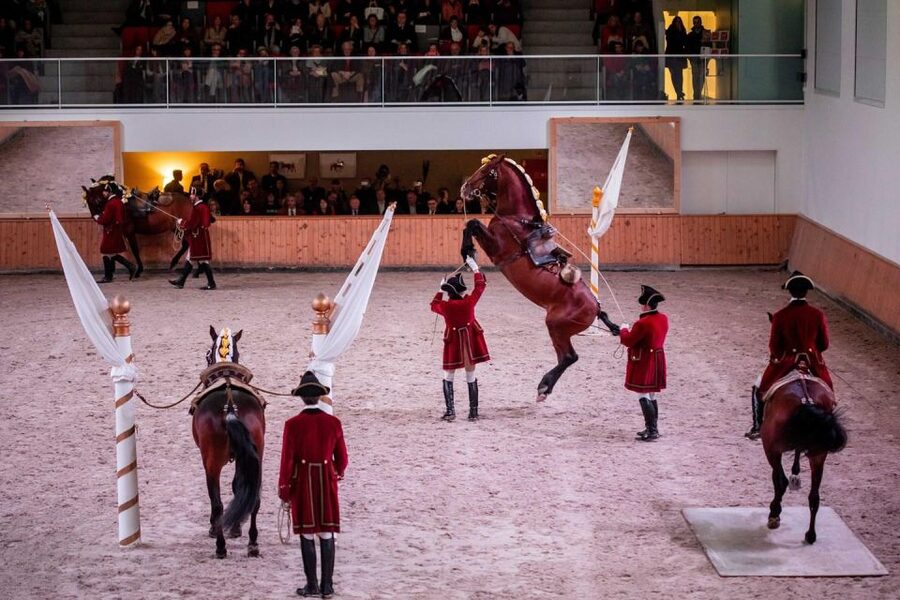
The central part of the morning is the warm-up session at the Henrique Calado Riding Ring. Riders in period costume work with Lusitano horses through exercises designed to build skill and responsiveness.
The phrase resourcefulness exercises points to the horses’ ability to react to subtle instructions and handle demanding movements. You will see training aimed at the high level needed for the Portuguese School of Equestrian Art’s gala shows. The work is controlled rather than rushed, with attention to the horse’s physical condition.
This is a good place to adjust your expectations. You are watching a working rehearsal, not a nonstop entertainment program. The same type of movement may return more than once, and pauses or slower exercises are normal. The horses need warm-up time, and the riders need to develop each movement carefully.
That slower rhythm is valuable if you like equestrian technique. You can watch how a rider’s posture, hands, legs, and timing affect the horse. You can also see why the horses need careful preparation before they perform complex choreography.
The riding ring is the more formal setting, but it comes with stricter rules. No photography is allowed inside, so put your phone away and watch with your eyes. The restriction may disappoint anyone hoping for pictures, yet it keeps the space focused on the horses and the training.
Period music and the 18th-century court setting
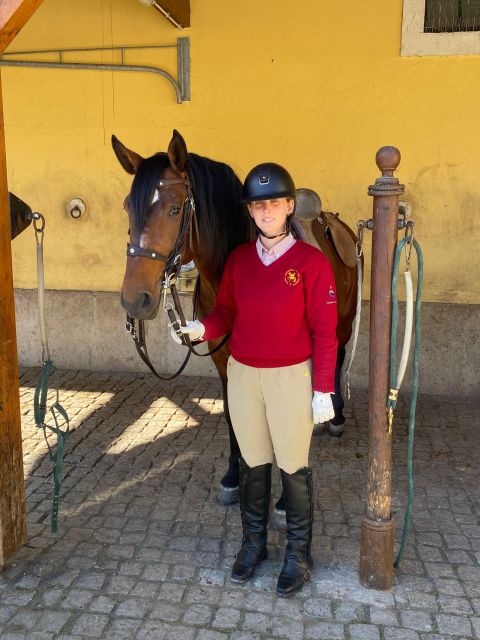
The use of period music changes the mood of the session. Without it, you might see a straightforward morning training routine. With it, the exercises recall the ceremonial riding traditions of an 18th-century court.
The riders’ costumes work in the same way. They are not modern stable clothes, and they make the school’s presentation feel connected to Portugal’s royal equestrian tradition. The result is part lesson, part rehearsal, and part historical recreation.
I like this mix because it gives the experience a clear identity. Many places let you watch horses train, but this program links the daily work to a specific Portuguese art form. You see where the polished court display begins: with warm-up, repetition, obedience, and trust.
Still, the historical presentation should not lead you to expect a complete pageant. The information provided describes training and rehearsals of complex exercises and choreographies. It does not promise the full gala show. Book this morning for a look at the craft behind the performance, not as a substitute for the full evening production.
Nearby in Lisbon, a different day entirely:
- Lisbon City Center Tour – The Unmissable Lisbon
★ 5.0 · 22,234 reviews - Lisbon: Sintra, Pena, Regaleira, Cabo da Roca & Cascais
★ 4.7 · 19,656 reviews - Sintra: Pena Palace and Park Entrance Ticket
★ 4.2 · 17,410 reviews - Lisbon: Jerónimos Monastery Entrance Ticket
★ 4.1 · 14,164 reviews
The audio guide and what to bring
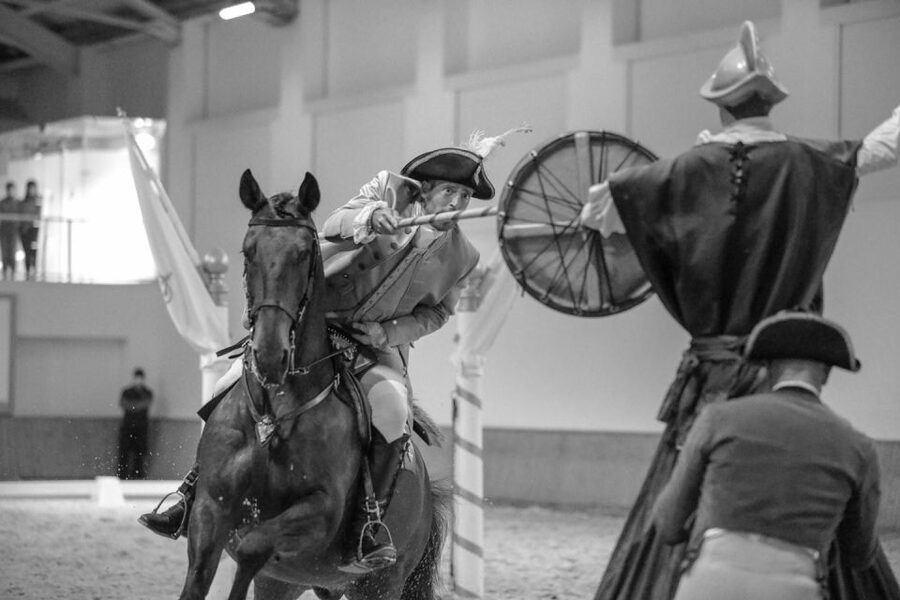
An audio guide is included in English, French, and Portuguese. It should help explain the school, the horses, and the exercises as you move between the patio and riding ring.
You need to bring your own headphones. A charged smartphone and internet access are also listed as essentials. Download the ticket and audio guide instructions before leaving your hotel, and check your spam folder if the separate email does not appear in your main inbox.
This is one of those small details that can make or break a short activity. The audio guide is useful only if your phone has power and you can hear it clearly. Since headphones are not supplied, pack a pair that you know works.
The host or greeter support is available in English and Portuguese. No individual guide name is provided, so do not book this expecting a named personal guide or a private commentary. Staff at the reception desk can assist with entry and the required ticket.
Timing: why 11:00 a.m. matters
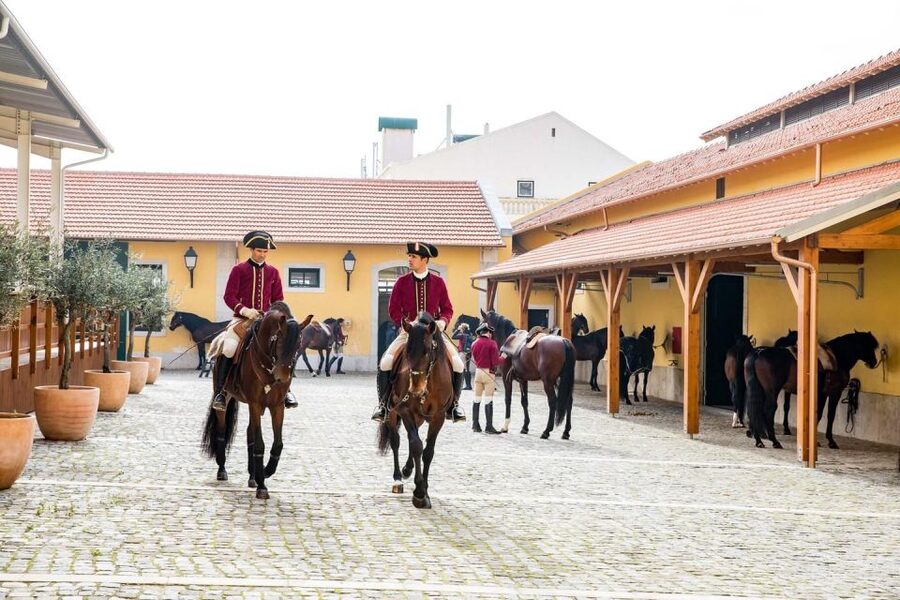
The activity takes place from 11:00 a.m. to 1:00 p.m., but 11:00 a.m. to 12:30 p.m. is given as the best time to visit. That early window is the one I would target.
Arriving at the start gives you the best chance to see the warm-up, stable activity, and the main exercises in their intended order. Arriving later may still allow you to see training, but you could miss the opening work that explains how the horses prepare.
The duration is listed as one day for booking purposes, but the actual morning program lasts about two hours. Treat it as a half-day activity, not an all-day outing. You will have plenty of time to pair it with another Lisbon plan, but allow enough time to watch without rushing out after the first exercise.
Comfortable shoes are a smart choice. You may spend time standing or moving around the school, and this is not the place for footwear chosen only for style. Food and drinks are not included, so plan to eat before or after the visit.
Is the $17 price good value?
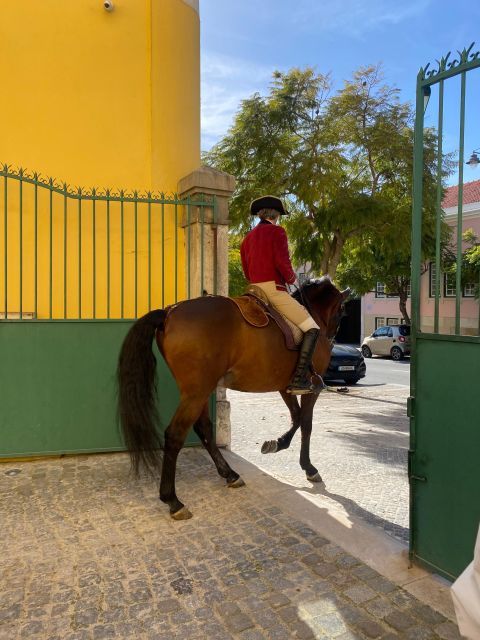
At $17 per person, this is reasonably priced for a focused cultural activity in the Lisbon area. The admission includes entry to the Portuguese School of Equestrian Art, access to the daily training of Alter Real Lusitano horses, and the audio guide.
The value depends on your interest. If horses are a major part of your trip, the price is attractive because you get both the public presentation and a look at the care and preparation behind it. You are also seeing a Portuguese tradition in its working setting, rather than only reading about it in a museum.
If you want a fast-moving show with a series of dramatic highlights, the price may feel less appealing. A five-star assessment from Ireland described the two hours as a wonderful way to spend the morning and praised the pleasant, helpful staff, but another visitor found the repeated pre-training and training exercises boring enough to leave early.
Both reactions make sense. The ticket buys access to a training program. It does not guarantee a packed sequence of new movements. Your value comes from how much you enjoy watching gradual improvement and precise horse handling.
What the experience gets right
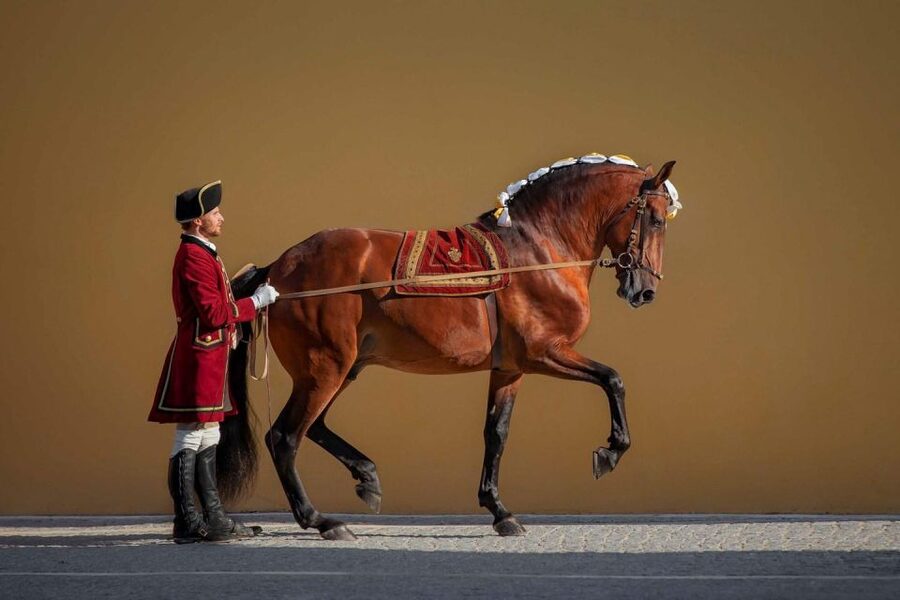
The strongest part is its access to an authentic working routine. You can see the horses before a finished performance, watch the riders prepare them, and understand that classical equestrian art depends on health and patience.
The staff also appear to be an important part of the experience. The available feedback describes reception and on-site explanations as calm, pleasant, and helpful. That matters because the ticket instructions are unusually specific. You need the Book N Tour Ticket, and the GetYourGuide QR code or voucher is not accepted as the entry ticket.
The setting is another strength. The Nora Patio and Henrique Calado Riding Ring offer different views of the school. One lets you take non-flash photos and see horse care. The other gives you the formal training atmosphere, with photography prohibited.
The audio guide adds context without requiring a private guide. You can listen in English, French, or Portuguese, then focus on the horse and rider in front of you.
What may disappoint you
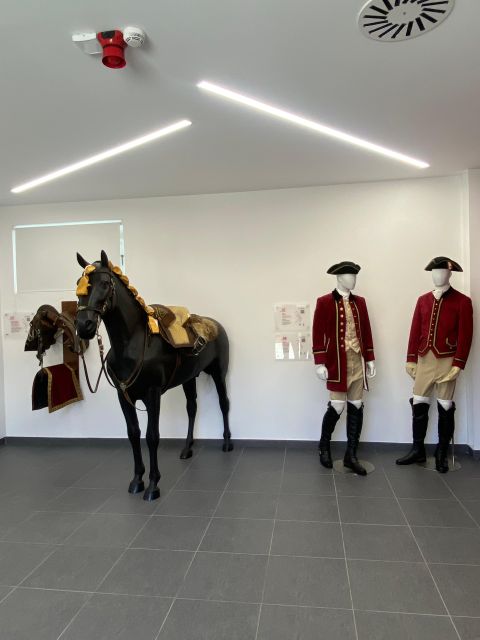
The biggest issue is repetition. Training involves repeating movements, and the morning can include an hour of pre-training followed by another hour of similar exercises. If you expect a constant sequence of new tricks, you may find the program slow.
Another consideration is the limited personal attention. One low rating specifically described a lack of attention. This does not fit with the positive description of the reception staff, but it does suggest that you should not expect a highly personalized tour with continuous one-on-one explanation.
Photography restrictions may also matter. You can take photos and videos in the Nora Patio without flash, but not inside the riding ring. If images are central to your visit, you will need to enjoy the main training session without a camera.
Finally, the program does not include transport, food, drinks, or headphones. You are responsible for reaching the location and arriving prepared with a phone, internet connection, and headphones.
Who should book this morning?
I would recommend it most strongly to horse lovers, people interested in classical riding, and anyone who enjoys seeing how a performance is built. Families or companions with different interests should know that the pace is calm and the program centers on training rather than spectacle.
It also suits visitors who want a distinctly Portuguese cultural activity. The Lusitano horses, Alter Real connection, period costume, music, and courtly choreography give the morning a clear local character.
You may want to skip it if you dislike repeated practice sessions or need a high-energy activity. You should also think twice if you want a full equestrian gala. This experience shows the preparation and rehearsal side of the art.
For many people, that is precisely the appeal. You get to see the horses as athletes, the riders as careful trainers, and the school as a living institution rather than a backdrop for a short photo opportunity.
Practical details for a smooth visit
The activity is wheelchair accessible, and the host or greeter can assist in English or Portuguese. Bring comfortable shoes, a charged smartphone, headphones, and internet access.
After booking, watch for a separate email with instructions for downloading the entry ticket and audio guide. Check your spam folder if needed. At the venue, show the Book N Tour Ticket to reception staff. Do not rely on the GetYourGuide voucher or QR code as your entry document.
Smoking is not allowed. Flash photography is not allowed anywhere, and photography inside the Henrique Calado Riding Ring is not allowed at all. Food and drinks are not included, so plan around the two-hour morning schedule.
Free cancellation is available up to 24 hours in advance for a full refund. The booking is valid for one day, with starting times subject to availability.
Should you book the Lusitano horse training?
Book it if you want a quiet, specific look at Portuguese equestrian culture and you are happy to watch practice rather than a full show. The $17 ticket offers good value for the horse care, training, period setting, and audio guide, especially if you arrive at 11:00 a.m. and stay through the main exercises.
Skip it if repeated movements bore you or if you need a polished performance with constant variety. The honest choice is clear: horse enthusiasts and culture-minded visitors should give this morning serious consideration, while casual sightseers may prefer a shorter or more dramatic attraction.
FAQ
How long does the activity last?
The program takes place from 11:00 a.m. to 1:00 p.m. The 11:00 a.m. to 12:30 p.m. period is identified as the best time to visit.
What horses will I see?
You will watch Pure Blood Lusitano horses from the Alter Real Stud Farm training at the Portuguese School of Equestrian Art.
Is a full equestrian show included?
The experience includes daily training, warm-up work, exercises, and rehearsals of equestrian choreographies. It is not described as the full gala show.
Can I take photographs?
Photography and video are allowed in the Nora Patio without flash. Photography is not allowed inside the Henrique Calado Riding Ring, and flash photography is not allowed.
What languages are available for the audio guide?
The audio guide is available in English, French, and Portuguese. You need to bring your own headphones.
Which ticket should I show at the entrance?
Show the separate Book N Tour Ticket to reception staff. The GetYourGuide QR code or voucher is not the entry ticket.
Fresh finds around Lisbon
- Sanctuary of Fátima and Coimbra City Tour★ 4.5 · 51 reviews
- Sintra/Lisbon: Sintra & Quinta da Regaleira Tour with Ticket★ 4.4 · 51 reviews
- Jeronimos Monastery Guided Tour – Small Groups – Tickets Included★ 5.0 · 51 reviews
- Lisbon: Private Christmas Lights Tour by Eco Tuk Tuk★ 4.9 · 51 reviews
- Peniche: Berlengas Island Catamaran Tour – Round Trip★ 4.6 · 51 reviews
- Half day Spa Water Therapy experience at THE SPA at Corinthia Lisbon★ 4.5 · 51 reviews
- Lisbon: Private Tuk-Tuk Tour for 2 hours★ 4.7 · 51 reviews
- Premium Lisbon Airport Transfer to Lisbon★ 5.0 · 51 reviews
Horses, compared.
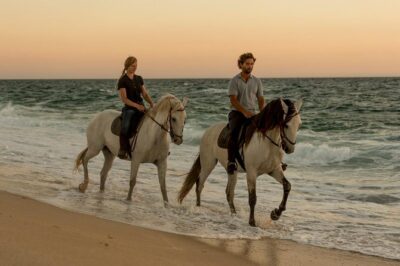
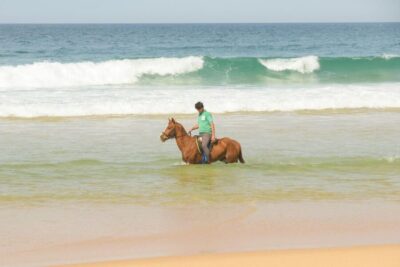
From Lisbon: Horseback Riding on Comporta Beach
Read our review →
Melides: Horse Riding on the Beach with Wine Tasting
Read our review →
From Lisbon: Comporta and Setúbal Trip with Horseback Riding
Read our review →Browse the lists this tour appears in