

Reviewed · LISBON FOOD TOURS
Lisbon: Original Morning Food Tour
Lisbon’s best food stories often begin before lunch, and this tour makes a full morning of them. You move through a district marked by pink-flowering trees and streets named for revolutionaries, stopping at coffee shops, markets, artisan sweet shops, and tasca bars rather than sticking to the usual tourist route. I like the mix of breakfast, salty petiscos, sweets, and drink pairings. I also like that the food comes with context about Lisbon’s architecture, history, and daily life.
The main point to consider is dietary fit. This experience is not adapted for vegans, and the menu is built around traditional Portuguese eating, so you should ask before booking if you have serious restrictions. The tour also needs at least four participants to run.
In This Review
- Key points at a glance
- A Lisbon morning built around petiscos
- The less-touristy district sets the tone
- Coffee and artisan sweets start the day
- The market stop brings in everyday Lisbon
- Tasca bars turn tasting into a meal
- Olive oil adds an unexpected tasting stop
- A light lunch and aperitif close the route
- How much value do you get for $76?
- What the guide adds beyond the food
- Timing, meeting point, and practical comfort
- Who should book this morning food tour?
- Should you book it?
- FAQ
- How long does the Lisbon Original Morning Food Tour last?
- How much does the tour cost?
- How many food stops are included?
- How much food is served?
- What types of food are included?
- Is the tour conducted in English?
- Where do I meet the guide?
- Is the tour suitable for vegans?
- Does the tour require a minimum number of participants?
- Can I cancel for a full refund?
Key points at a glance
- Five to six local stops cover coffee, sweets, markets, petiscos, olive oil, drinks, and a light lunch.
- Ten to twelve food servings provide enough for a full morning rather than a few sample bites.
- Breakfast and aperitif courses give the tour a natural rhythm, from sweet early flavors to savory midday food.
- The olive oil tasting is a particular highlight, with time to learn about the products from someone passionate about them.
- Guides including Henrique, Enrique, and Phillipe have been praised for friendly conversation and useful Lisbon recommendations.
- The $76 price is easiest to justify if you value a meal, several tastings, and a local orientation in one three-hour outing.
A Lisbon morning built around petiscos
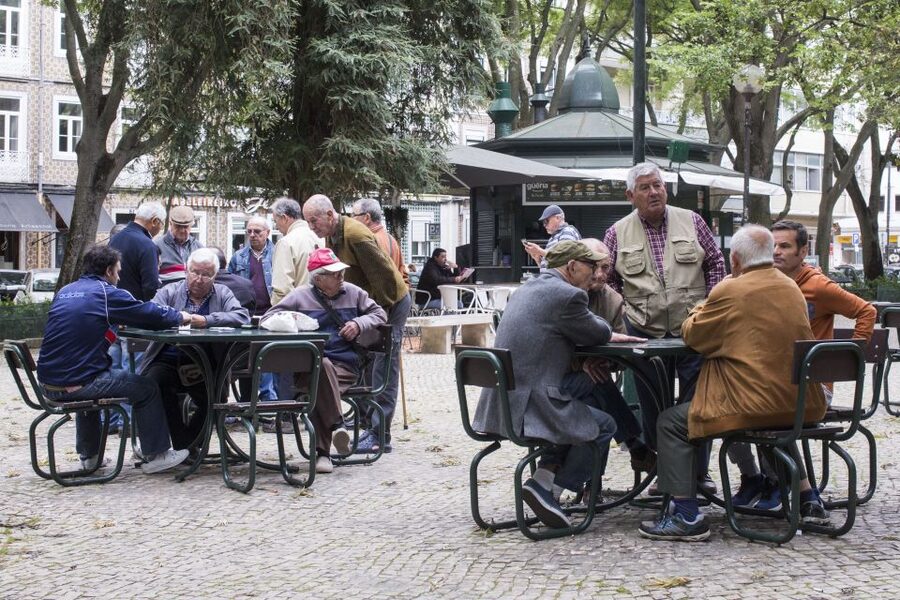
This is not just a snack crawl. It is designed as a complete petiscos morning, with enough food to replace breakfast and much of lunch. Petiscos are Portugal’s small savory dishes, often ordered to share, and they offer a good way to try several flavors without committing to one large plate.
You begin in the morning and work through five or six stops. The exact order can vary, but the structure includes a traditional coffee stop, a market visit, artisan sweets, local tasca food, drink pairings, and a light lunch. That sequence matters. You are not eating the same kind of food at every stop, so the three hours should feel varied rather than repetitive.
I especially like the balance between sweet and salty food. Lisbon’s traditional coffee culture is closely tied to pastries and small sweets, while petiscos bring in the savory side. A tour that includes both gives you a broader picture of how people eat during an ordinary day.
The amount is generous for a food walk. You can expect about 10 to 12 petiscos servings and paired drinks, though the information does not provide a fixed dish-by-dish menu. If you arrive after a large breakfast, you may find the pace quite filling.
More Lisbon food crawls:
- Lisbon: Pastel de Nata Baking Class
★ 4.9 · 2,106 reviews - Lisbon Small-Group Food Tour with 18 Tastings in Alfama District
★ 5.0 · 1,967 reviews - Lisbon: Baixa District Food Tour with Dinner and Drinks
★ 4.9 · 1,870 reviews
The less-touristy district sets the tone

The route takes place in an area described through its pink trees and streets named after revolutionaries. That detail gives you a useful clue about the experience: this is meant to be a neighborhood walk as much as a meal.
You will see Lisbon through food rather than through a checklist of famous monuments. The architecture and local history are part of the guide’s commentary, helping you understand what you are seeing between bites. You may find this more rewarding than a standard restaurant crawl because the stops sit within a broader picture of Lisbon life.
The route is also described as including places that are largely unknown to tourists. That does not mean every stop will feel secret or undiscovered, but it does suggest a focus on ordinary local businesses rather than restaurants chosen mainly for sightseeing appeal.
I would book this early in your Lisbon stay if you want food advice for the rest of your trip. Henrique, Enrique, and Phillipe are among the guides associated with the experience, and the food walk includes further recommendations you can use later. A morning orientation can help you decide where to return for coffee, sweets, drinks, or a casual meal.
Coffee and artisan sweets start the day
The opening food stops focus on breakfast, traditional coffee, and artisan sweets. Lisbon’s café tradition makes this a sensible beginning. Coffee shops are not just places to grab caffeine. They are part of the city’s social routine, and a guide can explain how these small establishments fit into everyday life.
You will likely receive sweet food alongside the coffee, although the supplied details do not name the individual pastries or sweets. That is worth keeping in mind if you want a precise menu before booking. The tour promises traditional coffee shops and artisan sweet boutiques, not a guaranteed list of particular items.
The artisan element is useful. It gives you a chance to compare the role of a specialist sweet shop with a normal café and to see how Portuguese treats are presented and sold. If you have a strong sweet tooth, this section may be one of the most enjoyable parts of the morning.
Families may also appreciate this opening. The sweet and salty balance makes the experience easier for mixed groups than a tour devoted only to wine, seafood, or intensely savory dishes. The food is still traditional, but the format is approachable.
The market stop brings in everyday Lisbon
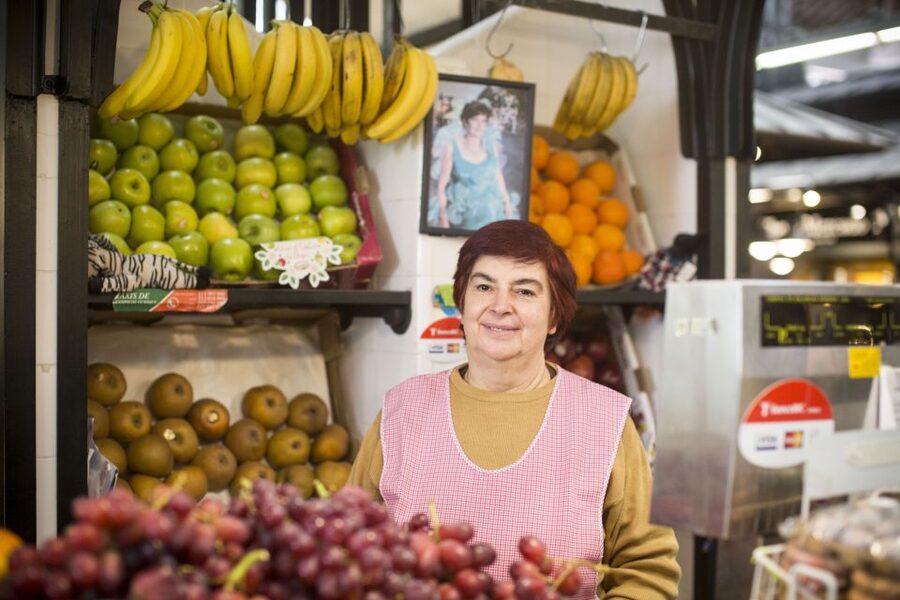
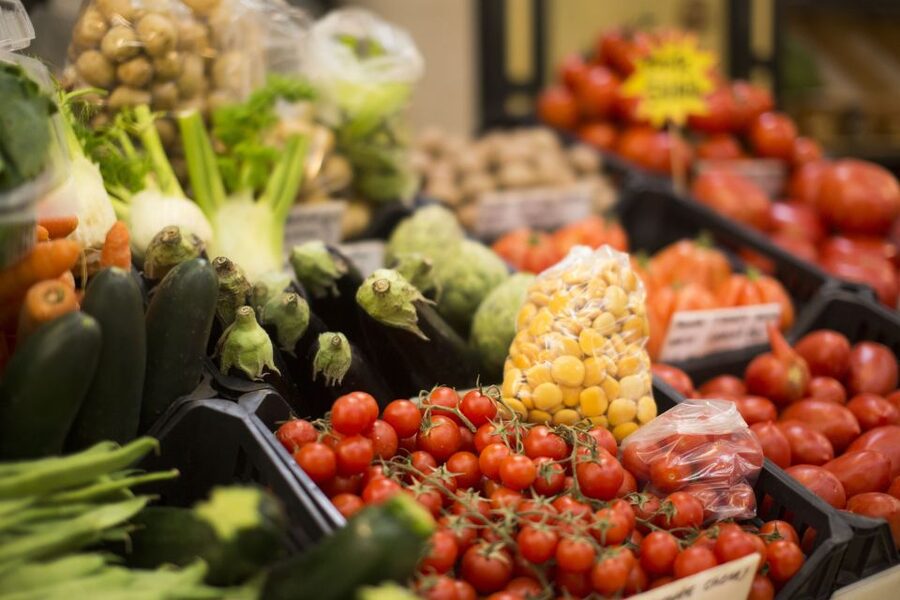
The market visit adds color and movement to the route. Rather than meeting Portuguese food only after it has been prepared in a restaurant, you get a look at where local ingredients and daily shopping fit into the city.
The available information does not identify the market or promise a particular stall. You should therefore treat this as a guided market visit, not a separate market tour with guaranteed tastings at named vendors. The value is in seeing a more ordinary side of Lisbon and learning how the guide connects products with Portuguese cooking.
Markets can also make food explanations more concrete. A guide can point out ingredients, talk about local habits, and place the later petiscos in context. You may not remember every product, but you should leave with a better sense of how food moves from shop or stall to café and tasca.
This is one reason the tour works well for first-time visitors. You are not only tasting finished dishes. You are also getting an introduction to the places where locals buy and enjoy food.
A handful more Lisbon ideas to compare
- Sailboat Tour in Lisbon with drinks included | Morning and Sunset
★ 4.5 · 867 reviews - Lisbon: Tagus River Cruise, Morning, Day, Sunset, or Night
★ 4.9 · 640 reviews - Lisbon: Morning of Equestrian Art with Lusitano Horses
★ 4.4 · 87 reviews - Morning Sailing Tour in Tagus River from Lisbon
★ 5.0 · 68 reviews
Tasca bars turn tasting into a meal
The tasca stops provide the savory center of the experience. A tasca is a modest Portuguese bar or restaurant, usually associated with simple food, casual service, and a local atmosphere. Here, petiscos and drink pairings become the main event.
The tour promises about 10 to 12 servings overall, not necessarily 10 to 12 separate restaurants. That is still a substantial amount for three hours. You may receive small portions at several stops, or several items at one stop, but the goal is clearly to feed you rather than offer tiny decorative samples.
The drink pairings are another strength. Food makes more sense when you understand what people drink with it, and the tour includes pairings throughout the morning. The details do not specify every beverage, so do not book it expecting a fixed wine, beer, or soft drink list.
The tasca setting should appeal to you if you prefer casual local places to polished dining rooms. It may be less suitable if you need a quiet, formal meal or want to choose every dish yourself. A guided tasting trades some control for variety and local direction.
Olive oil adds an unexpected tasting stop
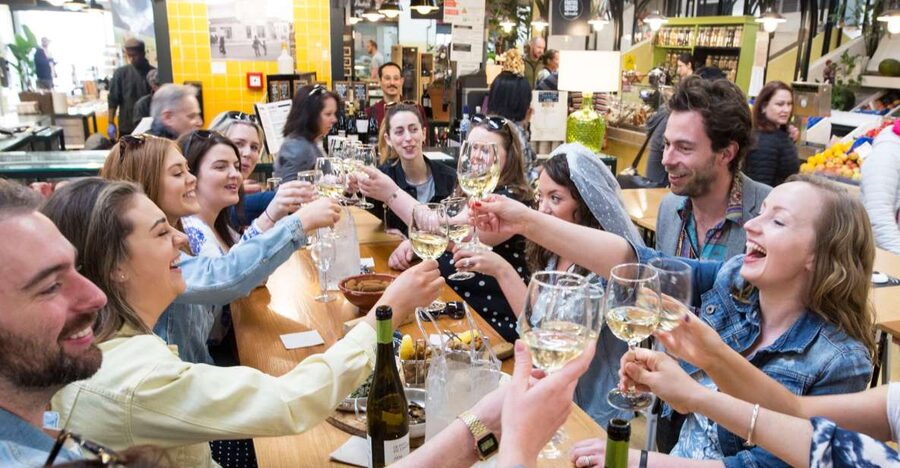
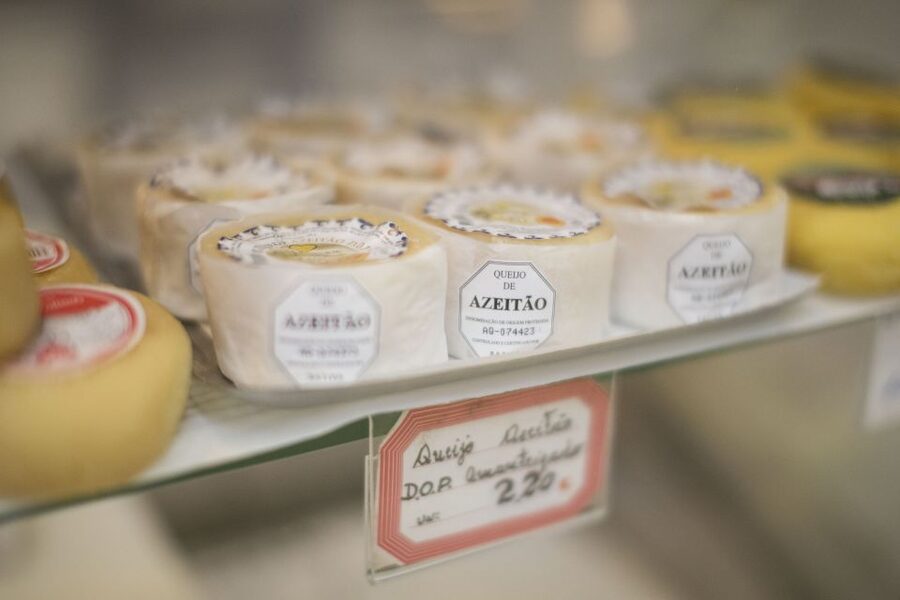
One of the clearest highlights is the olive oil tasting. The experience includes a visit where a woman described as both knowledgeable and passionate about her products leads the tasting. That personal connection can turn a familiar pantry item into a more interesting part of the meal.
Olive oil is easy to overlook because it appears on the table almost everywhere. A focused tasting gives you a chance to pay attention to aroma, texture, and differences between products. It also fits the tour’s larger purpose: helping you understand Portuguese food through small, everyday details.
This stop may be especially useful if you enjoy bringing food ideas home. You can ask questions, compare products, and get a better sense of what to look for when buying Portuguese olive oil. The tour does not state that purchases are included or available, so consider the tasting an educational stop rather than a shopping promise.
The olive oil section also breaks up the pastry and petisco rhythm. It gives your palate a different focus and makes the morning feel more like a food lesson than a string of restaurant visits.
A light lunch and aperitif close the route
The final part of the tour includes a light lunch and an aperitif. This gives the morning a clear finish, with food continuing into the time when Lisbon’s lunch habits begin.
Do not expect a full formal lunch based on the wording provided. The experience promises a light lunch, and the overall meal is made up of several smaller servings. If you prefer tasting many things to eating one large entrée, that format should suit you well.
The aperitif is a nice closing touch because it shifts the mood from breakfast and market browsing toward midday social eating. It also reinforces the idea of eating like a local rather than simply checking off Portuguese specialties.
By the end, you should have tasted across several categories: coffee, sweets, savory petiscos, olive oil, paired drinks, and a light meal. That range is the strongest reason to choose this over a shorter pastry or wine tasting.
How much value do you get for $76?
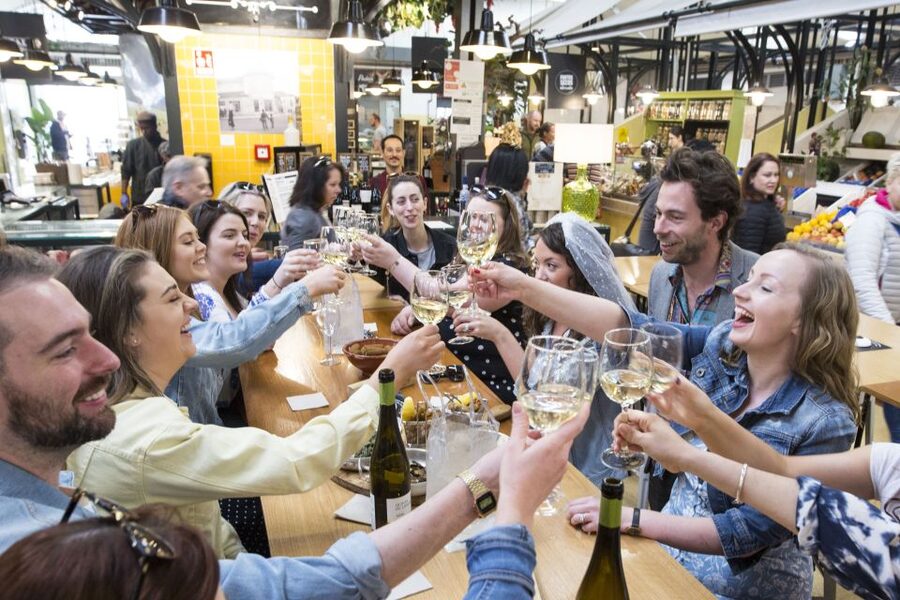
At $76 per person, this is not a cheap breakfast. The price makes more sense when you count what is included: three hours, five or six stops, roughly 10 to 12 food servings, drink pairings, a specialized food guide, and explanations about Portuguese food, history, architecture, culture, and lifestyle.
You are paying for both the meal and the interpretation. If you visited several cafés, a market, a sweet shop, and a tasca on your own, you might spend less or more depending on what you ordered. You would also need to find the places, judge what to try, and manage the timing yourself.
I see the best value for someone who wants a broad introduction in one morning. It is also useful if you are only in Lisbon for a short stay and want one organized food experience that covers several styles of eating.
The value is weaker if you are mainly looking for a large lunch, a fixed menu, or a cheap way to eat. The servings are numerous, but they are petiscos and tastings rather than one substantial restaurant meal. You are also paying for the guide’s local knowledge and the route through a less-touristy district.
What the guide adds beyond the food
The guide is expected to do more than carry you from one plate to the next. Commentary covers Portuguese food, local history, architecture, culture, and lifestyle. That wider view is important because food stops can otherwise blur together.
Henrique received specific praise for friendly explanations and useful recommendations. Another outing was led by Phillipe, who was described as easy to talk to, while Enrique was noted for making an intimate local visit feel welcoming. Since guides can vary by date, you should not assume one particular person will lead your tour, but these names give you a sense of the friendly, conversational style associated with the experience.
The language is English. That makes the history and food explanations accessible if you do not speak Portuguese, and it also makes it easier to ask questions as you go.
The tour requires a minimum of four participants. If that number is not reached, a new date is offered. I would keep this in mind if your schedule is tight, especially during a short Lisbon visit.
Timing, meeting point, and practical comfort
The activity lasts three hours, with starting times available according to the date you choose. You should arrive 10 minutes early and meet the guide at the kiosk. The supplied information does not name the kiosk, so check the booking details carefully before setting out.
Because the morning includes several food stops and a market, wear comfortable shoes and arrive hungry but not empty-stomached. The route is food-focused, but it is also a walking tour through a historic and architectural part of Lisbon.
The tour runs in English and is presented as a live guided experience. There is no indication of a private format, exact group size, or special transport, so you should expect a shared walking tour unless your booking states otherwise.
Food restrictions deserve attention. The experience is specifically not adapted for vegans. The supplied information does not explain how it handles vegetarian diets, allergies, gluten avoidance, or other restrictions, so contact the provider before booking if these affect your meal.
Cancellation is flexible up to 24 hours before the activity for a full refund. You can also reserve and pay later, which is useful if your Lisbon plans are still moving around.
Who should book this morning food tour?
I would choose this tour if you want a friendly introduction to Portuguese eating and prefer several small tastings to one restaurant reservation. It suits first-time visitors, families who enjoy both sweet and savory food, and anyone who wants local recommendations for the rest of a Lisbon stay.
It also fits people who like a little history and architecture with their meals. The route is not only about consuming food. You are learning how coffee shops, markets, sweets, tasca bars, and everyday streets fit together.
The tour is less suitable for strict vegans, people with unconfirmed dietary restrictions, and visitors who want a precise list of dishes before paying. It may also feel expensive if your main goal is simply to eat breakfast and lunch as cheaply as possible.
The 4.6 rating from 26 reviews, along with repeated praise for the food, the friendly guides, the local setting, and the olive oil tasting, supports the idea that the experience delivers what it promises. Still, the small number of published ratings means I would treat the score as useful guidance rather than a guarantee.
Should you book it?
Book it if you want a full three-hour introduction to Lisbon through food, with sweets, petiscos, markets, tasca bars, olive oil, and drink pairings all in one morning. The strongest reasons are the varied menu, the less-touristy route, and the chance to ask a local guide for practical food advice.
Skip it if you are vegan, need a tightly controlled menu, or want a large sit-down lunch for less money. For most food-curious visitors who can eat traditional Portuguese fare, $76 is a fair price for the amount of food and guidance included.
FAQ
How long does the Lisbon Original Morning Food Tour last?
The tour lasts three hours.
How much does the tour cost?
The price is $76 per person.
How many food stops are included?
The experience includes five to six stops.
How much food is served?
You can expect about 10 to 12 petiscos servings, along with drink pairings.
What types of food are included?
The morning includes breakfast, traditional coffee, artisan sweets, market food, petiscos, a light lunch, and an aperitif.
Is the tour conducted in English?
Yes. The live tour guide speaks English.
Where do I meet the guide?
You meet the guide at the kiosk and should arrive 10 minutes before the activity begins.
Is the tour suitable for vegans?
No. The tour is not adapted for vegan diets.
Does the tour require a minimum number of participants?
Yes. A minimum of four participants is required. If the minimum is not reached, a new date is offered.
Can I cancel for a full refund?
Yes. You can cancel up to 24 hours in advance for a full refund. You can also reserve now and pay later.
Fresh finds around Lisbon
- Lisbon: Tuk Tuk City Tour★ 3.6 · 7 reviews
- Fatima Full day Private Tour★ 5.0 · 7 reviews
- Lisbon: Highlights and Hidden Gems Tour★ 5.0 · 7 reviews
- Private Tour to Evora and Monsaraz from Lisbon★ 5.0 · 7 reviews
- Discover Sintra Beauty with a Guided Journey from Lisbon★ 5.0 · 7 reviews
- Nazaré: Beaches of Nazaré Guided E-Bike Tour★ 4.9 · 7 reviews
- Private Half-Day Tour to Sintra★ 3.4 · 7 reviews
- Lisbon: Sunset and Wine Catamaran Tour★ 5.0 · 7 reviews
Lisbon Food Tours, compared.
Lisbon Small-Group Food Tour with 18 Tastings in Alfama District
Read our review →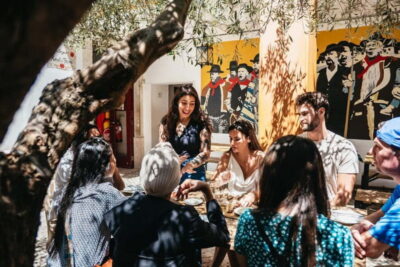
Lisbon: Baixa District Food Tour with Dinner and Drinks
Read our review →
Devour Lisbon: The Ultimate Portuguese Food Tour
Read our review →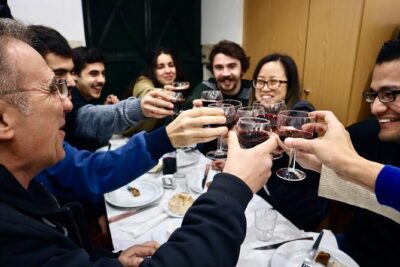
Lisbon Food Tour with 10+ Tastings of Local Delicacies & Wines
Read our review →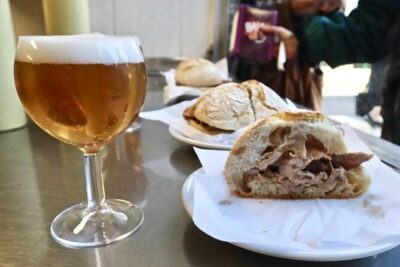
Lisbon Private Food Tour – Taste 10+ Local Dishes & Wines
Read our review →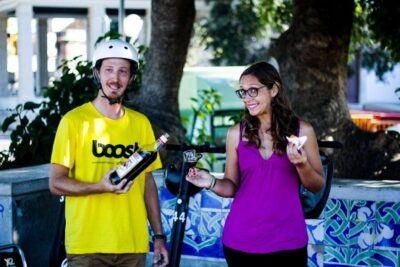
Lisbon: Segway Food Tour of Alfama and Old Town Lisbon
Read our review →
Lisbon Awakens: A Culinary Crossroads, Reborn.
Read our review →Browse the lists this tour appears in