
Reviewed · MUSEUMS
Lisbon: MAAT Gallery and MAAT Central Entry Tickets
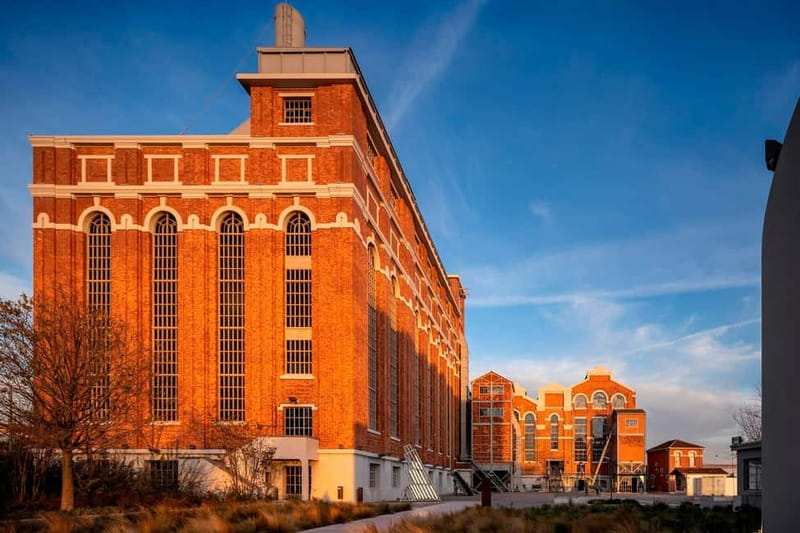
Lisbon’s MAAT brings two very different worlds together: a sleek contemporary gallery and a 1908 thermal power station where coal was transformed into electricity. You can move from bold modern art to machinery, industrial history, and open views of the Tagus without changing museums.
I like the ticket’s two-building access, especially when several temporary exhibitions are showing. I also like the setting, where the MAAT Garden links the buildings and gives you a pleasant outdoor break beside the river.
The main consideration is that exhibitions and building access can change during installation work. One visitor could see only the lower level of the gallery during ongoing work, so check current conditions if a particular exhibition is the reason for your visit.
In This Review
- Key points to know before you go
- Two museums, one waterfront setting
- MAAT Gallery and its unusual architecture
- MAAT Central and the story of electricity
- The MAAT Garden along the Tagus
- How to plan your one-day visit
- Is the $12 ticket good value?
- Access, facilities, and rules that affect your visit
- Who will enjoy MAAT most?
- Should you book the MAAT ticket?
- FAQ
- Where is MAAT located?
- What does the ticket include?
- How long is the ticket valid?
- Does the ticket include transportation?
- Are food and drinks included?
- Is MAAT wheelchair accessible?
- Are lockers available?
- Can children visit MAAT alone?
Key points to know before you go
- One ticket covers two very different museums: See MAAT Gallery and the former thermal power station, MAAT Central.
- The power station provides the historical anchor: Learn how coal was converted into electricity inside a working industrial setting.
- The gallery focuses on changing contemporary art: National and international artists, architects, and thinkers appear in temporary exhibitions.
- The Tagus-side garden is part of the experience: Use MAAT Garden for views, fresh air, and a pause between indoor spaces.
- Free guided tours are available on site: No named guide is assigned in advance, so ask at the museum when you arrive.
- The $12 price is reasonable for a flexible visit: You have the full day to see both buildings, though food, transport, and lockers cost extra.
Two museums, one waterfront setting
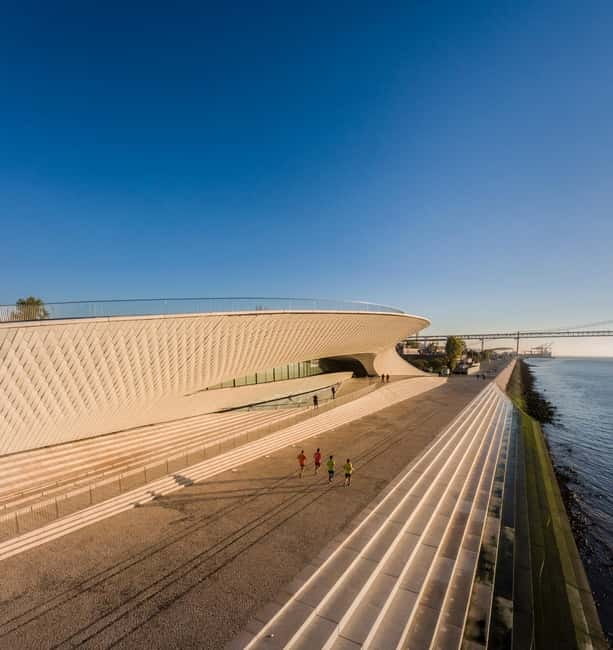
MAAT is in Belém, a historic area of Lisbon on the bank of the Tagus River. The museum is made up of MAAT Gallery, the modern building, and MAAT Central, the former thermal power station. MAAT Garden connects the two.
That layout matters. You are not simply walking through a single gallery with a few rooms. You are comparing two kinds of space: one designed for contemporary art and architecture, the other shaped by industrial work and the production of electricity.
I would allow several hours rather than rushing through both. The ticket is valid for one day, so you can take your time, step outside between buildings, and return to an exhibition if you need a second look. The museum also offers free guided tours on site, which can help you make sense of a temporary show or the power station displays.
There is no included transportation, food, or drink, so plan your route and meals separately. A café is available at MAAT Gallery, along with an ATM and a gift shop. MAAT Central has its own gift shop.
A handful more Lisbon ideas to compare
- Lisbon: Luz Stadium Tour & SL Benfica Museum Ticket w/Scarf
★ 4.7 · 3,264 reviews - Lisbon: National Tile Museum Entry Ticket
★ 4.6 · 868 reviews - Lisbon: Banksy Museum Permanent Exhibition Entry Ticket
★ 4.7 · 506 reviews
MAAT Gallery and its unusual architecture
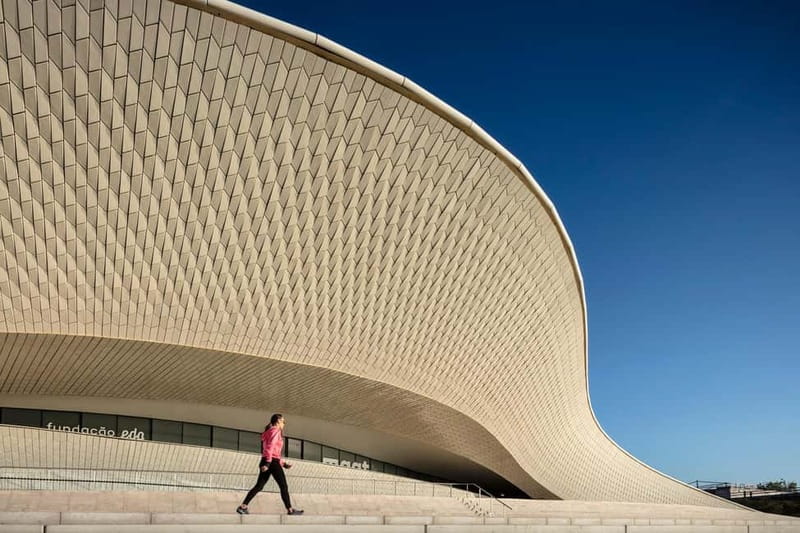
The gallery building is one of the first things you notice. Its design is unconventional, and the building itself is part of the experience rather than a plain container for art.
Inside, you can see national and international exhibitions featuring contemporary artists, architects, and thinkers. The exact mix changes, which gives the museum a fresh feel but also means the quality and appeal of your visit will depend on what is on display that day.
That changing program is a strength if you enjoy new work. One visit may bring photography, another may focus on architecture or a major international artist. A particularly well-received exhibition featured William Klein, and the museum has shown enough variety for some people to see four different exhibitions in one afternoon.
I like this kind of museum best when you give yourself permission not to understand every piece. Contemporary art can be direct, strange, playful, or demanding. MAAT works well as a place to look closely, discuss what you see, and move on when a work does not speak to you.
The possible downside is that a changing exhibition program offers no guarantee that your preferred subject will be on view. Building work can also affect access. During one period of ongoing work, only the downstairs area of the gallery was open. Check current exhibition and access details if you are visiting for one specific show.
MAAT Central and the story of electricity
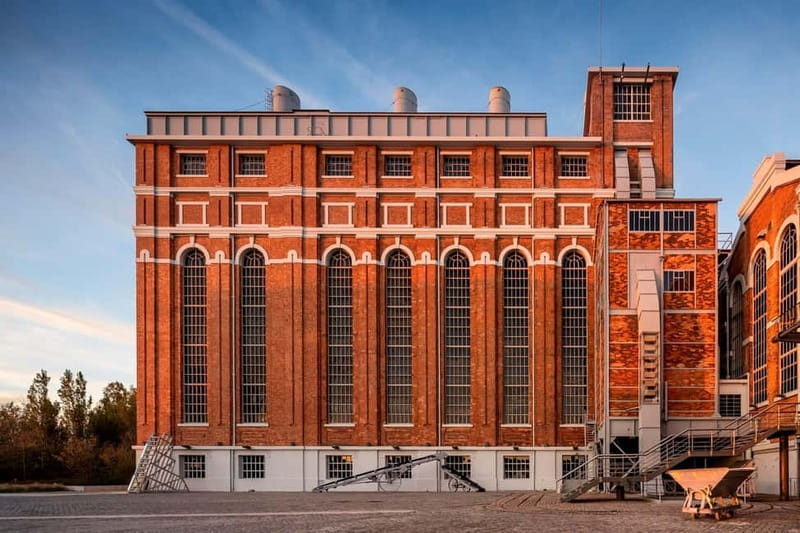
MAAT Central gives the visit its strongest sense of place. The building began as a thermal power station in 1908, and its purpose was practical: transforming coal into electricity.
Here, the museum explains how that process worked. You can see the industrial setting and learn about the machinery and stages involved in power production. This is not simply a room filled with old equipment. The building helps you understand the scale and effort behind a basic service that modern life often hides.
I find this part especially useful for families and for anyone who likes technology, engineering, or working buildings. You do not need a specialist background to appreciate the story. The basic idea is clear: fuel entered the plant, a complex process followed, and electricity emerged for use elsewhere.
The contrast with MAAT Gallery is the point. In the gallery, you are asked to consider ideas through art and architecture. In Central, you follow a physical process tied to labor, machines, fuel, and urban life. Together, the buildings give the museum more range than a standard contemporary art visit.
Do not rush through Central simply because you came for the modern gallery. The power station is likely to be the most distinctive part of the ticket for many people. It provides something you cannot get from a conventional white-walled exhibition space.
The MAAT Garden along the Tagus
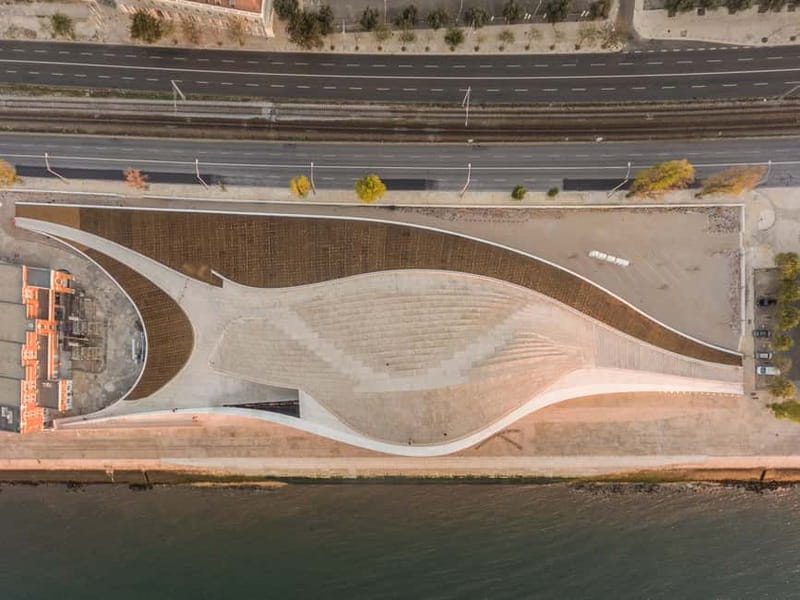
MAAT Garden stretches between the buildings and along the Tagus. It makes the museum feel open and connected to Lisbon rather than sealed indoors.
Use the garden as part of your visit, not just as a route from one entrance to another. You can pause outside, look across the river, and take in the relationship between the modern building, the old power station, and the waterfront.
The garden also helps with pacing. Contemporary art can require concentration, while the power station offers a lot of visual and technical information. A short outdoor break gives you a chance to reset before entering the second building.
The setting is one of the museum’s most praised features. MAAT combines modern architecture with public space in a way that encourages you to linger. If the weather is pleasant, you may find the outdoor areas as memorable as some of the indoor displays.
Remember that the garden does not replace the museum experience. The main reason to buy the ticket is access to both buildings, while the outdoor area adds room, views, and a welcome change of pace.
Nearby in Lisbon, a different day entirely:
- Lisbon City Center Tour – The Unmissable Lisbon
★ 5.0 · 22,234 reviews - Lisbon: Sintra, Pena, Regaleira, Cabo da Roca & Cascais
★ 4.7 · 19,656 reviews - Sintra: Pena Palace and Park Entrance Ticket
★ 4.2 · 17,410 reviews - Lisbon: Jerónimos Monastery Entrance Ticket
★ 4.1 · 14,164 reviews
How to plan your one-day visit
The ticket is valid for one day, with starting times based on availability. It is best suited to a flexible schedule rather than a tightly timed tour.
At the start, head to the ticket office to exchange your voucher for a physical ticket. You are entitled to move ahead in the ticket office line, which can save time at a busy moment. After that, decide whether to begin at the gallery or Central.
I would choose based on your interests. Start at MAAT Gallery if you want to see the temporary exhibitions while your attention is fresh. Start at Central if the electricity displays and industrial setting are the main reason you came.
A practical sequence looks like this:
- Collect your physical ticket at the ticket office.
- Visit the building that interests you most.
- Walk through MAAT Garden and take a break beside the Tagus.
- Enter the second building.
- Ask about any free guided tours available on site.
- Finish with the gift shop, café, or another walk through the garden.
There is no fixed guided itinerary, and no guide’s name is provided because the free tours are arranged on site. Ask staff when you arrive if a tour is running and whether it matches your interests.
You should not count on storing large luggage. Large bags and luggage are not allowed, and lockers cost one euro coin. Food and drinks are also not allowed inside the museum, though the gallery has a café for a break before or after your visit.
Is the $12 ticket good value?
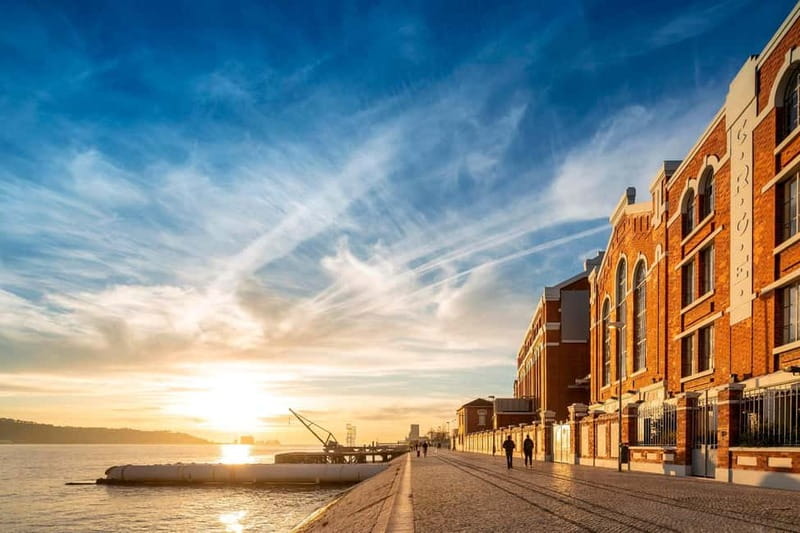
At $12 per person, the ticket offers solid value if you plan to see both buildings. You are paying for access to contemporary exhibitions, a major industrial building, outdoor spaces, and any free guided tours available that day.
The value is less clear if you only want one short gallery visit. Temporary exhibitions vary in size and interest, and building work may limit some areas. The ticket makes the most sense when you treat MAAT as a half-day stop in Belém rather than a quick look at one show.
The one-day validity helps. You do not need to force both buildings into a hurried hour. You can plan around your wider day in Belém, use the garden, and visit the café without turning the museum into a race.
The ticket does not include transportation, so factor in the cost and time of reaching Belém. It also does not include food or drinks. Those are small additions, but they matter if you are comparing this with a more structured sightseeing pass or a guided tour that includes transport.
For art lovers, the ticket is particularly good value when several exhibitions are open. For families, the electricity displays provide a clear subject beyond contemporary art. For architecture fans, the relationship between the modern gallery and the old power station gives you plenty to examine even if one exhibition is not your style.
Access, facilities, and rules that affect your visit
MAAT is wheelchair accessible, with lift and ramp access to the upper floors. The museum has been adapted for people with reduced mobility, and two wheelchairs are available on request at the ticket offices.
Toilets for visitors with special needs are available. Nappy-changing facilities are in both buildings, which is useful for families with small children. Children must remain with an adult, and unaccompanied minors are not allowed.
The museum has a café, an ATM, and a gift shop at MAAT Gallery. MAAT Central also has a gift shop. These facilities make it easy to add a short break, though you cannot bring food and drinks into the exhibition spaces.
Smoking, pets, and large bags are not allowed. Assistance dogs are permitted. Do not touch exhibits, cross safety barriers, or use flash photography. Professional photography requires prior permission, and staff directions must be followed.
These rules are standard for a museum, but they are worth knowing before you arrive. The power station contains equipment and areas that require careful boundaries, while contemporary exhibitions can include delicate works that are easily damaged by touch or flash.
Who will enjoy MAAT most?
I would recommend this experience to you if you like contemporary art but also want historical context and architecture. The two buildings balance each other well, so the visit does not depend entirely on your taste in modern exhibitions.
It is also a good choice for anyone interested in technology or industrial design. MAAT Central gives the ticket a practical subject, while the gallery supplies the more experimental side.
Families can benefit from the variety. Children may connect more quickly with the machines and electricity story than with an abstract installation, while the garden offers space to pause. Adults should still expect children to stay accompanied at all times.
Architecture fans should allow time to look at the gallery from outside and consider how it meets the garden and riverfront. The building is not merely a doorway to the art. It is one of the museum’s main subjects.
I would be more cautious if your schedule is very tight or if you are visiting only for a particular exhibition. The program changes, access can be affected by installation work, and the museum offers no guarantee that a specific display will be open. In that case, check the current schedule before paying.
Should you book the MAAT ticket?
Book it if you want a flexible cultural stop in Belém with contemporary art, modern architecture, and industrial history in one place. The $12 price is fair for access to both buildings, especially when several exhibitions are running and you have time to use the garden and consider a free on-site tour.
Skip it if you have only a few minutes, dislike contemporary art, or want a fully guided experience with transportation included. There is no transport in the ticket, and the free tours are arranged at the museum rather than guaranteed at a specific time.
For most visitors with half a day available, I would choose the ticket. Start with the building that interests you most, keep the garden as a break, and do not treat MAAT Central as an optional extra. The former power station is what gives the museum its character.
FAQ
Where is MAAT located?
MAAT is in Belém, in Lisbon District, along the Tagus River.
What does the ticket include?
The ticket includes entry to MAAT Gallery and MAAT Central. Free guided tours are available on site.
How long is the ticket valid?
The ticket is valid for one day. Starting times depend on availability.
Does the ticket include transportation?
No. Transportation is not included.
Are food and drinks included?
No. Food and drinks are not included, and they are not allowed inside the museum. A café is available at MAAT Gallery.
Is MAAT wheelchair accessible?
Yes. The museum has lift and ramp access to the upper floors, toilets for visitors with special needs, and two wheelchairs available on request at the ticket offices.
Are lockers available?
Lockers are available for one euro coin. Large bags and luggage are not allowed.
Can children visit MAAT alone?
No. Children must always be accompanied by adults, and unaccompanied minors are not allowed.
Fresh finds around Lisbon
- Sanctuary of Fátima and Coimbra City Tour★ 4.5 · 51 reviews
- Sintra/Lisbon: Sintra & Quinta da Regaleira Tour with Ticket★ 4.4 · 51 reviews
- Jeronimos Monastery Guided Tour – Small Groups – Tickets Included★ 5.0 · 51 reviews
- Lisbon: Private Christmas Lights Tour by Eco Tuk Tuk★ 4.9 · 51 reviews
- Peniche: Berlengas Island Catamaran Tour – Round Trip★ 4.6 · 51 reviews
- Half day Spa Water Therapy experience at THE SPA at Corinthia Lisbon★ 4.5 · 51 reviews
- Lisbon: Private Tuk-Tuk Tour for 2 hours★ 4.7 · 51 reviews
- Premium Lisbon Airport Transfer to Lisbon★ 5.0 · 51 reviews
Museums, compared.

Lisbon: Banksy Museum Permanent Exhibition Entry Ticket
Read our review →
Lisbon: Belem, Jeronimos Monastery, and Coach Museum Tour
Read our review →
Lisbon SL Benfica Stadium & Museum Tour with Scarf
Read our review →
Lisbon: Customized Luz Stadium and Guided Museum Tour
Read our review →
Lisbon: National Tile Museum E-Ticket & Audio Guide
Read our review →
Browse the lists this tour appears in