
Reviewed · HISTORICAL TOURS
Lisbon: Jewish History Tour of Lisbon
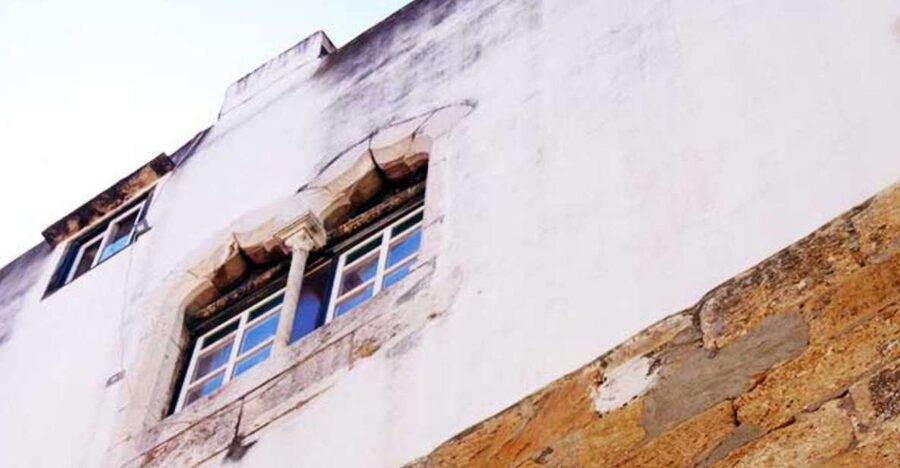
Lisbon’s Jewish past is mostly a story told through streets rather than displayed in museums. This private walking tour traces the old Judiarias, medieval Jewish quarters, from Praça do Comércio through Alfama, Baixa, Mouraria, Praça da Figueira, and Rossio. Along the way, you connect Jewish life with Portugal’s exploration, forced conversions, the 1506 Pessah massacre, and the passage of World War II refugees.
I like the tour’s strong historical thread. It does not treat Jewish Lisbon as an isolated subject, but shows how the community shaped and was shaped by Portuguese culture, science, gastronomy, and overseas migration. I also like the private format, which gives you room to ask questions and adjust the pace. The main drawback is clear: very few physical remains survive, so this works best for readers who enjoy interpretation and storytelling more than preserved buildings and artifacts.
In This Review
- Key points to know before you book
- Why this tour works best as a walking history lesson
- Praça do Comércio and the story that begins with Exodus
- Alfama and the medieval Judiarias
- Baixa and the painful history of forced conversion
- Rossio and the 1506 Pessah massacre
- From medieval Lisbon to refugees in the 1940s
- What the missing buildings mean for your experience
- Guide quality and the value of a private group
- Practical details for planning your day
- Who should book this Lisbon Jewish history walk?
- Should you book it?
- FAQ
- How long does the Jewish History Tour of Lisbon last?
- What districts does the tour visit?
- Where is the meeting point?
- How will I recognize the guide?
- What languages are available?
- Is this a private tour?
- Does the price include hotel pickup?
- Are food and drinks included?
- What should I bring?
- Can I cancel the tour?
Key points to know before you book
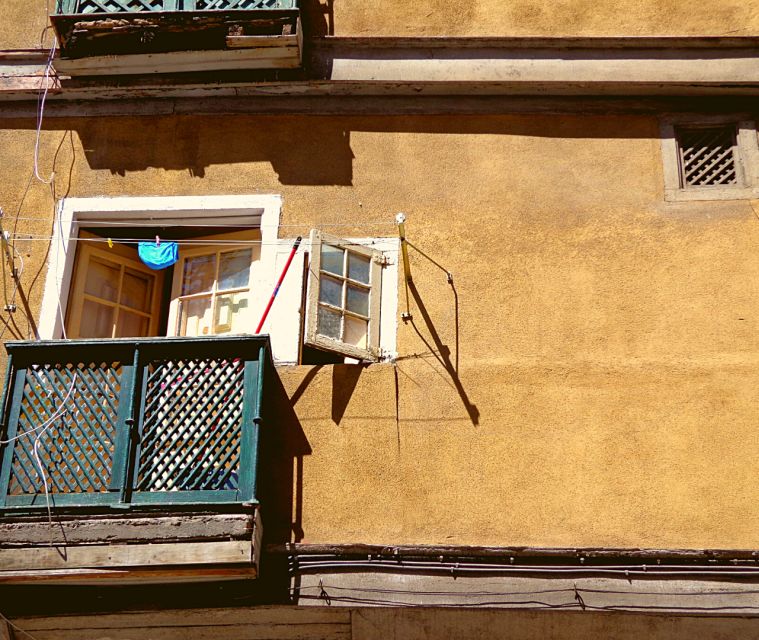
- A three-hour walk across central Lisbon: The route links Praça do Comércio, Alfama, Baixa, Mouraria, Praça da Figueira, and Rossio.
- History carried by the guide: Guides including José, Filipa, Rita, Sofia, Jorge, and Felipe have led tours, with English and Portuguese available.
- The 1506 Pessah massacre: Rossio provides the setting for one of the tour’s darkest and most important episodes.
- Forced conversion in Baixa: You learn how Jewish identity and Portuguese history became tangled through conversion and the rise of the New Christian community.
- More than medieval history: The walk also covers Lisbon’s modern Jewish presence and the arrival of World War II refugees in the 1940s.
- Bring good shoes: This is a substantial city walk through historic districts, with some uneven streets and hills.
Why this tour works best as a walking history lesson
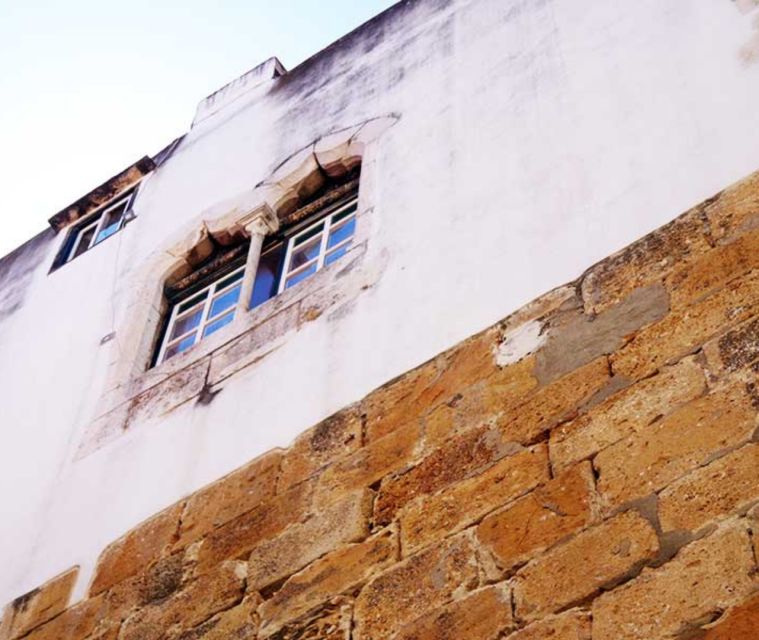
This is not a standard sightseeing circuit with a Jewish label added to familiar landmarks. The route uses central Lisbon as a historical document. You move through the places where Jewish residents lived, worked, worshipped, converted, suffered, and later reappeared in different forms.
That approach matters because little of the old community remains above ground. You should not expect a preserved medieval synagogue at every stop or a gallery filled with objects. Instead, the guide explains what happened in each district and helps you read the modern city around you.
I find that format especially useful in Lisbon, where earthquakes, redevelopment, religious persecution, and the passage of time have changed the physical city. A good guide becomes essential. José, Filipa, Jorge, Rita, Sofia, and Felipe are among the guides who have led this experience, and the strongest praise has focused on their clear explanations, storytelling, patience, and ability to answer questions.
The private-group setting is another advantage. You can ask about a family name, a historical figure, Portuguese Jewish customs, or the later diaspora without worrying about holding up a large group. The tour can also be adapted to different starting points and time frames, though the advertised guided walk lasts three hours.
More history-first plans:
- Lisbon: History, Stories and Lifestyle Walking Tour
★ 4.8 · 10,902 reviews - Lisbon: Live Fado Show with Port Wine in Historic Center
★ 4.7 · 4,166 reviews - Lisbon: Fado Show with Wine in a Historic Venue
★ 4.8 · 1,294 reviews
Praça do Comércio and the story that begins with Exodus
The meeting point is under the large triumph arch at Praça do Comércio. Look for a guide carrying an orange backpack or a tote bag with the large Lisbon Walker logo.
The square is a practical place to begin because it opens the tour toward Lisbon’s waterfront and trading past. Here, the guide introduces the broader story of Jewish movement and diaspora. The experience connects the origin of the Exodus story with the later movement of Jewish communities from Lisbon toward the Atlantic, the Mediterranean, Asia, and northern Europe.
You are not simply looking at a grand plaza. You are starting with a question about movement: how communities leave, settle, adapt, and carry traditions into new places. That theme returns throughout the walk.
From here, the route passes Praça do Município, Rua do Comércio, Casa dos Bicos, and the Ribeira area. These stops place Jewish life within the working city, rather than treating it as a separate subject. You hear about community legacy in Portuguese culture, science, and gastronomy, alongside the pressures that shaped Jewish life.
The exact time spent at each place can vary. A private tour is useful here because you can signal what interests you most, especially if you want more time on genealogy, migration, religious policy, or the history of New Christians.
Alfama and the medieval Judiarias
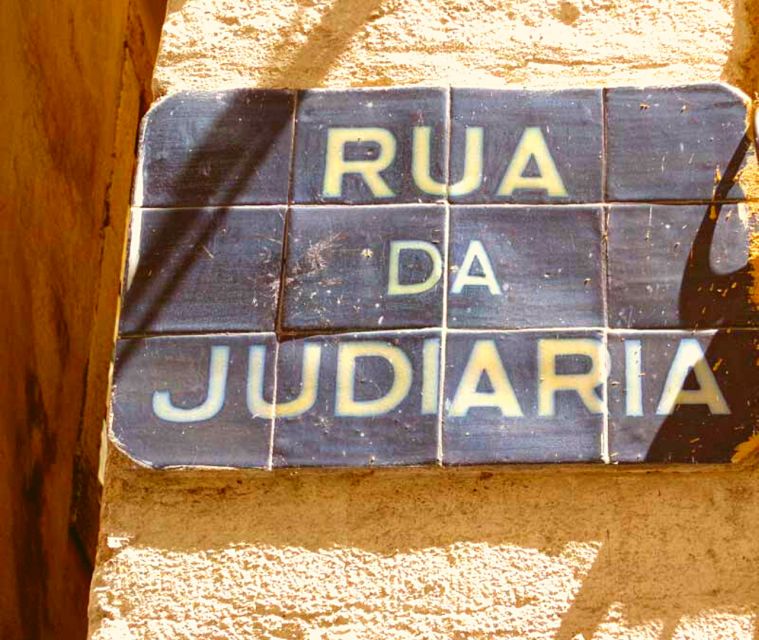
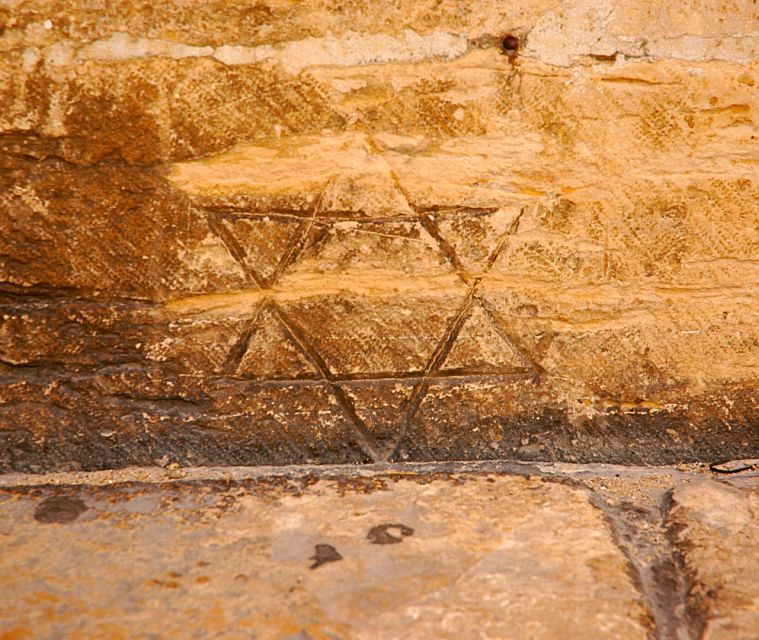
Alfama is one of the main areas for understanding medieval Jewish segregation in Lisbon. The tour walks through the castle hill and Alfama to discuss the old Jewish quarter, or Judiaria, and the way Jewish residents were organized within the medieval city.
The value of this section is not a large collection of surviving Jewish monuments. It is the chance to understand how a neighborhood functioned and how separation affected daily life. Your guide provides the missing layer, explaining the historical setting behind streets that now look like ordinary Lisbon lanes.
Expect plenty of walking and some hill work. Several people who took the tour described it as a fair-distance walk, while another found the hill climbing limited. Those experiences can both be true because the route and pace may change, and the private format allows the guide to slow down for rests.
I would wear firm, comfortable shoes and avoid scheduling this immediately before another demanding walking tour. Lisbon’s historic streets can make three hours feel longer than the clock suggests, particularly on a hot day. The tour has been adjusted for older participants and pauses can be taken when needed, but you should still be ready to walk.
Baixa and the painful history of forced conversion
The route then moves through Baixa, where the guide explains forced conversions and the transformation of Jewish residents into New Christians. This section is central to the tour because it shows how official policy could change public identity without erasing family memory, private belief, or social tension.
Baixa is also a useful setting for discussing the collision between commerce, religion, and political power. The tour places Jewish history within the wider story of Lisbon, rather than presenting persecution as a footnote.
You will hear about the community’s legacy in Portuguese life, including contributions linked to culture, science, and food. At the same time, the guide does not soften the difficult parts: conversion was not always freely chosen, and the New Christian story is tied to fear, pressure, and suspicion.
This is where a private guide earns the fee. You can stop to clarify terms or ask how the treatment of Jewish communities changed across different periods. The best guides on this tour have been praised for explaining complex events in plain English and for connecting Jewish history to Portugal’s broader development.
A handful more Lisbon ideas to compare
- Lisbon City Center Tour – The Unmissable Lisbon
★ 5.0 · 22,234 reviews - Lisbon: Sintra, Pena, Regaleira, Cabo da Roca & Cascais
★ 4.7 · 19,656 reviews - Lisbon: Jerónimos Monastery Entrance Ticket
★ 4.1 · 14,164 reviews - Lisbon: Sunset Boat Party Cruise with DJ and Open Bar
★ 4.5 · 10,378 reviews
Rossio and the 1506 Pessah massacre
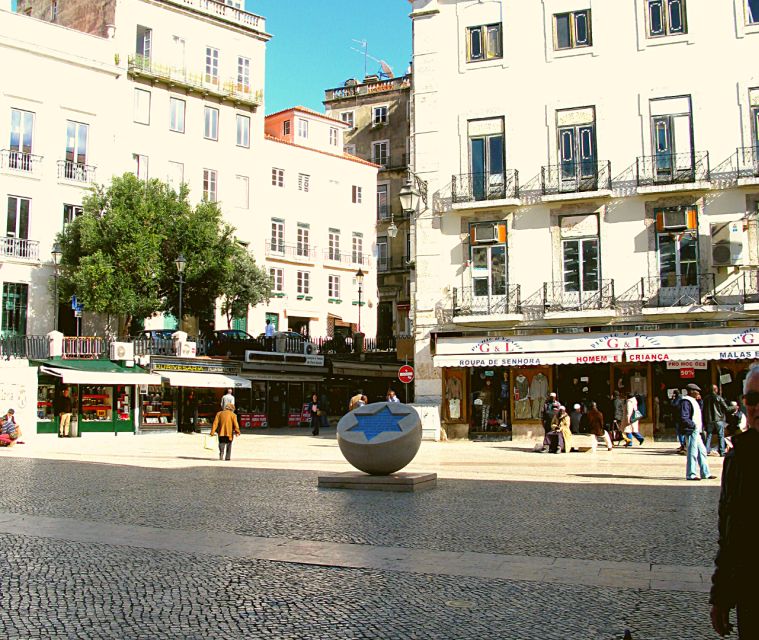
Rossio brings the walk to one of its most somber points: the 1506 Pessah massacre. The square is now a major public space, but the tour asks you to picture the violence that took place here and to consider what it meant for Lisbon’s Jewish and New Christian communities.
This stop gives the tour emotional weight. It is not simply a list of dates and policies. The guide explains how public hostility and religious pressure could turn into mass violence, then connects that episode to the later disappearance of visible Jewish life in Lisbon.
You should expect this portion to be serious rather than theatrical. The strength of the experience depends on the guide’s ability to give enough context without turning tragedy into spectacle. The guides praised most warmly, especially José and Filipa, were described as engaging storytellers who made difficult history understandable.
From Rossio, the route also includes Praça da Figueira and Mouraria. These areas help complete the picture of Lisbon’s changing population and the overlap between communities. The walk may include additional historic locations, such as churches or Roman remains, depending on the guide and the group’s interests. Those additions can be useful because they show how much of Lisbon’s past exists in layers, even when Jewish buildings no longer survive.
From medieval Lisbon to refugees in the 1940s
A major strength of this experience is that it does not stop with the medieval period or the Inquisition. It also covers contemporary Jewish life in Lisbon and the passage of World War II refugees through the city during the 1940s.
That modern section broadens your understanding of Lisbon’s role in Jewish history. The city was not only home to an older community. It also became part of the story of people moving through Europe during a time of danger and upheaval.
The Resistance Museum is included among the places on the route. Its presence helps connect the refugee story with the wider political history of the period. The tour can therefore appeal even if you are interested in modern European history as much as in medieval Jewish life.
I appreciate this wider time span. A shorter tour might focus only on the old quarter and the massacre, leaving you with the impression that Jewish Lisbon ended centuries ago. Here, you get a more continuous account, from medieval segregation to forced conversion, diaspora, wartime movement, and modern presence.
What the missing buildings mean for your experience
The lack of surviving artifacts is the most important expectation to set. Several people who took this walk found the absence of physical remains disappointing, even while praising the guide and the historical content.
I would not book this tour expecting a museum visit in the open air. You will see neighborhoods, streets, squares, churches, and other city landmarks, but much of the Jewish story is oral and interpretive. The guide reconstructs the past through location, context, and historical figures.
That can be a strength if you like history that asks you to imagine what has disappeared. It can be a weakness if you need intact synagogues, inscriptions, ritual objects, or clearly marked buildings to make a subject feel real.
The tour also brings in hidden Roman remains and churches on some routes. These are not substitutes for Jewish artifacts, but they can help you understand the layers of Lisbon’s past and make the walk more varied. Ask your guide to explain how these extra stops relate to the main theme rather than treating them as unrelated sightseeing.
Guide quality and the value of a private group
The guide is the heart of this experience. The strongest guides have been described as articulate, friendly, patient, and able to keep a group engaged for all three hours. José received especially warm praise for his command of Portuguese and Jewish history, while Filipa was noted for clear English and a considerate pace on a hot day.
Other guides named in the tour experience include Rita, Sofia, Jorge, Felipe, and José Antunes. You may not be able to choose a particular guide when booking, so I would judge the experience by the quality of the guiding team rather than by one person’s name.
A private group gives you several practical benefits. You can ask questions without interrupting a large crowd, adjust the speed, and request more attention to the subjects that matter to you. The tour is available in English or Portuguese.
At $106 per person, the price is not cheap for a three-hour walk. The value improves if you are sharing the private experience with family or friends and want a focused introduction rather than a general city tour. It is also easier to justify if Jewish history is a major reason for your Lisbon visit.
For a solo visitor or a couple comparing lower-cost group walks, the price may feel high, particularly because there are few physical remains to see. You are paying mainly for the guide’s preparation, interpretation, and flexibility, not for entry to a major museum or monument. The listed price includes the three-hour guided tour, but not food, drinks, or hotel pickup and drop-off.
Practical details for planning your day
The tour is advertised as lasting three hours, although the activity is valid for one day and can be tailored to different time frames and starting points. Confirm the available start time when you book.
Meet under the big triumph arch at Praça do Comércio. The orange backpack or Lisbon Walker logo makes the guide easier to spot in a busy square. There is no hotel pickup, so plan your own way to the meeting point.
Wear comfortable shoes. You will walk through central districts, including Alfama, Baixa, Mouraria, Praça da Figueira, and Rossio, and the route may include uneven pavement and hills.
Food and drinks are not included. I would carry water, especially in warm weather, since the walk can feel demanding even when the hill climbing is limited.
The tour offers free cancellation up to 24 hours in advance and lets you reserve now while paying later. Those terms are useful if your Lisbon plans are still shifting, but the main booking decision is whether you want a spoken historical interpretation rather than a monument-heavy outing.
Who should book this Lisbon Jewish history walk?
I would recommend it to you if you want to understand Jewish life as part of Lisbon’s wider political, cultural, and social story. It suits people interested in medieval communities, forced conversion, the 1506 massacre, New Christians, World War II refugees, and the global diaspora that spread from Portugal.
It is also a good choice if you prefer private guiding and enjoy asking detailed questions. Families and small groups can set a comfortable pace, and older participants may appreciate the guide’s ability to pause when needed.
I would think twice if you want a tour filled with preserved Jewish architecture and museum objects. The physical evidence is limited, and the experience depends heavily on the guide’s storytelling. If that sounds frustrating, choose a site-based museum visit instead, or pair this walk with another Jewish heritage stop elsewhere in Portugal.
Should you book it?
Book this tour if you want the historical map behind Lisbon’s streets. You will walk through the old Jewish quarters, hear how forced conversion changed community life, confront the 1506 Pessah massacre, and learn how Lisbon connected to later Jewish migration and wartime refugee movement.
The $106 price makes the most sense for a private group that values a strong guide and flexible conversation. Go in prepared for an oral history tour with few surviving artifacts, wear good shoes, and allow the guide to connect the gaps. If you do, this can become one of the more thoughtful ways to understand Lisbon beyond its famous viewpoints and tiled streets.
FAQ
How long does the Jewish History Tour of Lisbon last?
The guided tour lasts three hours. The activity is listed as valid for one day, with starting times based on availability.
What districts does the tour visit?
The route covers the castle hill, Alfama, Baixa, Mouraria, Praça da Figueira, and Rossio. It also passes Praça do Comércio, Praça do Município, Rua do Comércio, Casa dos Bicos, Ribeira, and the Resistance Museum.
Where is the meeting point?
Meet the guide under the big triumph arch at Praça do Comércio.
How will I recognize the guide?
Look for an orange backpack or a tote bag with the large Lisbon Walker logo.
What languages are available?
The tour is offered in English and Portuguese.
Is this a private tour?
Yes. The group type is listed as private.
Does the price include hotel pickup?
No. Hotel pickup and drop-off are not included.
Are food and drinks included?
No. Food and drinks are not included in the tour price.
What should I bring?
Bring comfortable shoes for the walking route.
Can I cancel the tour?
You can cancel up to 24 hours in advance for a full refund. You can also reserve now and pay later.
Fresh finds around Lisbon
- Sanctuary of Fátima and Coimbra City Tour★ 4.5 · 51 reviews
- Sintra/Lisbon: Sintra & Quinta da Regaleira Tour with Ticket★ 4.4 · 51 reviews
- Jeronimos Monastery Guided Tour – Small Groups – Tickets Included★ 5.0 · 51 reviews
- Lisbon: Private Christmas Lights Tour by Eco Tuk Tuk★ 4.9 · 51 reviews
- Peniche: Berlengas Island Catamaran Tour – Round Trip★ 4.6 · 51 reviews
- Half day Spa Water Therapy experience at THE SPA at Corinthia Lisbon★ 4.5 · 51 reviews
- Lisbon: Private Tuk-Tuk Tour for 2 hours★ 4.7 · 51 reviews
- Premium Lisbon Airport Transfer to Lisbon★ 5.0 · 51 reviews
Historical Tours, compared.
Lisbon: History, Stories and Lifestyle Walking Tour
Read our review →
Lisbon: Live Fado Show with Port Wine in Historic Center
Read our review →
Lisbon: Fado Show with Wine in a Historic Venue
Read our review →
Explore Lisbon by Tuk Tuk: History and Viewpoints
Read our review →
Lisbon: Daytime or Sunset Boat Cruise with History and Wine
Read our review →
Private Tuk Tuk Tour Through Lisbon’s Historical Streets
Read our review →
Lisbon Sunset Sailing with Portuguese Wine and History
Read our review →
Lisbon: Guided Tuk-Tuk Tour Along the Historic Tram Line 28
Read our review →Browse the lists this tour appears in