
Reviewed · HISTORICAL TOURS
Lisbon: African History and Heritage Walking Tour
Lisbon’s African story is not a side note. It reaches from Moorish Alfama to the old port, royal squares, churches, street life, and the grand Rossio station. This 3.5-hour walk takes that story seriously, linking Portugal’s role in the transatlantic slave trade with the long presence and influence of African people in Portuguese society.
I like the route’s historical honesty and its clear focus on places you might otherwise pass without a second thought. I also like the guides’ broad approach. José, Al, Alcides, and Alfie have been praised for explaining architecture, religion, colonial history, and daily life rather than simply pointing out monuments. The main drawback is the walking itself: Lisbon’s hills and uneven streets make this a poor fit for people with mobility impairments.
In This Review
- Key points to know before you go
- Why this tour adds something missing from a standard Lisbon walk
- Alfama begins the story with Moorish Lisbon
- Chafariz D’El Rei and the social order of medieval Lisbon
- Campo das Cebolas and the old port
- Praça do Comércio and Portugal’s imperial wealth
- Baixa after the 1755 earthquake
- Rua Cor de Rosa and the working lives of African women
- Rossio and African integration in Portugal
- São Domingos Church and African Catholic life
- Rossio Station and the Berlin Conference
- How the $176 price works out
- Who should book this Lisbon history walk
- Should you book it?
- FAQ
- Where does the African History and Heritage Walking Tour meet?
- How long does the tour last?
- How much does the tour cost?
- Which languages are available?
- What places does the tour visit?
- Does the tour discuss the slave trade?
- Is hotel pickup included?
- Are food and drinks included?
- Is the tour suitable for people with mobility impairments?
- Can I cancel for a refund?
Key points to know before you go
- African history runs through central Lisbon: The route connects Alfama, the old port, Praça do Comércio, Baixa, Rossio, and São Domingos Church.
- The tour begins in Alfama: Lisbon’s oldest neighborhood provides the setting for discussing Moorish rule, Africa, and the city’s early connections.
- The old port carries difficult history: Campo das Cebolas and Praça do Comércio are used to explain the arrival and sale of African slaves in Europe.
- Religion and daily life are part of the story: São Domingos Church and central streets show how Africans became part of Portuguese social and religious life.
- Expect a serious uphill walk: Wear comfortable shoes and be ready for roughly three and a half hours on foot.
- The price is high for a walking tour: At $176 per person, the value depends on how much you want a focused, personal history lesson rather than a standard city highlights walk.
Why this tour adds something missing from a standard Lisbon walk
Many first walks through Lisbon focus on trams, tiled façades, lookout points, the earthquake, and royal monuments. Those subjects matter, but they can leave out the people who helped shape the city and the wider Portuguese world.
This tour changes the frame. You look at Lisbon through African connections, beginning with Moorish influence and continuing through maritime trade, slavery, religion, colonial expansion, and modern Portuguese society. That gives familiar places a different weight.
I find the approach especially useful at the start of a Lisbon visit. One participant said the tour filled in gaps left by other sightseeing walks, which is exactly its role. Take it early, and later visits to Baixa, Rossio, and Praça do Comércio will carry more historical meaning.
The guide’s role matters here. This is not a tour where a list of dates will do the job. You need someone who can connect North Africa, West Africa, Iberia, Rome, the Americas, and Portugal without losing the thread. Guides named Al, Alcides, José, and Alfie have been singled out for their warmth, preparation, and ability to answer questions.
The tone is serious, but not bleak from start to finish. You will hear about exploitation and forced labor, yet the walk also gives space to African cultural influence, religious life, endurance, and contribution. That balance makes the experience more useful than a simple catalogue of past wrongs.
More Walking Tours in Lisbon
- Lisbon: History, Stories and Lifestyle Walking Tour
★ 4.8 · 10,902 reviews - Best of Lisbon Small-Group Guided Walking Tour
★ 5.0 · 4,869 reviews - Lisbon: Food and Wine Small Group Walking Tour
★ 4.9 · 4,082 reviews
Alfama begins the story with Moorish Lisbon
Meet your guide at A Padaria Portuguesa, then begin in Alfama, Lisbon’s oldest neighborhood. The district’s steep lanes and old buildings make an immediate setting for discussing the city’s connections with Africa and the wider Islamic world.
Alfama was founded by the Moors, and the neighborhood allows your guide to introduce the long relationship between North Africa, the Iberian Peninsula, and Portugal. Here, the point is not to treat African history as beginning with the Portuguese voyages. The story reaches further back.
That opening is one of the tour’s strongest choices. Before discussing slavery or colonial power, you get a wider sense of movement, conquest, settlement, and cultural exchange. It helps you avoid a narrow view of Africa as something only connected to Portugal’s overseas empire.
Alfama is also physically demanding. You will walk uphill through old streets, and the paving can be tiring. Comfortable shoes are essential. The setting is atmospheric, but do not mistake a scenic neighborhood walk for an easy stroll.
Chafariz D’El Rei and the social order of medieval Lisbon
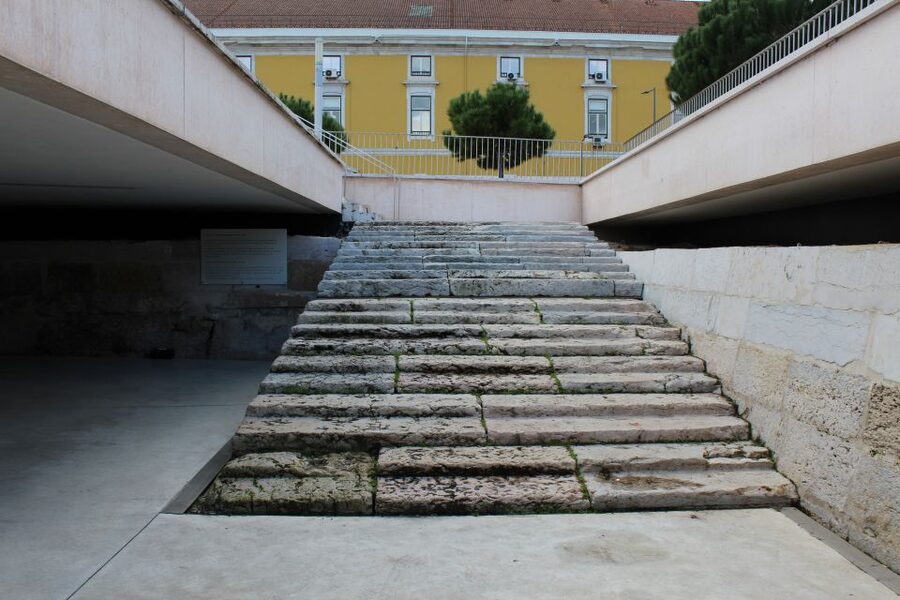
At Chafariz D’El Rei, the tour turns to social class. This fountain helps illustrate how medieval society was divided, with Africans represented within the population shown or associated with the site.
The stop is valuable because it moves the discussion away from broad political history and toward the people who occupied Lisbon’s streets. Your guide can use the fountain to explain how race, class, and public life appeared in the city during the Middle Ages.
You should expect interpretation rather than a long monument visit. The fountain itself is not the sole reason to come. Its value comes from the questions it raises: Who used public spaces? How were different groups placed within society? What did belonging look like in medieval Lisbon?
This is the kind of stop that rewards a guide who can provide context. Without explanation, you might photograph the fountain and walk on. With the right discussion, it becomes evidence of a more complex Lisbon than the usual postcard version.
Campo das Cebolas and the old port
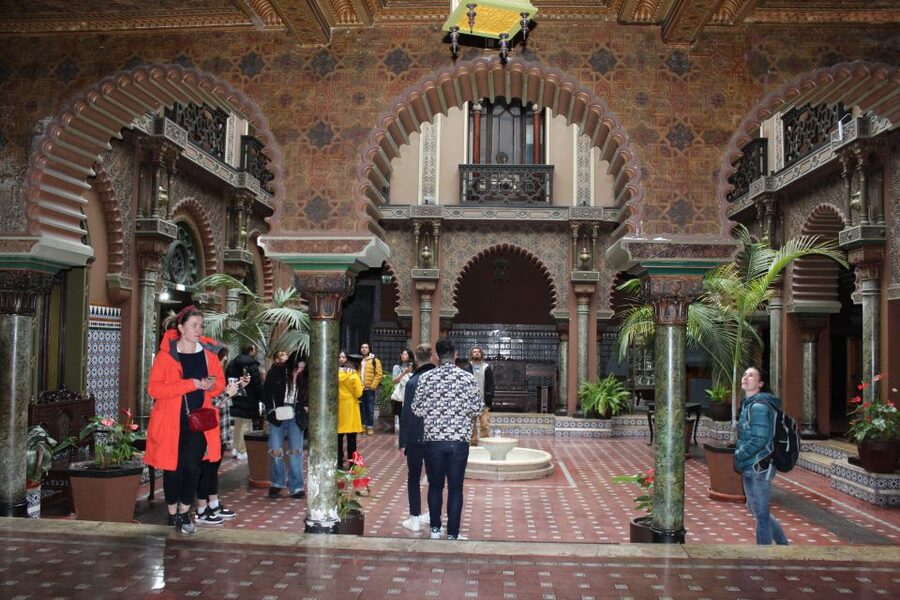
The route continues to Campo das Cebolas, part of Lisbon’s old port. This is where the walk addresses one of its hardest subjects: the arrival of the first African slaves in Europe, as presented through Lisbon’s port history.
The location matters. A port is not just a waterfront. It is a place where people, goods, money, and power change hands. By placing the discussion here, the tour connects Portugal’s maritime ambitions with the human cost behind them.
This section may feel uncomfortable, and it should. The experience does not treat the slave trade as an abstract chapter tucked away in a museum. It links that history to a real part of the city, close to places many people visit for views, restaurants, or river access.
I appreciate the directness. At the same time, the walk is only 3.5 hours, so you cannot expect a full academic treatment of every part of the trade. If you want detailed archival history, this tour will be an introduction rather than a complete course. Its strength is showing you where Lisbon fits into the story and giving you a framework for further reading.
More history-first plans:
- Lisbon: Live Fado Show with Port Wine in Historic Center
★ 4.7 · 4,166 reviews - Lisbon: Fado Show with Wine in a Historic Venue
★ 4.8 · 1,294 reviews - Explore Lisbon by Tuk Tuk: History and Viewpoints
★ 5.0 · 840 reviews - Lisbon: Daytime or Sunset Boat Cruise with History and Wine
★ 4.9 · 819 reviews
Praça do Comércio and Portugal’s imperial wealth
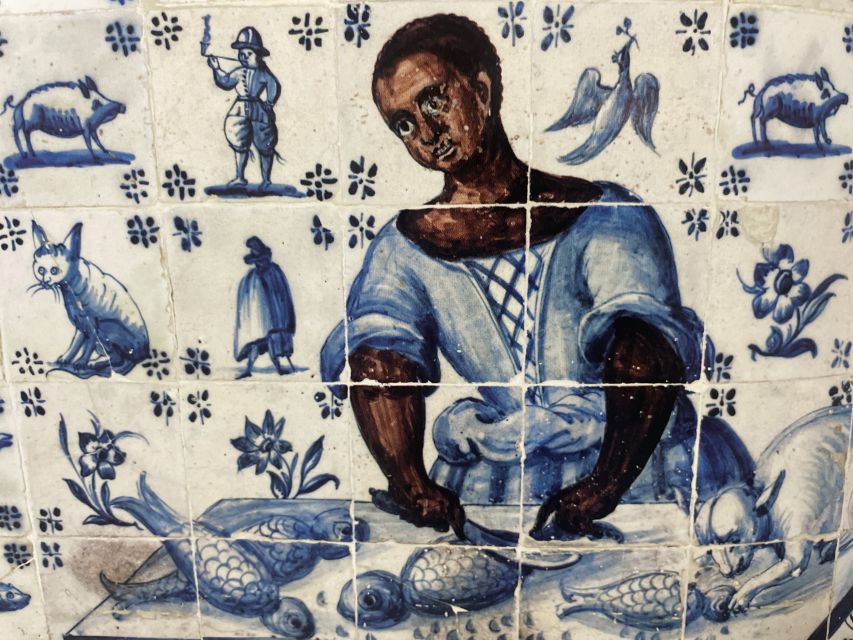
Praça do Comércio is one of Lisbon’s grandest public squares, with the riverfront setting and monumental scale visitors expect from the capital. The tour uses it to explain major events in Portuguese history and the square’s connection to the slave trade.
This is an important contrast. The square is often read as a symbol of royal power, commerce, and national pride. The tour asks you to look again at the economic systems that helped support that power.
You will likely spend time considering how public monuments and open civic spaces present national history. What gets celebrated? What gets left out? How does a country tell the story of its overseas expansion while dealing with the violence that accompanied it?
That makes Praça do Comércio more than a photo stop. It becomes a place to think about memory and responsibility. You may still admire the architecture, but you will do so with a fuller understanding of the forces behind Lisbon’s prosperity.
Baixa after the 1755 earthquake
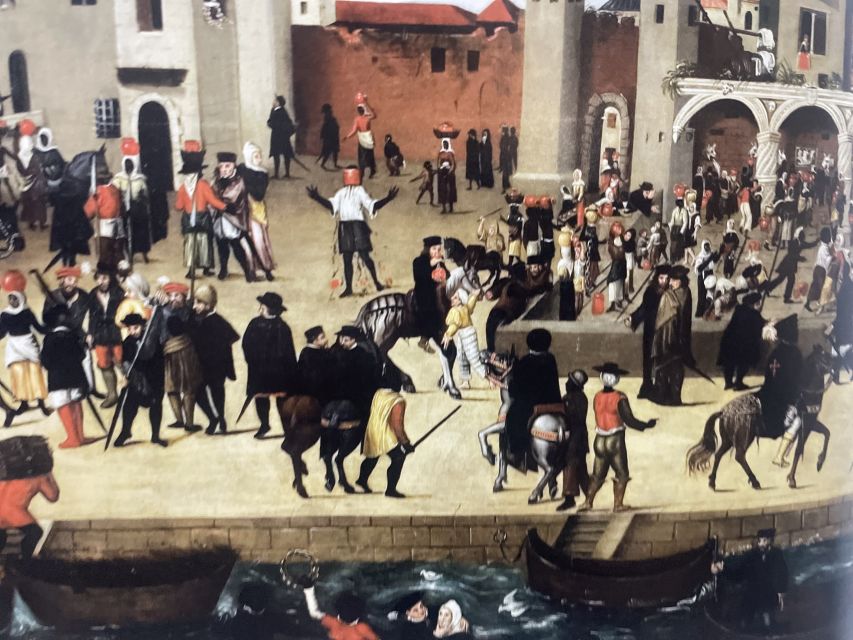
Baixa is central Lisbon, rebuilt after the devastating earthquake of 1755. The neighborhood offers a useful setting for discussing African interaction with Portuguese society and the way the capital was reshaped after disaster.
The broad streets and planned blocks feel different from Alfama’s old lanes. That change in the built environment helps your guide explain how Lisbon rebuilt itself and how people from different backgrounds lived and worked within the city.
I like this part of the route because it connects physical space with social history. Architecture is not simply decoration. Street plans, commercial areas, churches, and public squares tell you how a city organizes power and daily life.
Do not expect every building to receive a full architectural explanation. The focus stays on African presence and Portuguese society. Still, the urban setting gives the conversation a practical anchor. You are not discussing integration in the abstract. You are walking through the central district where that interaction took place.
Rua Cor de Rosa and the working lives of African women
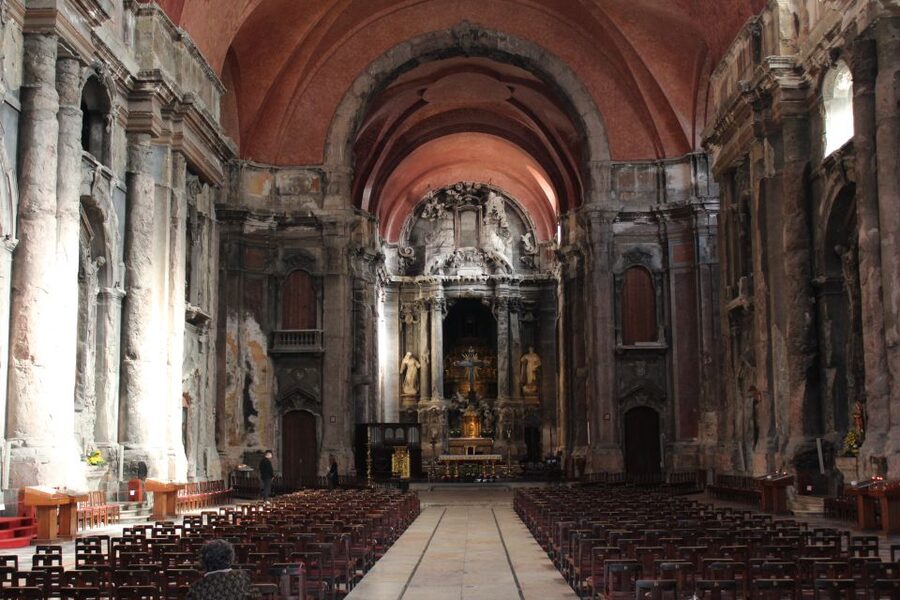
Rua Cor de Rosa brings the tour into a more intimate part of Lisbon’s social history. The street is associated with African women who provided services there.
The stop opens a conversation about labor, migration, gender, and the limited choices available to women within particular economic systems. It also reminds you that African history in Lisbon is not only about rulers, explorers, merchants, or church figures. It includes working women whose lives were tied to the city’s streets.
This can be one of the more revealing parts of the walk because it brings the past closer to ordinary human experience. You move from royal squares and port economics to the lives of people earning a living in difficult circumstances.
The information provided about this stop is brief, so the depth will depend heavily on the guide leading your walk. That is worth keeping in mind. A strong guide can handle the subject with care and avoid turning it into gossip or spectacle.
Rossio and African integration in Portugal
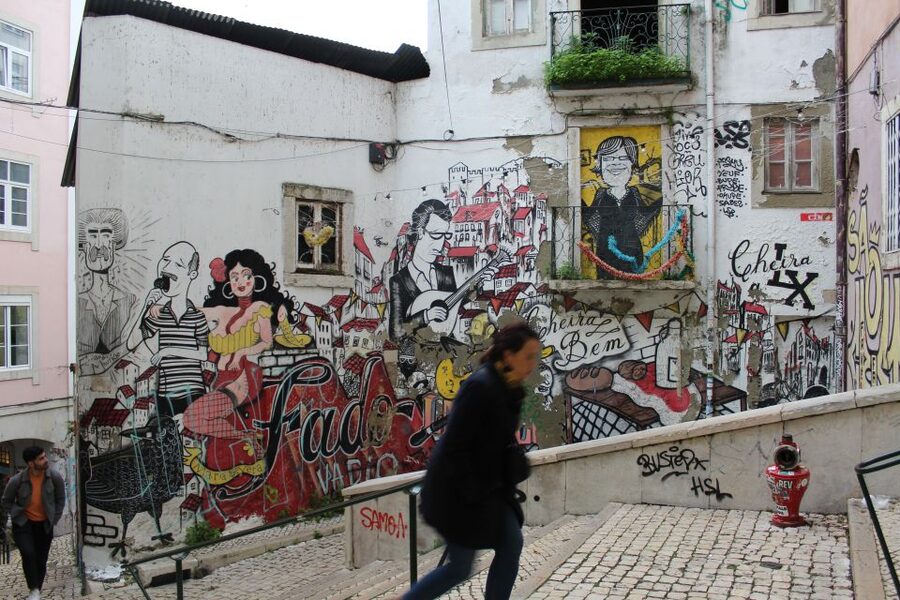
Rossio is one of Lisbon’s central gathering places. It is busy, open, and surrounded by major buildings, making it a natural place to discuss African integration and the creation of colonies.
Here, the tour widens its scope again. The story moves from individuals and local streets to the policies and structures that shaped Portugal’s relationships with Africa. You will consider how African people became part of Portuguese society and how colonial systems influenced identity, status, and belonging.
This section helps tie earlier stops together. Alfama introduces long-standing connections. The port explains forced movement and commerce. Baixa shows life in the rebuilt city. Rossio brings the conversation toward national policy and colonial history.
It is also a practical point in the walk. Rossio is busy and can feel crowded, so stay close to your guide and listen carefully. The square may not offer the quietest setting for a serious discussion, but its public character fits the subject well.
São Domingos Church and African Catholic life
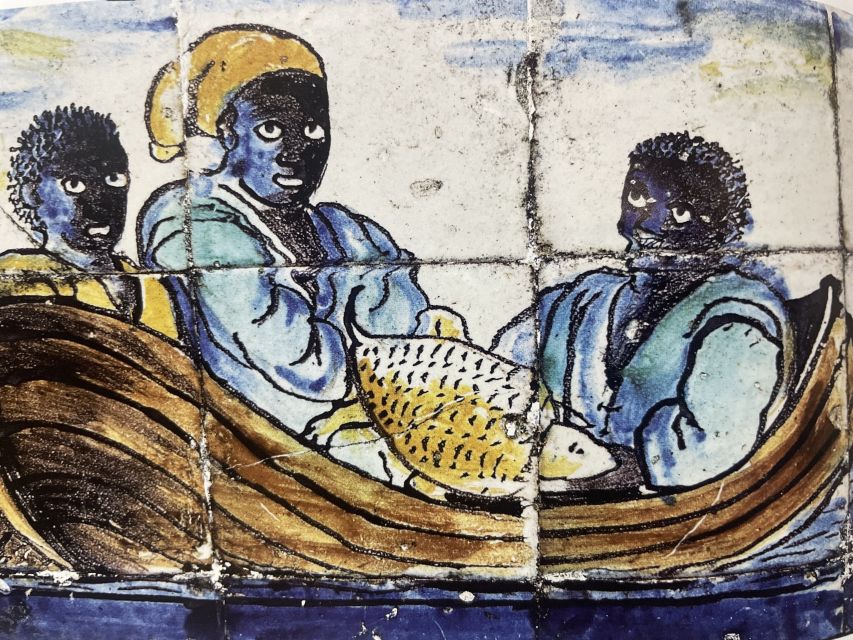
At the Church of São Domingos, the tour examines African integration into Catholic religion and the achievements connected with that process.
This is a valuable correction to the idea that African presence in Portugal existed only outside mainstream institutions. Religious life could be a path into community, identity, and public recognition, even within a society shaped by unequal power.
The church gives the discussion a strong human focus. Instead of treating religion as a decorative part of Lisbon’s heritage, you look at how people practiced faith and found a place within Portuguese Catholic life.
The supplied details do not specify the exact achievements covered at this stop, so your guide’s explanation will shape the experience. Ask questions if this subject interests you. The route provides the setting, but the conversation is where much of the learning happens.
Rossio Station and the Berlin Conference
The final major stop is Rossio railway station, built in the 19th century in the Manueline architectural style. Its elaborate design represents Portugal’s ambition during a period when European countries competed to claim African territory.
The station provides a striking visual ending. Its architecture speaks of national confidence and a desire to take a place among Europe’s major powers. The tour connects that ambition with the Berlin Conference of 1884, where European powers set rules for dividing Africa into colonies.
That link is uncomfortable but important. A beautiful public building can reflect pride, wealth, and political aspiration while also belonging to an age of imperial competition. The tour encourages you to hold both ideas at once.
Rossio Station is also a useful reminder that colonial history is not confined to distant territories. It shaped Lisbon’s institutions, money, architecture, and national identity. You finish the walk in the city center, but the discussion reaches far beyond Portugal.
How the $176 price works out
At $176 per person, this is expensive for a 3.5-hour walking tour. You are paying for a focused subject, a live guide, and a route that connects sites many general sightseeing walks treat separately. A bottle of water and the walking tour are included, while food, drinks, hotel pickup, and hotel drop-off are not.
The price makes the most sense if you want depth and a particular point of view. If your goal is simply to see Lisbon’s famous squares, you can find less costly ways to do that. If you want an informed guide to African heritage, slavery, Moorish influence, religion, and colonial history in one continuous walk, the specialized focus may justify the cost.
The experience has earned a 4.9 rating from 21 reviews, with repeated praise for the guides’ preparation, kindness, and ability to explain complicated connections. That is encouraging, but the sample is still small. I would book it for the subject and route first, not just for the number.
Free cancellation is available up to 24 hours before the tour, and you can reserve now while paying later. Those terms make it easier to fit the walk into a changing Lisbon schedule.
Who should book this Lisbon history walk
I would recommend it to you if you:
- Want African history included in your understanding of Portugal
- Prefer social and political context to a quick list of monuments
- Are curious about Moorish influence and the African presence in Iberia
- Want to understand how slavery and colonialism shaped Lisbon
- Enjoy asking questions and discussing difficult subjects
- Can manage a long walk with uphill sections
It suits history-minded visitors, returning Lisbon visitors, and anyone who feels that standard city tours leave too much out. It can also work well on your first day, since the route gives later sightseeing more context.
I would hesitate if you have limited mobility, dislike uphill walking, or want a light, purely scenic introduction to Lisbon. The subject matter is serious, and the route is not designed as an easy orientation walk.
The tour is offered in English, Spanish, or Portuguese. Since the guide’s explanation carries much of the value, choose the language in which you can follow historical detail and ask questions comfortably.
Should you book it?
Book this walk if you want Lisbon’s African connections placed at the center of the story, not added as a brief footnote. The route handles major subjects honestly, from Moorish Alfama and the old port to slavery, Catholic integration, colonial rule, and the architecture of Portugal’s imperial age.
At $176, I would call it a specialist purchase rather than a bargain. But if you value a serious guide, a clear route through central Lisbon, and history that standard sightseeing often skips, it can be a worthwhile use of half a day. Wear good shoes, arrive ready for hills, and give the subject the attention it deserves.
FAQ
Where does the African History and Heritage Walking Tour meet?
Meet your guide at A Padaria Portuguesa.
How long does the tour last?
The walking tour lasts 3.5 hours.
How much does the tour cost?
The listed price is $176 per person.
Which languages are available?
The live tour guide can lead the experience in English, Spanish, or Portuguese.
What places does the tour visit?
The route includes Alfama, Chafariz D’El Rei, Campo das Cebolas, Praça do Comércio, Baixa, Rua Cor de Rosa, Rossio, São Domingos Church, and Rossio railway station.
Does the tour discuss the slave trade?
Yes. The tour discusses Lisbon’s role in the transatlantic slave route, the old port, the arrival of African slaves in Europe, and the importance of Praça do Comércio in the slave trade.
Is hotel pickup included?
No. Hotel pickup and drop-off are not included.
Are food and drinks included?
Food and drinks are not included. A bottle of water is included.
Is the tour suitable for people with mobility impairments?
No. The activity is not suitable for people with mobility impairments, and you should be prepared for uphill walking.
Can I cancel for a refund?
Yes. You can cancel up to 24 hours in advance for a full refund. You can also reserve now and pay later.
Fresh finds around Lisbon
- Lisbon: Tuk Tuk City Tour★ 3.6 · 7 reviews
- Fatima Full day Private Tour★ 5.0 · 7 reviews
- Lisbon: Highlights and Hidden Gems Tour★ 5.0 · 7 reviews
- Private Tour to Evora and Monsaraz from Lisbon★ 5.0 · 7 reviews
- Discover Sintra Beauty with a Guided Journey from Lisbon★ 5.0 · 7 reviews
- Private Half-Day Tour to Sintra★ 3.4 · 7 reviews
- Lisbon: Sunset and Wine Catamaran Tour★ 5.0 · 7 reviews
- Nazaré: Beaches of Nazaré Guided E-Bike Tour★ 4.9 · 7 reviews
Historical Tours, compared.
Lisbon: History, Stories and Lifestyle Walking Tour
Read our review →
Lisbon: Live Fado Show with Port Wine in Historic Center
Read our review →
Lisbon: Fado Show with Wine in a Historic Venue
Read our review →
Explore Lisbon by Tuk Tuk: History and Viewpoints
Read our review →
Lisbon: Daytime or Sunset Boat Cruise with History and Wine
Read our review →
Private Tuk Tuk Tour Through Lisbon’s Historical Streets
Read our review →
Lisbon Sunset Sailing with Portuguese Wine and History
Read our review →
Lisbon: Guided Tuk-Tuk Tour Along the Historic Tram Line 28
Read our review →Browse the lists this tour appears in