
Reviewed · HISTORICAL TOURS
Jewish Sephardic history in Lisbon
Lisbon’s Jewish story is easier to understand through a passionate guide than through surviving buildings. This four-hour walk begins inside Shaare Tikva Synagogue, then follows the city’s streets to places tied to Jewish life, forced conversion, the Inquisition, and the 1506 massacre.
I like the personal touch brought by guides such as Paulo Levy, whose own rediscovery of his Jewish roots gives the subject real feeling. I also like that synagogue admission is included and the group is limited to eight people. The catch is clear: this is a long city walk, roughly four miles according to one description, with hills, steps, and few visible Jewish structures remaining.
In This Review
- Key points to know before booking
- Why Lisbon’s Jewish story needs a guide
- Inside Shaare Tikva Synagogue
- From Principe Real toward Chiado
- Bertrand bookstore and the Jewish literary connection
- Praça do Comércio and the turning points of Portugal
- Rossio and the former Inquisition headquarters
- São Domingos Church and the 1506 massacre
- What the guide adds to the experience
- Price, group size, and overall value
- Who should book this four-hour walk
- Practical advice for a smoother outing
- Should you book Jewish Sephardic History in Lisbon?
- FAQ
- Where does the tour begin?
- Where does the tour end?
- How long does the experience last?
- What language is the tour offered in?
- How many people can join the group?
- Is admission to Shaare Tikva Synagogue included?
- Can I visit the synagogue interior on any tour date?
- What should I wear?
- Do I need to provide passport information?
- Is lunch included?
- How fit do I need to be?
- Can I cancel for a refund?
Key points to know before booking
- Shaare Tikva is the centerpiece: You visit Lisbon’s first synagogue built after the late 15th-century expulsion period, with an inside explanation included.
- Paulo Levy brings personal context: His Sephardic identity, Portuguese roots, and enthusiasm shape much of the walking portion.
- The Jewish sites are often invisible: The tour explains where communities lived and what happened there, but you should not expect a preserved old Jewish quarter.
- The route crosses central Lisbon: Principe Real, Chiado, Baixa, Rossio, and the site of the São Domingos church all appear along the way.
- Plan for serious walking: Narrow streets, steps, and several hours on foot call for moderate fitness and sensible shoes.
- Tuesday or Thursday matters: The synagogue interior is available only on those days, so check the date before paying.
Why Lisbon’s Jewish story needs a guide
Lisbon had Jewish communities long before the modern city took its present shape. Over time, communities appeared, disappeared, and returned, shaped by migration, royal policy, religious pressure, conversion, and exile. The tour places this story within the much wider Sephardic journey across countries and continents.
The difficult part is that Lisbon does not offer a neatly preserved Jewish district filled with readable signs and intact medieval buildings. The 1755 earthquake, tsunami, and fires destroyed much of the older city. Centuries of the Inquisition also erased or altered Jewish symbols and locations.
That makes this experience different from a heritage tour in a city with a clearly marked old quarter. You are often looking at an ordinary street, square, church, bookstore, or theater while Paulo explains what once happened there. I find that rewarding if you enjoy connecting clues, but frustrating if you expect one Jewish monument after another.
The guide is not simply pointing out architecture. He is supplying the missing story. Ask questions as you go, especially about where communities lived, how New Christians were treated, and how Jewish influence connects with Portuguese culture.
More history-first plans:
- Lisbon: History, Stories and Lifestyle Walking Tour
★ 4.8 · 10,902 reviews - Lisbon: Live Fado Show with Port Wine in Historic Center
★ 4.7 · 4,166 reviews - Lisbon: Fado Show with Wine in a Historic Venue
★ 4.8 · 1,294 reviews
Inside Shaare Tikva Synagogue
The tour begins at Shaare Tikva, at Rua Alexandre Herculano 59. Built in the early 20th century, it was the first synagogue constructed in Portugal since the late 15th century. That fact gives the visit unusual weight: the building represents the return of organized Jewish life after centuries of suppression and silence.
Allow about 45 minutes inside. A synagogue staff member explains the building, its membership, and its place in Lisbon’s Jewish community. The guide accompanies you inside the stops included in the program, adding historical context rather than leaving you to look around alone.
This is the most concrete Jewish site on the route. You get an actual interior, an active connection to modern community life, and a clear starting point for the older history that follows. Several people who enjoyed the full walk still singled out the synagogue visit as the strongest part.
There is a dress code. Keep shoulders covered, and do not wear shorts or a mini-skirt. You also need to provide passport details for every person at booking, including name, number, expiry date, and country, because of synagogue security requirements.
Pay close attention to the date. The inside visit is available only on Tuesdays and Thursdays. The walking portion may still be possible on another day, but the main included interior experience is not available then.
From Principe Real toward Chiado
After the synagogue, the group walks through Principe Real Park and heads down toward Chiado. This section takes about 30 minutes and begins the transition from Jewish community history to Lisbon’s broader cultural story.
The route is not a museum-to-museum procession. Instead, you walk through a central neighborhood while the guide explains how Jewish life fit into the city around it. This is where the tour’s strength and weakness arrive together. Paulo can connect Portuguese history, local culture, and Jewish experience, but the street itself may not announce its connection.
You should also expect changes in pace. One account describes an afternoon departure that felt rushed because of an event at the synagogue and the earlier sunset. If your date is scheduled later in the day, ask about timing and allow enough daylight for the walking route.
Bertrand bookstore and the Jewish literary connection
In Chiado, the tour stops at Bertrand, founded by Pedro Faure in 1732. It is recognized as the world’s oldest operating bookstore, and the visit includes a curiosity connected to a famous Jewish writer.
This stop adds a useful cultural layer. Lisbon’s Jewish story is not limited to religious buildings, persecution, or memorials. It also touches writing, ideas, and the way Portuguese identity has been shaped and remembered. The guide may also discuss Fernando Pessoa, a major Portuguese literary figure who came up in one tour account.
You are not spending hours browsing the shelves. The stop lasts about 30 minutes, with the guide explaining the relevant detail and its place in Lisbon’s story. If you enjoy literature, this will likely be more satisfying than a simple photograph outside the shop.
A handful more Lisbon ideas to compare
- Lisbon City Center Tour – The Unmissable Lisbon
★ 5.0 · 22,234 reviews - Lisbon: Sintra, Pena, Regaleira, Cabo da Roca & Cascais
★ 4.7 · 19,656 reviews - Lisbon: Jerónimos Monastery Entrance Ticket
★ 4.1 · 14,164 reviews - Lisbon: Sunset Boat Party Cruise with DJ and Open Bar
★ 4.5 · 10,378 reviews
Praça do Comércio and the turning points of Portugal
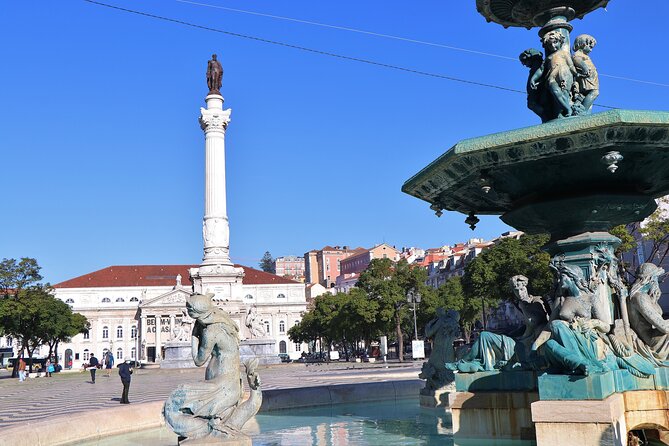
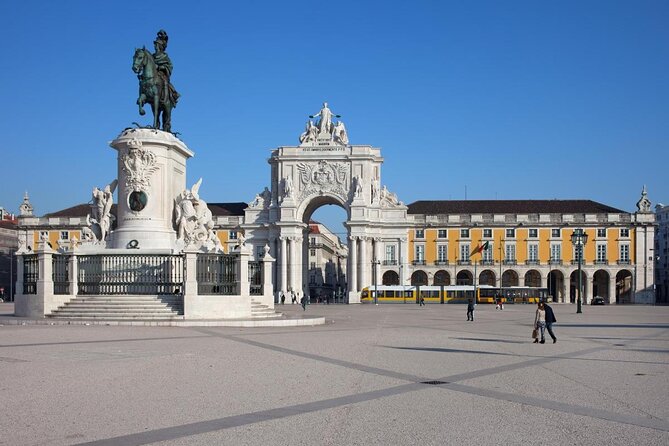
The route continues into Baixa and reaches Praça do Comércio, the large riverside square formerly known as Terreiro do Paço. Plan on about 30 minutes here.
The square is a good place to understand how political events changed Portugal. The guide uses it to explain major situations that affected the country and, in turn, its Jewish population. This broader context matters. Jewish history in Portugal cannot be separated from royal decisions, religious institutions, trade, migration, and national disasters.
The square itself is open and easy to navigate, but it is not a specifically Jewish site. You come here for the explanation and the connection to Portugal’s wider past. If you want every stop to show a surviving Jewish marker, this portion may feel indirect.
Rossio and the former Inquisition headquarters
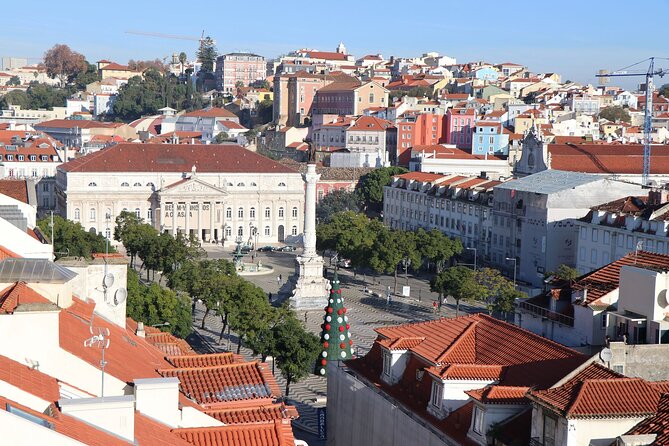
From Praça do Comércio, you walk toward Praça Dom Pedro IV, usually called Rossio. This is the longest itinerary section, listed at about one hour, and it carries some of the tour’s heaviest history.
At the center of Rossio is the column of Pedro IV, known as the Soldier King. Four female figures at its base represent Justice, Wisdom, Strength, and Moderation. Nearby is the D. Maria II National Theatre, founded in 1842 on the site of the former Estaus Palace.
That former palace served as the headquarters of the Portuguese Inquisition from the mid-15th century. The setting makes the past feel close, even though the original building no longer functions as the Inquisition headquarters. You learn how this institution shaped Jewish life, especially for people forced to convert and then suspected of secretly practicing Judaism.
This is also where the walking demand becomes most important. The route crosses central Lisbon rather than staying on level ground, and the city’s narrow streets and steps can make four hours feel longer. Wear supportive shoes, carry water, and be honest about your stamina before booking.
São Domingos Church and the 1506 massacre
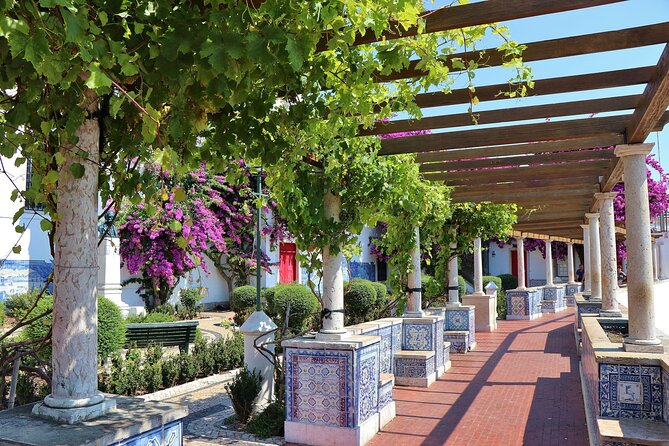
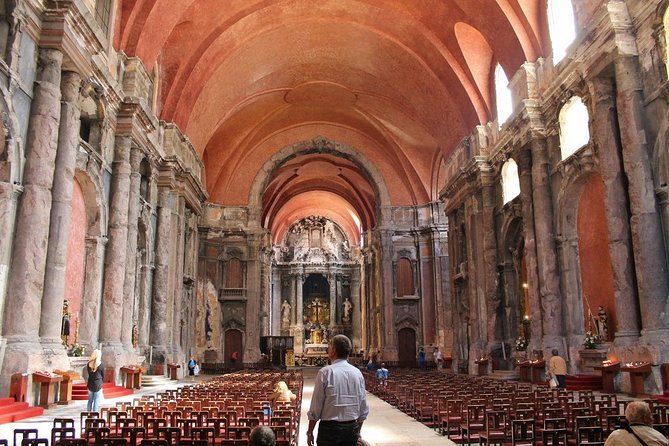
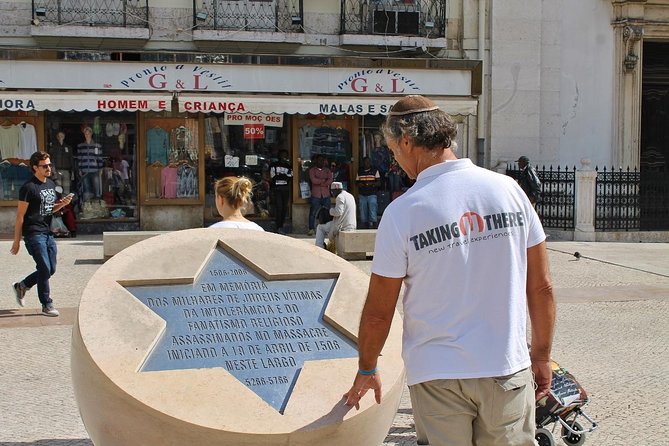
The final major stop is Igreja de São Domingos, where the guide discusses the Lisbon massacre of April 19, 1506. The violence continued for three days, and more than 3,000 New Christians were murdered in the streets before the king’s army stopped it.
The church was the epicenter of the events described on the tour. This is a solemn stop, not a quick sightseeing photo opportunity. The guide explains what happened and why, including the hostility directed toward converted Jews and their descendants.
São Domingos also helps explain why the city offers so little visible Jewish heritage today. Destruction did not come from one event alone. Religious persecution, forced conversion, the Inquisition, the 1755 disaster, and later urban change all played a part.
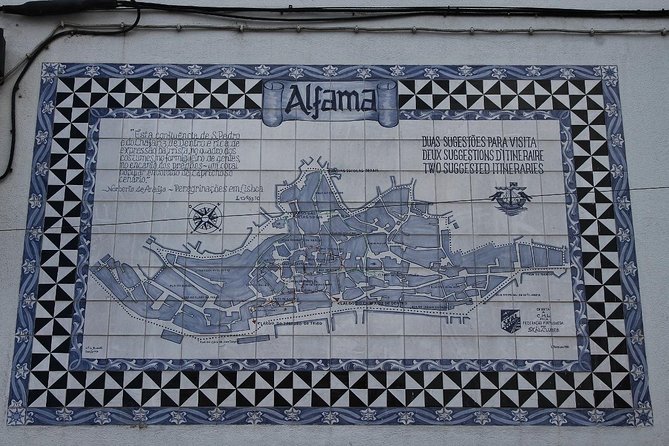
The tour may finish in Alfama or elsewhere in Lisbon’s old town. The exact end point can change based on weather, your group’s physical ability, and your curiosity. That flexibility is useful if you want to continue exploring, but it means you should not plan a tightly timed appointment immediately afterward.
What the guide adds to the experience
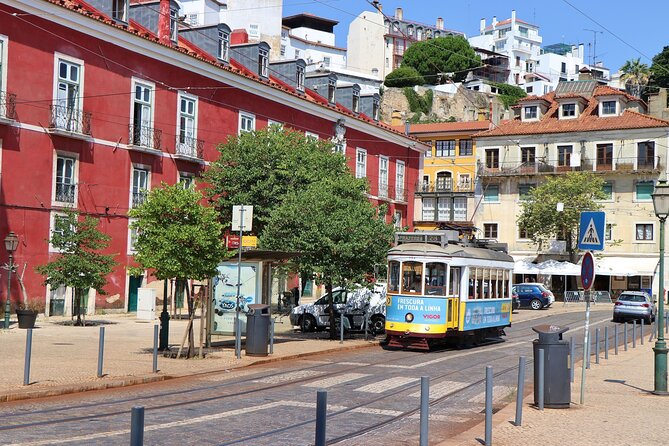
The quality of this tour depends heavily on the guide. Paulo Levy receives the strongest praise in the supplied material, and his role goes beyond reciting dates. He speaks about Portugal, Jewish identity, and his personal path toward discovering his Jewish heritage.
That personal story can make the subject feel immediate. Paulo is described as proud of his Sephardic identity and eager to explain both the achievements and the suffering of Jewish communities in Portugal. He also brings in Portuguese history and culture, so the walk is not narrowly limited to religious sites.
He speaks English well and is described as patient with questions. If Paulo is leading your departure, ask for the connections between each location instead of treating the stops as isolated facts. The tour works best as a conversation.
The experience is not flawless simply because the guide is enthusiastic. One account found the post-synagogue section too general, with too much walking and not enough clearly visible Jewish material. That is a fair warning. You are paying for interpretation of a vanished or altered past, not for a succession of preserved buildings.
Price, group size, and overall value
At $84.10 per person, this is not the cheapest walking tour in Lisbon. The price includes a professional guide, the small-group format, the interior synagogue visit, and entrance fees. The group can have no more than eight people, which should make questions easier and reduce the anonymous feel of a large city tour.
The value depends on what you want. If you are mainly interested in seeing a synagogue and learning about Jewish life in present-day Lisbon, the opening visit may justify much of the cost. If you want a full Sephardic heritage route with visible medieval buildings, you may feel the price is high for a walk built largely around stories and historical traces.
I consider the price reasonable for visitors who would otherwise walk past these places without understanding their meaning. The included admission also removes an extra step, and the guide’s ability to explain difficult history is central to the experience.
The tour is offered in English, has group discounts, and is often reserved well ahead of time, with an average booking lead time of 53 days. That suggests you should not leave a preferred date until the last minute, especially if you need a Tuesday or Thursday synagogue visit.
Lunch is not included. Some groups have continued to an affordable, authentic Portuguese restaurant with the guide after the walk, but this is not part of the paid program. Bring money for food, or make your own plans after the flexible old-town finish.
Who should book this four-hour walk
I would recommend it to you if you want:
- A personal introduction to Jewish and Sephardic life in Portugal
- Historical explanation more than a collection of preserved monuments
- A small group and a guide-led discussion
- A visit inside Shaare Tikva Synagogue
- Jewish history connected to Portuguese literature, politics, religion, and city life
I would hesitate if you have limited mobility or dislike long walks. The stated requirement is moderate physical fitness, and the route can cover about four miles with steps and uneven city streets.
Families and mixed-interest groups may also enjoy it because the guide discusses Portugal as a whole, not only Jewish subjects. One account even found that a reluctant young participant stayed engaged. Still, anyone expecting a tightly focused museum tour should know that this is an interpretive city walk.
Practical advice for a smoother outing
Confirm that your chosen date includes the synagogue interior. Tuesdays and Thursdays are the only stated days for that visit, and the synagogue requires passport information for all participants.
Dress for the religious setting from the start. Covered shoulders and longer clothing will keep you within the stated dress code. Comfortable shoes are essential, and a moderate fitness level is not just a formality.
Leave room in your schedule after the tour. The end point may be Alfama, but it could be another location in Lisbon’s old town depending on weather and the group’s pace. The tour lasts about four hours, though a delayed start or a lively discussion can affect how quickly you finish.
You can cancel for a full refund if you do so at least 24 hours before the local start time. Changes or cancellations inside that period are not accepted for a refund.
Should you book Jewish Sephardic History in Lisbon?
Book it if you want the story behind Lisbon’s Jewish past, especially if you value a passionate guide and a small group more than a long list of intact monuments. Shaare Tikva provides a strong, tangible beginning, while the walk explains the places that no longer look Jewish at first glance.
Skip it if you need an easy route, have little time, or expect a clearly preserved Jewish quarter. For the right audience, the absence of visible remains is part of the lesson. Paulo Levy’s personal connection and the route through the Inquisition and 1506 massacre sites can turn ordinary Lisbon streets into a serious historical conversation.
FAQ
Where does the tour begin?
It begins at Shaare Tikva Synagogue, located at R. Alexandre Herculano 59, 1250-010 Lisbon, Portugal.
Where does the tour end?
The planned end is Alfama in Lisbon’s old town, but the exact finish may change. It can depend on the group’s curiosity, physical ability, and weather.
How long does the experience last?
The tour lasts approximately four hours.
What language is the tour offered in?
The tour is offered in English.
How many people can join the group?
The maximum group size is eight people.
Is admission to Shaare Tikva Synagogue included?
Yes. The program includes an inside visit to Shaare Tikva Synagogue and the required admission.
Can I visit the synagogue interior on any tour date?
No. The inside visit is available only on Tuesdays and Thursdays.
What should I wear?
You must follow a dress code requiring covered shoulders and no shorts or mini-skirts.
Do I need to provide passport information?
Yes. At booking, passport details are required for every participant, including name, number, expiry date, and country.
Is lunch included?
No. Lunch and items not specifically listed in the program are not included.
How fit do I need to be?
You should have a moderate fitness level. The route involves several hours of walking through Lisbon, including narrow streets and steps.
Can I cancel for a refund?
Yes. You can receive a full refund if you cancel at least 24 hours before the experience begins. Changes or cancellations made less than 24 hours before the start are not accepted.
Fresh finds around Lisbon
- Lisbon: Tuk Tuk City Tour★ 3.6 · 7 reviews
- Fatima Full day Private Tour★ 5.0 · 7 reviews
- Lisbon: Highlights and Hidden Gems Tour★ 5.0 · 7 reviews
- Private Tour to Evora and Monsaraz from Lisbon★ 5.0 · 7 reviews
- Discover Sintra Beauty with a Guided Journey from Lisbon★ 5.0 · 7 reviews
- Private Half-Day Tour to Sintra★ 3.4 · 7 reviews
- Lisbon: Sunset and Wine Catamaran Tour★ 5.0 · 7 reviews
- Nazaré: Beaches of Nazaré Guided E-Bike Tour★ 4.9 · 7 reviews
Historical Tours, compared.
Lisbon: History, Stories and Lifestyle Walking Tour
Read our review →
Lisbon: Live Fado Show with Port Wine in Historic Center
Read our review →
Lisbon: Fado Show with Wine in a Historic Venue
Read our review →
Explore Lisbon by Tuk Tuk: History and Viewpoints
Read our review →
Lisbon: Daytime or Sunset Boat Cruise with History and Wine
Read our review →
Private Tuk Tuk Tour Through Lisbon’s Historical Streets
Read our review →
Lisbon Sunset Sailing with Portuguese Wine and History
Read our review →
Lisbon: Guided Tuk-Tuk Tour Along the Historic Tram Line 28
Read our review →Browse the lists this tour appears in