

Reviewed · HISTORICAL TOURS
Half Day Historical Walking Tour about the Slave Trade in Lisbon
Lisbon’s Age of Discovery looks different when you follow the money, laws, churches, and streets shaped by slavery. This three-hour walk connects Alfama, the waterfront, Baixa, Rossio, and Largo do Carmo to Portugal’s role in the Atlantic slave trade and to the African influence still present in Portuguese culture.
I like the small group cap of eight, which gives you room to ask hard questions. I also like the guide’s use of historical images and documents, along with his clear focus on facts rather than a polished tourist version of the past. The main consideration is simple: this is a serious subject, and the route requires moderate walking. It is not a good fit if stairs, uneven streets, or a three-hour walk are difficult for you.
In This Review
- Key points before you book
- Why this walk changes the usual Lisbon story
- Starting in Alfama at Largo do Chafariz de Dentro
- Campo das Cebolas and the missing memorial
- Praça do Comércio and the business of empire
- Baixa, Rossio, and Restauradores: daily life in Lisbon
- Igreja de São Domingos and the role of religion
- Largo do Carmo, revolution, and the end of empire
- Rui Fernandes and the small-group format
- Is $39.78 a fair price?
- Who should book this Lisbon walk?
- Should you book it?
- FAQ
- How long is the historical walking tour?
- Where does the tour start?
- Where does the tour end?
- What language is the tour offered in?
- How many people can join the tour?
- Is the tour suitable for people with walking difficulties?
- What is included in the price?
Key points before you book
- A different view of Lisbon’s famous Age of Discovery: The tour places Portugal’s maritime expansion within the wider history of slavery, colonial trade, and human trafficking.
- Rui Fernandes leads an intimate English tour: The maximum group size is eight, allowing time for questions and discussion.
- The route crosses Alfama, Baixa, Rossio, and Restauradores: You see major parts of central Lisbon while learning what happened there.
- Historical images add useful context: Rui uses pictures and documents to support the discussion rather than relying only on spoken explanation.
- The tour ends at Largo do Carmo: The final stop links slavery and colonialism to the 1974 revolution and the end of Portugal’s colonial empire.
- Plan for moderate walking: Wear comfortable shoes. Food, drinks, and hotel transportation are not included.
Why this walk changes the usual Lisbon story
Many Lisbon tours celebrate ships, explorers, plazas, and overseas trade. This walk asks what made that system work and who paid the price. You hear about the Portuguese involvement in the Atlantic slave trade from the mid-15th century onward, but the story begins earlier, with slavery under the Romans, the Moors, and other societies connected to Portugal.
That wider frame matters. It keeps the tour from treating slavery as an isolated chapter or as something that began only with European voyages across the Atlantic. You learn how religion, monarchy, commerce, colonial rule, and family life all helped sustain systems of enslavement.
I find that approach useful because Lisbon’s monuments can otherwise present a very polished version of national history. Here, the same streets become evidence of a more complicated past. The walk also connects history to the present, including the lasting effects of colonialism and racial hierarchy.
The subject can be painful, especially for Black visitors and for anyone whose family history connects to the Atlantic slave trade. That is part of the point, but you should expect a serious, direct discussion rather than a light sightseeing outing.
More Walking Tours in Lisbon
- Lisbon: History, Stories and Lifestyle Walking Tour
★ 4.8 · 10,902 reviews - Best of Lisbon Small-Group Guided Walking Tour
★ 5.0 · 4,869 reviews - Lisbon: Food and Wine Small Group Walking Tour
★ 4.9 · 4,082 reviews
Starting in Alfama at Largo do Chafariz de Dentro
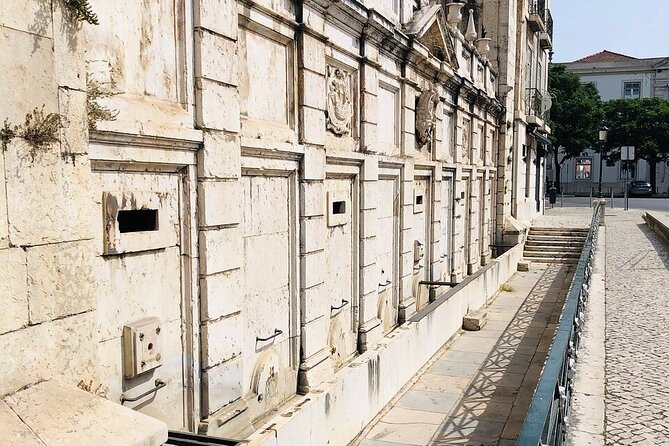
The meeting point is Largo do Chafariz de Dentro, at the edge of Alfama. The opening introduction takes about 10 minutes and sets up the main question of the tour: how did slavery shape Lisbon, Portugal, and the wider world?
This is a sensible place to begin. Alfama is Lisbon’s oldest neighborhood, and its long history gives the guide room to explain that slavery existed in different forms before Portugal entered the Atlantic trade. You learn about Roman and Moorish practices, then about Portugal’s role in the mid-15th-century expansion of the trade in African captives.
The value here is context. Without it, you might hear a list of dates and famous voyages. With it, you can see how old systems, new shipping routes, political power, and commercial demand became connected.
Rui Fernandes is repeatedly described as prepared, direct, and willing to answer questions. He also uses visual material during the walk. That helps when the physical evidence is limited or when a modern street looks nothing like it did centuries ago.
Alfama is also a good place to get oriented. You are not simply looking at grand buildings. You are walking through an old residential district and considering who lived and worked there, including people whose presence has often been left out of standard sightseeing narratives.
Campo das Cebolas and the missing memorial
From Alfama, the route moves toward Campo das Cebolas. The stop takes about 10 minutes and marks the location where a monument to the victims of the slave trade is planned for the future.
This is a brief stop, but it carries weight. A planned memorial says something about how public memory changes. Lisbon has many visible reminders of exploration and empire, yet memorial space for the people enslaved by those systems has been far less prominent.
You should not expect a finished monument here. The significance is in the location and in the discussion around what Portugal chooses to remember publicly. It is a useful moment to consider how cities tell their stories through statues, plaques, street names, and omissions.
For me, this is one of the tour’s strongest ideas: history is not only what happened. It is also what gets marked, explained, celebrated, or ignored.
Praça do Comércio and the business of empire
The next stop is Praça do Comércio, also called Terreiro do Paço. This broad riverside square was the commercial heart of Lisbon, making it a fitting place to discuss colonial trade and the economic role of slavery.
The square is grand and open, but the lesson is not decorative. You consider how colonial goods, shipping, political authority, and forced labor were tied together. The discussion places slavery inside the normal machinery of commerce rather than treating it as a side issue.
The stop lasts about 15 minutes. That is enough time to connect the setting with the larger story without turning the tour into a lecture in one place.
This part will be especially useful if you have already admired the waterfront and wondered how Lisbon’s overseas wealth was built. The answer is not limited to explorers and navigation. It includes the buying, selling, transporting, and exploitation of human beings.
You also get a broader understanding of Portugal’s ties to Africa and the Americas. The tour does not present Portuguese history as separate from global history. Instead, Lisbon becomes one point in a network that reached across continents.
More history-first plans:
- Lisbon: Live Fado Show with Port Wine in Historic Center
★ 4.7 · 4,166 reviews - Lisbon: Fado Show with Wine in a Historic Venue
★ 4.8 · 1,294 reviews - Explore Lisbon by Tuk Tuk: History and Viewpoints
★ 5.0 · 840 reviews - Lisbon: Daytime or Sunset Boat Cruise with History and Wine
★ 4.9 · 819 reviews
Baixa, Rossio, and Restauradores: daily life in Lisbon
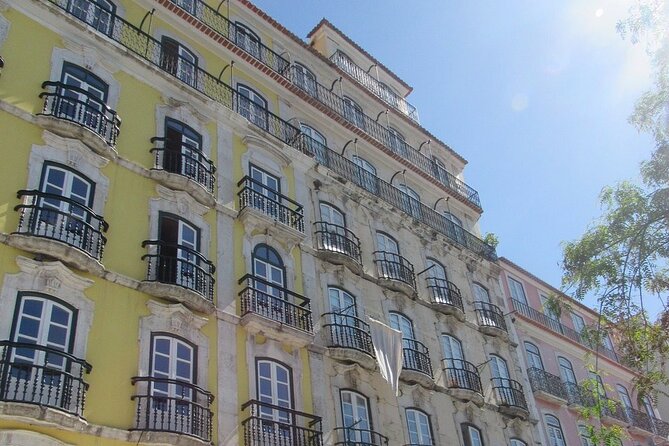
The longest section of the route takes about 30 minutes and passes through Baixa, Rossio, and Restauradores. Here, the focus shifts from systems and trade to the daily lives of enslaved captives who lived in Lisbon.
That change in scale is important. Economic history can make people disappear behind figures and institutions. A street-level discussion asks you to think about work, residence, religious life, social status, and the ordinary routines of people forced to live under slavery.
The route through central Lisbon also makes the subject harder to keep at a distance. You are walking through areas used for shopping, dining, transport, and sightseeing today. The tour asks you to consider how those same urban spaces functioned in a society where slavery was present in everyday life.
One useful feature is the chance to pause and ask questions. Several people who took the tour found Rui especially strong when explaining the links among feudal systems, religious institutions, monarchies, cultural practices, and family structures. That range can help you understand why slavery survived for so long and why it cannot be explained by one cause alone.
The walking itself is described as moderate, and one account of the route found it manageable, with no major hills and planned stops. Still, Lisbon’s paving can be tiring, and the city is not ideal for anyone with walking difficulties. Comfortable shoes matter more than stylish ones here.
Igreja de São Domingos and the role of religion
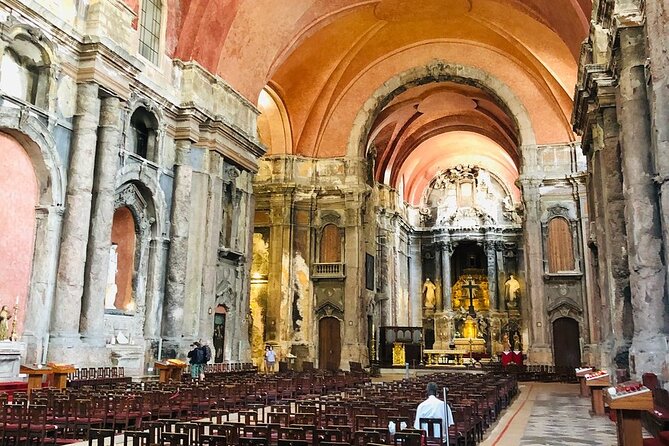
At Igreja de São Domingos, the tour considers how enslaved people interacted with Lisbon’s religious organizations. The stop is about 10 minutes.
Religion is a necessary part of this story because churches and religious institutions could provide community, structure, and spiritual life, while religious ideas were also used at different times to justify systems of enslavement. The tour gives you a chance to consider those tensions rather than reducing religion to a simple good or bad role.
A short stop cannot cover every detail, but it can show why churches belong in a history of slavery. Religious buildings were not detached from city life. They were part of the institutions that shaped law, customs, identity, and social relations.
This is also where Rui’s measured approach matters. The topic calls for care, and the best version of this tour seems to be one that allows room for nuance without softening the facts.
Largo do Carmo, revolution, and the end of empire
The walk ends at Largo do Carmo after about 15 minutes of discussion there. This location is associated with the April 25 coup and revolution of 1974, which led to the collapse of Portugal’s dictatorship and helped bring about the end of the Portuguese colonial empire in the mid-1970s.
Ending here gives the tour a modern political finish. The story does not stop with the abolition or decline of slavery. It continues through colonial rule, resistance, revolution, decolonization, and the social effects that remain.
Largo do Carmo is therefore more than a convenient endpoint. It connects the older history of forced labor and colonial trade to Portugal’s recent past. You leave with a clearer sense that historical systems can change, but their consequences do not vanish at the moment a law or empire ends.
The ending also gives you a natural place to continue exploring central Lisbon. Since the tour does not include hotel drop-off, you are responsible for making your own plans afterward. Rui has also provided restaurant suggestions to some participants, which can be useful if you want to keep the conversation going over a meal.
Rui Fernandes and the small-group format
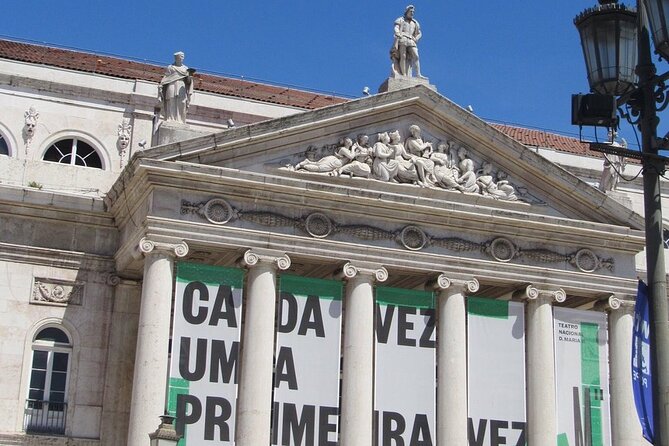
The guide is a major part of this experience. Rui Fernandes is presented as deeply prepared, friendly, diplomatic, and comfortable with difficult questions. He contacts participants before the tour with meeting instructions, and he has made an effort to help the group stay comfortable in bad weather.
That practical care matters, but his strongest asset is the way he handles complicated material. He uses historical evidence, pictures, and documents, and he corrects misinformation directly. At the same time, the tone is not described as combative or performative.
The group limit of eight is a real advantage. On a sensitive subject, a small group makes it easier to ask questions without interrupting a large crowd. It also lets the guide adjust the pace and explain a point when people need more context.
There is a personal element to Rui’s connection with the subject, including a family connection that he has shared near the end of the tour. I would not book expecting a dramatic reveal, but that detail can give the final part of the experience added meaning.
This is a guide-led history walk, not an attraction with exhibits or a large production. If you prefer quiet independent sightseeing, you may find the three-hour discussion too focused. If you want clear explanations and the freedom to ask questions, the format works well.
Is $39.78 a fair price?
At $39.78 per person, the tour is priced below many longer guided city experiences, but the value depends on what you want from Lisbon. You are paying for about three hours with a professional guide, local taxes, a route through several central districts, and a small group of no more than eight.
There are no admission fees at the stops, which is expected for a street walk. Food, drinks, and hotel transportation are also not included. Since the route begins in Alfama and ends at Largo do Carmo, you should plan your own way to the starting point and your next activity afterward.
I consider the price reasonable for a focused history tour, especially because this subject is rarely built into standard sightseeing routes. You are not just receiving directions to monuments. You are getting an interpretation of Lisbon’s economy, institutions, neighborhoods, and political history.
The strongest value comes if you use it early in your stay. After the walk, Praça do Comércio, Alfama, Baixa, and Rossio will carry more meaning. You may notice what a conventional tour leaves out.
Who should book this Lisbon walk?
I would recommend it to adults and older teenagers who want a more honest account of Portugal’s past. One family found that two teenagers stayed engaged throughout, which suggests the guide’s pace and visual material can work well for younger people who are willing to listen.
It is also a strong choice for Black visitors who want Portugal’s role in the slave trade acknowledged directly rather than hidden behind the language of exploration. The tour can be meaningful for anyone interested in African history, the Atlantic world, colonialism, religion, or the politics of public memory.
You should be ready for a serious subject. This is not the best pick for a first Lisbon activity if your priority is food, viewpoints, or light local anecdotes. It is also not suitable for people with walking difficulties, and you should wear comfortable shoes.
The tour is offered in English and uses a mobile ticket. Service animals are allowed, and the meeting point is near public transportation. Confirmation is provided when you book, and free cancellation is available up to 24 hours before the start time.
Should you book it?
Book this tour if you want Lisbon’s attractive streets and famous squares explained through the people and systems that shaped them. Rui Fernandes brings structure, evidence, and room for questions, while the small group keeps the discussion personal.
Skip it if you want a cheerful overview with little difficult history, or if three hours of moderate walking would be uncomfortable. For everyone else, this is a worthwhile addition to a standard Lisbon itinerary, particularly early in your visit. It gives you a fuller way to read the city, from Alfama’s old streets to the political symbolism of Largo do Carmo.
FAQ
How long is the historical walking tour?
The tour lasts approximately three hours.
Where does the tour start?
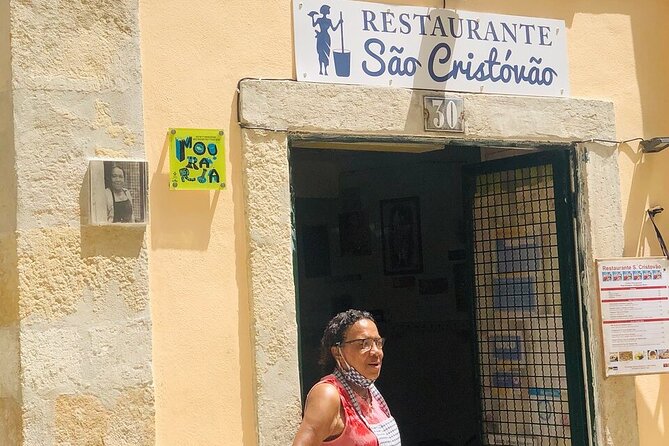
The meeting point is Largo do Chafariz de Dentro 30, 1100-605 Lisboa, Portugal.
Where does the tour end?
The tour ends at Largo do Carmo, 1200-092 Lisboa, Portugal.
What language is the tour offered in?
The experience is offered in English.
How many people can join the tour?
The maximum group size is eight people.
Is the tour suitable for people with walking difficulties?
No. A moderate level of physical fitness is recommended, and the tour is not recommended for people with walking difficulties.
What is included in the price?
The price includes local taxes and a professional guide. Food, drinks, and hotel pickup and drop-off are not included.
Fresh finds around Lisbon
- Sanctuary of Fátima and Coimbra City Tour★ 4.5 · 51 reviews
- Sintra/Lisbon: Sintra & Quinta da Regaleira Tour with Ticket★ 4.4 · 51 reviews
- Jeronimos Monastery Guided Tour – Small Groups – Tickets Included★ 5.0 · 51 reviews
- Lisbon: Private Christmas Lights Tour by Eco Tuk Tuk★ 4.9 · 51 reviews
- Peniche: Berlengas Island Catamaran Tour – Round Trip★ 4.6 · 51 reviews
- Half day Spa Water Therapy experience at THE SPA at Corinthia Lisbon★ 4.5 · 51 reviews
- Lisbon: Private Tuk-Tuk Tour for 2 hours★ 4.7 · 51 reviews
- Premium Lisbon Airport Transfer to Lisbon★ 5.0 · 51 reviews
Historical Tours, compared.
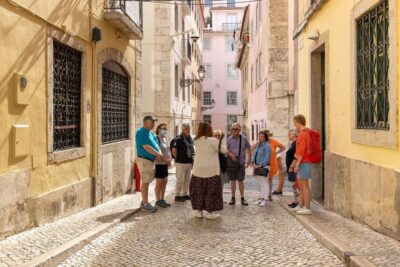
Lisbon: History, Stories and Lifestyle Walking Tour
Read our review →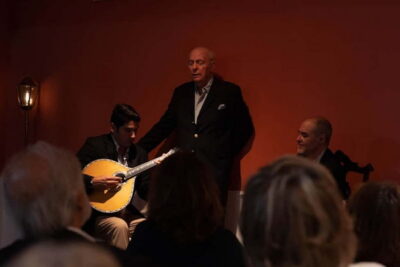
Lisbon: Live Fado Show with Port Wine in Historic Center
Read our review →
Lisbon: Fado Show with Wine in a Historic Venue
Read our review →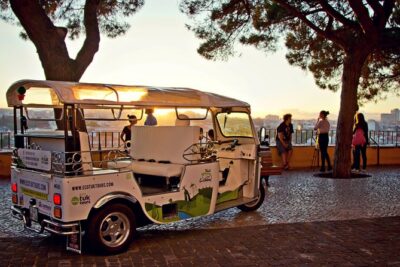
Explore Lisbon by Tuk Tuk: History and Viewpoints
Read our review →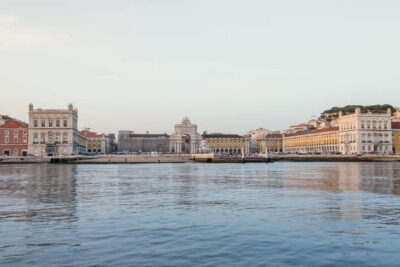
Lisbon: Daytime or Sunset Boat Cruise with History and Wine
Read our review →
Private Tuk Tuk Tour Through Lisbon’s Historical Streets
Read our review →
Lisbon Sunset Sailing with Portuguese Wine and History
Read our review →
Lisbon: Guided Tuk-Tuk Tour Along the Historic Tram Line 28
Read our review →Browse the lists this tour appears in