
Reviewed · LISBON FOOD TOURS
Pastel de Nata Workshop in Lisbon
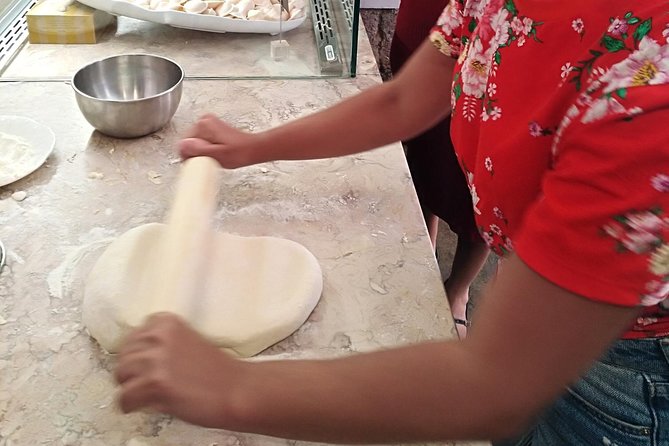
Lisbon’s famous custard tart is not a simple pastry to copy at home. In this small workshop, you make the dough and filling by hand, shape the shells, bake the tarts, and eat the results with port or ginja. Filipa is often the instructor, and her style is warm, funny, and hands-on.
I like the maximum of six people, since everyone gets a real turn instead of watching from the back. I also like the written recipe and the final drink, two small touches that turn a sweet snack into a useful Portuguese food lesson.
The main caution is timing. It is sold as a two-hour activity, but some sessions run closer to two and a half or three hours. One account also found the instruction too critical, so this may suit you less if you want a very relaxed, no-pressure class.
In This Review
- Key points at a glance
- Making Lisbon’s custard tart from the beginning
- A two-hour class that may take three
- The small group is the real advantage
- Filipa’s teaching style
- The tasting: warm pastel de nata with port or ginja
- What you take home besides the pastry
- Is $72.41 good value?
- Who should book this class
- Booking, cancellation, and weather notes
- Should you book the pastel de nata workshop?
- FAQ
- Where does the workshop take place?
- How long does the activity last?
- How much does the workshop cost?
- Is the class offered in English?
- How many people can attend?
- What will I make?
- Do I receive a recipe?
- What is included with the dessert?
- Are there different class times?
- What is the cancellation policy?
Key points at a glance
- Make the pastry from scratch: You work with both the dough and the custard, not just pre-made ingredients.
- Small class of up to six: The format gives you time to shape, mix, ask questions, and receive corrections.
- Filipa brings personality: Her teaching is described as patient, funny, professional, and passionate about the craft.
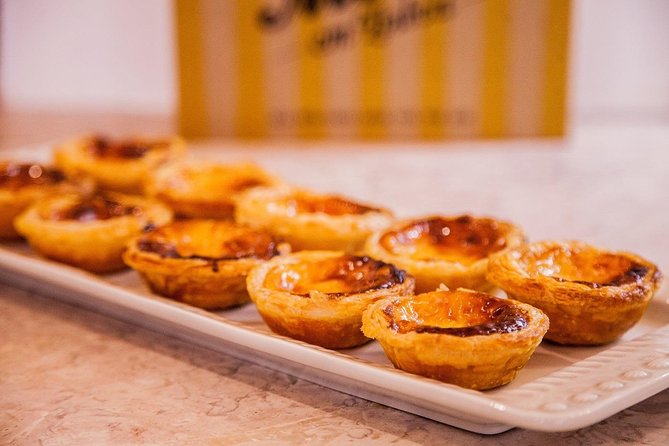
- Warm tarts with a Portuguese drink: The tasting includes pastel de nata with either port wine or ginja liqueur.
- Take the lesson home: A written recipe helps you repeat the process after Lisbon.
- Plan extra time: The advertised two hours can stretch, so avoid placing this close to another fixed booking.
Making Lisbon’s custard tart from the beginning
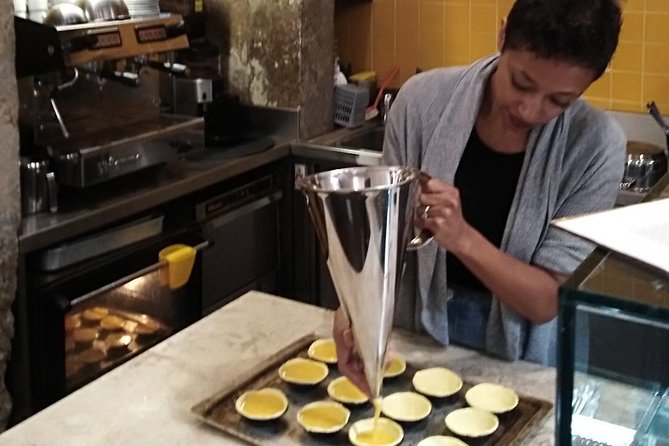
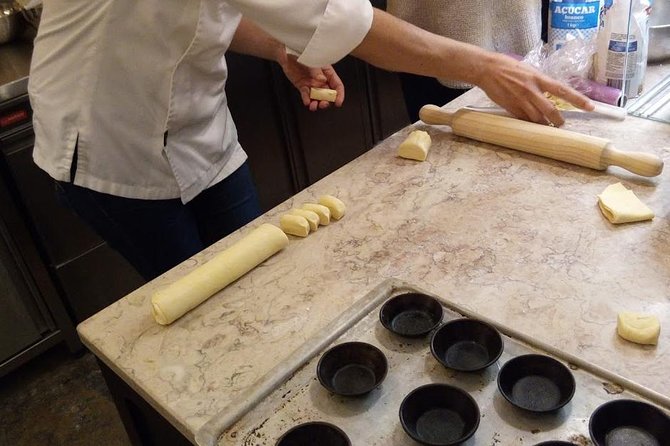
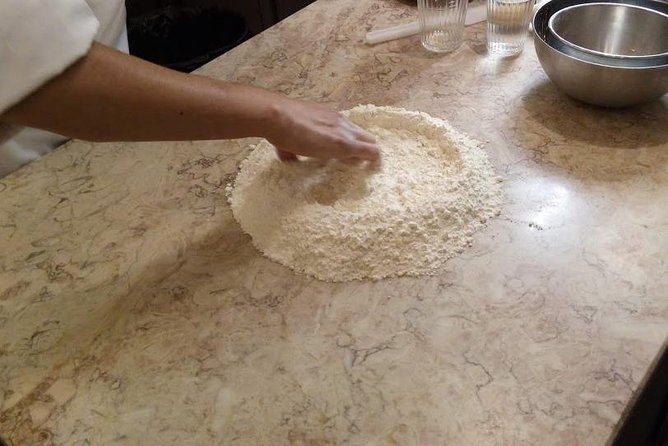
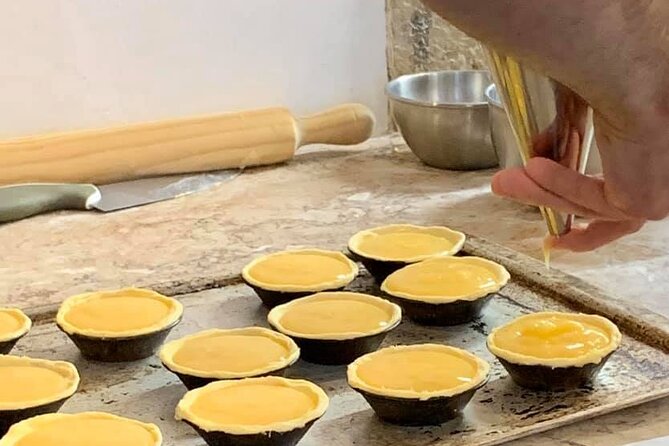
The appeal here is simple: you do not just eat a pastel de nata, you learn why it takes some care to make. The class covers the full process, including the pastry dough, custard, shaping, and baking.
That matters because the shell is more than a container for sweet filling. The pastry needs the right handling to create a crisp, layered base, while the custard must be prepared and portioned so it bakes into the familiar soft center. The workshop gives you a look at both parts instead of presenting the finished tart as a magic trick.
You should expect an active class. The format is designed for every person to take part, and the small group makes that practical. You might mix, shape, or help with another stage, then watch how the rest of the process comes together.
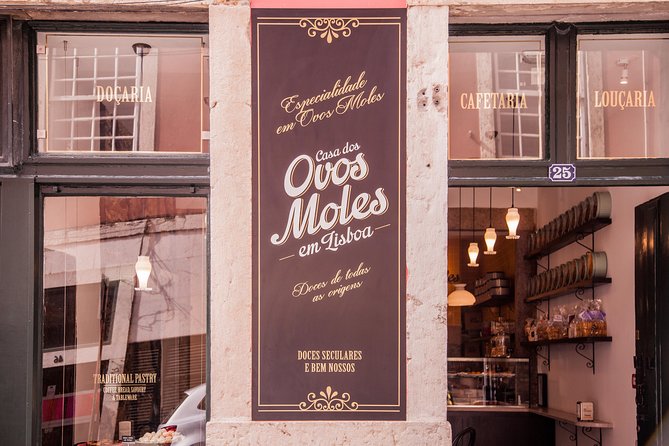
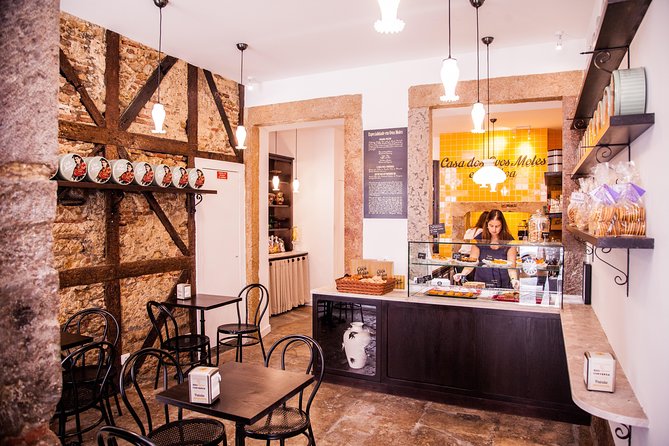
The class takes place at Casa dos Ovos Moles, a pastry shop focused on convent-style Portuguese sweets. The shop’s name refers to ovos moles, a traditional egg-based sweet associated with convent baking, and its range includes items such as pão de ló de Ovar and pudim abade de priscos.
That setting gives the lesson a useful sense of place. You are not in a generic cooking studio learning an international recipe. You are in a working pastry shop devoted to Portuguese sweets, in central Lisbon’s Chiado area.
More Lisbon food crawls:
- Lisbon: Pastel de Nata Baking Class
★ 4.9 · 2,106 reviews - Lisbon Small-Group Food Tour with 18 Tastings in Alfama District
★ 5.0 · 1,967 reviews - Lisbon: Baixa District Food Tour with Dinner and Drinks
★ 4.9 · 1,870 reviews
A two-hour class that may take three
The stated duration is about two hours. That is a fair target for the basic plan, but you should keep your schedule loose. A class can take around two and a half hours, and one account advises allowing three.
The extra time is not necessarily a problem. Baking involves pauses, explanations, corrections, and tasting, and a small group can move at the pace of the people in the room. Still, it matters if you have a museum ticket, restaurant booking, train, or flight soon afterward.
Two class times are offered, which helps you fit the workshop into a day of sightseeing. I would choose the earlier or later option based on your whole schedule, not just the time shown on the booking page. Give yourself a comfortable buffer afterward.
The meeting point is Calçada do Sacramento 25, 1200-393 Lisboa, and the activity ends there. It is near public transportation, so you can combine it with time around Chiado without arranging a separate transfer.
The mobile ticket is handy for a short city activity. Confirmation is provided when you book, so keep the meeting address and start time easy to find on your phone.
The small group is the real advantage
A cap of six people changes the feel of a practical class. You are not standing behind a demonstration table trying to see what the instructor is doing. You have a better chance to handle the pastry yourself and ask about the parts that seem difficult.
Several accounts describe groups of four to six, with each person taking part in the preparation. That is especially helpful for the shaping stage, where a quick demonstration alone may not be enough. You can receive a correction while your hands are still working rather than trying to remember the technique later.
The size also suits different kinds of participants. A couple can attend together without being swallowed by a large class. Solo visitors can meet a few people while still getting personal instruction. Families with teenagers can share the work, and the activity has been described as suitable for different cooking levels.
There is one balance to keep in mind. Personal instruction can sometimes feel intense, particularly when an instructor is exacting about technique. Most of the supplied comments describe patience, humor, and encouragement, but one person found the teaching style overly critical and felt the class became more like a competition than a holiday activity.
That is a fair consideration. This is a hands-on pastry lesson, not simply a tasting with a short demonstration. If you enjoy learning precise methods, the corrections should be useful. If you prefer a loose social activity where mistakes are ignored, ask yourself how much instruction you want.
Filipa’s teaching style
Filipa is the instructor named most often in the supplied accounts. She is described as funny, patient, engaging, and deeply interested in baking. One person identifies her as the owner of the pastry shop, while another account is unsure of the instructor’s name, so it is best to treat Filipa as the likely host rather than a guarantee for every date.
The strongest praise centers on her ability to explain each stage clearly. She gives tips for making the pastry at home, answers questions, and keeps the group involved. Her English is described as good, and the activity is offered in English.
That last point is important in a cooking class. You need to understand timing, texture, and technique, not just follow hand signals. Clear instruction helps you notice why a step matters, especially when working with pastry.
The mood also seems to be part of the experience. The class can include conversation about life in Portugal, along with humor and a friendly atmosphere. You get food instruction, but also a little contact with a local host in a central Lisbon shop.
A handful more Lisbon ideas to compare
- Lisbon: Traditional Portuguese Cooking Class
★ 4.9 · 592 reviews - Pastel de Nata Pastry Class: Bake and Enjoy Your Own Treats
★ 5.0 · 485 reviews - Lisbon: 2-Hour Pastel de Nata Cooking Class
★ 4.8 · 461 reviews - Lisbon Portuguese Cooking Class with 3-Course Dinner
★ 5.0 · 445 reviews
The tasting: warm pastel de nata with port or ginja
At the end, you eat the pastries you made. The sample menu is pastel de nata with a choice of port wine or ginja liqueur, a Portuguese cherry drink often served in small portions.
This pairing gives the class a neat finish. Port brings a sweet, fortified wine character, while ginja offers a fruitier option. You can choose the one that appeals to you, then compare the drink with the warm custard tart.
The phrase freshest one is worth taking seriously here. The pastry comes straight from the class process, so you are tasting it soon after baking rather than picking one from a display case hours later. That does not make it automatically better than every pastel de nata in Lisbon, but it gives you a direct connection between technique and result.
The final tasting is also a useful test of the class. You can see whether the pastry is crisp, whether the custard has set well, and how much difference careful shaping makes. Even if your first batch is not perfect, eating it removes some of the pressure.
A few people found the finished tarts especially delicious, with one saying they preferred them to pastel de nata tasted in Porto. That is personal judgment, not a promise, but it shows why the tasting is more than a quick sample.
What you take home besides the pastry
The written recipe is one of the best practical features. A food experience can be fun for an afternoon and then vanish from memory. A recipe gives you a chance to repeat the process in your own kitchen.
Do not expect the recipe alone to replace the class. The pastry technique is easier to understand after you have watched it, handled it, and seen the finished texture. Use the paper as a reminder of the sequence and ingredients, while your memory supplies the feel of the dough and custard.
This is also a good choice if you are already a pastel de nata fan. You may have tasted the pastry across Portugal, but learning the method gives you a better eye for what you are eating. You begin to notice the shell, custard, and baking rather than treating every tart as identical.
For a reluctant participant, the activity still has a strong case. One parent arrived mainly because her daughter wanted to attend and ended up enjoying the hands-on work and final tasting. That is a useful sign for families or couples with different levels of interest in cooking.
Is $72.41 good value?
At $72.41 per person, this is not the cheapest way to eat a pastel de nata. You can buy the finished pastry far more cheaply at a bakery. The price makes sense only if you want the full activity: instruction, ingredients, small-group attention, the drink, and the recipe.
The group size is the main value factor. With no more than six people, you are paying for access to the instructor as well as for the food. A large demonstration might cost less, but it would not offer the same chance to shape the pastry or get help with mistakes.
I would consider it good value for someone who enjoys food culture and wants an active two-hour stop in Lisbon. It is less compelling if you only want a quick introduction to the dessert or are watching every euro.
The workshop also works well as a special holiday activity. You leave with a skill, a recipe, and a story connected to a Portuguese pastry tradition. That is a better return than simply adding another snack to a day already filled with cafés.
The rating is 4.8 from 72 ratings, with 96 percent recommending the experience. Those numbers suggest a reliable experience overall, but they do not erase the timing and teaching-style cautions. I would book it for the format and the chance to make the pastry, not just for the score.
Who should book this class
You should consider it if you enjoy:
- Hands-on cooking rather than watching a demonstration
- Small groups and direct help
- Portuguese sweets and local food traditions
- Learning a recipe you can try at home
- A relaxed drink and tasting after an activity
- Family activities that can hold the interest of teenagers
It is also a good fit for solo visitors and couples. The six-person limit gives you room to participate without needing to arrive as part of a large group.
You might skip it if your Lisbon schedule is packed tightly. The class can last longer than the advertised two hours, and the price is high for anyone who only wants to taste the pastry. You may also prefer a less exacting activity if you dislike being corrected while cooking.
Booking, cancellation, and weather notes
You can cancel for a full refund if you do so at least 24 hours before the local start time. Changes or cancellations made inside that window are not accepted for a refund.
The experience may be canceled if poor weather affects the operating conditions, even though the class is held at a pastry shop. In that case, you are offered another date or a full refund. The class also requires a minimum number of participants, and a cancellation for that reason brings the choice of another date or experience, or a full refund.
The activity is commonly booked about 20 days ahead. That is a useful planning signal, especially if you need one of the two class times or are visiting during a busy period. Confirmation arrives at booking, and the mobile ticket keeps the process simple.
Should you book the pastel de nata workshop?
I would book this if you want to do more than eat Lisbon’s signature tart. The small class, hands-on method, likely instruction from Filipa, written recipe, and port or ginja tasting create a complete food experience rather than a quick bakery stop.
Book it early in your planning, then leave at least three hours around it. The price is reasonable for direct instruction in a group of six, but not for a basic tasting. If you are happy to knead, shape, listen, and accept a little pastry correction, this is a tasty and useful way to spend part of a Lisbon day.
FAQ
Where does the workshop take place?
It takes place at Casa dos Ovos Moles, at Calçada do Sacramento 25, 1200-393 Lisboa, Portugal.
How long does the activity last?
The listed duration is approximately two hours. You should allow closer to three hours, since some sessions run to two and a half hours or longer.
How much does the workshop cost?
The stated price is $72.41 per person.
Is the class offered in English?
Yes. The workshop is offered in English.
How many people can attend?
The maximum group size is six people.
What will I make?
You will make pastel de nata, including the pastry dough and custard, from scratch and by hand.
Do I receive a recipe?
Yes. You receive a written recipe to use at home.
What is included with the dessert?
The tasting includes pastel de nata with a choice of port wine or ginja liqueur.
Are there different class times?
Yes. You can choose between two class times.
What is the cancellation policy?
You can cancel at least 24 hours before the local start time for a full refund. Cancellations or changes made less than 24 hours before the start are not accepted for a refund.
Fresh finds around Lisbon
- Sanctuary of Fátima and Coimbra City Tour★ 4.5 · 51 reviews
- Sintra/Lisbon: Sintra & Quinta da Regaleira Tour with Ticket★ 4.4 · 51 reviews
- Jeronimos Monastery Guided Tour – Small Groups – Tickets Included★ 5.0 · 51 reviews
- Lisbon: Private Christmas Lights Tour by Eco Tuk Tuk★ 4.9 · 51 reviews
- Peniche: Berlengas Island Catamaran Tour – Round Trip★ 4.6 · 51 reviews
- Half day Spa Water Therapy experience at THE SPA at Corinthia Lisbon★ 4.5 · 51 reviews
- Private Tour Romantic Sintra, Cabo da Roca & Cascais★ 5.0 · 51 reviews
- Lisbon: Private Tuk-Tuk Tour for 2 hours★ 4.7 · 51 reviews
Lisbon Food Tours, compared.
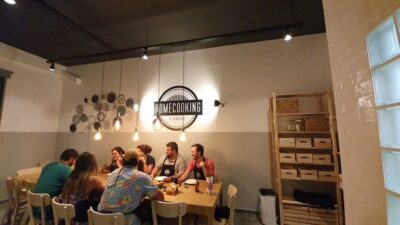
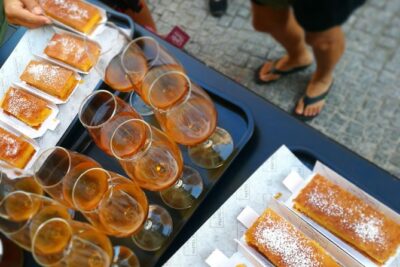
Lisbon Small-Group Food Tour with 18 Tastings in Alfama District
Read our review →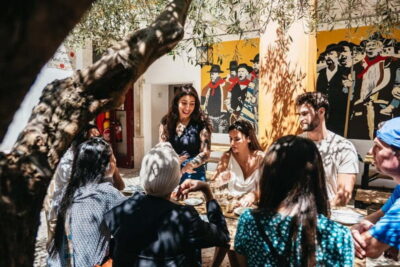
Lisbon: Baixa District Food Tour with Dinner and Drinks
Read our review →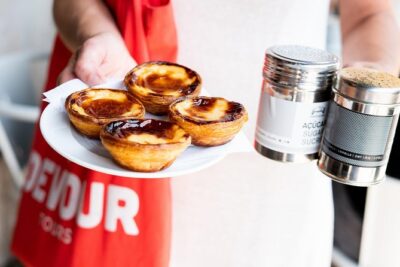
Devour Lisbon: The Ultimate Portuguese Food Tour
Read our review →
Lisbon Food Tour with 10+ Tastings of Local Delicacies & Wines
Read our review →
Lisbon Private Food Tour – Taste 10+ Local Dishes & Wines
Read our review →
Lisbon: Segway Food Tour of Alfama and Old Town Lisbon
Read our review →
Lisbon Awakens: A Culinary Crossroads, Reborn.
Read our review →Browse the lists this tour appears in