
Reviewed · FADO SHOWS
Lisbon: Experience the Queen of Fado at AH AMÁLIA
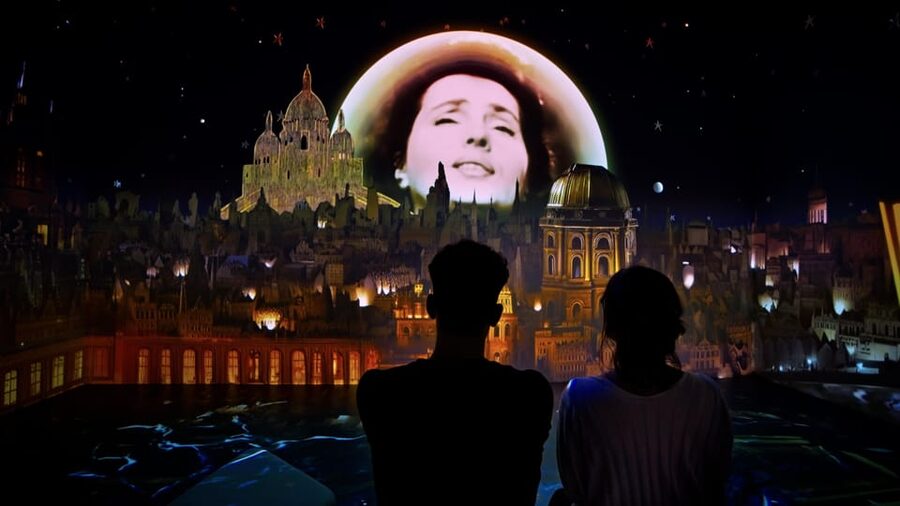
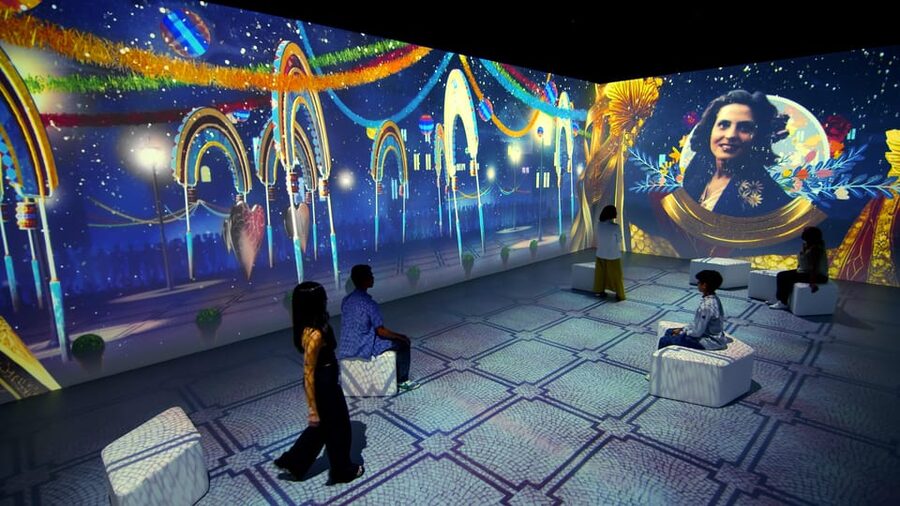
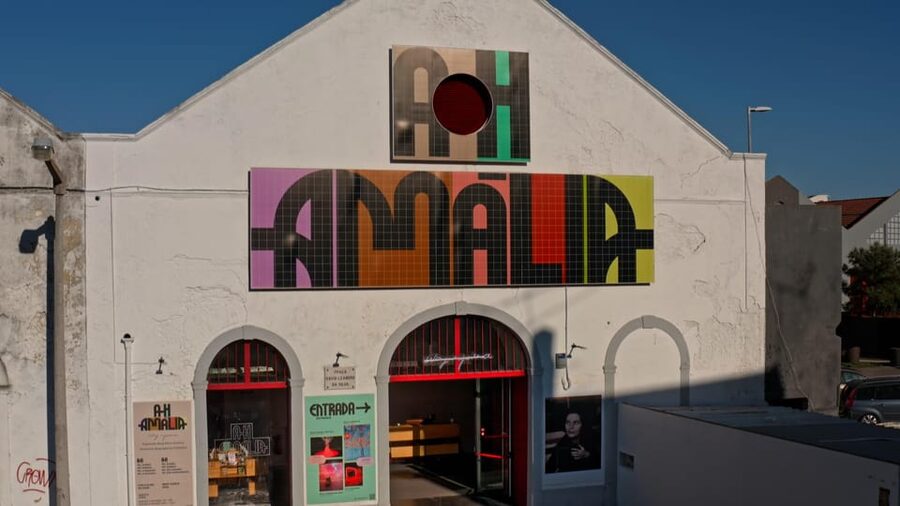
Amália Rodrigues appears here not as a name on a souvenir tile, but as a full sensory subject. In eight rooms across 700 square meters, you follow the Queen of Fado through music, film, personal stories, international fame, and the Lisbon that shaped her. The mix of 360-degree projections, virtual reality, and a life-sized hologram gives the experience real visual punch.
I like two things right away. First, the one-hour length fits neatly into a Lisbon day, especially if you are traveling with children. Second, the technology serves a clear purpose: it helps explain Fado through Amália’s voice and life instead of leaving you with a dry museum display.
The main drawback is location. Praça David Leandro da Silva is away from Lisbon’s most familiar sightseeing areas, and one booking ended with a costly taxi ride after an unexpected closure. Check the opening details before setting out, and remember that the presentation is almost entirely in Portuguese and English.
In This Review
- Key points to know before you go
- Meeting Amália Rodrigues beyond the postcard
- The eight-room route through Amália’s life
- 360-degree projections that put Fado around you
- The virtual reality film and hologram
- Why the old and the new work together
- The price and what you get for it
- Getting to Praça David Leandro da Silva
- Who will enjoy AH AMÁLIA most
- Should you book AH AMÁLIA?
- FAQ
- Where is AH AMÁLIA located?
- How long does the experience last?
- What does the ticket include?
- How much does standard admission cost?
- Are reduced tickets available?
- Do young children need a ticket?
- What languages are available?
- Is the venue wheelchair accessible?
- Is the experience suitable for people with vertigo or visual impairments?
Key points to know before you go
- Eight rooms over 700 square meters: The experience moves through Amália Rodrigues’s artistic, personal, social, and international life.
- 360-degree projections and virtual reality: These are central parts of the visit, not minor extras.
- A life-sized hologram: You see Amália presented through modern stage technology as well as archival material.
- One-hour visit: It is short enough for families and easy to add to a half-day plan.
- Portuguese and English only: A French-language option is not listed.
- Free for children up to age six: Children ages seven through seventeen pay a reduced price, with a family rate also available.
Meeting Amália Rodrigues beyond the postcard
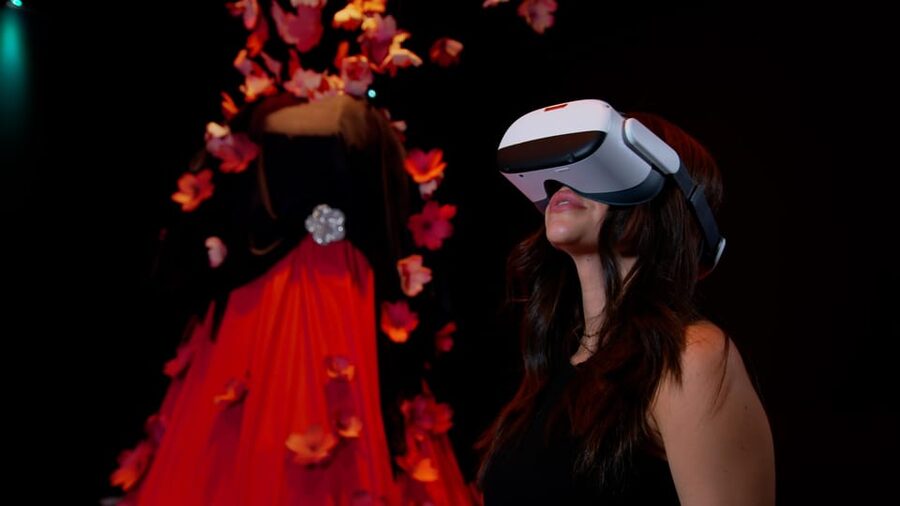
Amália Rodrigues is widely known as the Queen of Fado, but that title alone does not tell you much. Fado is not simply sad Portuguese music. It is a style built around voice, guitar, longing, fate, city life, and emotional directness. To understand why Amália mattered, you need some sense of both the music and the woman who carried it far beyond Portugal.
AH AMÁLIA uses a sequence of rooms to make that connection. You are not just looking at photographs or reading dates. The show brings together sound, moving images, light, projection, and digital effects, giving you several ways to take in the story.
That approach is useful if you know little about Amália before arriving. One attendee who began with almost no knowledge of her left feeling familiar with her public and private sides. That is the experience’s strongest educational quality: it gives you a human entry point into Fado.
If you already know Amália’s recordings well, the visit may work more as a visual tribute than as a major musical discovery. The display is designed to tell a broad story, so it cannot give every song, period, or controversy much time. Still, its short format keeps the presentation focused.
More fado evenings:
- Lisbon: Live Fado Show with Port Wine in Historic Center
★ 4.7 · 4,166 reviews - Lisbon: Fado Show and Portuguese Dinner
★ 4.5 · 1,531 reviews - Lisbon: Fado Show with Wine in a Historic Venue
★ 4.8 · 1,294 reviews
The eight-room route through Amália’s life
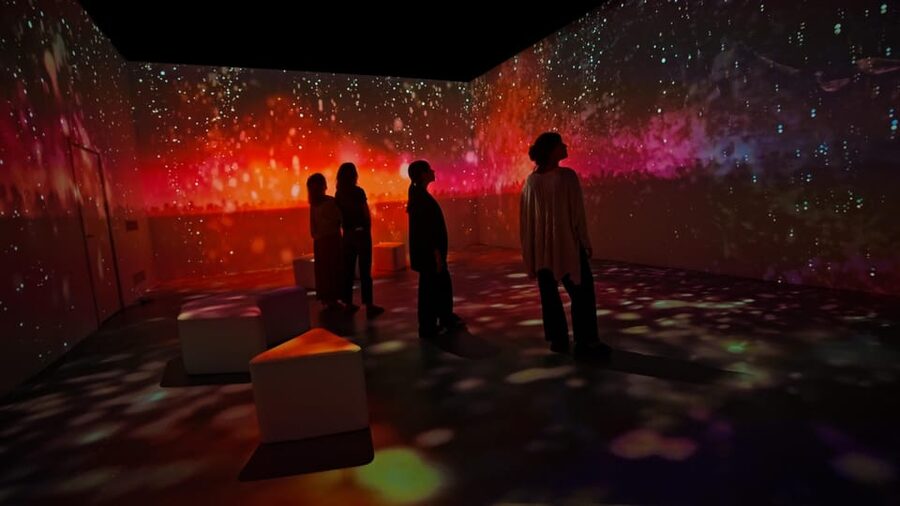
The exact transitions between rooms are part of the production, but the overall route covers the key parts of Amália’s legacy. You move through her work, her personal story, her role in society, her connection to Portugal, and her international career.
The early sections help place Amália in context. This matters because Fado can feel mysterious if you encounter it only as a performance. Here, the story connects the singer to Lisbon and to the cultural world around her.
The presentation also shows Amália in more than one role. She was an artist, public figure, and international name, but the experience also points toward her social and personal sides. That wider view is one reason the visit feels more useful than a simple audiovisual concert.
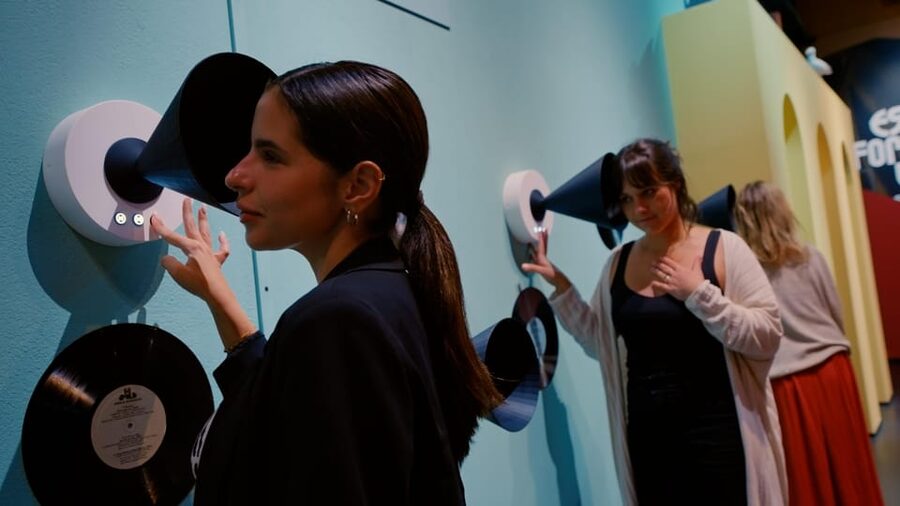
The route is designed as a sensory biography, so expect the mood and scale to change from room to room. Some sections use large projected images, while others focus on sound, light, or an interactive digital element. If you prefer quiet galleries with time to read every panel, this may feel fast. If you learn best through atmosphere and a strong visual setting, the format should work well.
The one-hour duration is worth taking seriously. You have enough time to get a clear picture of Amália and Fado, but not enough time to linger for long in every section. I would arrive ready to pay attention rather than treating it as a place to wander casually.
360-degree projections that put Fado around you
The 360-degree projections are among the main reasons to choose this experience. Images can fill the room instead of sitting in a frame, creating a sense of scale that standard displays cannot match.
That size also changes how you hear the music. Fado is strongly tied to the voice, and a large audiovisual setting can make the performance feel less like background sound and more like the focus of the room.
The technology is not for everyone. If you suffer from vertigo, the experience is specifically not recommended. Large moving images, changing light, and virtual reality can be uncomfortable for some people, so this is an important consideration rather than a minor warning.
The show is also not suitable for people with visual impairments. That is understandable given how much of the visit depends on projection, visual effects, and screen-based storytelling, but it limits who can fully enjoy the presentation.
The virtual reality film and hologram
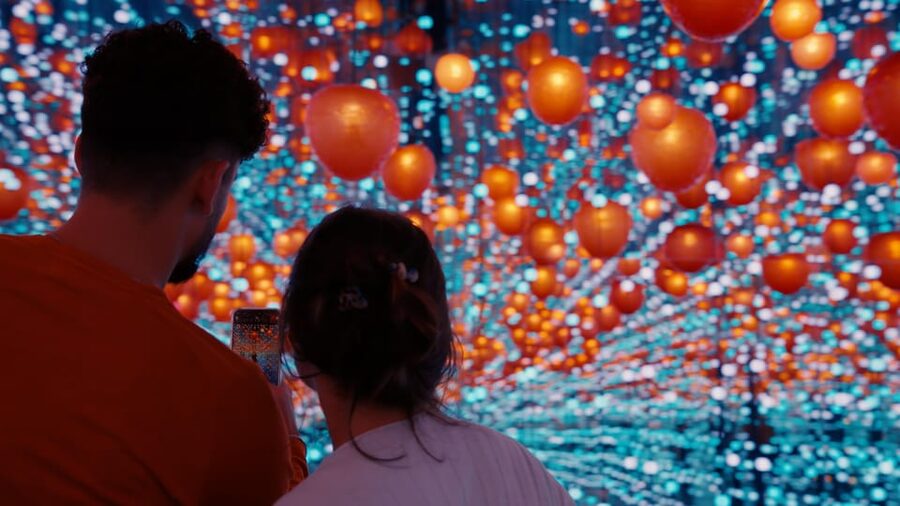
The virtual reality movie is a major feature, not a small add-on at the end. A Danish attendee singled out the virtual show as fantastic, and another visitor described the full presentation as highly sensory and educational.
The value of VR here is that it offers a different way to approach Amália’s world. Instead of only watching a projected scene from outside, you may feel more directly placed inside the visual story. The exact content is not detailed, so I would not book this expecting a particular song, location, or historical scene. Think of it as one chapter in the wider biography.
The life-sized hologram adds another change of pace. Holograms can feel gimmicky when they are used without a clear reason, but in a biography about a performer, a full-scale digital presence makes practical sense. It gives the production a strong focal point and helps link Amália’s physical stage persona with the modern presentation.
Light installations and sound displays fill out the visit. These details matter because Fado is not only something to read about. Its emotional force comes through the voice, rhythm, and atmosphere, and the production tries to let you experience those elements together.
A handful more Lisbon ideas to compare
- Lisbon City Center Tour – The Unmissable Lisbon
★ 5.0 · 22,234 reviews - Lisbon: Sintra, Pena, Regaleira, Cabo da Roca & Cascais
★ 4.7 · 19,656 reviews - Lisbon: Jerónimos Monastery Entrance Ticket
★ 4.1 · 14,164 reviews - Lisbon: History, Stories and Lifestyle Walking Tour
★ 4.8 · 10,902 reviews
Why the old and the new work together
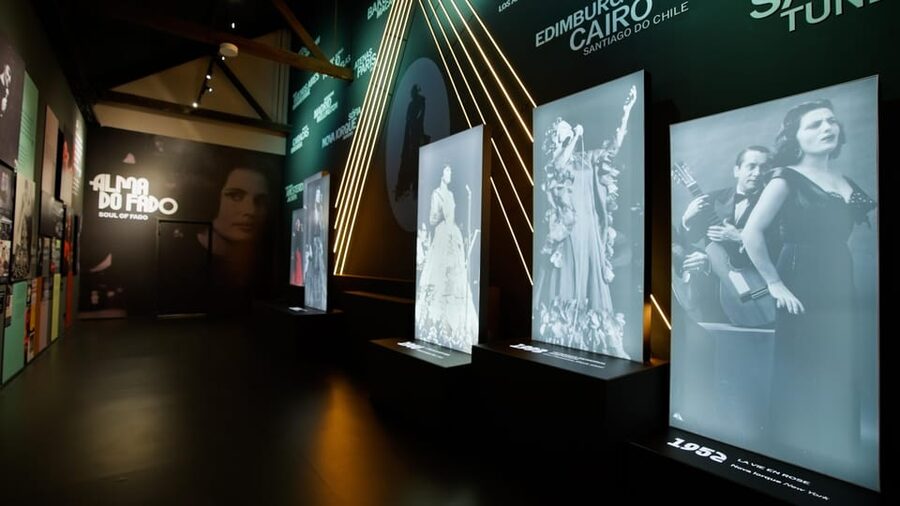
AH AMÁLIA places traditional Portuguese culture inside a modern technology-led setting. That could have become a clash, but the subject makes the pairing logical. Amália’s career crossed from local Fado culture into international entertainment, so the old and new belong in the same story.
I like this approach for first-time visitors to Lisbon. You may not have time to attend a full Fado performance, or you may not know which venue suits you. This one-hour visit gives you a basic cultural foundation before you decide if you want to hear more live music later.
It is also a useful introduction for families. Children may not sit patiently through a long museum display about Portuguese music, but moving images, lights, and VR offer more immediate points of interest. Children up to age six enter free, and the family ticket applies when at least two adults and one child between seven and seventeen attend.
Still, this is not a replacement for live Fado in a small Lisbon venue. A digital presentation can explain the form and honor its most famous voice, but it cannot fully recreate the feeling of a singer performing in front of you. I see AH AMÁLIA as preparation, context, and tribute, not as the final word on Fado.
The price and what you get for it
The standard local price is €20, which works out to roughly the advertised $23 per person, depending on exchange rates. Students, seniors over sixty-five, visitors with reduced mobility, and children ages seven through seventeen pay €17. A family rate of €15 per person applies to a group with at least two adults and one child in that age range.
That is not the cheapest short attraction in Lisbon. For a one-hour visit, the price can feel high if you judge it only by time. The value improves if you care about Amália, enjoy multimedia art, or want a clear introduction to Fado without committing to a longer evening event.
I would also count the production quality in the price. You are paying for several large-scale formats in one visit: 360-degree projection, VR, hologram, interactive material, light, sound, and visual displays. If you enjoy technology-led cultural attractions, the ticket is easier to justify.
The cost is harder to defend for someone who wants a traditional museum, a full concert, or detailed written information in several languages. One Portuguese attendee called the experience expensive, and that is a fair reaction for a short attraction. The decision comes down to your interest in Amália and your willingness to pay for presentation as well as content.
Getting to Praça David Leandro da Silva
The address is Praça David Leandro da Silva 16, Lisbon, postal code 1950-242. This is not in the middle of the classic sightseeing circuit around Baixa, Chiado, or Alfama.
Plan the visit as a deliberate outing rather than something you will casually pass on the way to another landmark. One booking problem involved the venue being closed without explanation, with the person paying for a taxi both ways. I cannot know whether that was an isolated incident, but the practical lesson is clear: check the day’s operating details before leaving and avoid building an expensive, time-sensitive plan around it.
The experience offers free cancellation up to twenty-four hours in advance, and you can reserve now and pay later. Those policies are useful if your Lisbon schedule is still shifting. They do not solve the transport issue, but they reduce the risk of committing too early.
The venue is wheelchair accessible. Food and drinks, alcohol, and drugs are not allowed inside. The hosts or greeters speak Portuguese and English, so French-speaking visitors should plan around the lack of a listed French option.
Who will enjoy AH AMÁLIA most

I would recommend this to you if Amália Rodrigues is already on your Lisbon list, or if you want an efficient way to understand why Fado matters. Music lovers should get the most from the sound-led storytelling and the attention given to Amália’s career.
It also suits families better than many cultural attractions. The visit lasts about an hour, and the combination of projection, VR, sound, and hologram gives children something active to watch. Free entry for children up to six helps keep the cost manageable.
This is a good choice for first-time Fado listeners, too. You can leave with enough context to recognize the music as more than a gloomy tourist performance. The show links Amália to Lisbon, Portugal, and her international reach.
I would hesitate if you dislike flashing or moving images, feel unsteady with VR, or need detailed information in a language other than Portuguese or English. I would also think twice if your Lisbon schedule is tight and the ride to the venue would be expensive.
Should you book AH AMÁLIA?
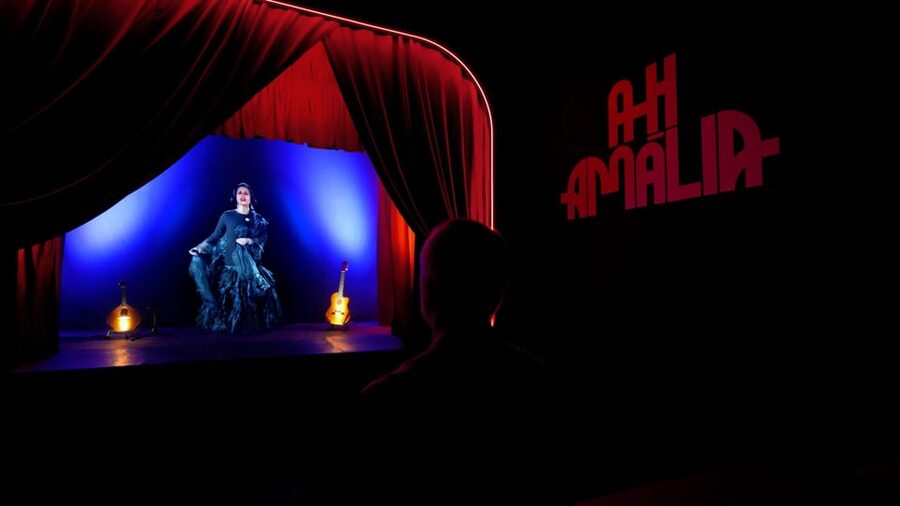
Book it if you want a fast, visually powerful introduction to Amália and Fado. The virtual reality film, 360-degree projections, and hologram give the biography an unusual format, while the eight-room route provides enough cultural context to make the technology worthwhile.
Skip it if you want a traditional concert, a long museum visit, or a central Lisbon attraction that you can reach without planning. At about €20 for one hour, the ticket depends on your interest in the subject.
For many people, the best use of AH AMÁLIA is as a starting point. Learn who Amália was here, then seek out Fado in a live setting if you have time. That combination gives you both the polished biography and the human sound the exhibition can only present through technology.
FAQ
Where is AH AMÁLIA located?
AH AMÁLIA is at Praça David Leandro da Silva 16, 1950-242, in Lisbon, Portugal.
How long does the experience last?
The experience lasts about one hour.
What does the ticket include?
Your ticket includes entrance to the immersive biographical experience about Amália Rodrigues and Fado.
How much does standard admission cost?
The regular ticket costs €20 per person. The advertised price is approximately $23 per person, depending on exchange rates.
Are reduced tickets available?
Yes. Students, seniors over sixty-five, children ages seven through seventeen, and visitors with reduced mobility pay €17. A family ticket costs €15 per person for at least two adults and one child between seven and seventeen.
Do young children need a ticket?
Children up to six years old enter free.
What languages are available?
The experience is available in Portuguese and English. A French-language option is not listed.
Is the venue wheelchair accessible?
Yes, the venue is wheelchair accessible.
Is the experience suitable for people with vertigo or visual impairments?
No. The experience is not suitable for people with vertigo or visual impairments because it relies heavily on projections, VR, sound, and visual displays.
Fresh finds around Lisbon
- Lisbon: Tuk Tuk City Tour★ 3.6 · 7 reviews
- Fatima Full day Private Tour★ 5.0 · 7 reviews
- Lisbon: Highlights and Hidden Gems Tour★ 5.0 · 7 reviews
- Private Tour to Evora and Monsaraz from Lisbon★ 5.0 · 7 reviews
- Discover Sintra Beauty with a Guided Journey from Lisbon★ 5.0 · 7 reviews
- Private Half-Day Tour to Sintra★ 3.4 · 7 reviews
- Lisbon: Sunset and Wine Catamaran Tour★ 5.0 · 7 reviews
- Nazaré: Beaches of Nazaré Guided E-Bike Tour★ 4.9 · 7 reviews
Fado Shows, compared.
Lisbon: Live Fado Show with Port Wine in Historic Center
Read our review →
Lisbon: Fado Show with Wine in a Historic Venue
Read our review →
Lisbon: Alfama Tour and Live Fado with Traditional Dinner
Read our review →
Fado in Chiado – Live Show in Lisbon on Stage for over 15 Years
Read our review →
Lisbon: Fado Night with Dinner in a Typical Fado House
Read our review →
Lisbon Fado Experience: Walking Tour, Dinner and Live Music Show
Read our review →
Lisbon: Fado Night with Dinner with Live Performance
Read our review →Browse the lists this tour appears in