
Reviewed · WINE TOURS
Golden Era of Évora walking & the portuguese wine tasting.
Évora’s story is written in layers. In four hours, you move from the Roman Temple and ancient gateway to Muslim walls, medieval battlements, the Avis dynasty, and Portugal’s 15th and 16th century golden age. The tour finishes with Alentejo wine, giving the city’s history a very pleasant final chapter.
I like the way the walk goes beyond the famous postcard stops, pointing out towers, fountains, Sisebuto Tower, the aqueduct, statues, and quieter corners near Palace D. Manuel. I also like the human touch: guides Paulo and Paolo explain the city with real enthusiasm, while sommelier and oenologist Vanessa Schnitzer leads the tasting.
The main consideration is pace. Four hours is a long walking session, and one guest found Paulo spoke a little quickly. Wear good shoes, and tell the guide early if you need a slower pace or extra care on the route.
In This Review
- Key points to know before you book
- Starting in Giraldo Square, Évora’s grand front door
- Roman foundations and Évora’s ancient gateway
- Visigothic and Muslim Évora behind the walls
- Battlements, towers, and the medieval city
- Palace D. Manuel, fountains, and a more romantic side of Évora
- Why the UNESCO status matters
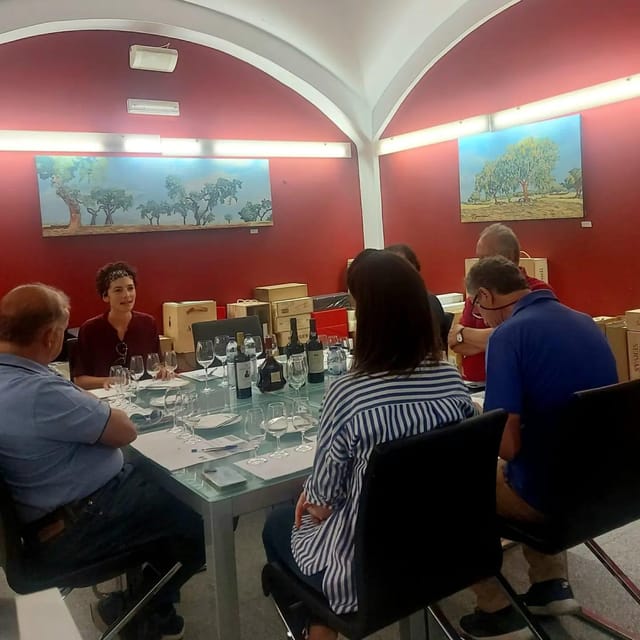
- The Alentejo wine tasting at Ervideira Wine Shop
- The guides and the value of a private group
- Is four hours the right length?
- Is $42 a fair price?
- Who should book this Évora experience?
- Should you book the Golden Era of Évora walk?
- FAQ
- Where does the tour start?
- How long does the experience last?
- What languages are available?
- Is the tour private?
- Is wine included in the price?
- Who leads the wine tasting?
- Are museum entrance fees included?
- Is the tour wheelchair accessible?
- Can people under 19 join?
Key points to know before you book
- History across more than two millennia: Follow Évora from its earliest settlers through Roman, Visigothic, Muslim, medieval, and Portuguese royal periods.
- A private walking experience: Your group has a live guide in English, Spanish, or Portuguese rather than joining a large public crowd.
- More than the Roman Temple: The route includes towers, battlements, fountains, an aqueduct, a Roman gateway, Sisebuto Tower, churches, and Palace D. Manuel.
- A wine finish with a specialist: Vanessa Schnitzer, a sommelier, oenologist, and PhD student, presents wines from the Alentejo region.
- Best taken early in your Évora stay: The historical context can help you notice the city’s architectural layers during later independent walks.
- Good value at $42: The price covers four hours, a private guide, and the wine tasting, but museum entry is extra.
Starting in Giraldo Square, Évora’s grand front door
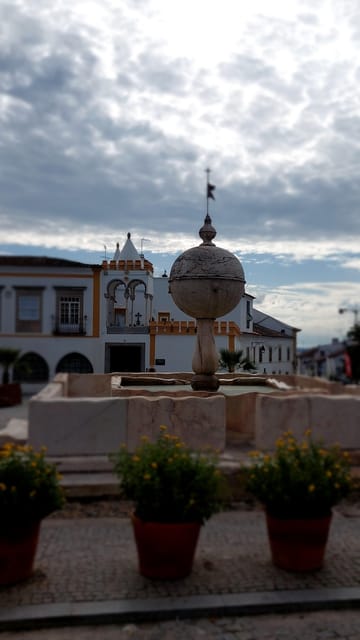
The tour begins at Chafariz da Praça do Giraldo, near the Church of Santo Antão. This is an excellent starting point because Giraldo Square is not just an easy place to find. It is the heart of Évora’s old center, where daily life and major events have long met.
From here, your guide sets out the broad story of the city. The talk begins with the first settlers, known in the description as the Eborones, then moves through the Roman period, Visigothic rule, Muslim Évora, and the Christian reconquest.
That wide time frame matters. Évora can look like a collection of attractive old buildings if you walk without context. With a guide, you can begin to see why one wall, arch, tower, or street line belongs to a different era. Paulo and Paolo are especially strong at connecting architecture with the political changes that shaped Portugal.
You also hear about Geraldo the Fearless and his role in the reconquest, the formation of the Portuguese kingdom, the Avis dynasty, and Évora’s important place during the 15th and 16th centuries. This is not a quick tour built around one monument. It is a lesson in how power, religion, and trade changed the same urban space over time.
More Walking Tours in Évora
- Évora: Private walking tour with tickets to main monuments
★ 5.0 · 223 reviews - Évora: Private walking tour, By Local Guide
★ 5.0 · 87 reviews - 2hr Walk in a Cork Forest
★ 4.5 · 42 reviews
Roman foundations and Évora’s ancient gateway
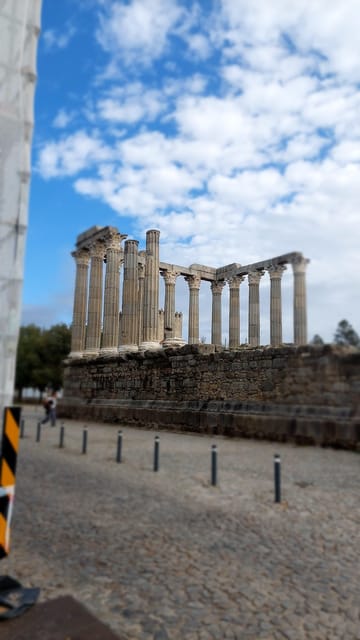
The Roman presence is one of the tour’s strongest threads. Évora’s Roman Temple is the obvious star, but the walk also brings in the Roman gateway and other traces of the ancient city.
The temple is useful as a visual anchor. You can see how later Évora grew around an older Roman center, even as walls and buildings changed. The guide explains the Roman influence rather than simply stopping for photographs, which makes the ruins easier to place within the city’s larger story.
You will also hear about the aqueduct. Its arches are a reminder that Roman urban life depended on engineering as much as on temples and public buildings. The aqueduct helps explain how Évora functioned as a city, not just how it looked.
One of the best reasons to take this walk with a guide is that the Roman story does not end at the temple. Several guests found that Paulo or Vanessa pointed out places they would have missed alone. You still see the landmark everyone knows, but you also get the smaller clues that make a walk through Évora more rewarding.
Visigothic and Muslim Évora behind the walls
The period after Rome is easy to overlook. This tour does not skip it. The Visigothic and Muslim chapters are part of the main narrative, helping you understand that Évora was shaped by several cultures before Portugal became a unified kingdom.
The Muslim period is particularly important for reading the old center. Walls, gateways, defensive structures, and the pattern of the streets all reflect the city’s strategic role. The tour includes medieval battlements, towers, and Sisebuto Tower, so you get a better sense of Évora as a fortified town.
I like this part because it avoids treating history as a neat succession of dates. Roman, Visigothic, Muslim, and Christian features did not simply vanish when a new ruler arrived. Some structures were reused, altered, or absorbed into later Évora.
The route may feel more demanding if you prefer a relaxed stroll with few stops for explanation. This is a history-focused walk, and the guide has a lot to cover. If you want the best experience, listen for the connections between the buildings instead of trying to remember every name.
Battlements, towers, and the medieval city
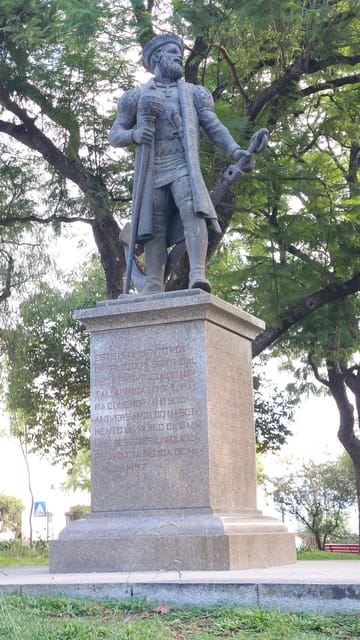
The medieval sections give the walk a stronger sense of place. Towers and battlements show how Évora protected itself, while the Roman gateway and later fortifications reveal how the city’s defenses changed across the centuries.
Sisebuto Tower is one of the more specific features included in the route. It may not have the instant recognition of the Roman Temple, but that is part of its appeal. You get a closer look at the defensive side of Évora and a clearer idea of how the old city was entered, guarded, and controlled.
The walk also includes churches and a fortress. Their value is not only religious or military. They show how public authority was expressed through stone. A church could mark the importance of a district, while a tower could signal royal or civic power.
The guide’s role is important here. Elisabeth praised Paolo’s ability to explain different architectural periods, and Ulli and Thomas valued the way he placed each detail in a larger setting. That is exactly what you want in a city with so many overlapping styles.
More Wine Tours in Évora
- From Lisbon: Évora and Monsaraz Day Tour with Wine Tasting
★ 4.8 · 279 reviews - Évora and Monsaraz with Regional Wine Tasting from Lisbon
★ 4.5 · 229 reviews - From Lisbon: Évora Wine & Heritage Tour
★ 4.1 · 93 reviews - Évora Wine & Heritage Tour from Lisbon
★ 3.5 · 44 reviews
Palace D. Manuel, fountains, and a more romantic side of Évora
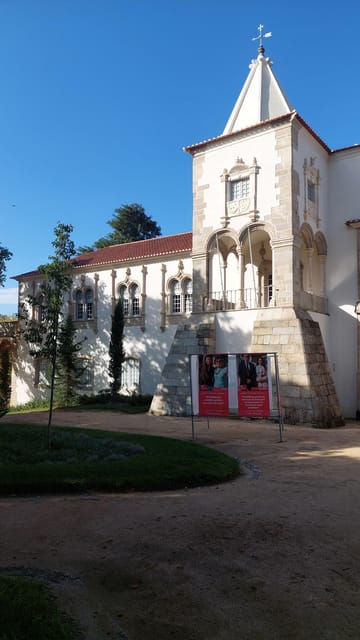
The tour is not all walls and military history. It also takes in Palace D. Manuel, statues, fountains, and a romantic garden. These stops soften the hard edges of the fortifications and show Évora as a royal and civic center, not simply a defensive town.
Palace D. Manuel connects the city to Portugal’s royal and imperial period. The 15th and 16th centuries were a high point for Portuguese power, and Évora had a special role during that time. The palace helps make that period visible.
The fountains and statues give you a chance to pause and take in the city at a slower pace. They are also useful reminders that public spaces change meaning. A place built for ceremony, water, or royal display may now be part of an everyday walk.
A romantic garden adds variety to the route. Do not expect the entire experience to feel like a formal garden visit, though. These stops are woven into a broader historical walk, so the emphasis remains on Évora’s development rather than on landscaping alone.
Why the UNESCO status matters
Évora has been a UNESCO World Heritage Site since November 23, 1986. The designation makes more sense after this walk because you have seen how many periods survive within a compact old center.
The value is not based on one perfect monument. It comes from the combination of Roman remains, later walls, churches, towers, royal buildings, and urban spaces. The city works as a historical record that you can walk through.
A guide also helps you understand why preservation can be complicated. Older structures were adapted by later communities, and that mixture is part of Évora’s identity. You are not seeing a frozen Roman or medieval town. You are seeing a living city shaped by repeated changes.
For that reason, I would take this tour near the beginning of a stay in Évora. One guest specifically found it useful to do the walk early, then look at the city differently afterward. That is good advice. The tour gives you a set of visual markers to notice when you return on your own.
The Alentejo wine tasting at Ervideira Wine Shop
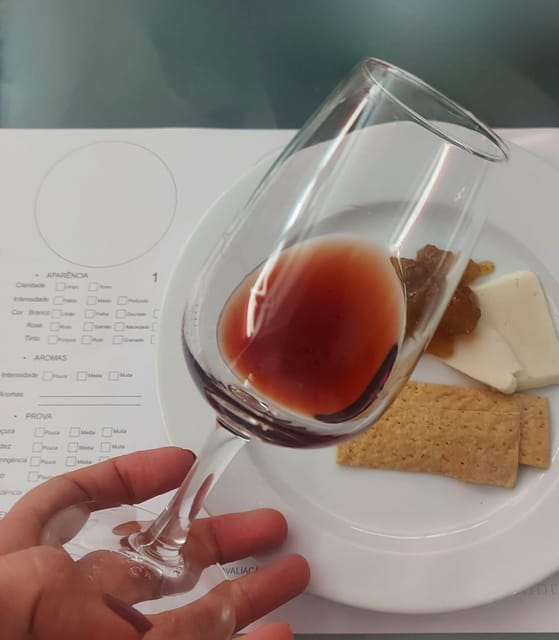
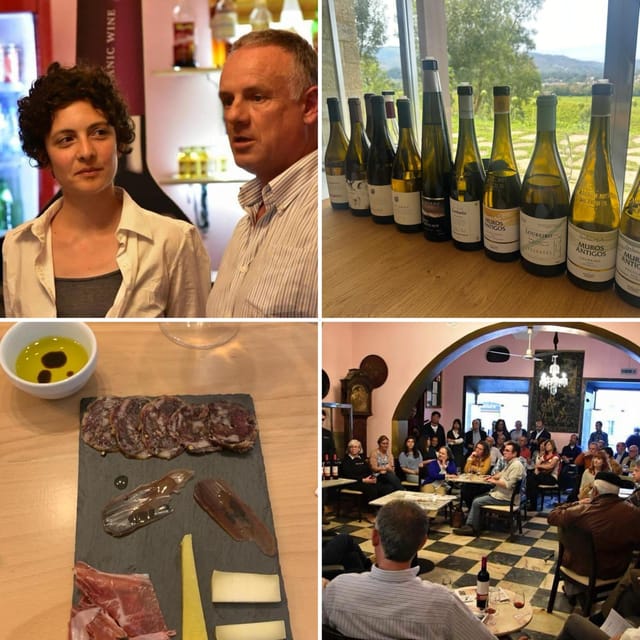
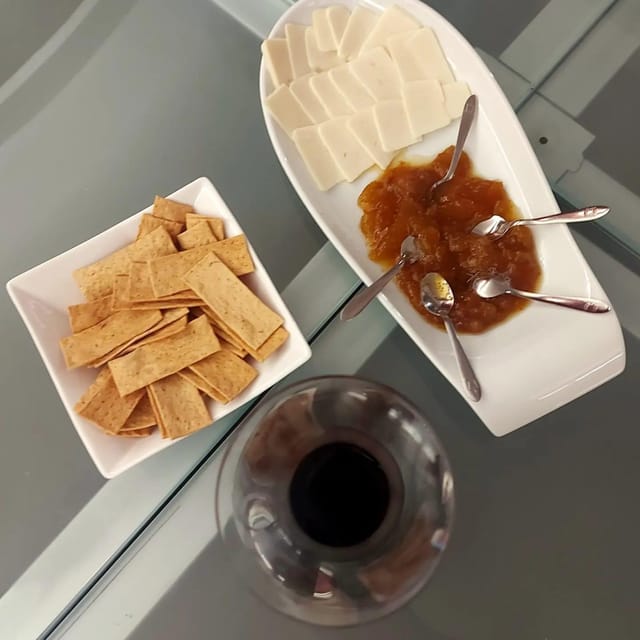
The final part moves from stone to soil. At Ervideira Wine Shop, Vanessa Schnitzer leads a tasting focused on wines from the Alentejo.
Vanessa is described as a sommelier and oenologist, as well as a PhD student. Her role is not simply to pour wine. She explains how the region’s soil and climate shape the character and style of its wines, giving the tasting a clear sense of place.
Wine is included in the $42 price, which improves the overall value. You are not paying for the walk alone, then adding a separate tasting fee at the end. The transition also makes practical sense: after several hours on foot, sitting down with a glass is a welcome change of pace.
The tasting was one of the most consistently praised parts of the experience. Cathy called it great, and Melissa found the wine presentation well explained. Crevling also enjoyed the tasting after the historical walk. That combination is the point: you learn about Alentejo, then taste part of the region’s culture.
The wine stop is not presented as a broad meal or a full food tour. The supplied details only promise wine, so do not book it expecting lunch or a large pairing menu. If you want an introduction to Alentejo wines alongside a city history lesson, it fits well.
The guides and the value of a private group
The guide can shape this experience more than any individual monument. Paulo and Paolo are praised for their enthusiasm and command of Évora’s past, while Vanessa handles the wine portion.
Paolo also sent preparatory material to Ulli and Thomas before the tour. That is a useful extra because it lets you arrive with a basic outline of the city’s history rather than hearing every name for the first time on the street.
Language choices are English, Spanish, and Portuguese. One point to keep in mind is speaking speed. Cathy enjoyed the tour but found Paulo spoke a little quickly. If you are working in a second language, ask the guide to slow down or repeat a point when needed.
The private-group format is another advantage. You can ask questions tied to your interests, such as Roman engineering, Muslim defenses, church architecture, or the wine region. The exact feel of the afternoon will depend on the guide and your group, but private touring usually gives you more room to shape the conversation.
The experience is also wheelchair accessible. Chris specifically noted that the guide went out of his way to make the tour workable for a wife who uses a wheelchair. Still, Évora’s historic setting includes old streets and defensive structures, so speak with the provider in advance about your needs and the route on your date.
Is four hours the right length?
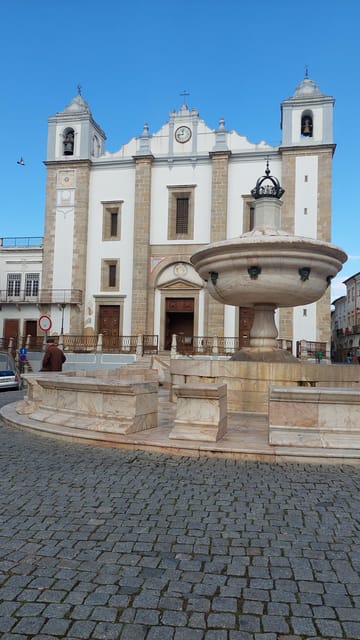
Four hours gives the guide enough time to tell the story properly and include the wine tasting. A shorter walk might cover the Roman Temple and a few central streets, but it would have less room for the Visigothic and Muslim periods, the battlements, the towers, the palace, and the wine stop.
The tradeoff is stamina. You need comfortable shoes and comfortable clothing. The experience is not suitable for anyone under 19, and alcohol or drugs are not allowed.
There is also a one-hour guided-tour break listed in the schedule. The wording is not fully clear about how that break fits within the four-hour program, so check the exact timing when you book. Starting times depend on availability.
Museum admission is not included. That is not a major flaw if your goal is an outdoor orientation walk with wine, but it matters if you expect to enter every major building. Budget separately for any museum or monument tickets you choose to add.
Is $42 a fair price?
At $42 per person, I see solid value for a private four-hour experience that includes a live guide and wine tasting. The price is especially reasonable for couples or small groups who want a personal introduction rather than a basic self-guided route.
The value rests on the quality of the explanation. If you only want to photograph the Roman Temple, you can explore Évora independently for less. If you want to understand why Roman, Muslim, medieval, and royal Portuguese elements sit together, the guide earns the extra cost.
The wine tasting gives the price a second purpose. You are not simply paying for more time on the street. You finish with a specialist explaining Alentejo’s soil, climate, and wine character.
Remember that entrance fees are extra. I would think of the tour as an orientation to the city and region, not as an all-inclusive monument pass.
Who should book this Évora experience?
I would choose this tour if you enjoy architecture, political history, fortifications, and the way cultures leave marks on one city. It suits first-time Évora visitors who want a framework before exploring alone.
It is also a good match for wine drinkers who prefer a tasting with regional explanation rather than a quick sample at a bar. Vanessa’s sommelier and oenology background gives the final hour a clear educational purpose.
Couples and small private groups should find the format appealing. The tour also suits people who want help with accessibility, since the guide has experience adapting the walk for a wheelchair user.
I would think twice if you dislike long historical explanations, want a food-heavy tasting, or plan to spend most of the afternoon inside museums. This is a walking history tour with wine, not a museum tour or a full meal.
Should you book the Golden Era of Évora walk?
Book it if you want Évora to make sense, not just look pretty. The strongest feature is the connection between the city’s Roman, Visigothic, Muslim, medieval, and Portuguese royal periods. The wine tasting then adds a local flavor that a standard sightseeing walk would miss.
I would schedule it early in your visit, wear supportive shoes, and allow for a guide who may speak at a brisk pace. At $42, it offers good value for four hours, provided you understand that museum tickets are separate and the focus is history rather than extensive food.
FAQ
Where does the tour start?
The tour starts at Chafariz da Praça do Giraldo, near the Church of Santo Antão.
How long does the experience last?
The full experience lasts four hours.
What languages are available?
The live tour guide can conduct the experience in English, Spanish, or Portuguese.
Is the tour private?
Yes. The experience is arranged for a private group.
Is wine included in the price?
Yes. Wine is included, with the tasting taking place at Ervideira Wine Shop.
Who leads the wine tasting?
Vanessa Schnitzer leads the wine tasting. She is a sommelier, oenologist, and PhD student.
Are museum entrance fees included?
No. Entrance to museums is not included.
Is the tour wheelchair accessible?
Yes, the experience is listed as wheelchair accessible. A guide has also helped adapt the tour for a participant who uses a wheelchair.
Can people under 19 join?
No. The experience is not suitable for people under 19 years old.
More Wine Afternoons Near Evora
- Évora, medieval village Monsaraz & Wine Tasting
★ 4.5 · 40 reviews - Monsaraz and Wine guided tour from Évora
★ 4.5 · 38 reviews - Evora University, Cathedral & Bones Chapel — SkipLine + Wine
★ 5.0 · 33 reviews - Évora Full Day Private Tour from Lisbon with Lunch and Wine Tasting
★ 4.0 · 31 reviews
Fresh finds around Evora
- Private Tour to Evora and Monsaraz from Lisbon★ 5.0 · 7 reviews
- From Lisbon: Évora Private Historic Discovery Tour★ 4.7 · 7 reviews
- The Roman Tour & Wine tasting.★ 4.4 · 7 reviews
- From Lisboa: Évora & Monsaraz Small-Group Full Day Tour★ 5.0 · 7 reviews
- Evora Private Personalized Experience from Lisbon★ 5.0 · 7 reviews
- From Lisbon: Évora, Chapel of Bones, & Roman Temple Tour★ 5.0 · 8 reviews
- Explore the Highlights of Evora: Self-Guided GPS and Audio Tour★ 3.5 · 8 reviews
- Tour with Wine and Olive Oil Tasting★ 4.6 · 8 reviews
Wine Tours, compared.

Winner 2025 Undiscovered Lisbon Food & Wine Tour by Eating Europe
Read our review →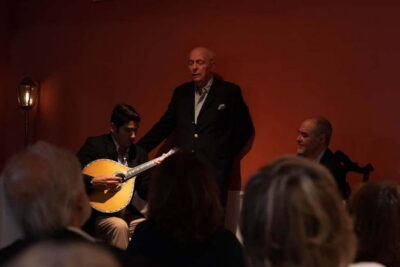
Lisbon: Live Fado Show with Port Wine in Historic Center
Read our review →
Lisbon: Food and Wine Small Group Walking Tour
Read our review →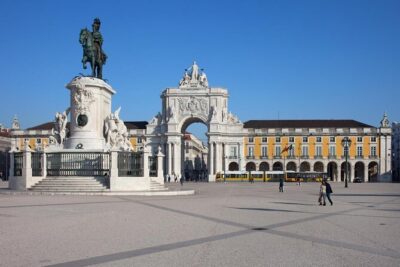
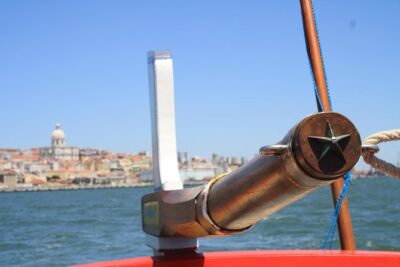
2-Hour Lisbon Traditional Boats Sunset Cruise with White Wine
Read our review →
Lisbon Food Tour with 10+ Tastings of Local Delicacies & Wines
Read our review →
Lisbon: Fado Show with Wine in a Historic Venue
Read our review →Browse the lists this tour appears in