
Reviewed · ÉVORA TOURS
Evora: Cromlech of Almendres and Great Dolmen of Zambujeiro
The Cromlech of Almendres and Great Dolmen of Zambujeiro offer a close look at Portugal’s distant past without the crowds or grand museum setting. You see massive stones in open Alentejo countryside, where the silence and wide views help you picture why these sites mattered to prehistoric communities.
I like the personal touch from local guide Pedro, whose family has lived in the area for generations. I also like the simple transport arrangement from Évora or Montemor-o-Novo. The main drawback is the walk to the dolmen: about 950 metres each way on a rural path, so this is not a good fit for wheelchair users or anyone with limited mobility.
In This Review
- Key points to know
- Why these ancient stones are worth your time
- Starting from Évora or Montemor-o-Novo
- At the Almendres Cromlech
- Walking out to the Great Dolmen of Zambujeiro
- What Pedro adds to the ride
- Is $35 good value?
- Who will enjoy this outing most
- Practical preparation for the three hours
- Should you book the Almendres and Zambujeiro tour?
- FAQ
- Where does the tour begin?
- How long does the experience last?
- Which monuments will I visit?
- How much walking is required?
- Is the tour suitable for wheelchair users?
- Which languages are available?
- What should I bring?
Key points to know
- Two major megalithic sites in one three-hour outing: Visit the Almendres Cromlech and Great Dolmen of Zambujeiro with explanations at both stops.
- Local guides Pedro and Thelma: Expect history mixed with stories about Alentejo customs, plants, animals, and rural life.
- A 1,900-metre walk to the dolmen: The route is manageable for many people, but comfortable shoes, water, and sun protection matter.
- Pickup from Évora or Montemor-o-Novo: Round-trip transport saves you from arranging a car for remote countryside sites.
- A strong family option: Children, parents, and grandparents can all find something to enjoy, provided everyone can manage the rural path.
- $35 is a fair price: Transport, guiding, and visits to two hard-to-reach monuments make this good value for a short half-day trip.
Why these ancient stones are worth your time
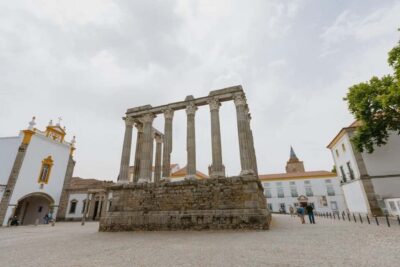
Évora is famous for its Roman Temple, medieval streets, and whitewashed old town. Yet some of the region’s most striking places lie beyond the city, in fields dotted with cork oaks and old farm tracks.
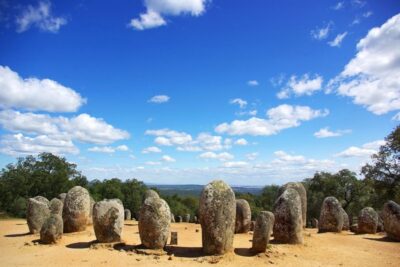
The Almendres Cromlech is one of the largest and oldest megalithic sites in the Iberian Peninsula. Its stones were placed long before the Roman period, long before written records, and long before the towns you see today. The site is not a polished archaeological park with a long sequence of displays. It is a group of ancient stones in the countryside, which makes the setting part of the visit.
The Great Dolmen of Zambujeiro gives you a different view of prehistoric life. The cromlech is associated with arrangements of standing stones, while the dolmen is a burial structure built with enormous stone slabs. Your guide explains how such a monument could be constructed and why it held cultural importance during the Neolithic period.
I find this pairing useful because the two stops are not simply two versions of the same thing. One helps you think about stone placement, ritual, and gathering. The other shows the scale and effort involved in creating a burial monument.
More Évora and Alentejo days:
- Évora and Megaliths Full-Day Tour from Lisbon
★ 4.7 · 456 reviews - Marble Tour in Vila Viçosa
★ 5.0 · 308 reviews - From Lisbon: Évora and Monsaraz Day Tour with Wine Tasting
★ 4.8 · 279 reviews
Starting from Évora or Montemor-o-Novo
You can arrange pickup and drop-off in Évora or Montemor-o-Novo, with the exact meeting point designated when you book. This is a practical advantage because both monuments sit outside the city, and reaching them independently is less straightforward than visiting Évora’s central sights.
The drive is part of the pleasure. The Alentejo countryside rolls past the windows, with the tour moving at a relaxed pace between the archaeological sites. You are not spending the whole three hours inside a vehicle, but the road time gives you a look at the area beyond the city walls.
Pedro is the guide most often named for this experience, and Thelma also leads visits. Pedro was born and raised locally and brings more than dates and archaeological terms to the outing. He can talk about local customs, flora, fauna, and the montado, the traditional countryside shaped by cork oak and holm oak trees.
That local connection matters here. Megalithic sites can feel remote and hard to understand when viewed without context. A guide who can connect the stones to the surrounding countryside gives the journey more texture. You learn not only what the monuments may have meant thousands of years ago, but also how the region functions today.
At the Almendres Cromlech
The first monument is the Cromlech of Almendres. Allow about 30 minutes at the site, although the pace can depend on the road and walking conditions.
Your guide gives a short explanation of the cromlech’s origin, possible purpose, and place in prehistory. You will want to listen closely because the stones do not come with the kind of detailed signage you might find at a major museum. The guide’s explanation helps you notice the layout and understand why the site is important.
The setting is a major part of the appeal. You see the stones under the open sky rather than behind glass or ropes in a city exhibit. Sun, wind, grass, and the surrounding countryside shape the mood of the visit. Bring a camera, but also give yourself a moment to simply look around. The site’s power comes partly from its age and partly from its quiet setting.
Access conditions can change. One account notes that the road to the cromlech was temporarily closed, adding roughly 20 minutes of walking. That extra walk was considered pleasant, but you should still be ready for the possibility of a longer approach. Comfortable shoes are not optional decoration here.
The Cromlech of Almendres may be less instantly dramatic than the dolmen. The stones are spread across the site, and their meaning is not fully obvious at a glance. If you prefer monuments with a clear interior, grand façade, or full reconstruction, this stop may require more imagination. That is also why the guide is useful.
Walking out to the Great Dolmen of Zambujeiro
The second stop is the Great Dolmen of Zambujeiro, an impressive Neolithic burial site. The monument is reached by walking approximately 950 metres along a rural path, making the total there-and-back walk about 1,900 metres.
This distance is not extreme for most people who are comfortable walking, but the surface is rural rather than paved city pavement. Wear firm, comfortable shoes and avoid treating this as a quick hop from the vehicle. You may also spend time near the monument listening to the explanation, so the whole stop requires more than the walking distance alone.
The dolmen is especially rewarding because its scale can surprise you. Large stone burial structures make the work of Neolithic communities easier to grasp. Your guide explains the building methods and the monument’s cultural role, helping you think about the labor, planning, and shared beliefs behind the stone slabs.
There is also an interpretation centre at the dolmen, according to the information available for the tour. That gives you a useful second layer of explanation after the outdoor walk. The monument supplies the visual impact, while the interpretation material can help organize what you have seen.
The path and weather deserve attention. Évora’s inland setting can bring strong sun, especially in warmer months. Pack water, wear a hat, and use sunscreen. The tour provider specifically advises all three. A camera is worthwhile for the stonework and countryside, but water will help you more than an extra lens if the day is hot.
This stop is not suitable for wheelchair users or people with mobility impairments. That is a firm planning point, not a minor footnote. If anyone in your group struggles with uneven ground or a 1,900-metre walk, choose a different Évora excursion.
Nearby in Evora, a different day entirely:
- Évora and Monsaraz with Regional Wine Tasting from Lisbon
★ 4.5 · 229 reviews - Évora: Private walking tour with tickets to main monuments
★ 5.0 · 223 reviews - Private Day Tour With Guide to Évora and Monsaraz
★ 5.0 · 134 reviews - From Lisbon to Alentejo: Évora and Megaliths Full-Day Tour
★ 4.5 · 131 reviews
What Pedro adds to the ride
The best part of this outing may be the time between the monuments. Pedro’s local background lets him discuss present-day Alentejo as well as archaeology. You might hear about the customs, natural life, and rural character of the area rather than receiving only a memorized account of dates.
His style also appears well suited to mixed-age groups. Families with children, parents, and grandparents can follow the stories without needing a specialist background in archaeology. One useful sign is the way he has handled practical changes, including late arrivals and altered schedules, while still giving groups the planned visit.
That flexibility should be viewed as a pleasant possibility, not a guaranteed feature. The stated tour lasts three hours, and your pickup time and route will shape the day. Still, a guide who knows the roads and sites can make a short outing feel less hurried.
Thelma brings the same local connection to tours she leads. Her family restaurant has also been part of some customized days, but meals are not included in the standard activity. Do not count on a restaurant stop unless you arrange it separately.
Is $35 good value?
At $35 per person, this is a reasonably priced way to see two remote monuments. You receive round-trip transportation, a guide in English or Portuguese, explanations at both sites, and access to an area that is awkward to cover without your own vehicle.
The value is strongest if you are already based in Évora or Montemor-o-Novo and want a focused half-day outing. Hiring separate transport to both monuments could cost more, and driving yourself would leave you responsible for directions, road conditions, and interpreting the sites.
The price does not include meals, drinks, or personal expenses. That is easy to manage, but bring water with you rather than assuming you can buy it at the monuments. The tour is short enough that most people will not need a meal during the activity, though you may want lunch afterward.
A private car or small-group format is not clearly specified, so do not book expecting a particular vehicle size or exclusive arrangement unless the provider confirms it. One account described a comfortable, air-conditioned sedan, though a middle rear seat felt tight for a larger older passenger on the bumpy road. That is a useful reminder to ask about seating if comfort is a concern.
Who will enjoy this outing most
I would recommend this experience to you if you like archaeology but do not want a full museum day. It also works well for people who enjoy countryside drives, local stories, and short walks with a clear destination.
Families can benefit from the guide’s storytelling, especially if children need more than a bare list of dates. The stones are visually memorable, and the open-air setting gives young visitors room to look and move around, within the usual care required at an archaeological site.
It is also a good choice for first-time visitors to the Alentejo who want more than central Évora. You see how the city connects to its wider region, and the guide can explain parts of local life that a standard city walk may miss.
I would hesitate if you want a self-guided visit with lots of free time. The schedule includes two visits of about 30 minutes each, plus transfers, so this is a compact introduction rather than a long archaeological study. I would also skip it if heat, uneven paths, or a 1,900-metre walk will cause trouble.
Practical preparation for the three hours
Bring:
- Comfortable walking shoes
- Water
- A hat
- Sunscreen
- A camera
English and Portuguese are available. Free cancellation is offered up to 24 hours before the activity for a full refund, and you can reserve now and pay later. Check available starting times because the three-hour duration does not by itself tell you whether a morning or afternoon departure suits your plans.
The itinerary gives you two pickup options and the same two choices for drop-off. Confirm the exact point before setting out, especially if you are staying in a large hotel area or outside the central part of Évora.
I would also leave a little breathing room around the tour. Rural roads, walking access, and pickup coordination can affect the pace. The experience is intended to be relaxed, but it is not wise to schedule a train or timed attraction immediately afterward.
Should you book the Almendres and Zambujeiro tour?
Book it if you want an easy way to reach two important prehistoric sites and prefer a guide who can connect archaeology with local Alentejo life. The strongest reasons are the pair of monuments, the countryside drive, and Pedro or Thelma’s personal knowledge of the area.
The main decision comes down to walking ability and expectations. You need to manage the rural path to Zambujeiro, accept that the Almendres site rewards imagination, and bring your own water and sun protection. If that sounds fine, $35 is a sensible price for a compact, well-focused outing beyond Évora.
FAQ
Where does the tour begin?
Pickup is available from designated locations in Évora or Montemor-o-Novo. The exact meeting point is arranged for your booking.
How long does the experience last?
The tour lasts three hours, including transportation between the pickup point and the two monuments.
Which monuments will I visit?
You will visit the Cromlech of Almendres and the Great Dolmen of Zambujeiro.
How much walking is required?
The walk to the Great Dolmen of Zambujeiro is approximately 950 metres each way, for about 1,900 metres total. The Cromlech may also require extra walking if road access is temporarily closed.
Is the tour suitable for wheelchair users?
No. The activity is not suitable for wheelchair users or people with mobility impairments.
Which languages are available?
The host or guide can provide the experience in English or Portuguese.
What should I bring?
Bring comfortable shoes, a hat, sunscreen, water, and a camera. Meals, drinks, and personal expenses are not included.
Fresh finds around Evora
- Private Tour to Evora and Monsaraz from Lisbon★ 5.0 · 7 reviews
- From Lisbon: Évora Private Historic Discovery Tour★ 4.7 · 7 reviews
- The Roman Tour & Wine tasting.★ 4.4 · 7 reviews
- From Lisboa: Évora & Monsaraz Small-Group Full Day Tour★ 5.0 · 7 reviews
- Evora Private Personalized Experience from Lisbon★ 5.0 · 7 reviews
- From Lisbon: Évora, Chapel of Bones, & Roman Temple Tour★ 5.0 · 8 reviews
- Explore the Highlights of Evora: Self-Guided GPS and Audio Tour★ 3.5 · 8 reviews
- Tour with Wine and Olive Oil Tasting★ 4.6 · 8 reviews
Évora Tours, compared.
From Lisbon: Évora and Monsaraz Day Tour with Wine Tasting
Read our review →
Évora and Monsaraz with Regional Wine Tasting from Lisbon
Read our review →
Évora: Private walking tour with tickets to main monuments
Read our review →
Private Day Tour With Guide to Évora and Monsaraz
Read our review →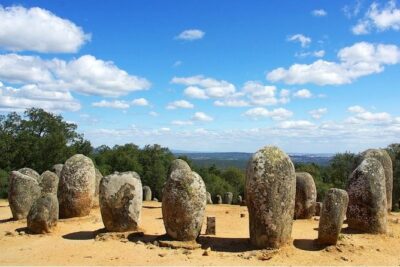
From Lisbon to Alentejo: Évora and Megaliths Full-Day Tour
Read our review →
Browse the lists this tour appears in