Reviewed · PRIVATE
7 Days Private Tour In Portugal from Lisbon
Portugal packs a lot into a small country, and this seven-day private route covers an impressive sweep from Lisbon to Porto and back. You move from Lisbon’s earthquake-rebuilt streets to Sintra’s palaces, Coimbra’s old university, Porto’s Port cellars, the Douro Valley, medieval Óbidos, and Évora’s Chapel of Bones.
I like the freedom of a private vehicle, especially on the long days between Lisbon, Coimbra, Porto, and the Douro. I also like the built-in local flavor: Pastéis de Belém, Sintra pastries, Port wine, Alentejo wine, cork, and the São Gonçalo sweets of Amarante.
The main drawback is cost and pace. At $2,165.28 per person, before hotels, meals, and most admission fees, this is not a budget tour. Several days also cover a lot of ground, so you should expect sightseeing by car rather than long, leisurely stays in each town.
In This Review
- Key points to know before booking
- What the seven-day route is really like
- Day 1: Lisbon from Baixa to Belém
- Day 2: Sintra palaces, Cabo da Roca, and Cascais
- Day 3: Fátima, Coimbra, and the move to Porto
- Day 4: Porto’s tiled stations, churches, and Port wine
- Day 5: Amarante and the Douro Valley
- Day 6: Aveiro, Nazaré, and medieval Óbidos
- Day 7: Évora, bones, wine, and cork
- Price, pace, and who gets the best value
- Should you book this Portugal tour?
- FAQ
- What is included in the seven-day Portugal tour?
- Are hotels included?
- Are meals included?
- Are attraction admission fees included?
- Where does pickup take place?
- Is this a group tour?
- What language is offered?
- Can I cancel for a full refund?
Key points to know before booking
- Lisbon pickup begins at 9:00 a.m. with transport from your accommodation and return to your accommodation.
- The route combines major cities and smaller places, including Sintra, Coimbra, Porto, Amarante, Pinhão, Nazaré, Óbidos, and Évora.
- Private touring means only your group participates, with a driver-guide and WiFi onboard.
- Palaces, churches, libraries, and winery visits often require extra payment, so budget beyond the tour price.
- The Douro Valley day is a highlight for wine lovers, with Pinhão Station, Quinta do Tedo, and the Casal de Loivos viewpoint.
- The experience is offered in English, and the named guide connected with the service is Manuel da Silva. Hugo Gonçalves handles personal adjustments before the trip.
What the seven-day route is really like
This is a sightseeing-heavy trip built for someone who wants Portugal organized from start to finish. You do not need to work out train connections, parking, or the best order for distant stops. Your guide and private vehicle handle the structure, while you decide how much time to spend at certain palaces, churches, shops, and viewpoints.
That convenience matters in Portugal. Sintra has several major sites spread across steep roads, the Douro Valley requires winding drives, and the route from Porto back toward Lisbon includes several separate stops. A private vehicle saves time and lets your group avoid the limitations of a fixed coach itinerary.
The tradeoff is that this is not an all-inclusive vacation package. Hotels are not included, and neither are meals or most entrance fees. The price covers the driver-guide, private transport, WiFi, taxes, handling charges, and personal accident insurance. Before booking, add your accommodation costs and admissions to the headline price.
A handful more Lisbon ideas to compare
- Private tour Portugal 7 days from Lisbon
★ 5.0 · 10 reviews
Day 1: Lisbon from Baixa to Belém
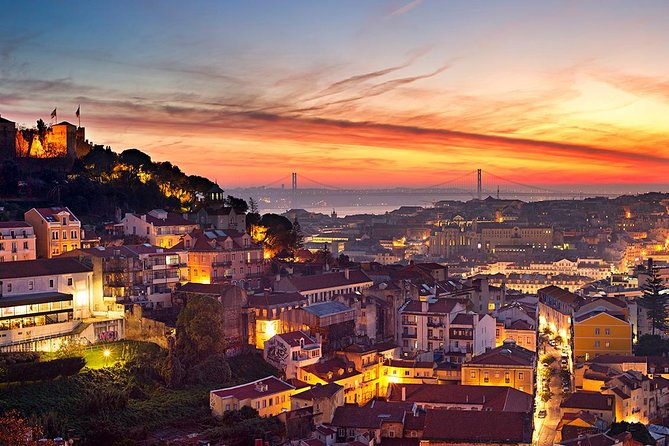
Your first day focuses on Lisbon itself. In Baixa, you see the city rebuilt after the devastating earthquake of 1755. The district’s straight streets and perpendicular blocks were planned around Rua Augusta, a sharp contrast to the tight lanes of older Lisbon.
The street names preserve traces of working life, with references to trades and craftsmen. This gives Baixa more character than a simple shopping district. You can look at the city as an early exercise in urban planning and earthquake-conscious construction.
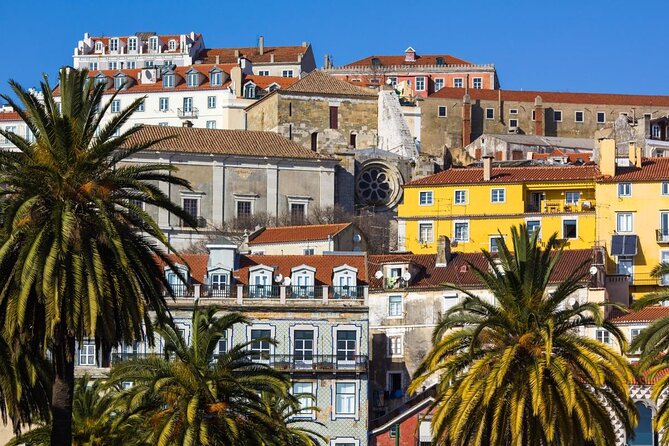
From there, Alfama brings a different mood. It is Lisbon’s oldest quarter, with narrow lanes and small alleys that reflect its medieval and Islamic past. The neighborhood survived the earthquake better than Baixa, and its maze-like layout once had defensive value.
Alfama is also closely tied to fado, Portugal’s most emblematic music. The tour presents the district as a place to understand saudade, the Portuguese feeling of longing often expressed through fado. A one-hour visit will give you an introduction, but it is not enough time to explore every lane or attend a full performance.
The afternoon moves to Belém, the district linked to Portugal’s maritime expansion. The itinerary includes the Jerónimos Monastery, Belém Tower, and the Monument to the Discoveries. Entrance to the main monuments is not included, so confirm which sites you want to enter and allow for separate ticket costs.
The Monument to the Discoveries has the form of a stylized caravel heading toward the unknown. Belém Tower offers a more direct connection to the river and the ships that once left Lisbon. The Jerónimos Monastery gives the day its grandest architectural stop.
A visit to the Pastéis de Belém factory adds a tasty break. The pastry shop has kept its traditional identity despite its fame, and the custard tart is one of Lisbon’s classic food stops. You spend the night in Lisbon, so you do not need to pack up after this first full day.
Day 2: Sintra palaces, Cabo da Roca, and Cascais
Sintra is one of the busiest and most rewarding day trips from Lisbon. The historic center has narrow streets, regional products, and pastry shops. The route points you toward Piriquita, known for queijadas de Sintra and travesseiros de Sintra.
The pastry stop is more than a quick snack. Queijadas are small cheese pastries, while travesseiros are puff pastry sweets filled with almond cream. If you enjoy food tied to place, this is one of the more appealing details in the program.
The major decision of the day is which Sintra palace or monument to visit. Options include Quinta da Regaleira, the Moorish Castle, and the Palace of Pena. The guide can suggest a choice, but the final decision is yours.
Quinta da Regaleira is known for its nineteenth-century design and Masonic symbols. The Moorish Castle reflects the Islamic presence in the region and later changes made after the Christian reconquest. Pena Palace is the most theatrical option, with a romantic nineteenth-century design created under Ferdinand of Saxe-Coburg Gotha.
You should not expect to see all three in depth during the two-hour palace portion. Choose one major site if you prefer a calmer visit. Trying to fit several palaces into a short window can turn a beautiful setting into a rushed checklist.
Cabo da Roca brings you to the western edge of mainland Europe, within the Sintra-Cascais Natural Park. The site is associated with Luís de Camões and the famous image of the place where land ends and the sea begins. The stop is free, and you may have time to walk along nearby ecological paths, depending on the day’s schedule.
The final stop is Cascais, once a fishing village and now a polished Atlantic resort. You can explore the marina and enjoy a change of pace after Sintra’s hills and monuments. The return to Lisbon follows the Marginal coastal road through Estoril, known for its casino and ocean views.
Day 3: Fátima, Coimbra, and the move to Porto
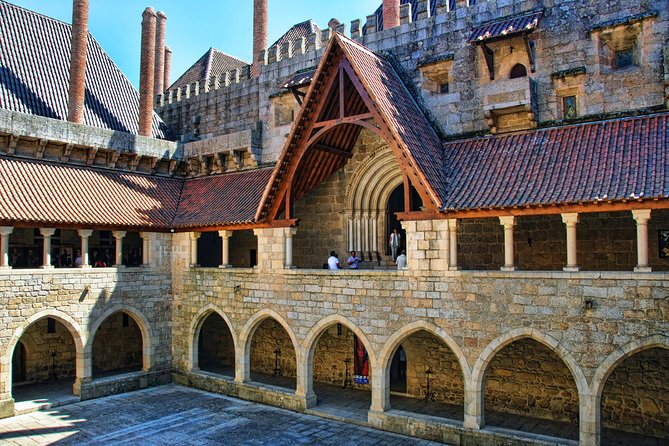
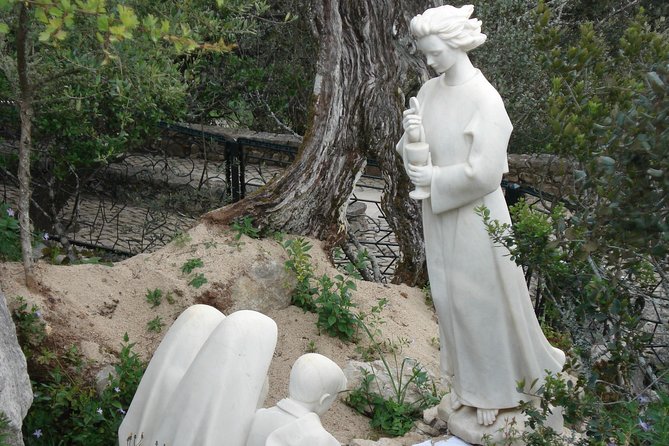
The third day takes you north, with Fátima as the first major stop. The Sanctuary includes the Chapel of the Apparitions, built after the reported apparitions and placed near the center of the sanctuary area.
You can attend Mass if you wish, though participation is optional. The Basilica of Our Lady of the Rosary contains the tombs of the children associated with Fátima, as well as the tomb of Sister Lucia. The modern Basilica of the Most Holy Trinity adds a much larger and more contemporary space.
Fátima is a religious site first, so the experience depends on your interests. If you are not drawn to religious places, the stop may feel long. If you are interested in Catholic pilgrimage sites, the chapel and basilicas provide important context for Portugal’s modern religious life.
Coimbra gives the day a strong cultural counterpoint. The University of Coimbra is one of Europe’s oldest universities, and the Joanine Library is its principal visual treat. Built in the eighteenth century on the site of the former university prison, the library is decorated with painted ceilings and elaborate interior details.
Admission to the university is extra. This is one place where paying to enter makes sense if you care about architecture, books, or academic history. The planned two-hour visit gives you more time than the shorter city stops, though the overall day still includes a long transfer to Porto.
After the university, you can walk through Coimbra’s lower town between the Mondego River and the university hill. The old center has cafés, pastry shops, restaurants, small squares, and narrow lanes. It is a good place to slow down briefly before continuing to Porto.
You spend the night in Porto. This overnight change helps break up the northbound journey, but remember that your accommodation is not part of the tour price.
Nearby in Lisbon, a different day entirely:
- Lisbon City Center Tour – The Unmissable Lisbon
★ 5.0 · 22,234 reviews - Lisbon: Sintra, Pena, Regaleira, Cabo da Roca & Cascais
★ 4.7 · 19,656 reviews - Sintra: Pena Palace and Park Entrance Ticket
★ 4.2 · 17,410 reviews - Lisbon: Jerónimos Monastery Entrance Ticket
★ 4.1 · 14,164 reviews
Day 4: Porto’s tiled stations, churches, and Port wine
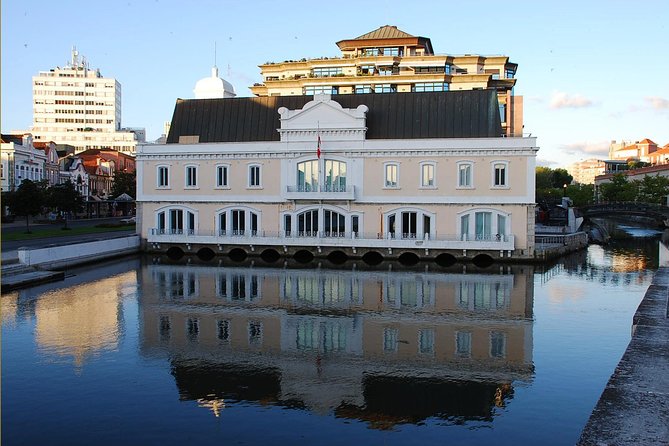
Porto begins at Avenida dos Aliados, the city’s main ceremonial avenue. The municipal building gives the area a grand starting point and helps you get oriented in the center.
Livraria Lello is next. Its famous staircase makes it a favorite for architecture lovers and Harry Potter fans. The bookstore is tied to J. K. Rowling’s time in Porto, although the connection should be treated as an interesting association rather than the sole reason to visit.
Entry is not included. If the bookstore is a priority, ask about ticket arrangements and how much time is allowed. The one-hour stop can work, but you may need to keep moving if there is a queue.
São Bento Station is a more accessible visual prize. Its hall contains about 20,000 tiles by Jorge Colaço, showing scenes from Portuguese life and important moments in the country’s past. You do not need a train ticket to appreciate the main tiled area, and admission is listed as free.
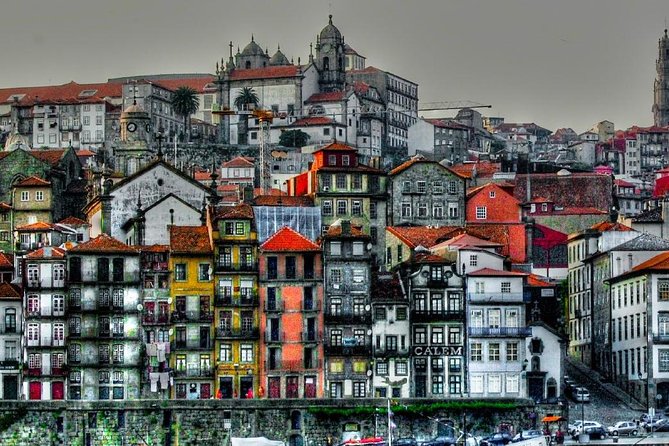
The Porto Cathedral follows, with Romanesque and Gothic beginnings and later changes from the seventeenth and eighteenth centuries. Its medieval rose window and the tiled side gallery by Nicolau Nasoni are the details to watch for.
The Church of São Francisco is one of Porto’s most dramatic interiors. It began with Romanesque roots, later took on Gothic form, and then received an intense Baroque treatment. More than 300 kilograms of gold dust are said to have been used in the gilded carvings, and the polychrome Tree of Jesse is another major feature.
Entrance to the church is extra. I would reserve some energy for this stop. After the bright tiles of São Bento, the dark, heavily decorated interior creates a very different impression of Porto’s religious art.
The day ends across the river in Vila Nova de Gaia, where Port wine is aged in cellars. You visit a cellar, learn about the process from harvest to finished wine, and taste the result. The winery admission is not included, but this is an important addition for anyone who wants to understand why Porto and Gaia are so closely linked to Port.
Day 5: Amarante and the Douro Valley
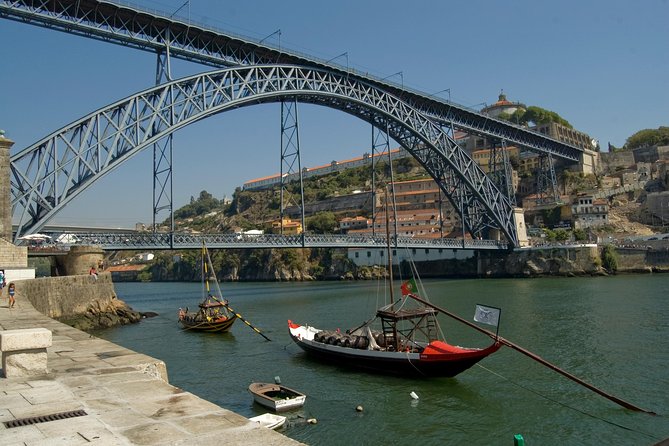
This is the tour’s strongest day for scenery, wine, and smaller-town character. Amarante begins with its historic center, the São Gonçalo Church and convent, and the bridge named for the Dominican friar associated with its construction.
The town also has a playful food tradition. São Gonçalo sweets have a phallic shape and are linked to local courtship customs, especially around the June celebrations. They are a good reminder that Portuguese culture is not always solemn, even in front of an old church.
Pinhão Railway Station is one of the day’s most attractive stops. Its nineteenth-century tile panels show Douro life, including grape harvests, treading grapes, and the rabelo boats once used to carry wine toward Porto and Gaia.
At Quinta do Tedo, you visit a local winery and taste wine while learning about grape varieties and production methods. The tasting and winery admission are extra. The stop has real value because it connects the river valley, vineyard work, transport, and the finished bottle in one place.
The Casal de Loivos viewpoint offers the broadest view of the Douro Valley, with half an hour set aside for the stop. This is a short visit, but the private vehicle is especially useful here. You can reach a high viewpoint without having to arrange separate local transport.
The day returns to Porto for another overnight stay. Because the Douro route includes several hours of driving and multiple stops, you should be comfortable with a full day on the road.
Day 6: Aveiro, Nazaré, and medieval Óbidos
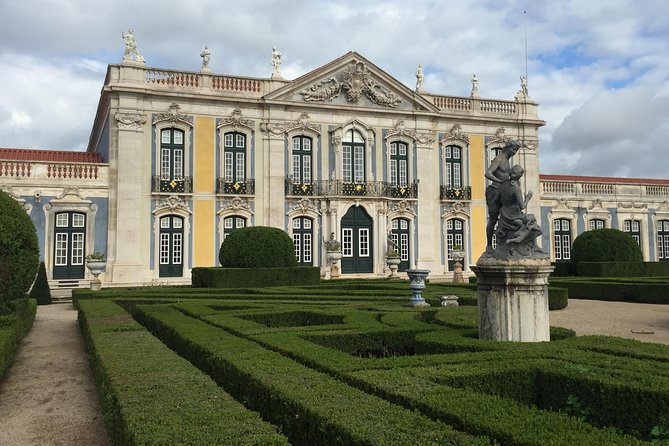
The return toward Lisbon takes a wide route through central Portugal. Aveiro is known as the Portuguese Venice because of its canals. A suggested moliceiro boat ride gives you a closer look at the city’s three kilometers of canals and the old role of moliça, a seaweed used in agriculture and pharmaceutical work.
The boat ride is suggested rather than clearly included, so confirm the cost before you go. Aveiro also has a wrought-iron and glass market, along with Art Nouveau buildings that reflect the city’s former prosperity.
Nazaré adds Atlantic tradition and dramatic waves. The town has churches, traditional houses, and a strong local identity, including the famous seven skirts worn by Nazaré women. The Nazaré Canyon helped make the area famous for enormous surf, including the roughly 30-meter wave surfed by Garrett McNamara in 2013.
The two-hour stop gives you time to take in the town and its seafront character. The route then continues to Óbidos, where whitewashed houses, narrow streets, traditional shops, and old walls create a compact medieval setting.
Óbidos was given as a wedding gift by King Denis to Queen Isabel and later formed part of the Casa das Rainhas, the collection of towns connected with Portuguese queens. The aqueduct and fountains ordered by Queen Catherine are part of that story.
Walking the walls can offer excellent views, but take care if you do so because the surfaces can be uneven. The tour lists admission as free for the stop, though individual attractions or purchases in town may cost extra. You return to Lisbon for the night.
Day 7: Évora, bones, wine, and cork
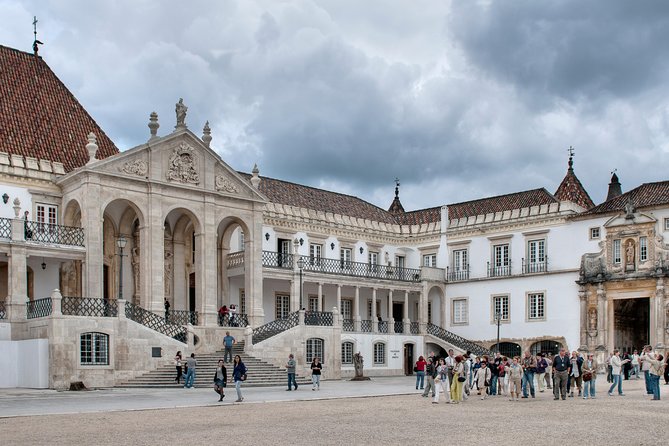
Évora makes a fitting final day because it brings together Roman, medieval, royal, religious, and agricultural Portugal. The historic center includes the Roman Temple of Diana, Évora Cathedral, and the Água da Prata aqueduct, built in the sixteenth century to bring water toward the city.
The two-hour visit is enough for a strong introduction, but Évora rewards slow walking. The city’s role as a royal residence and its connection with artists and the Portuguese age of exploration explain the grand mansions and university buildings found inside the walls.
The Chapel of Bones is the most unusual stop. Part of the Church of São Francisco, it is decorated with the bones and skulls of approximately 500 monks. The chapel’s entrance message reminds you that human life is temporary, making this a striking, solemn place rather than a casual photo stop.
The final wine visit focuses on Alentejo. The region’s hot, dry conditions produce soft, lightly acidic whites with tropical fruit aromas and fuller reds with tannins and red-fruit notes. The winery may be Fundação Eugénio de Almeida, known for Cartuxa wines, Ervideira, or another local producer depending on the schedule.
A tasting is included in the tour’s planned winery visit, but admission is otherwise described as extra in the itinerary. Confirm precisely what the selected winery includes.
The cork factory adds a practical final lesson. Portugal produces about 55 percent of the world’s cork, and the bark is removed from the oak approximately every nine years so the tree can grow a new layer. Cork is used for wine closures, flooring, wall coverings, sporting goods, and other products.
Price, pace, and who gets the best value
The $2,165.28 per-person price buys planning, a private vehicle, a dedicated driver-guide, hotel pickup and drop-off, onboard WiFi, taxes, and personal accident insurance. For a private group that values comfort and wants to cover both northern and southern Portugal in one week, that can be a fair exchange.
It is less attractive if you are counting every euro. Hotels, meals, and admission fees are excluded, and the route contains several paid highlights: Sintra palaces, the Jerónimos Monastery, Coimbra University, Livraria Lello, São Francisco Church, Port cellars, and the Chapel of Bones.
I would choose this experience if you want a single organized trip and dislike changing trains or planning intercity routes. It also suits families or friends who want their own vehicle rather than a large group schedule.
I would hesitate if you prefer two or three full days in each city. Porto, Lisbon, Sintra, and Évora all have enough to fill more time than this route allows. The itinerary favors breadth, with a taste of many places instead of a slow study of a few.
The personal touch is useful here. Hugo Gonçalves is named as the contact who adjusts the experience around your priorities, while Manuel da Silva is the named guide who pays attention to preferences during the trip. That flexibility matters because some stops, especially Sintra’s palaces and Porto’s paid attractions, require choices.
The experience is offered in English, begins with pickup at your accommodation at 9:00 a.m., and is limited to your own group. Confirmation arrives at booking, and cancellation is free up to 24 hours before the start time. The tour is recommended by 100 percent of the 14 ratings shown, with an overall score of 5, but the small number of ratings means you should still judge the route against your own travel style.
Should you book this Portugal tour?
Book it if your priority is seeing a large slice of Portugal without handling the logistics yourself. The best parts are the private transport, the mix of major sights and local traditions, the Douro wine day, and the chance to shape the palace choices in Sintra.
Think twice if the price does not include enough of your expected budget, or if you want long, unhurried visits. Ask in advance which admissions and tastings are covered on your chosen dates, then add hotels, meals, and tickets to the per-person cost.
For a first Portugal trip with limited time, this route gives you plenty of memorable stops. Its value comes from the private planning and range of places, not from a relaxed pace.
FAQ
What is included in the seven-day Portugal tour?
The tour includes a driver-guide, private vehicle transport, WiFi onboard, all taxes, fees and handling charges, and personal accident insurance.
Are hotels included?
No. Hotels are not included in the tour price. The itinerary specifies overnight stays in Lisbon and Porto, but you arrange and pay for the accommodation.
Are meals included?
No. Meals are not included.
Are attraction admission fees included?
Most admission fees are not included. The itinerary specifically lists extra admission for several palaces, churches, libraries, museums, and winery visits. A cork factory visit is listed as included.
Where does pickup take place?
Pickup is provided at your accommodation. The stated start time is 9:00 a.m., with drop-off also included.
Is this a group tour?
No. This is a private activity, and only your group participates.
What language is offered?
The tour is offered in English.
Can I cancel for a full refund?
Yes. You can cancel up to 24 hours before the experience start time for a full refund. Changes or cancellations made less than 24 hours before the start time are not accepted for a refund.
Fresh finds around Lisbon
- Lisbon: Tuk Tuk City Tour★ 3.6 · 7 reviews
- Fatima Full day Private Tour★ 5.0 · 7 reviews
- Lisbon: Highlights and Hidden Gems Tour★ 5.0 · 7 reviews
- Private Tour to Evora and Monsaraz from Lisbon★ 5.0 · 7 reviews
- Discover Sintra Beauty with a Guided Journey from Lisbon★ 5.0 · 7 reviews
- Private Half-Day Tour to Sintra★ 3.4 · 7 reviews
- Lisbon: Sunset and Wine Catamaran Tour★ 5.0 · 7 reviews
- Nazaré: Beaches of Nazaré Guided E-Bike Tour★ 4.9 · 7 reviews
Private, compared.

True 4Hour Private Tuk Tuk Tour: Discover Lisbon with a Local!
Read our review →

Private Lisbon Sightseeing Tuk-Tuk Tour: Alfama, Belém & More
Read our review →
Lisbon Highlights: Private Tuk Tuk Tour Adventure Sightseeing
Read our review →
Welcome Lisbon Tour with Local Guide in Private Eco Tuk Tuk
Read our review →
Sintra Full-Day Private Tour – A Journey through Wonderland
Read our review →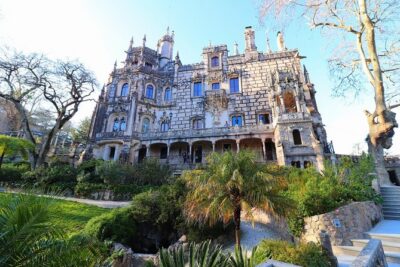
Sintra Private Trip from Lisbon Customizable Dreamlike Experience
Read our review →