
Reviewed · FáTIMA TOURS
6-Day North Portugal Tour: Porto, Braga, Fátima, Coimbra, Guimaraes, Aveiro and Batalha, from Lisbon
Northern Portugal packs an astonishing amount into a small area, and this six-day trip gives you a broad sweep of it without asking you to change hotels every night. You move from medieval walls and pilgrimage sites to Porto’s granite lanes, the Douro vineyards, and the Templar stronghold at Tomar.
I especially like the mix of major UNESCO sites and smaller towns such as Amarante, Lamego, and Guimarães. The five hotel nights, breakfasts, air-conditioned coach, and included visits to the University of Coimbra, Palácio da Bolsa, São Francisco Church, and Convent of Christ make the package easy to manage. The tradeoff is pace: several stops last less than an hour, and some days involve long road sections.
In This Review
- Key points to know before booking
- What this six-day route does well
- Day one: Óbidos, Batalha, Nazaré, Alcobaça, and Fátima
- Day two: Coimbra’s university and Aveiro’s canals
- Day three: Porto’s churches, wine, and northern towns
- Day four: eight free hours in Porto
- Day five: Amarante and the Douro Valley
- Day six: Bussaco, Tomar, and the return to Lisbon
- Hotels, coach travel, and the practical details
- Who should book this tour?
- FAQ
- Where does the tour start and finish?
- How long does the tour last?
- Which meals are included?
- Is accommodation included?
- Is transportation provided?
- Is the Port wine tasting included?
- How much walking is involved?
- Is there a dress code?
- Is there a toilet on the coach?
- What is the cancellation policy?
Key points to know before booking
- Óbidos, Fátima, and the Atlantic coast arrive on day one, so your first day is full but varied.
- Porto gets a full free day, a real advantage for anyone who wants time beyond a guided city walk.
- Five nights of superior-class hotel accommodation and breakfast are included, reducing the usual planning work on a multi-city trip.
- The group is capped at 20 people, which should feel more manageable than a large coach tour.
- The route includes several UNESCO-listed places, including Batalha, Porto’s center, and the Convent of Christ at Tomar.
- Moderate fitness is needed, with old-town streets, church visits, stairs, and repeated boarding and walking.
What this six-day route does well
This is not a slow, single-city holiday. It is a geographic tour of Portugal’s central and northern highlights, beginning in Lisbon and reaching Porto, then returning through the Douro region and central Portugal. If you want a first look at many important places, the route is strong.
The best part is the range. In six days, you see the white streets of Óbidos, the solemn pilgrimage center at Fátima, Coimbra’s academic traditions, Aveiro’s canals, Porto’s churches and wine lodges, the medieval center of Guimarães, Braga’s religious monuments, and the Templar complex in Tomar.
The program also gives you some breathing room. Day four is set aside for eight hours of free time in Porto. That matters because the guided visit on day three only allows about an hour and a half for the city center, followed by selected monuments. Porto deserves more than a quick look, and this free day lets you return to the places that caught your interest.
The main limitation is the amount of ground covered. You may spend a good deal of time on the coach, particularly on the route through Amarante, Vila Real, the Douro Valley, Lamego, Viseu, and Urgeiriça. This is a good choice for seeing many places efficiently, but not for lingering over each one.
More Fátima and monastery runs:
- From Lisbon: Fátima, Nazaré, Batalha, and Óbidos Guided Tour
★ 4.7 · 3,060 reviews - From Lisbon: Fatima Batalha Nazaré & Óbidos Small-Group Tour
★ 4.7 · 2,563 reviews - From Lisbon: Fatima, Batalha, Nazare, Obidos – Small Group
★ 4.8 · 2,031 reviews
Day one: Óbidos, Batalha, Nazaré, Alcobaça, and Fátima
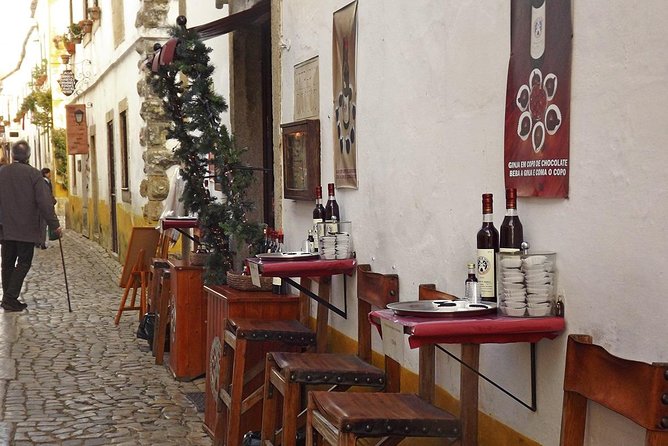
The opening day has the feel of a greatest-hits tour through central Portugal. Your first stop is Óbidos, a romantic medieval town enclosed by walls and lined with whitewashed houses. One hour is enough for a walk through the central streets and a look at the town’s compact character, though not enough for a slow exploration of every lane.
Wear shoes with a firm sole here. Medieval streets can be uneven, and the route may include walking on inclines or stone paving. The walls and upper viewpoints are tempting, but you should keep an eye on the departure time.
At Batalha, the focus is the Dominican monastery, a major Gothic work and a UNESCO World Heritage Site. The visit is scheduled for about 45 minutes. That is enough to appreciate the scale, carved stonework, and famous architectural details, but you will need to stay focused rather than wander at leisure.
Nazaré provides a change of mood. This is a traditional fishing village and the planned lunch stop, with food and drinks at your own expense. One hour gives you time to eat and see a little of the town, but you should not expect a leisurely meal if service is slow.
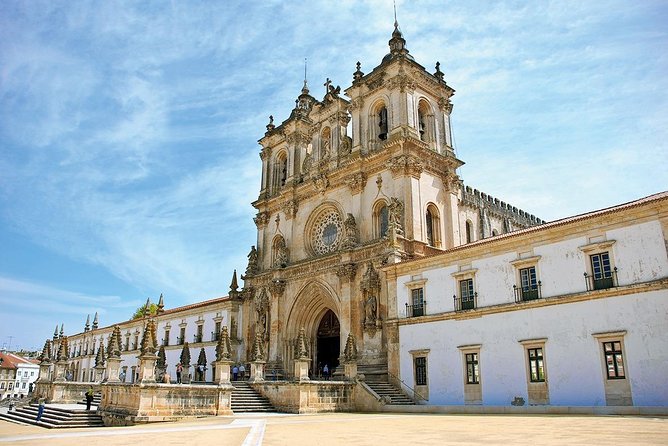
The next religious monument is Alcobaça Monastery, described as Portugal’s first fully Gothic building. The stop lasts about an hour, which gives you a useful look at the church and monastery complex. This is one of the day’s most important architectural visits, so listen closely to the guide rather than treating it as only a photo stop.
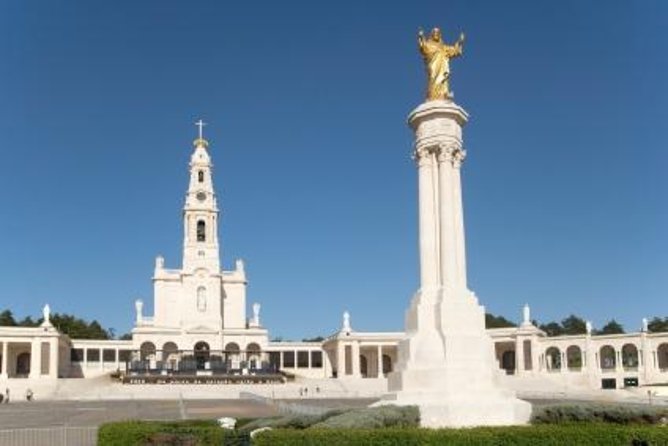
Fátima then becomes the emotional center of the day. You visit the Basilica of Our Lady of the Rosary, the Chapel of the Apparitions, and the Sanctuary of Our Lady of Fátima. The combined schedule allows substantial time for the site, including the pedestal marking the place associated with the apparition of the Virgin Mary to the three shepherd children.
Fátima is an active Catholic pilgrimage center, not simply an old monument. You may find the atmosphere quiet and reflective, or busy with worship and organized groups. Dress respectfully. Knees and shoulders must be covered for places of worship and selected museums, and entry can be refused if you ignore the rule.
Day two: Coimbra’s university and Aveiro’s canals
After breakfast in Fátima, the coach heads to Coimbra, the former capital of Portugal and one of the country’s most atmospheric cities. The general city visit is short, but the main paid visit is the University of Coimbra, one of the oldest universities in the world.
The university visit lasts about 45 minutes and includes its celebrated Baroque library. This is a highlight for anyone interested in architecture, education, or old academic customs. Black student capes and the tradition of Coimbra fado give the university a character that feels quite different from a standard museum.
You also stop at the Monastery of Santa Clara-a-Nova and its church, associated with Queen Saint Isabel and the miracle of the roses. The visit lasts about 45 minutes. Together, Coimbra’s university and church stop offer a useful contrast between academic life and royal religious devotion.
The afternoon brings Aveiro, known as the Venice of Portugal because of its canals and colorful moliceiro boats. You have about an hour to walk around and sample ovos moles, the local sweet made with egg yolk and sugar. The stop is more about getting a taste of the city than seeing every canal.
That short visit is both the charm and the weakness of Aveiro. You get a pleasant change from churches and monasteries, but there is little time for a boat ride unless the day’s arrangements allow it. The evening is spent in Porto, where the hotel serves as your base for the next several nights.
Day three: Porto’s churches, wine, and northern towns
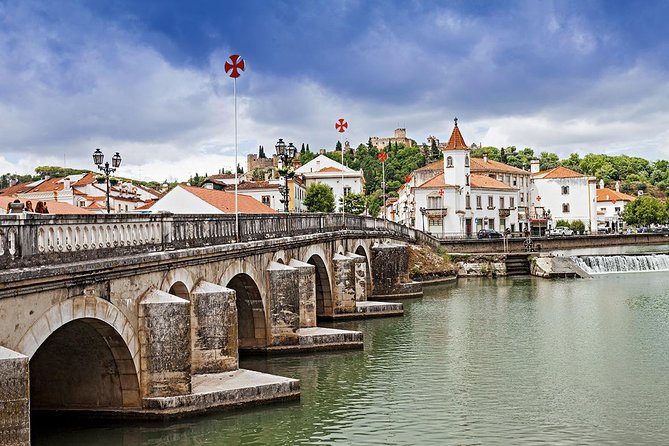
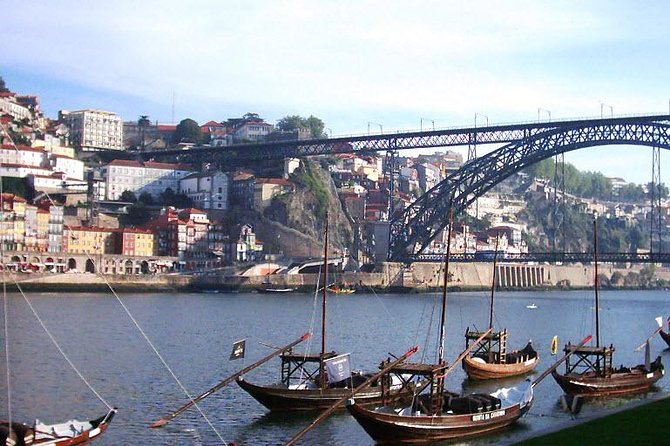
Porto begins with a guided look at the historic center and riverside area. The city is built on steep ground, with old houses, churches, and palaces layered above the Douro. An hour and a half gives you useful orientation, but you will want to use the free day later for a closer look.
The Palácio da Bolsa, or Stock Exchange Palace, is one of the day’s included highlights. The building mixes nineteenth-century neoclassical, Tuscan, and English neo-Palladian design. Its Arab Room, with gold-toned decoration and Arabic-inspired motifs, is the visual showpiece.
São Francisco Church is a very different experience. Its Gothic structure is covered inside with elaborate Baroque gilt carving. The contrast between the plain medieval exterior and the richly decorated interior makes this a memorable stop, though the 40-minute visit moves quickly.
A Port wine tasting follows at Burmester in Porto’s city center. This is a practical introduction to the drink that helped define the city’s international reputation. The tasting is included, but other food and drinks during the tour are not, so budget separately for lunches, dinners, and extra refreshments.
The afternoon leaves Porto for Guimarães, often linked with the formation of Portugal and the country’s first king. Its historic center has a medieval feel, with stone buildings and narrow streets. The 45-minute visit is brief, but the town is compact enough for a useful walk.
On the Sacred Hill, you see Guimarães Castle and the Palace of the Dukes of Bragança. The palace retains original fifteenth-century buildings, while the castle gives the visit a strong connection to Portugal’s earliest royal story. The itinerary allows another 45 minutes here, so time management matters.
Braga comes next. It is known as the Portuguese Rome because of its many religious buildings, including the country’s oldest cathedral. The final stop is Bom Jesus do Monte, reached by its historic funicular, with stairways, fountains, Baroque statues, and mature vegetation around the sanctuary.
This is one of the most packed days. Porto, Guimarães, and Braga could each fill a full day, yet you see important parts of all three. If you like a broad introduction and do not mind a quick pace, it is rewarding. If you prefer long café stops and museum time, it may feel rushed.
Nearby in Lisbon, a different day entirely:
- Lisbon City Center Tour – The Unmissable Lisbon
★ 5.0 · 22,234 reviews - Lisbon: Sintra, Pena, Regaleira, Cabo da Roca & Cascais
★ 4.7 · 19,656 reviews - Sintra: Pena Palace and Park Entrance Ticket
★ 4.2 · 17,410 reviews - Lisbon: Jerónimos Monastery Entrance Ticket
★ 4.1 · 14,164 reviews
Day four: eight free hours in Porto
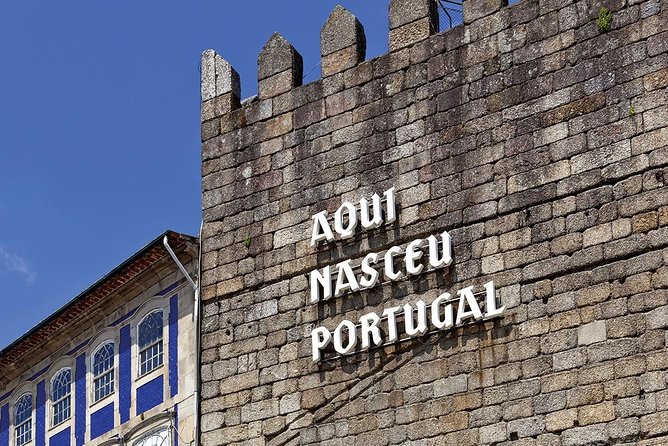
Day four is the tour’s most valuable design feature. You have eight hours in Porto with no scheduled sightseeing, giving you the freedom to revisit the historic center, explore the riverside, or simply set your own pace.
You could use the day for places that the guided schedule cannot cover in detail, though the supplied plan does not specify additional admissions or activities. Keep in mind that any extra attractions, transport, meals, and drinks are at your own expense.
The free day also helps balance the earlier rush. You can return to a church, spend longer beside the Douro, seek out more Port wine, or sit down for a proper meal instead of eating between coach departures. For me, this is a strong reason to choose this tour over a six-day route that offers only escorted sightseeing.
Day five: Amarante and the Douro Valley
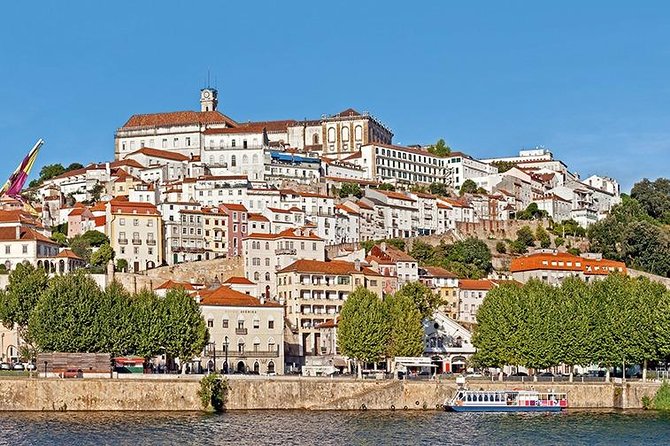
The route leaves Porto for Amarante, a pretty town associated with Saint Gonçalo, who is linked with love and marriage. The town also has a market where you may find produce, poultry, fabrics, and other everyday goods. The scheduled stop is 45 minutes, enough for a walk and a quick look at the river-facing monastery.
Vila Real follows, with a visit to the gardens of Mateus State. The estate is known for the elegant façade shown on Mateus rosé wine bottles. The garden stop lasts about 45 minutes, so expect an introduction rather than a full estate tour.
Then the scenery changes as you enter the Douro Port region. The coach travels through vineyard country and along the dramatic Douro Valley. Only 30 minutes is assigned to this section, but the road itself is part of the experience. Have your camera ready, and sit where you can see out if seat selection is available.
Lamego provides a longer stop of about an hour. The town is overlooked by the Sanctuary of Nossa Senhora dos Remédios, reached by a grand Baroque staircase. You can also try regional foods such as local ham and Bola de Lamego, a baked loaf filled with smoked ham.
The day continues through the mountainous interior toward Viseu, a city tied to the Lusitanian warrior Viriato. Its old town includes narrow streets, granite doorways, and carved coats of arms near the cathedral. You then continue to Urgeiriça for the night.
This is the most road-oriented day. The reward is the change from coastal cities to vineyard valleys and inland towns. The drawback is that several stops are short, and the final arrival at Urgeiriça may leave little energy for independent sightseeing.
Day six: Bussaco, Tomar, and the return to Lisbon
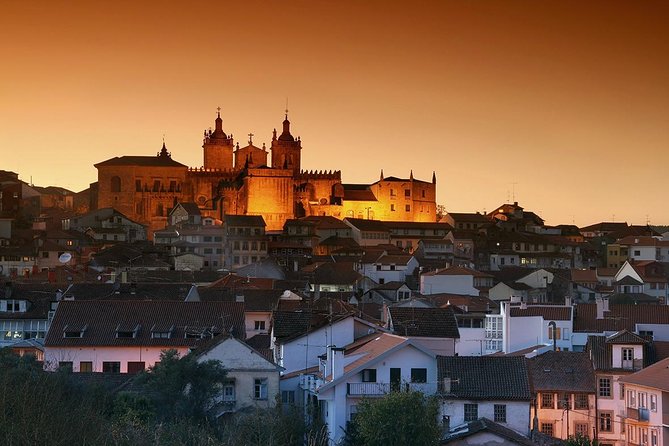
The final day crosses central Portugal toward Bussaco, Tomar, and Lisbon. Bussaco is known for its forest of rare and exotic trees and its romantic hotel, formerly a royal hunting lodge. The 45-minute stop is a pleasant break after the previous day’s driving.
Tomar is the major finale. Its story is closely tied to the Knights Templar, who received the area in the twelfth century after helping Portugal’s first king during the Christian reconquest. The castle and Convent of Christ were founded by Dom Gualdim Pais, the first Grand Master of the Order in Portugal.
The Convent of Christ is an included visit and a UNESCO World Heritage Site. The complex combines architectural changes from several periods, making it more than a single-style monument. You have about 45 minutes, which is enough for the key spaces but not a leisurely study of every detail.
The coach then returns to Lisbon. The official meeting point is at Marquês Pombal, and the tour ends back there. Since arrival times can shift with traffic, stop lengths, and road conditions, avoid scheduling a tight onward connection.
Hotels, coach travel, and the practical details
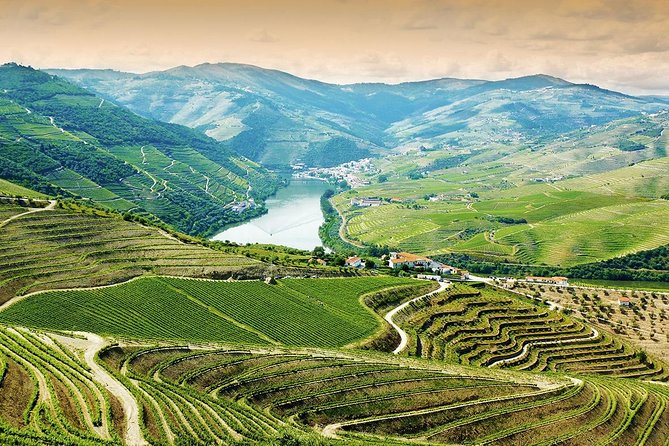
Five nights of superior-class hotel accommodation, five breakfasts, professional guiding, and air-conditioned coach transport are included. That package has real value for anyone who would rather not arrange several regional hotels and intercity transfers.
The group size is limited to 20 people, a useful middle ground. You still have the ease of a coach, but the group should be easier to gather and guide than a large tour party.
There is no toilet on the coach. Plan to use facilities during stops, especially on the longer day through the Douro region and toward Viseu. Moderate walking is involved, and the route includes old paving, religious sites, steps, and uphill areas.
The displayed price is $0.00, which should not be treated as the actual cost of the experience. Confirm the current price before booking, then compare it with the value of five hotel nights, breakfasts, transportation, guide services, admissions listed as included, and the Port tasting.
The guide can shape the entire experience. Cristina received especially warm praise for making the trip informative and stress-free, while Ana was singled out for giving useful detail about Portugal and answering questions well. Guide assignments can vary, so treat those names as examples rather than a guarantee.
There has also been concern about changes to the planned program and multilingual guiding. Confirm the exact route, language arrangements, and included stops before payment. The operator notes that the program may change without prior notice.
Who should book this tour?
Book it if you want a broad first look at northern and central Portugal, prefer a planned route, and value hotel nights and transport bundled together. It suits you particularly well if UNESCO sites, churches, royal buildings, old towns, and regional scenery matter more than nightlife or long stays in one place.
Think twice if Porto is your main goal. You do receive a full free day there, but the guided visit itself is short compared with the city’s size. Also think twice if you dislike early starts, coach travel, or short stops.
For an active six-day introduction, this route offers a lot. Pack modest clothing for religious sites, comfortable shoes, a little patience for the road, and enough budget for meals and drinks. If that sounds like your style of travel, the tour can give you a useful and memorable first map of Portugal.
FAQ
Where does the tour start and finish?
The tour starts at Marquês Pombal in Lisbon and ends back at the meeting point in Lisbon.
How long does the tour last?
The experience lasts six days and includes five nights of accommodation.
Which meals are included?
Five breakfasts are included. Food and drinks are not included unless specifically stated, although the Port wine tasting is included.
Is accommodation included?
Yes. Five nights in superior-class hotels are included.
Is transportation provided?
Yes. Transportation is provided in an air-conditioned motor coach.
Is the Port wine tasting included?
Yes. A Port wine tasting in Porto city center is included.
How much walking is involved?
A moderate amount of walking is involved. You should expect old-town streets, religious sites, stairs, and some uphill walking.
Is there a dress code?
Yes. For places of worship and selected museums, knees and shoulders must be covered for both men and women. Smart-casual clothing is required.
Is there a toilet on the coach?
No. There is no toilet on board, so use facilities during scheduled stops.
What is the cancellation policy?
A full refund is available when you cancel at least six full days before the start time. Cancellation two to six days before the start time receives a 50 percent refund. Cancellation within two days is nonrefundable.
Fresh finds around Lisbon
- Lisbon: Tuk Tuk City Tour★ 3.6 · 7 reviews
- Fatima Full day Private Tour★ 5.0 · 7 reviews
- Lisbon: Highlights and Hidden Gems Tour★ 5.0 · 7 reviews
- Private Tour to Evora and Monsaraz from Lisbon★ 5.0 · 7 reviews
- Discover Sintra Beauty with a Guided Journey from Lisbon★ 5.0 · 7 reviews
- Private Half-Day Tour to Sintra★ 3.4 · 7 reviews
- Lisbon: Sunset and Wine Catamaran Tour★ 5.0 · 7 reviews
- Nazaré: Beaches of Nazaré Guided E-Bike Tour★ 4.9 · 7 reviews
Fátima Tours, compared.
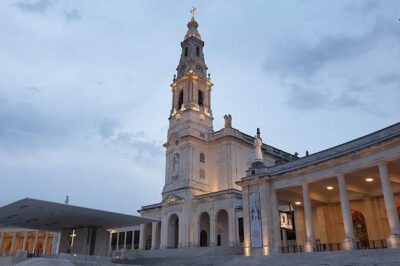
From Lisbon: Fátima, Nazaré, Batalha, and Óbidos Guided Tour
Read our review →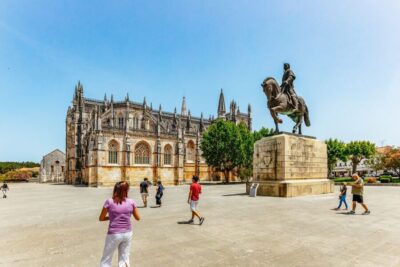
From Lisbon: Fatima Batalha Nazaré & Óbidos Small-Group Tour
Read our review →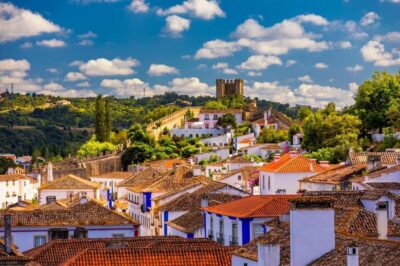
From Lisbon: Fatima, Batalha, Nazare, Obidos – Small Group
Read our review →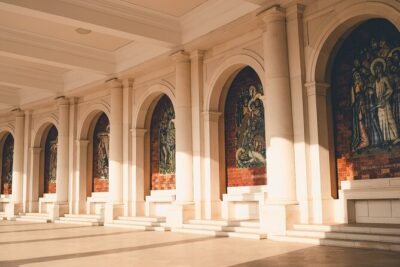
Fatima, Nazare, Obidos 8-People Small Group, Day-Tour from Lisbon
Read our review →From Lisbon: Fátima, Nazaré, Batalha and Óbidos Guided Tour
Read our review →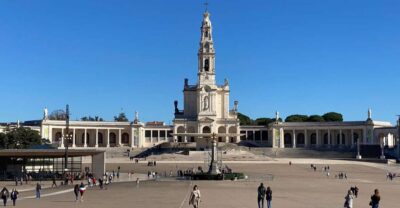
From Lisbon: Fátima, Batalha, Nazaré, and Obidos Tour by Van
Read our review →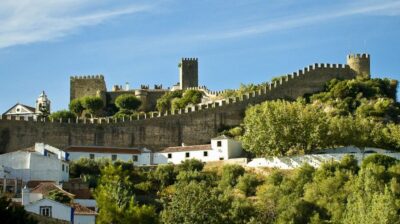
From Lisbon: Fátima, Batalha, Nazaré & Óbidos Full-Day Tour
Read our review →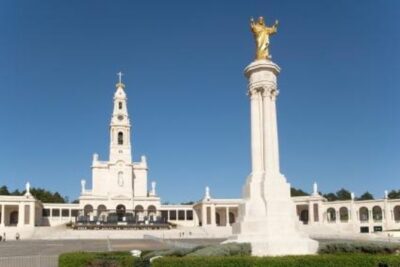
The Best of the West – Fátima, Nazaré, Óbidos & Batalha
Read our review →Browse the lists this tour appears in