
Reviewed · PRIVATE TOURS IN FáTIMA
Tomar, Batalha and Alcobaca Private Tour
Three great monuments tell three different chapters of Portugal’s story on this private day tour. In Tomar, you follow the Templars and the Order of Christ through a castle and convent filled with Romanesque, Gothic, Manueline, and Renaissance details. Batalha links royal victory with Portugal’s first maritime ambitions, while Alcobaça brings you face to face with the tragic tombs of Pedro and Inês.
I like the private format, since you can set the pace, pause for photos, and ask questions without being tied to a large group. I also like the way the tour connects architecture to power, religion, and exploration rather than treating each monument as a collection of pretty stones. Guides such as Vera and Gonçalo are praised for warmth, flexibility, and strong knowledge of Portuguese history.
The main drawback is practical: the $190 per person price does not include entrance tickets, meals, or drinks. Eight hours is enough for the three sites, but Tomar deserves time, and one booking noted that the visit there felt short. This tour is also not suitable for wheelchair users.
In This Review
- Key points to know before booking
- Why these three monuments belong together
- Tomar and the Templar world
- Batalha, Gothic stone and Portugal’s royal ambitions
- Alcobaça and the tombs of Pedro and Inês
- How the private pace changes the day
- Is $190 per person a fair value?
- Who will enjoy this tour most
- A practical plan for making the most of it
- Should you book it?
- FAQ
- How long does the Tomar, Batalha, and Alcobaça tour last?
- What is included in the tour price?
- Are entrance fees included?
- Are meals and drinks included?
- Where can pickup and drop-off be arranged?
- Which languages are available?
- Is the tour suitable for wheelchair users?
Key points to know before booking
- Tomar brings Templar symbols and four architectural styles together inside one remarkable castle and convent complex.
- Batalha is Portugal’s largest Gothic monument, with royal tombs, early stained glass, and links to the beginning of the maritime discoveries.
- Alcobaça adds the most emotional stop, with the tombs of King Pedro I and Inês de Castro and their tragic love story.
- Your guide and vehicle are private, so the pace can be adjusted for photos, questions, lunch, or a snack.
- Pickup covers several towns, including Fátima, Batalha, Leiria, Alcobaça, Nazaré, Ourém, and Tomar.
- The price covers transport, guiding, and insurance, but you must pay monument entry fees separately.
Why these three monuments belong together
This is not simply a tour of three churches. It is a day about the forces that shaped Portugal: military orders, royal ambition, religious power, and overseas exploration.
Tomar shows how the Templars and the later Order of Christ helped defend and organize the young Portuguese kingdom. Batalha presents the royal confidence that followed a major victory and points toward the people who helped launch Portugal’s maritime discoveries. Alcobaça shifts the mood from national ambition to personal tragedy, using two royal tombs to tell one of Portugal’s best-known love stories.
I like this sequence because each stop has a different character. Tomar is symbolic and layered. Batalha is grand and carefully designed. Alcobaça is more restrained, with a powerful sense of scale and a deeply human story at its center.
The private setting matters here. These monuments reward questions, and the guide can explain why a carved symbol matters, how one architectural style differs from another, or how a royal burial fits into the wider story. You are not limited to a fixed script or forced to keep pace with strangers.
More Private Tours in Fátima
- Divine Fátima Full Day Private Tour from Lisbon
★ 5.0 · 308 reviews - Fátima Batalha Nazaré and Óbidos Private Tour
★ 5.0 · 254 reviews - Fatima, Valinhos, Nazaré, Óbidos on Private tour
★ 5.0 · 158 reviews
Tomar and the Templar world
The day begins at the Castle and Convent of Christ in Tomar. This is the stop most likely to fire your imagination, especially if you enjoy medieval orders, symbols, and the overlap between religious belief and military power.
The complex brings several styles into one place. You can expect to see Romanesque, Gothic, Manueline, and Renaissance features, reflecting the many stages of construction and change. That mixture gives the site visual variety, but it can also feel confusing without a guide. A good explanation helps you understand what belongs to which period and why the building kept changing.
The Templars played an important role in the creation of Portugal. After the Templar Order was dissolved, its Portuguese legacy continued through the Order of Christ. The tour explains how these orders supported the kingdom and later became linked with the maritime discoveries.
This is also where the guide points out symbols carved into the stone. The experience does not promise a secret underground adventure, but it does invite you to look more closely at details you could easily walk past. You may find the symbolism fascinating, especially if you enjoy the mysterious side of medieval religious architecture.
I would give Tomar your full attention. It is the most layered stop, and the one where a rushed visit has the greatest cost. One person specifically felt there was too little time at the Convent of Christ, so it is worth telling your guide early if Tomar is your top priority.
The tour includes entrance fees in the sense that you visit the monument, but the cost of admission itself is not included in the $190 price. Ask for the current ticket arrangements when booking, and budget for them separately.
Batalha, Gothic stone and Portugal’s royal ambitions
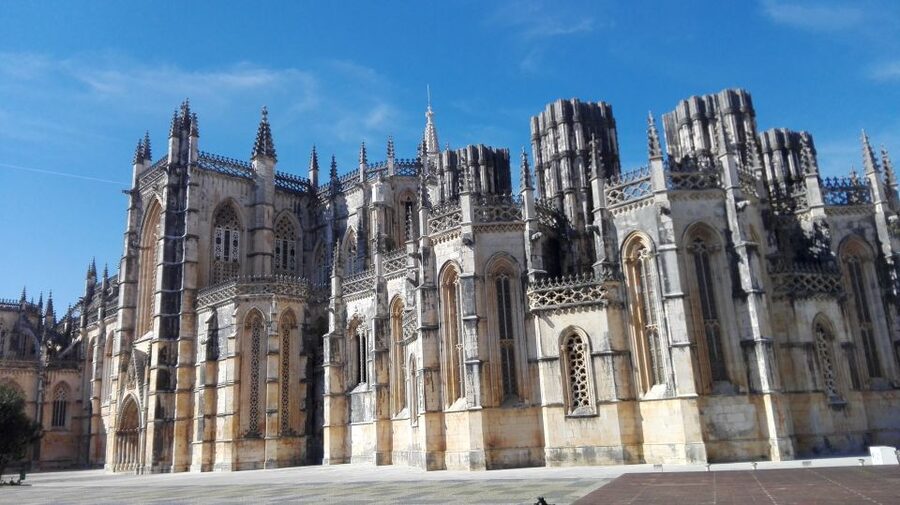
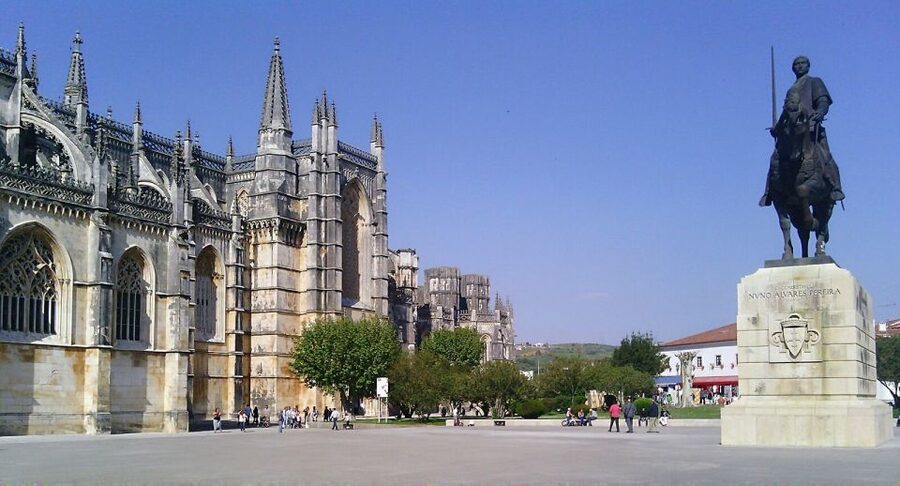
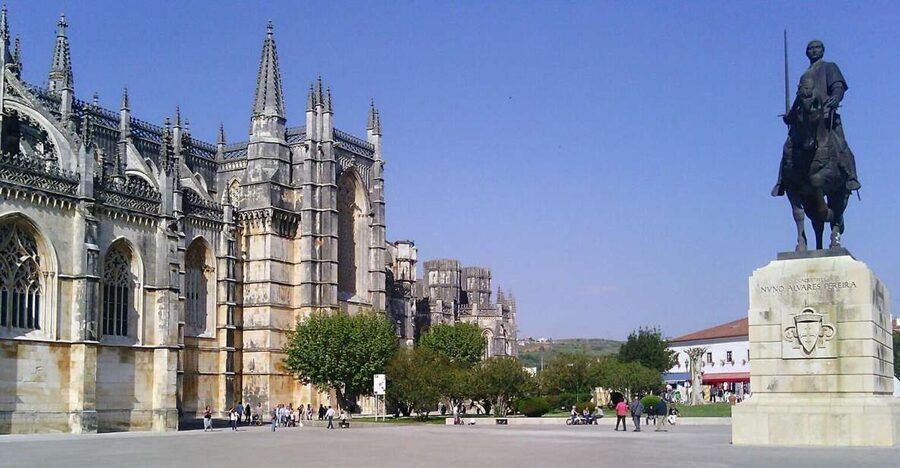
Next comes the Monastery of Holy Mary of Victory, usually called Batalha. It is described as Portugal’s biggest Gothic monument, and the scale becomes clear as you move through its architecture and royal associations.
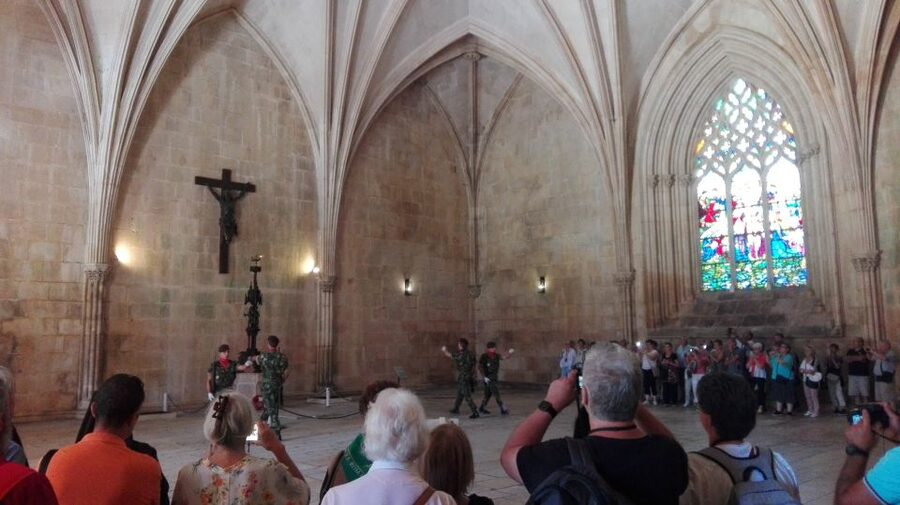
Batalha was built to mark a major Portuguese victory. Its story is tied to the monarchy and to the people who later helped begin the country’s maritime expansion. Henry the Navigator is buried here, giving the monument a direct link to one of the best-known names in Portuguese exploration.
The architecture deserves careful attention. Batalha is also associated with the birth of the Manueline style and with the first Portuguese stained glass. Manueline design often rewards close looking, since the decoration can feel more intricate than the building’s main structure suggests. Your guide can help you notice how the monument expresses royal power through stone, ornament, and memorials.
This stop works well after Tomar because the focus shifts. At Tomar, the orders and their symbols take center stage. At Batalha, the monarchy and national ambition become more visible. You are still hearing about religion and military history, but the mood is more public and ceremonial.
The guide can also separate fact from legend. That is useful in a place connected with famous figures and national stories. Instead of hearing only dates, you get a sense of how the monastery fit into Portugal’s changing identity.
Batalha is a strong stop for anyone interested in architecture. It is also a good choice for visitors who want context for Portugal’s later role in ocean travel. You will not be visiting a maritime museum, but the monastery helps explain the political and religious world that supported those discoveries.
Alcobaça and the tombs of Pedro and Inês
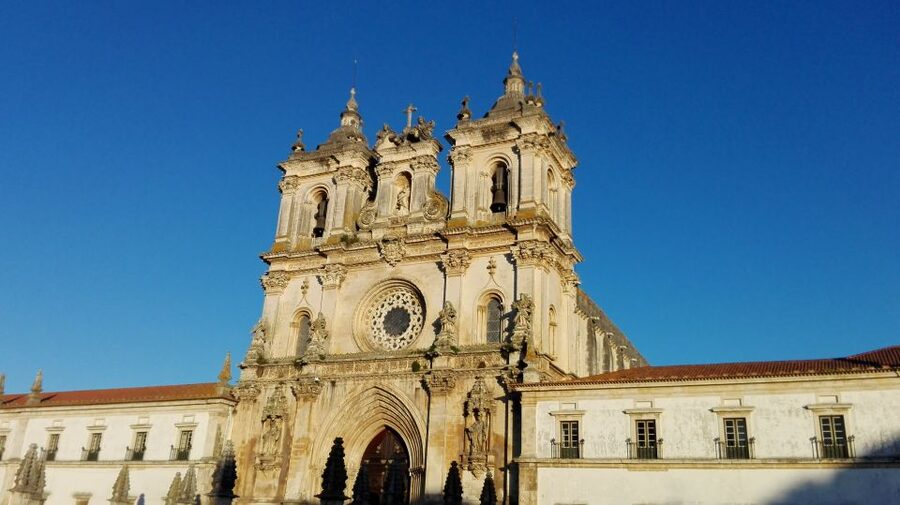
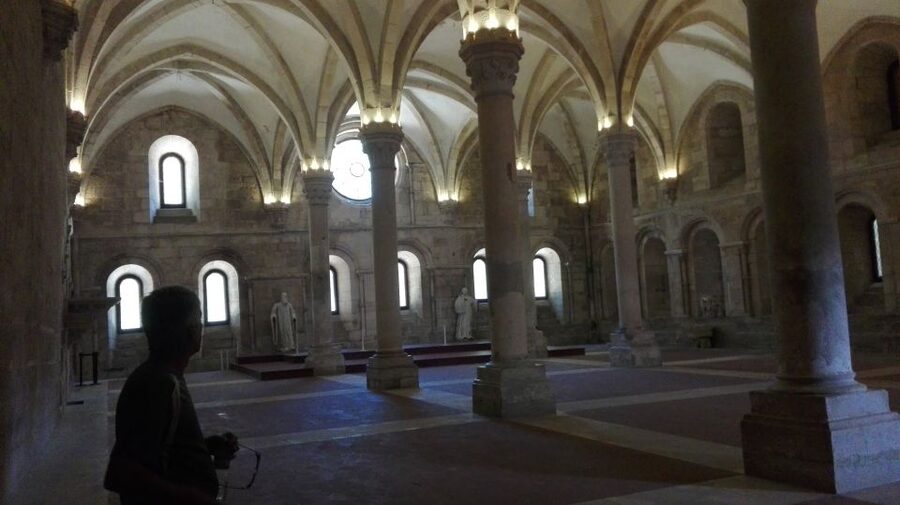
The final major stop is the Royal Abbey of Alcobaça, home to the largest Portuguese Gothic church. Like Batalha, it is a UNESCO World Heritage site, but its atmosphere and story are different.
Alcobaça introduces the Order of Cister and its influence on the creation of Portugal. The Cistercians followed a disciplined religious tradition, and the abbey’s scale shows how important the order became. The Gothic church gives you a sense of proportion and space rather than a crowded collection of decorative details.
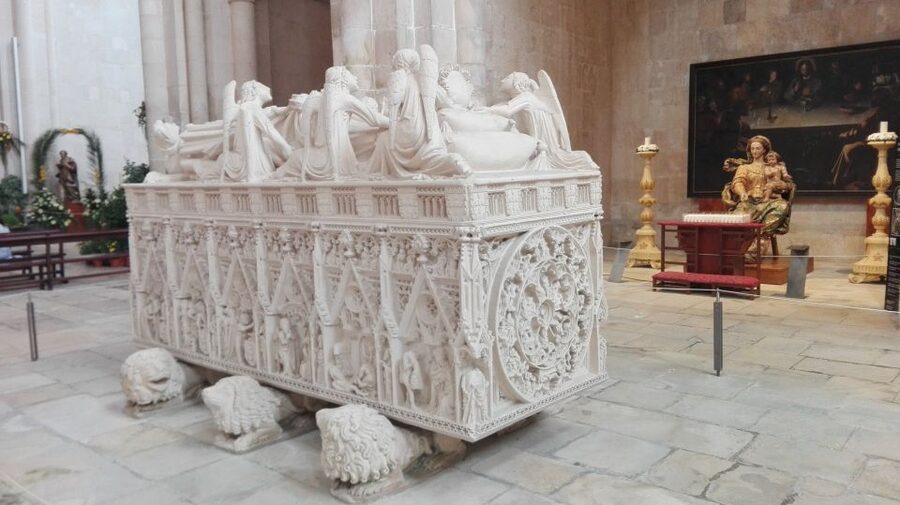
Then comes the story of Pedro I and Inês de Castro. Inês was Pedro’s beloved and was murdered on the orders of his father. Their tombs face one another, a detail that gives the story its lasting emotional force. The guide tells the tale in front of the tombs, where the setting makes the history feel immediate rather than remote.
This is the most personal moment of the day. Tomar is about orders and symbols. Batalha is about victory and royal ambition. Alcobaça asks you to think about love, political pressure, violence, and memory.
You may find Alcobaça more moving than expected, especially after a morning focused on institutions and national achievement. The visit also rounds out the architecture theme. You have seen Romanesque, Gothic, Manueline, and Renaissance elements at Tomar, then a major Gothic monument at Batalha, and finally the grand Gothic church at Alcobaça.
More Fátima and monastery runs:
- From Lisbon: Fátima, Nazaré, Batalha, and Óbidos Guided Tour
★ 4.7 · 3,060 reviews - From Lisbon: Fatima Batalha Nazaré & Óbidos Small-Group Tour
★ 4.7 · 2,563 reviews - From Lisbon: Fatima, Batalha, Nazare, Obidos – Small Group
★ 4.8 · 2,031 reviews - Fatima, Nazare, Obidos 8-People Small Group, Day-Tour from Lisbon
★ 5.0 · 995 reviews
How the private pace changes the day
The tour lasts eight hours and uses an air-conditioned vehicle. Pickup and drop-off are available at a hotel, bus station, or train station in Fátima, Batalha, Alvados, Alcobaça, Nazaré, Leiria, Ourém, and Tomar.
The exact order can change depending on your pickup point. That is practical rather than a problem, since the route can be adjusted to reduce driving time. If you are staying in Tomar, you may begin there. From another town, the guide may arrange the monuments in a different sequence.
Your group remains private, and the pace is described as flexible. You can take photos, stop for lunch or a snack, and buy a souvenir during the day. That flexibility is one of the main reasons to choose this experience instead of a standard group outing.
Still, flexible does not mean unlimited time. Three major monuments in eight hours require sensible planning. If you want to study every chapel, tomb, symbol, and cloister at length, you may need separate visits on another day. Tell the guide which site matters most to you so the schedule reflects your interests.
Guides are available in English, Portuguese, and Spanish. Vera is described as warm, attentive, and eager to share her sense of wonder. Gonçalo is praised for strong insight into Portuguese history, especially at the places that interest you most. Guide assignments can vary, so you should not assume one specific person will lead your tour.
Is $190 per person a fair value?
At $190 per person, this is not the cheapest way to see Tomar, Batalha, and Alcobaça. The comparison changes when you consider what is included: private transport, hotel or station pickup and drop-off, a live guide, and insurance.
You are paying for convenience and personal attention, not just a ride between monuments. If you are based in one of the listed pickup towns and do not have a car, the transport alone removes a major planning problem. You also avoid piecing together regional connections while trying to fit three major sites into one day.
Entry fees are extra, and food and drinks are extra. That makes the final cost higher than the headline price. Families should note that children up to age 12 receive a 50 percent discount, which improves the value for a family group.
I think the price makes the most sense for couples, families, or small groups who value a private day and want historical explanation along the way. If you already have a car, prefer independent sightseeing, and are happy to research each monument yourself, you may find the tour less essential.
The 5 out of 5 score from 17 ratings supports the idea that the personal guiding is a major part of the value. The strongest praise centers on guides who are warm, flexible, and attentive rather than on transport alone. That is important: book this for the guide-led experience, not simply as a taxi service.
Who will enjoy this tour most
I would recommend this tour to you if you want to see three major monuments in one day without managing the route yourself. It suits people with a strong interest in Portuguese architecture, medieval religious orders, royal history, and the early maritime era.
It is also a good choice if you are staying in Fátima, Leiria, Nazaré, or one of the other listed towns and want a private day beyond the usual local sights. The pickup options make the tour useful as a regional excursion rather than just a Tomar outing.
Families can benefit from the private setup because you can adjust the pace and take breaks. The half-price policy for children up to 12 also helps.
This is less suitable if you need step-free access, since the experience is not suitable for wheelchair users. It may also disappoint anyone who wants a slow, scholarly visit to every room. The schedule is generous for a highlights tour, but the monuments themselves are large.
Pets and smoking are not allowed. Those rules are simple, but they matter if you are arranging a full day away from your accommodation.
A practical plan for making the most of it
Before the day begins, decide which monument matters most to you. If it is Tomar, say so clearly, since that complex can absorb as much time as you give it. If the tombs at Alcobaça or Batalha’s Gothic architecture are your priority, your guide can help protect time for those instead.
Wear comfortable shoes and expect a full sightseeing day. The tour involves major religious and historic buildings, and the best experience comes when you are prepared to walk, look up, and pause for details.
Keep money available for entrance fees, lunch, drinks, and a souvenir. None of those costs are included, and the tour deliberately leaves room for you to choose where and how to eat.
Bring questions. Ask about the difference between the Templars and the Order of Christ, why Manueline decoration developed, how Cistercian influence shaped Alcobaça, or what is known about Pedro and Inês. The private format is most useful when you treat the guide as an interpreter, not just a person who leads you through doors.
Should you book it?
Book this tour if you want an efficient but personal way to connect Tomar, Batalha, and Alcobaça. The combination is unusually strong: Templar symbolism, Portugal’s largest Gothic monument, early maritime history, Cistercian influence, and one unforgettable royal love story.
I would book it especially if you are staying in one of the listed towns, do not want to drive, or prefer explanation and conversation to independent sightseeing. The flexible pace and private vehicle add real value.
Think twice if you need wheelchair access, want to keep costs as low as possible, or prefer spending an entire day at one monument. Also remember that entrance fees are not included. For most visitors who want a well-guided overview of central Portugal’s major religious monuments, this is a strong and focused day out.
FAQ
How long does the Tomar, Batalha, and Alcobaça tour last?
The tour lasts eight hours.
What is included in the tour price?
The price includes a private guide, pickup and drop-off at a hotel, bus station, or train station, transport in an air-conditioned vehicle, and insurance.
Are entrance fees included?
No. Entrance fees are not included in the tour price.
Are meals and drinks included?
No. Meals and drinks are not included, but you have time during the day for lunch or a snack.
Where can pickup and drop-off be arranged?
Pickup and drop-off are available in Fátima, Batalha, Alvados, Alcobaça, Nazaré, Leiria, Ourém, and Tomar, at a hotel, bus station, or train station.
Which languages are available?
The live guide service is available in English, Portuguese, and Spanish.
Is the tour suitable for wheelchair users?
No. The tour is not suitable for wheelchair users.
Fresh finds around Fatima
- Fatima Full day Private Tour★ 5.0 · 7 reviews
- Fatima Obidos and Nazare Private Personalized Experience★ 5.0 · 7 reviews
- Alcobaça: Discover the Monastery with a Local Guide Tour★ 5.0 · 7 reviews
- Fátima Half Day Private Tour * Private Tours *★ 4.5 · 7 reviews
- Tomar Templar Private Tour★ 5.0 · 7 reviews
- Fátima / Batalha / Nazaré / Óbidos Private tour★ 4.5 · 7 reviews
- Óbidos Nazaré Alcobaça Batalha and Fátima Tour★ 5.0 · 7 reviews
- Fátima, Batalha, Nazaré and Óbidos day Tour★ 5.0 · 7 reviews
Private Tours in Fátima, compared.
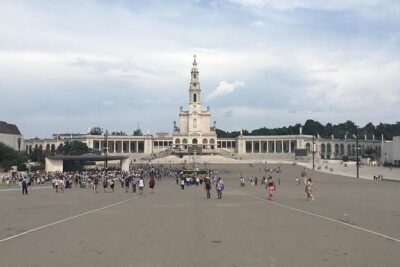
Divine Fátima Full Day Private Tour from Lisbon
Read our review →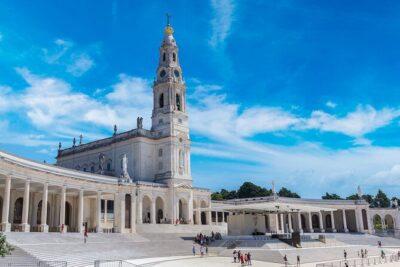
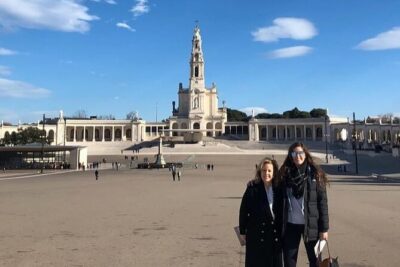
Fatima, Valinhos, Nazaré, Óbidos on Private tour
Read our review →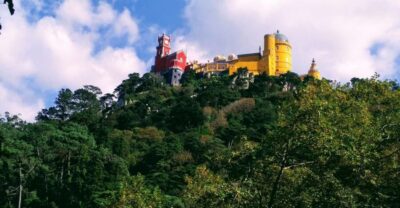
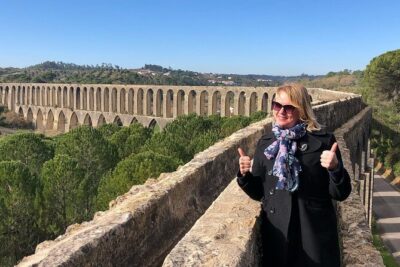
Tour of the Knights Templar’s of Tomar in Private Tour
Read our review →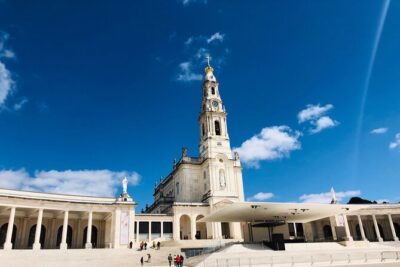
Private Day Tour With Guide to Fatima, Batalha, Nazaré and Obidos
Read our review →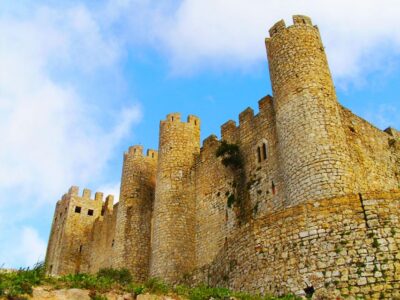
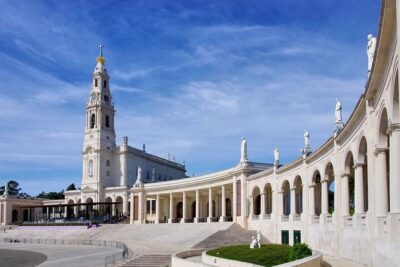
Fatima Private Personalized Half Day Experience from Lisbon
Read our review →Browse the lists this tour appears in