
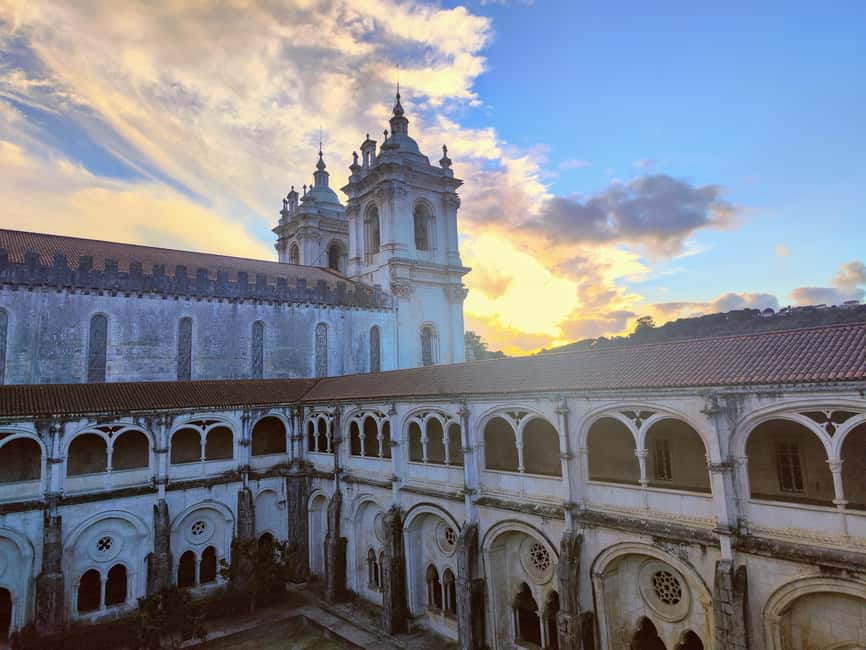
Reviewed · SILVER COAST TOURS
From Lisbon: Medieval Tour, Batalha, Tomar, Alcobaça, Óbidos
Portugal packs a remarkable amount of medieval history into the countryside north of Lisbon. In one long day, you’ll visit four important sites, from the Templar stronghold at Tomar to the chocolate-cup ginjinha of Óbidos.
I like the small group size, limited to eight, and the comfortable Mercedes Vito van. I also like the guide-led storytelling, especially with Hugo, who keeps the history clear without burying you in royal names and dates. The main drawback is simple: this is a full 10-hour day with plenty of walking, and monument tickets and lunch are not included.
In This Review
- Key points to know
- Why this medieval day trip works
- Tomar and the Convent of Christ
- Batalha Monastery and the Battle of Aljubarrota
- Alcobaça Monastery and its royal story
- Óbidos Castle and a sip of ginjinha
- Transport, group size, and the long return
- What the $364 group price really means
- Who should book this tour?
- Practical ways to make the day better
- Should you book the four-site medieval tour?
- FAQ
- How long does the tour last?
- What places does the tour visit?
- Is transportation included?
- Are entrance fees and lunch included?
- What languages are available?
- Can children join for free?
Key points to know
- Four major medieval sights in one day: Tomar, Batalha, Alcobaça, and Óbidos.
- Templar history at the Convent of Christ: See the famous Charola and learn about Tomar’s Knights Templar connection.
- A small, personal group: The Mercedes Vito carries no more than eight participants.
- Family-friendly pricing: Children up to 12 years old do not pay for the tour.
- Classic Portuguese tastes: Lunch is on your own, with ginjinha in Óbidos as the traditional treat.
- Plan for a long walking day: Wear good shoes, carry water, and be ready for changing weather.
Why this medieval day trip works
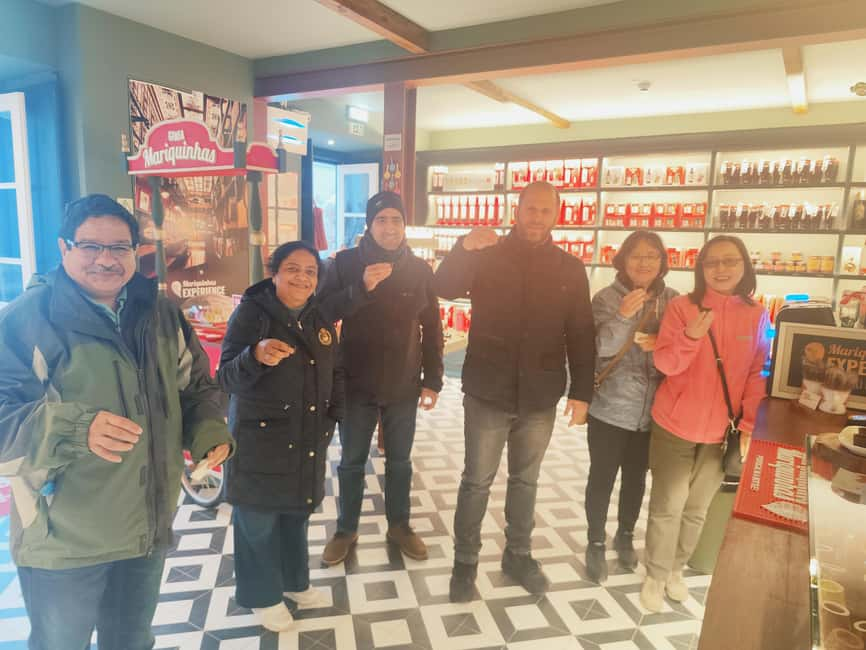
I see this tour as a strong choice for anyone who wants Portugal’s grand religious and military monuments without arranging several separate day trips. The four stops are different enough to keep the day moving: Tomar brings Templar legends, Batalha brings national military history, Alcobaça brings a powerful monastery interior, and Óbidos adds a compact medieval village.
The order also makes practical sense. You leave Lisbon early enough to reach Tomar after roughly 90 minutes on the road, then continue north and west before returning to Lisbon in the evening. You spend time outside the van at each site, but you do not have to manage train connections, regional buses, parking, or the roads between the towns.
The small group matters here. With only eight people, the guide can keep the pace together and answer questions without the feel of a large coach excursion. Hugo is the named guide associated with this experience, and the comments about his style are consistent: he explains the past in a focused way, leaves room for photographs, and keeps the day moving without making you feel hurried.
Still, this is not a relaxed village outing. Four historic sites in one day require discipline. You will have about an hour at Tomar, an hour at Batalha, 90 minutes at Alcobaça, and an hour at Óbidos, plus transport and lunch. If you prefer to study one monastery slowly, this schedule may feel tight.
More Fátima and monastery runs:
- From Lisbon: Fátima, Nazaré, Batalha, and Óbidos Guided Tour
★ 4.7 · 3,060 reviews - From Lisbon: Fatima Batalha Nazaré & Óbidos Small-Group Tour
★ 4.7 · 2,563 reviews - From Lisbon: Fatima, Batalha, Nazare, Obidos – Small Group
★ 4.8 · 2,031 reviews
Tomar and the Convent of Christ
Tomar is the historical anchor of the day. Its main attraction, the Convent of Christ, is a UNESCO World Heritage Site and one of Portugal’s great reminders of the country’s Templar past.
You have about an hour for a guided visit and walk through the complex. The famous Charola is the key feature. This unusual round church reflects the military and religious role of the Knights Templar, whose work in Portugal was tied to protecting and developing the frontier during the medieval period.
I like this stop because it gives the rest of the day a clear starting point. Rather than seeing four unrelated monuments, you begin with the religious and military orders that helped shape Portugal. The Convent of Christ also has a different character from the later monasteries. Its story is tied more directly to knights, fortifications, and power than to royal burial traditions or monastic life.
Bring your camera, but do not let photography take over the hour. The guide’s storytelling is especially useful here because the building can feel complex when you first enter. Hugo’s approach, as described by the experience, is to explain the important points without unloading every Portuguese monarch and date at once.
The visit involves walking, and the larger complex may require more effort than a quick glance at a single church. Comfortable shoes are essential. If you have mobility concerns, read the accessibility information carefully and confirm the current arrangements before booking, since the general information both mentions wheelchair access and says the experience is not suitable for wheelchair users.
Batalha Monastery and the Battle of Aljubarrota
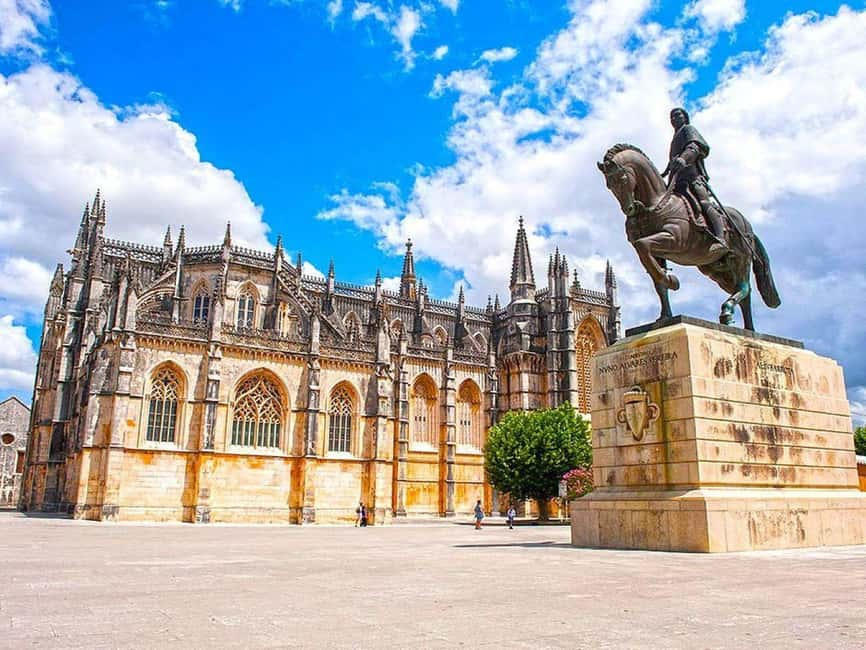
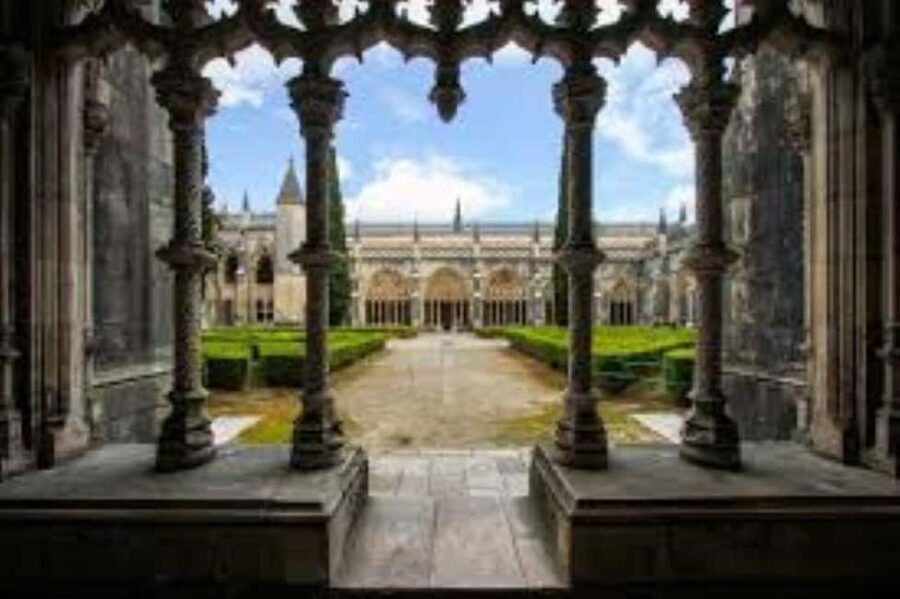
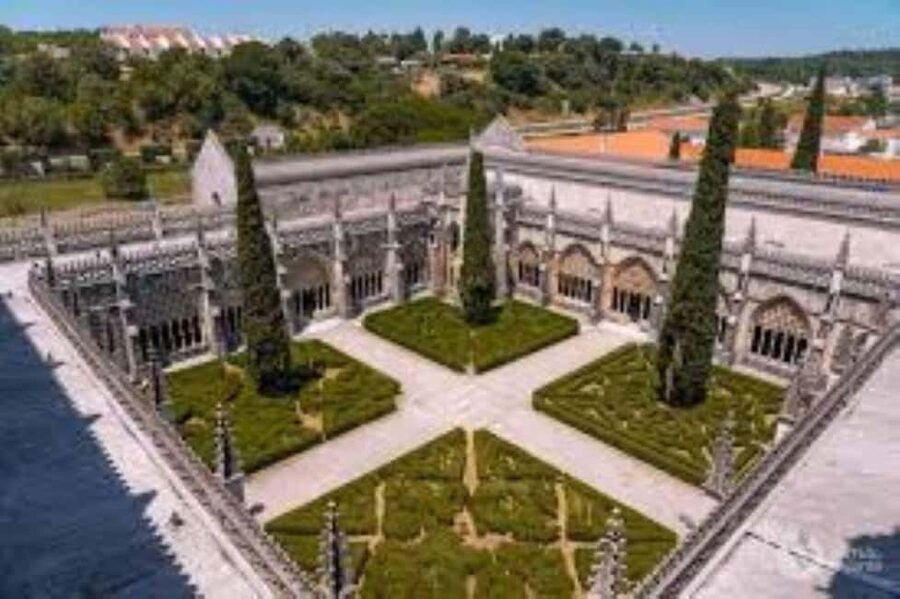
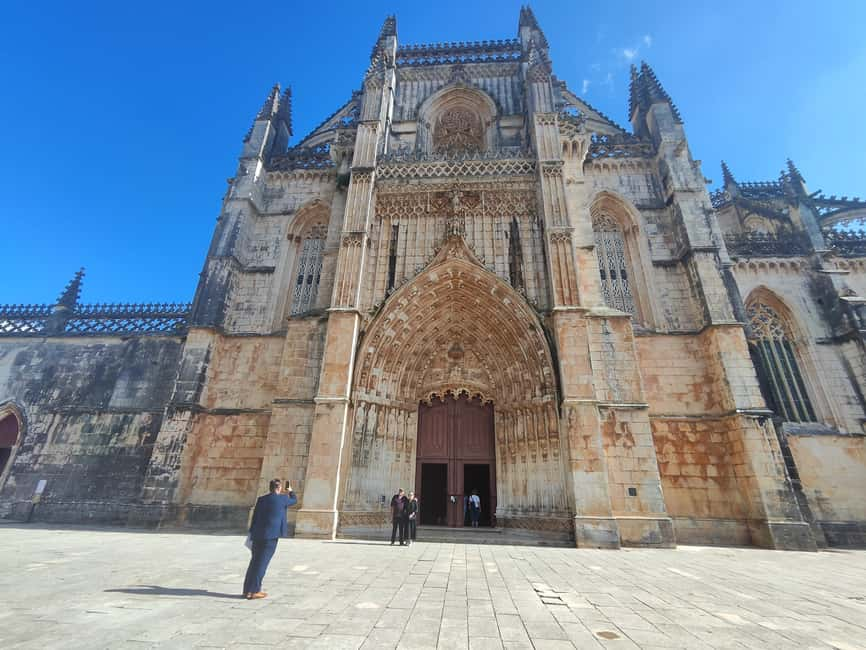
After about 30 minutes on the road, you reach Batalha Monastery. Its formal name is the Monastery of Santa Maria da Vitória, but most people know it simply as Batalha.
This UNESCO World Heritage Site was built in connection with the Battle of Aljubarrota, a major 14th-century victory that helped secure Portuguese independence. The guide connects the architecture to that event, giving the stonework a political meaning rather than treating it as decoration alone.
You have about an hour for the visit. That is enough to see the main spaces and understand why Batalha matters, though not enough for an unhurried study of every architectural detail. I recommend listening closely at the start, then using any free moments for photographs and a quiet look at the carved work.
Batalha is particularly good for visitors who like architecture with a clear national story behind it. The monastery is not just a beautiful stop on a sightseeing route. It represents a turning point in Portugal’s past, and the battle story helps you understand why the monument received such importance.
After the monastery, the group stops in Batalha for lunch for about 90 minutes. Lunch is not included, so you should budget for it separately. The guide can suggest a restaurant, and the experience allows enough time for a proper meal rather than forcing you to eat on the move.
That break is welcome. By this point, you have already spent time in the van and walked through Tomar and Batalha. A sit-down meal gives you a chance to rest before the afternoon monuments. If you are traveling with children, ask about food options when the group discusses lunch, since the tour information does not specify a fixed restaurant or menu.
Alcobaça Monastery and its royal story
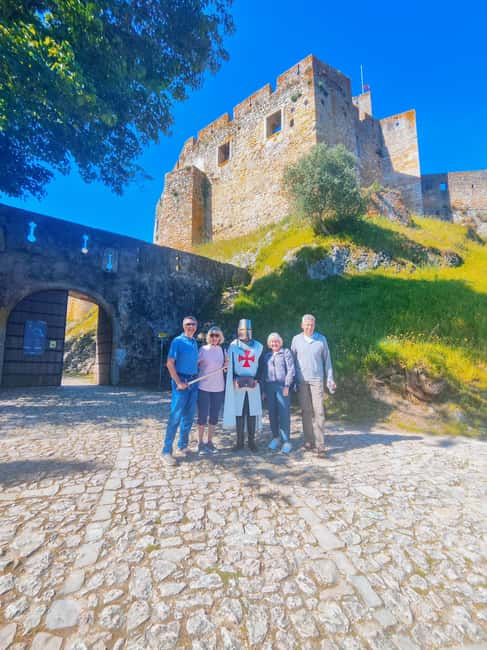
The next drive takes about 30 minutes, bringing you to Alcobaça Monastery. This is another UNESCO World Heritage Site, a Portuguese National Monument, and one of the Seven Wonders of Portugal.
Allow 90 minutes here, making it the longest monument visit of the day. That extra time is useful. Alcobaça is a large, serious complex, and its interior rewards a slower look than the one-hour stops.
The monastery is closely tied to Portugal’s royal and religious past. The guide helps you read the building as more than a grand church. You can expect the visit to focus on the monastery’s importance, its architecture, and the stories connected to the people associated with it.
I find Alcobaça a good counterpoint to Tomar. Tomar feels connected to military orders and frontier defense, while Alcobaça presents the power of a major religious institution. Seeing both on the same day gives you a broader picture of medieval Portugal.
This is also a point where tiredness may begin to matter. The tour has already included two major visits, a meal, and several hours of transport. Use the 90-minute stop wisely. Listen to the guide’s main explanation, then take time to notice the scale and details of the church and monastery rather than trying to photograph every corner.
As with Batalha, entry is not included in the tour price. You will need to buy monument tickets separately, either online, at the sites, or with a Lisbon Card if you have one and it covers the attractions you plan to visit. Check current admission rules before departure, since prices and card arrangements can change.
More Silver Coast outings:
- Three Cities in One Day: Porto, Nazare and Obidos from Lisbon
★ 4.5 · 3,572 reviews - Peniche: Berlengas Island Trip, Hiking and Cave Tour
★ 4.7 · 1,473 reviews - Peniche: Berlenga Island and Cave Tour
★ 4.7 · 1,432 reviews - From Lisbon: Day Trip to Porto, Óbidos, and Nazaré
★ 4.5 · 1,311 reviews
Óbidos Castle and a sip of ginjinha
The final stop is Óbidos, reached after another 30-minute drive. This is the most immediately charming stop of the day: a medieval village enclosed by well-preserved walls and dominated by Óbidos Castle.
You have about an hour to walk through the village and explore the castle area with the guide. The compact setting makes Óbidos feel different from the large monastic complexes. Instead of focusing on one enormous building, you get narrow streets, old walls, viewpoints, and a village atmosphere.
The castle walls offer views over the surrounding area, but take care while walking. The tour information calls for a moderate amount of walking, and historic walls and uneven routes can demand attention. Good shoes are more useful here than fashionable ones.
Óbidos is also where you can try ginjinha, the traditional sour-cherry liqueur associated with the town. It is often served in a small chocolate cup, which makes it an easy local tasting rather than a full stop for a drink. If you do not drink alcohol, you can simply enjoy the village and skip it.
I like having Óbidos at the end because it lightens the mood after a day of churches, battle stories, and monastic architecture. The trade-off is time. An hour gives you a taste of the village, but you will not have time to explore every street or linger over shopping and food.
Transport, group size, and the long return
The Mercedes Vito van is a practical part of the experience, not just a way to get from one monument to the next. You spend about four hours in transport across the full day, so a clean, comfortable vehicle makes a real difference.
The group is limited to eight people. That is small enough for a more flexible conversation with the guide and easier coordination at pickup points. It also means the day should feel more personal than a large bus tour, although the schedule remains fixed because so much has to fit into one day.
Hotel pickup and drop-off in Lisbon are included. You should be at the pickup point 10 minutes before the scheduled start, and the guide will contact you through WhatsApp. Keep your phone available that morning, especially if your accommodation has several entrances or a difficult vehicle access point.
The return drive from Óbidos to Lisbon takes about an hour. Arrival time can depend on the day’s conditions, so avoid planning a tightly timed evening activity immediately afterward. After ten hours on the road and on foot, you may also prefer a quiet dinner near your accommodation.
English and Portuguese guiding are available. If you need another language, this experience does not list it as an option.
What the $364 group price really means

The advertised price is $364 for a group of up to eight people. That makes the value much better for a full group than for one or two people.
For eight participants, the transport and guide cost works out to about $45.50 per person before entrance tickets, lunch, snacks, and personal spending. For four people, it is about $91 per person, and for two people, the effective price becomes $182 per person. The tour is therefore most attractive for families or friends who can share the group rate.
Children up to 12 years old do not pay for the tour, which can make a major difference for a family. You still need to account for any child-related food costs and applicable monument admission.
The price includes the parts that are hardest to arrange independently in one day: a driver and guide, transportation between four towns, and pickup and drop-off. It does not include the actual monument tickets, so do not treat $364 as the complete cost.
You may find better value if you already have a Lisbon Card that applies to the paid monuments. The experience specifically points to the card as a useful option, but you should check the current terms and confirm which sites are covered before relying on it.
Who should book this tour?
I would choose this tour if you have limited time in Lisbon and want to see the country’s central medieval sights without renting a car. It is especially well suited to families, couples, and small groups who value a guide and prefer not to handle regional transport.
It also suits people who want context, not just access. Hugo’s reported style is focused and personable, with enough explanation to help you remember the difference between Templar history, the Battle of Aljubarrota, and the monastic traditions of Alcobaça.
Families should take note of the free tour price for children up to 12. The guide’s ability to connect with both younger and older members of a family is useful on a long day, though children still need to be comfortable with walking and historic sites.
I would hesitate if you have limited stamina, want a slow photographic visit, or dislike fixed schedules. You should also confirm accessibility before paying, since the supplied details are inconsistent: one section says the tour is wheelchair accessible, while another says it is not suitable for wheelchair users or people with mobility impairments.
Practical ways to make the day better
Wear comfortable walking shoes with good support. You will walk through several large monuments, village streets, and the Óbidos castle area.
Bring water, sunscreen, a hat, and a camera. Check the weather forecast and dress in layers, since the day moves between the van, open village streets, and substantial stone buildings.
Keep your belongings secure in crowded places. Bring a little extra money for lunch, ginjinha, snacks, and personal expenses, since none of those are included.
Do not assume that monument tickets are covered. Check admission costs in advance and decide if a Lisbon Card makes sense for your wider Lisbon plans.
Finally, leave breathing room after the tour. The scheduled duration is 10 hours, and the experience is too broad to guarantee a precise return time.
Should you book the four-site medieval tour?
Book it if you want maximum historical coverage in one day, especially if you are traveling with enough people to share the $364 group price. The mix is excellent: Templar Tomar, battle-linked Batalha, monumental Alcobaça, and charming Óbidos, all with transport and a live guide.
Skip it if you want to linger at one monastery or prefer a short, easy outing. This is a demanding day, but it is a well-planned way to reach four important places outside Lisbon. For most first-time visitors with only a few days in the city, the combination of Hugo’s clear guiding, a small van, and family pricing makes the tour worth serious consideration.
FAQ
How long does the tour last?
The tour lasts 10 hours, including transportation, monument visits, lunch time, and the return to Lisbon.
What places does the tour visit?
The tour visits the Convent of Christ in Tomar, Batalha Monastery, Alcobaça Monastery, and Óbidos Castle and village.
Is transportation included?
Yes. Transportation in a Mercedes Vito van, hotel pickup, and hotel drop-off are included.
Are entrance fees and lunch included?
No. Monument entry fees, lunch, snacks, and personal expenses are not included.
What languages are available?
The live guide is available in English and Portuguese.
Can children join for free?
Children up to 12 years old do not pay for the tour.
Fresh finds around Lisbon
- Lisbon: Tuk Tuk City Tour★ 3.6 · 7 reviews
- Fatima Full day Private Tour★ 5.0 · 7 reviews
- Lisbon: Highlights and Hidden Gems Tour★ 5.0 · 7 reviews
- Private Tour to Evora and Monsaraz from Lisbon★ 5.0 · 7 reviews
- Discover Sintra Beauty with a Guided Journey from Lisbon★ 5.0 · 7 reviews
- Private Half-Day Tour to Sintra★ 3.4 · 7 reviews
- Lisbon: Sunset and Wine Catamaran Tour★ 5.0 · 7 reviews
- Nazaré: Beaches of Nazaré Guided E-Bike Tour★ 4.9 · 7 reviews
Silver Coast Tours, compared.
Three Cities in One Day: Porto, Nazare and Obidos from Lisbon
Read our review →
From Lisbon: Fátima, Nazaré, Batalha, and Óbidos Guided Tour
Read our review →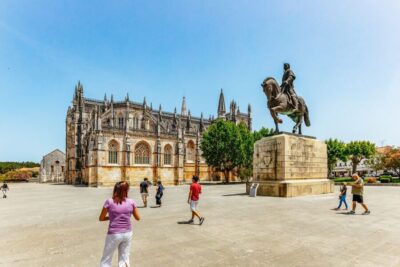
From Lisbon: Fatima Batalha Nazaré & Óbidos Small-Group Tour
Read our review →
From Lisbon: Fatima, Batalha, Nazare, Obidos – Small Group
Read our review →
Peniche: Berlengas Island Trip, Hiking and Cave Tour
Read our review →
From Lisbon: Day Trip to Porto, Óbidos, and Nazaré
Read our review →
Fatima, Nazare, Obidos 8-People Small Group, Day-Tour from Lisbon
Read our review →Browse the lists this tour appears in