
Reviewed · PRIVATE TOURS IN FáTIMA
From Fatima: Private Fatima Tour with a Local Guide
Fátima is easiest to understand when you connect the grand sanctuary with the small villages and family homes behind the story. This private four-hour tour does exactly that, taking you from the Chapel of Apparitions and basilicas to Aljustrel, where the three shepherd children were born and baptized.
I like the private format, since your guide can adjust the pace, answer questions, and spend more time on the places that matter most to you. I also like the local perspective. Guides such as Nelson Rodrigues and Gabriel have shared details about growing up in the area, its families, and the changes Fátima has seen over the years.
The main consideration is time. Four hours is enough for the key sites, but not for a slow, unhurried visit to every church, museum, and prayer service in the sanctuary. The tour also involves a moderate amount of walking, so comfortable shoes matter.
In This Review
- Key points to know before booking
- Why a private guide helps at Fátima
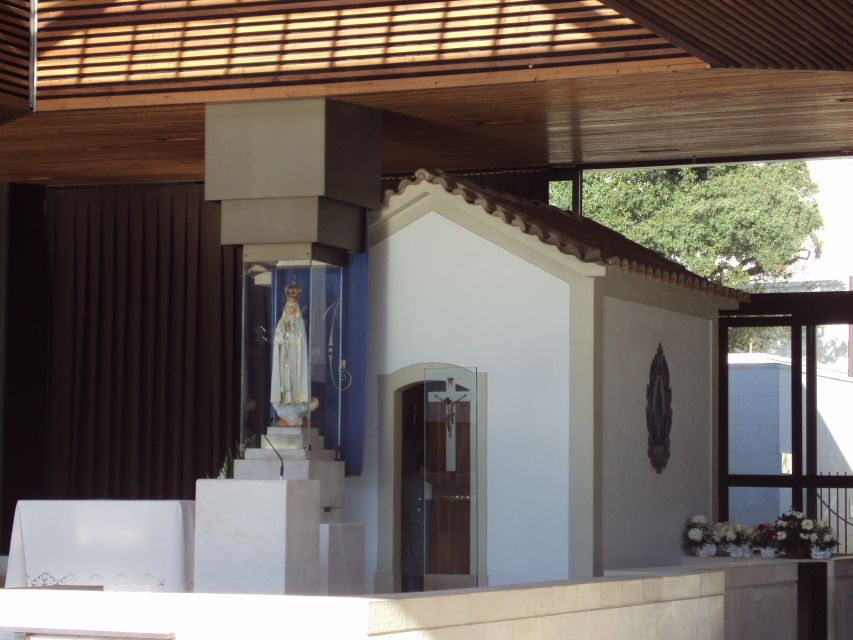
- Starting at the Chapel of Apparitions
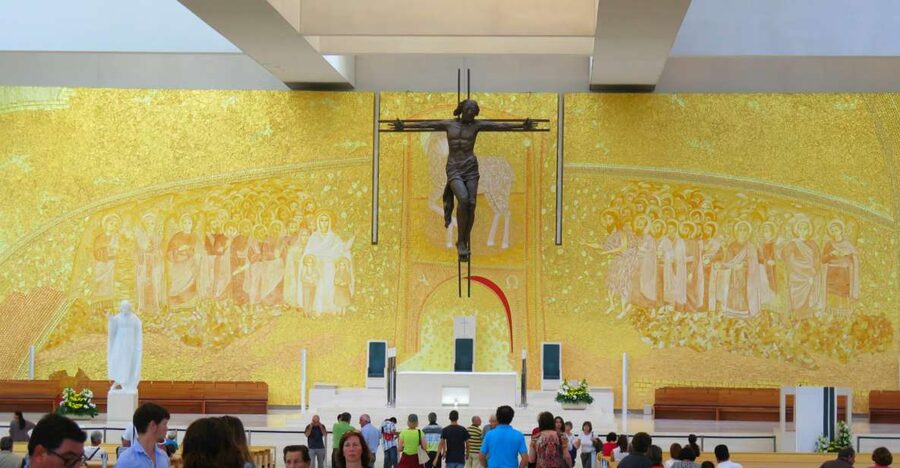
- The Basilica of Our Lady of the Rosary
- The Basilica of the Most Holy Trinity
- Aljustrel and the homes of the three children
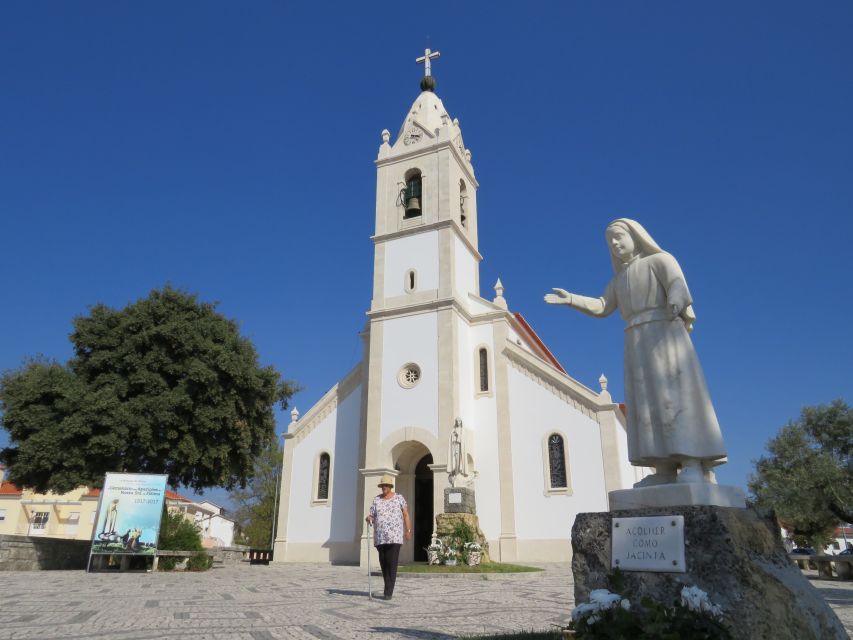
- The Parish church and the children’s baptism
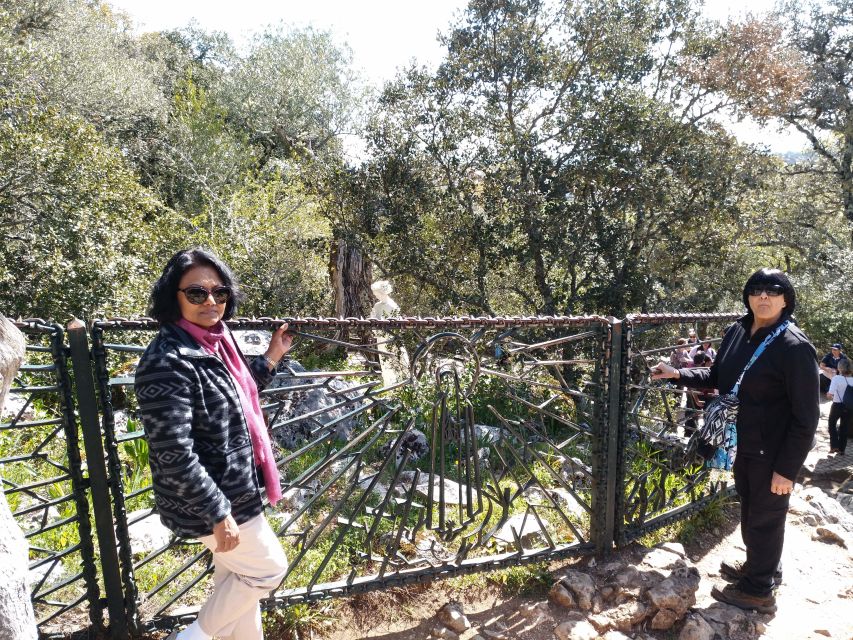
- The Angel of Peace and Valinhos
- Transport, timing, and the practical side
- Is $173 per person a fair price?
- Who should book this Fátima tour?
- Should you book it?
- FAQ
- How long does the Fátima private tour last?
- Where does pickup take place?
- Is transportation included?
- Is this a private group tour?
- Which languages are available?
- Which basilicas are visited?
- Does the tour visit the homes of the three shepherd children?
- Is lunch included?
- What should I wear and bring?
Key points to know before booking
- The Chapel of Apparitions is the spiritual center: Visit the place linked to the six 1917 apparitions of Our Lady.
- The children’s story continues beyond the sanctuary: Aljustrel and Valinhos add the human and rural setting often missed on a quick visit.
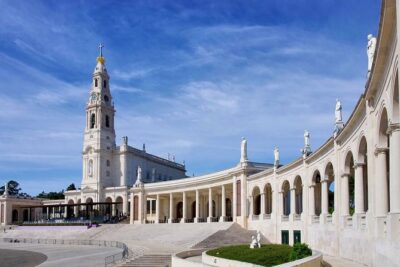
- You see both old and modern Fátima: The Basilica of Our Lady of the Rosary and the Basilica of the Most Holy Trinity offer sharply different styles.
- A private guide changes the pace: You can ask questions, pause for prayer, or move along when a site is already familiar to you.
- Hotel pickup is included in Fátima: Transport is provided in a premium air-conditioned vehicle.
- The tour suits families and older visitors: Guides have adapted the pace for children, toddlers, and people using a walker.
Why a private guide helps at Fátima
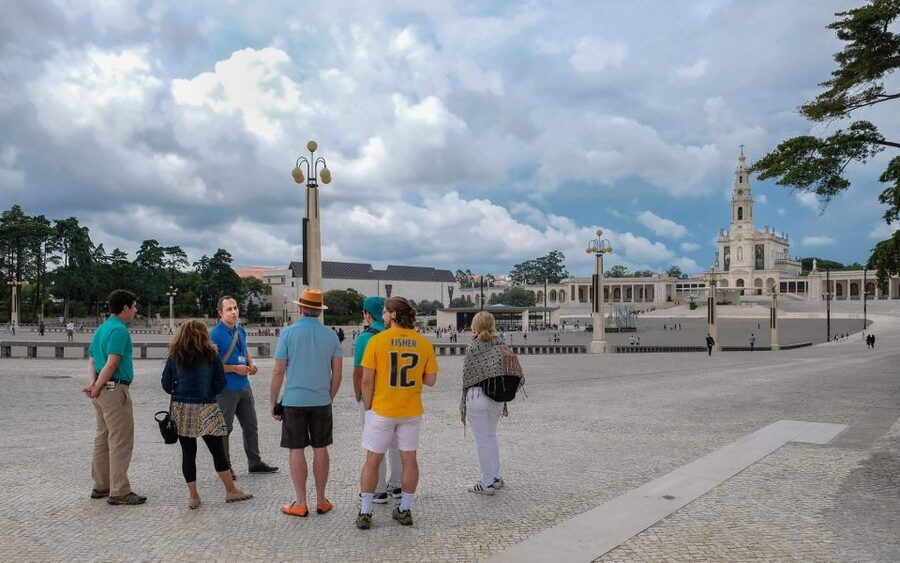
Fátima is not hard to reach or walk around, but it is easy to see only the surface. The large plaza, basilicas, candle area, and Chapel of Apparitions are clear enough on a map. What is harder to grasp is how the 1917 events unfolded, how the three children lived, and why this quiet rural area became a major pilgrimage center.
That is where a private guide earns the fee. I like having one person connect the places in a sensible order instead of trying to piece the story together from signs and phone screens. You can ask about the apparitions, the children’s families, local customs, and the growth of Fátima without waiting for a group to catch up.
Nelson Rodrigues has led many of these tours and is often praised for his calm manner, fluent English, and personal connection to the region. He has spoken about local life during the time of his parents and grandparents, and he has added small details about how Fátima changed. Gabriel has also guided this experience, offering a warm and flexible approach, including for visitors traveling with an older relative.
That does not mean you should assume a particular guide will always be assigned. The activity is conducted in English or Portuguese by a private local professional guide. If a specific guide matters to you, ask when booking.
More Private Tours in Fátima
- Divine Fátima Full Day Private Tour from Lisbon
★ 5.0 · 308 reviews - Fátima Batalha Nazaré and Óbidos Private Tour
★ 5.0 · 254 reviews - Fatima, Valinhos, Nazaré, Óbidos on Private tour
★ 5.0 · 158 reviews
Starting at the Chapel of Apparitions
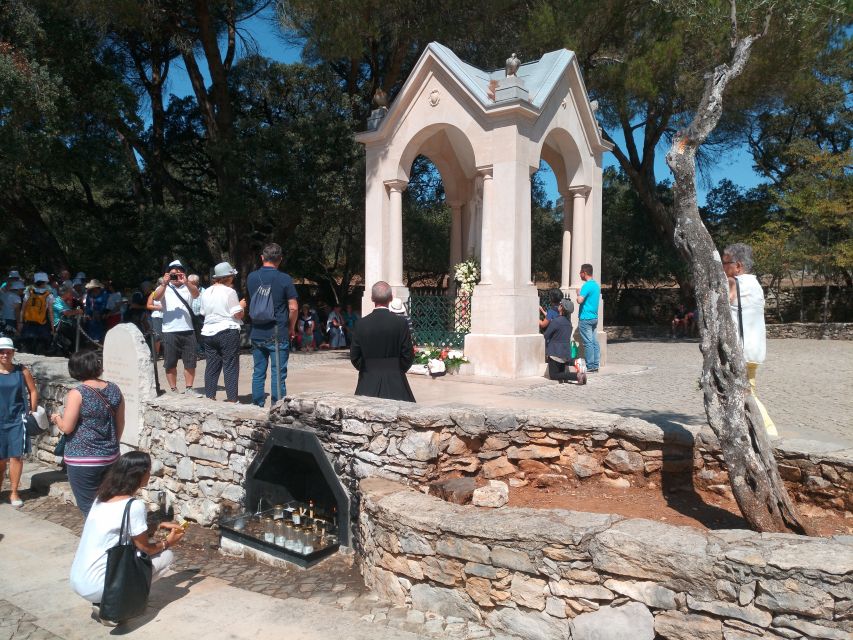
The tour begins with the central story of Fátima and a visit to the Chapel of Apparitions. This is the site associated with the appearances of Our Lady to Lúcia dos Santos and her cousins Francisco and Jacinta Marto in 1917.
Your guide explains the sequence of events and places the apparitions in the setting of the time. That context matters. The story did not begin in a grand church. It began with three children from a rural community, and the early events took place in fields and simple family surroundings.
The chapel itself is an important place for prayer and quiet reflection. Depending on the schedule and the atmosphere during your visit, you may find people attending to personal devotion rather than sightseeing. I would treat this stop respectfully and allow yourself a few quiet minutes instead of rushing straight to the next photograph.
A private tour is useful here because you can ask for clarification without interrupting a large group. If you already know the basic story, your guide can focus on local details and the wider impact on Fátima. If the story is new to you, the guide can slow down and establish the main points before moving on.
The Basilica of Our Lady of the Rosary
The next major stop is the Basilica of Our Lady of the Rosary, the older and more traditional of the sanctuary’s main basilicas. Inside, you see the tombs of Sister Lúcia, St. Francisco, and St. Jacinta.
This visit gives the story a personal focus. The three children are not just names connected to an apparition site. Their lives, deaths, and later recognition by the Catholic Church are part of why pilgrims come here. Your guide can explain who they were and how their lives fit into the larger Fátima story.
I find this stop especially helpful if you are visiting with family members who want more than a quick look at the main plaza. Children can hear the story in human terms, and adults can ask about the places where the children lived and prayed. Several families have found the pace comfortable for children, including a toddler and two boys aged eight and nine.
The basilica is also a place of worship, so the experience can feel different from a standard historic monument visit. Services, prayer, and silence may shape your time inside. The guide provides interpretation, but you still have room to experience the church at your own pace.
The Basilica of the Most Holy Trinity
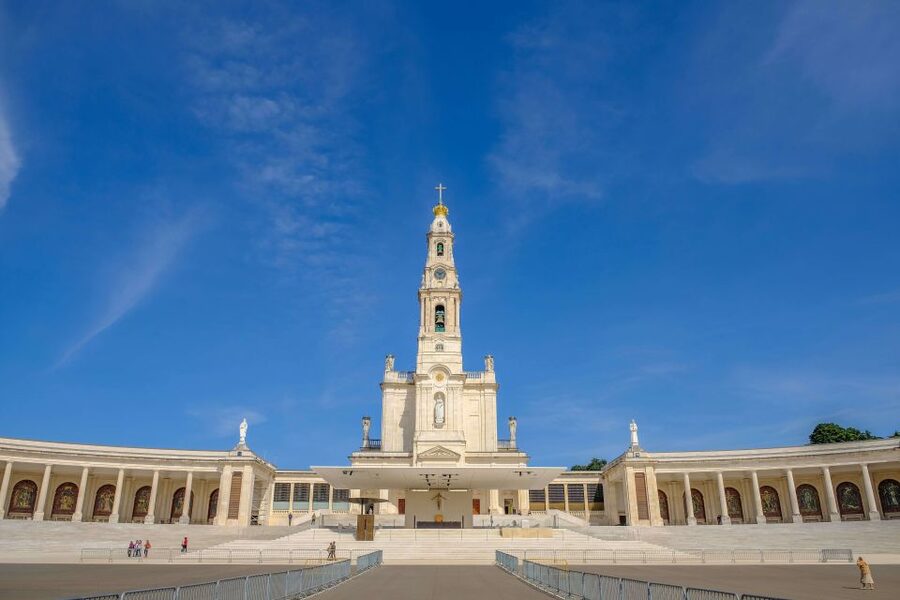
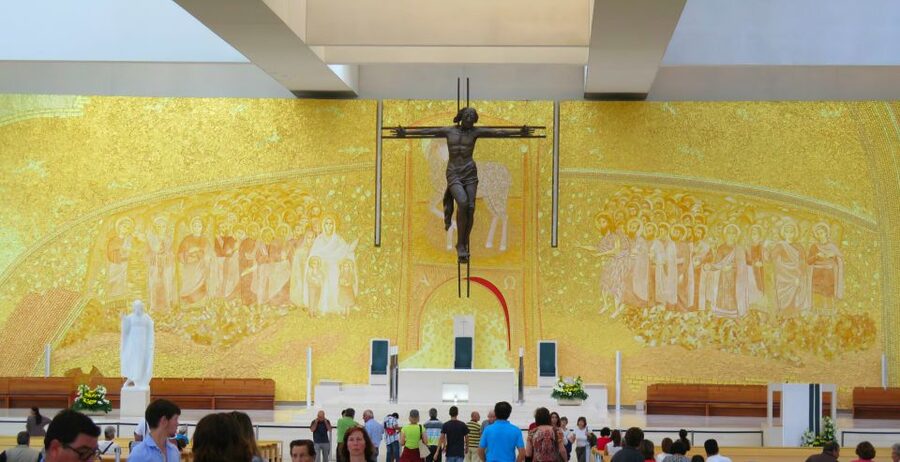
The Basilica of the Most Holy Trinity provides a strong contrast to the Basilica of Our Lady of the Rosary. Consecrated in 2007 for the 90th anniversary of the apparitions, it is a modern church built for the large number of pilgrims who visit Fátima.
If you expect every part of the sanctuary to look old and ornate, this church may surprise you. Its scale and modern design reflect Fátima as a major pilgrimage destination in the present day, not only as a village connected to events from 1917.
I like seeing both basilicas on the same tour because they tell different parts of the story. The older basilica connects you to the children and the earlier development of the sanctuary. The newer basilica shows how the site has adapted to large crowds and modern religious life.
Your guide can help you understand why the two buildings feel so different. Without that explanation, you might see the modern church as simply a contrast in architecture. With context, it becomes part of Fátima’s continuing story.
More Fátima and monastery runs:
- From Lisbon: Fátima, Nazaré, Batalha, and Óbidos Guided Tour
★ 4.7 · 3,060 reviews - From Lisbon: Fatima Batalha Nazaré & Óbidos Small-Group Tour
★ 4.7 · 2,563 reviews - From Lisbon: Fatima, Batalha, Nazare, Obidos – Small Group
★ 4.8 · 2,031 reviews - Fatima, Nazare, Obidos 8-People Small Group, Day-Tour from Lisbon
★ 5.0 · 995 reviews
Aljustrel and the homes of the three children
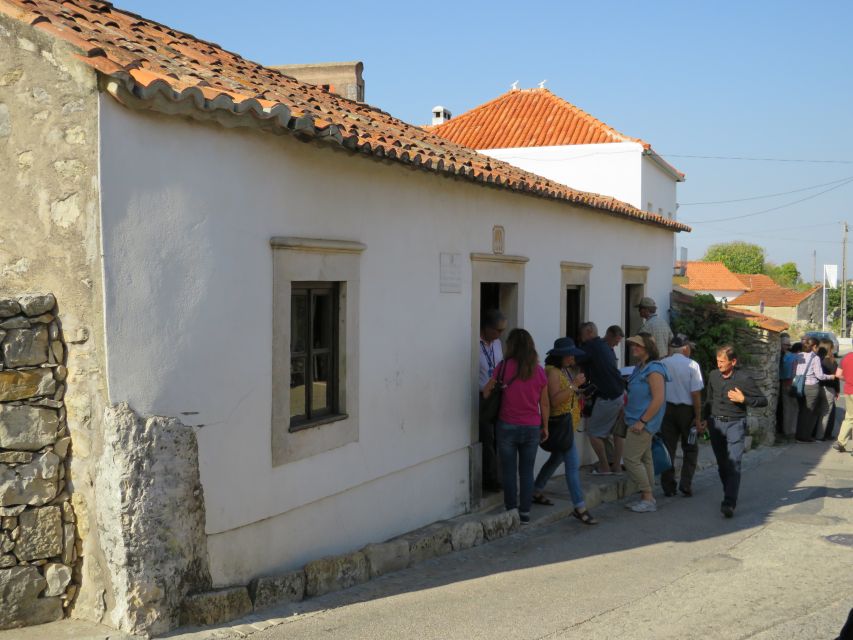
The tour then leaves the main sanctuary for Aljustrel, the village where the three shepherd children were born. This is one of the most valuable parts of the experience because it reduces the distance between the grand religious complex and the children’s ordinary lives.
You visit the homes connected with the children and learn about the family setting in which the apparitions took place. The houses are much more modest in character than the sanctuary basilicas. That difference helps you picture the community before Fátima became an international pilgrimage center.
A guide with local ties can add details that are hard to find in a standard guidebook. Nelson has explained how the area looked and functioned during the period when his own family lived nearby. That kind of local memory does not replace the historical record, but it can make the setting easier to picture.
Aljustrel is also a better place for questions. At the sanctuary, the atmosphere may encourage quiet prayer. In the village, you can focus more directly on the children’s homes, family relationships, and daily surroundings.
The tour includes a moderate amount of walking, though transport between the main areas makes the visit manageable. If someone in your group walks slowly, tell the guide at the beginning. The private setup allows the pace to be adjusted more easily than on a large coach tour.
The Parish church and the children’s baptism
In Aljustrel, you also visit the Parish church where the children were baptized. This stop is easy to overlook if you explore Fátima independently, yet it adds an important detail to the story.
The church connects the children to the local community and to ordinary parish life. The apparitions did not happen in isolation. The children belonged to families, attended church, and were known within a small community whose response became part of the wider story.
The description of this stop also refers to unique treasures at the Parish church. Your guide can point out what deserves attention and explain why it matters. That guidance is useful because a small church may not offer the same clear visitor information found at the main sanctuary.
I would give this visit a little patience. It is not the largest or most dramatic stop, but it helps you understand Fátima as a lived-in village rather than only a pilgrimage destination.
The Angel of Peace and Valinhos
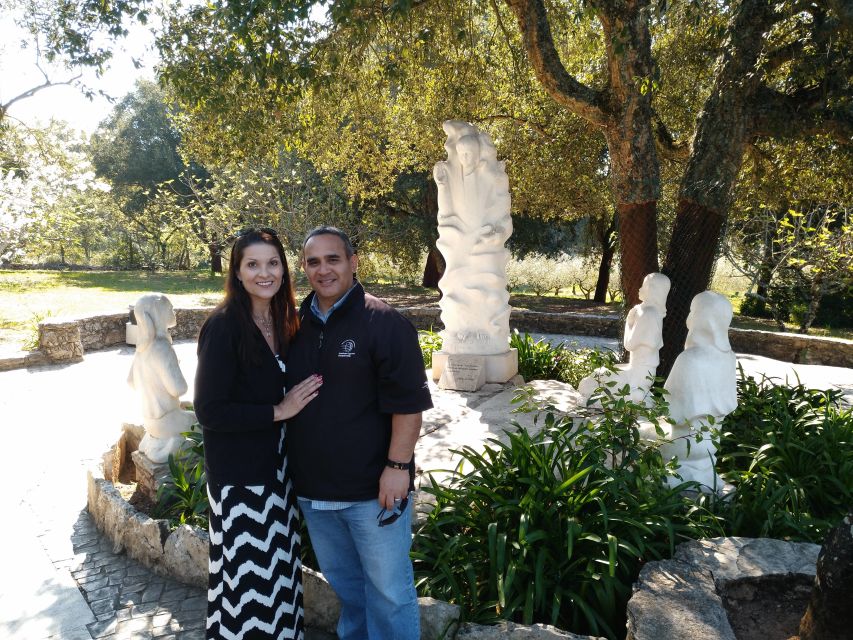
The final part of the tour visits sites connected with the Angel of Peace and the fourth apparition site of Our Lady at Valinhos. These locations broaden the story beyond the main sanctuary and the children’s homes.
The Angel of Peace apparitions are associated with the children’s early spiritual experiences. Valinhos is connected with the fourth apparition of Our Lady, which took place away from the usual site because the children had been prevented from going to the Cova da Iria at the expected time.
These stops often feel quieter than the basilicas. You may find more room to listen, reflect, and picture the rural setting described by the guide. The appeal is not grand architecture. It is the connection between the wooded or open surroundings and the events that form the heart of the Fátima story.
One guide described taking visitors to the children’s play area in the woods, the place linked with the angels, and the spot at Valinhos. The value here comes from seeing the locations in relation to one another. Instead of hearing about several apparition sites as isolated facts, you begin to understand the area the children knew.
The exact amount of time at each stop can depend on your interests and the day’s conditions. If you want extra time for prayer or photographs, say so early. A private guide can usually shape the visit around your priorities, though the tour still needs to fit within four hours.
Transport, timing, and the practical side
The tour lasts four hours and includes pickup and drop-off from hotels in Fátima. You can also meet the guide at Hotel Fátima on Rua João Paulo II if that is more convenient.
Transport is provided in a premium air-conditioned vehicle. This matters more than it may sound, especially when you are moving between the sanctuary, Aljustrel, and Valinhos. You avoid arranging taxis between separate sites, and you have a comfortable base between walks.
The private group format is another practical advantage. You do not have to match the pace of a busload of people, and the guide can respond to your questions as they come up. This has proved useful for families, mixed-age groups, and people who already know some of the Fátima story but want more local detail.
Wear comfortable shoes. The tour operates in all weather, so bring clothing suited to the forecast. The walking is described as moderate, not strenuous, but the sanctuary and village visits still require time on your feet.
Lunch is not included, and the four-hour duration does not include a meal stop. Personal expenses are also your responsibility. If you want to eat before or after the tour, plan around the starting time rather than expecting lunch to be built into the visit.
The tour is offered in English and Portuguese. Mandatory insurance is included, along with transport and the professional guide.
Is $173 per person a fair price?
At $173 per person, this is not the cheapest way to see Fátima. If you only want to walk through the sanctuary and look at the basilicas, you can spend far less by visiting independently.
The price makes more sense if you value interpretation, private transport, and access to the outlying sites. You are paying for four hours with a local guide, not simply for entry to a church. The tour links the sanctuary with Aljustrel, the Parish church, the Angel of Peace sites, and Valinhos, which would require more planning and transport on your own.
For a couple or small family, the cost may feel reasonable because the experience is private and flexible. For a larger group, the value can improve when the per-person cost is shared across several people. The vehicle, hotel pickup, and insurance also reduce the number of details you need to arrange separately.
I would not book it solely for convenience if you have a full day in Fátima and enjoy researching religious sites on your own. I would book it if you want to understand the story properly in a limited amount of time, especially on a first visit.
Free cancellation is available up to 24 hours before the tour for a full refund, and you can reserve now and pay later. Check the available starting times before committing, since the four-hour schedule needs to fit with any church services or other plans.
Who should book this Fátima tour?
I think this tour suits first-time visitors particularly well. You get the essential sanctuary stops, then see the village setting and apparition sites that many independent visits leave out.
It is also a good choice for:
- Families who want the story explained at a pace children can follow
- Pilgrims who want time for prayer as well as historical context
- Older visitors who prefer included transport between sites
- Small groups who want to ask personal questions
- Visitors staying briefly in Fátima
- People interested in local culture as well as Catholic history
You may prefer an independent visit if you want long periods of silence, plan to attend several services, or want to spend hours inside one basilica. The private guide offers flexibility, but four hours still creates a clear limit.
Should you book it?
Book this tour if you want Fátima to make sense as a place, not just as a collection of churches. The strongest part is the connection between the sanctuary, the children’s homes in Aljustrel, the Parish church, and the sites at Valinhos.
I especially recommend it for a first visit, a family group, or anyone who values a patient local guide. Request Nelson if possible, while understanding that guide assignments can vary. His calm style, local background, and ability to explain the apparitions in clear English have made him a particularly strong fit for this experience.
Skip it if you are comfortable arranging your own transport and already know the history well. At $173 per person, the tour earns its price through personal guidance and local context, not through admission tickets alone.
FAQ
How long does the Fátima private tour last?
The tour lasts four hours.
Where does pickup take place?
Pickup and drop-off are available from all hotels in Fátima. You can also meet the guide at Hotel Fátima on Rua João Paulo II.
Is transportation included?
Yes. Transportation is provided in a premium air-conditioned vehicle.
Is this a private group tour?
Yes. The experience is offered as a private group tour.
Which languages are available?
The live tour guide service is available in English and Portuguese.
Which basilicas are visited?
The tour visits the Basilica of Our Lady of the Rosary and the Basilica of the Most Holy Trinity.
Does the tour visit the homes of the three shepherd children?
Yes. You visit Aljustrel, the village where the children were born, including their homes.
Is lunch included?
No. Lunch and personal expenses are not included.
What should I wear and bring?
Wear comfortable shoes and dress for the weather, since the tour operates in all weather conditions and includes a moderate amount of walking.
Fresh finds around Fatima
- Sanctuary of Fátima and Coimbra City Tour★ 4.5 · 51 reviews
- Fátima Half Day Private Tour Lisbon w/ Optional Candle Procession★ 4.0 · 52 reviews
- Lisbon to Porto with stop Aveiro-Fátima-Coimbra-Tomar-Nazaré-Óbidos★ 5.0 · 52 reviews
- Fátima, Batalha, Nazaré and Óbidos Private Tour★ 5.0 · 55 reviews
- Private Fátima Half Day Tour★ 5.0 · 56 reviews
- Tour Fátima Batalha Nazaré and Óbidos★ 4.5 · 57 reviews
- Fátima: Sanctuary and Aljustrel Village, Private Guided Tour★ 5.0 · 57 reviews
- Private Tour to Fatima from Lisbon★ 5.0 · 59 reviews
Private Tours in Fátima, compared.
Divine Fátima Full Day Private Tour from Lisbon
Read our review →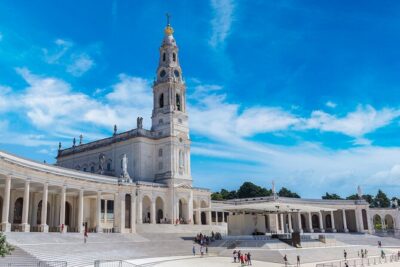
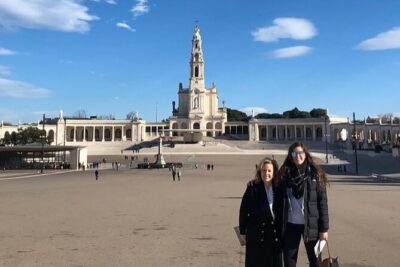
Fatima, Valinhos, Nazaré, Óbidos on Private tour
Read our review →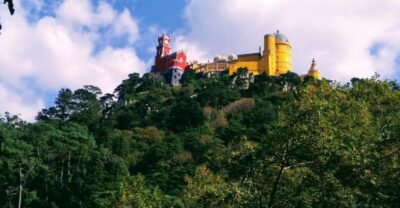
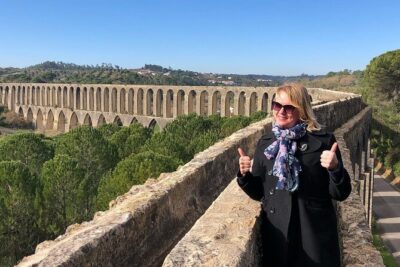
Tour of the Knights Templar’s of Tomar in Private Tour
Read our review →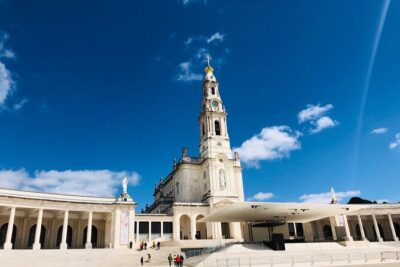
Private Day Tour With Guide to Fatima, Batalha, Nazaré and Obidos
Read our review →
Fatima Private Personalized Half Day Experience from Lisbon
Read our review →Browse the lists this tour appears in