
Reviewed · PHOTOGRAPHY SESSIONS
19th Century Photography Experience
The most unusual souvenir in Sintra may be a portrait made with a photography process from 1851. At Five Historic Photography Studio, you sit still for a wet plate collodion photograph, then follow the hosts into the darkroom as your image appears on an aluminium plate.
I like two things here: you see the entire process rather than simply posing and walking away, and the finished tintype is a genuinely one-of-a-kind object. The main drawback is time. The exposure can last up to 10 seconds, and your plate is ready about an hour after the session begins, so this is not a quick stop between palaces.
In This Review
- Key points at a glance
- Why this Sintra portrait is different
- Inside Five Historic Photography Studio
- Choosing your portrait size, clothes, and pose
- Watching the image appear in the darkroom
- Collecting the aluminium tintype
- Is $48.06 a fair price?
- Who will enjoy this most?
- Planning this around a day in Sintra
- The experience’s strongest point
- Should you book the Five Historic Photography Studio?
- FAQ
- Where does the 19th Century Photography Experience take place?
- How long does the experience last?
- What photography process is used?
- Is the activity private?
- Can I watch the photograph being developed?
- Are costumes and props provided?
- Is a digital copy included?
- Is the activity wheelchair accessible?
Key points at a glance
- A working 19th-century process: Your portrait is made with wet plate collodion, a method developed by Frederick Scott Archer in 1851.
- Private by design: Only your group takes part, giving you a more personal session and room to ask questions.
- The darkroom is part of the experience: You can watch the negative appear under safe red light and see the development process from close by.
- Period clothing is available: You may use antique-style clothes, hats, and accessories, or bring your own outfit.
- Your tintype takes time: Choose from three sizes, then collect the finished aluminium plate roughly one hour after the start.
- A small extra cost for digital files: Digital copies are available for €5 per booking, but they are not included.
Why this Sintra portrait is different
Most holiday photographs are taken in a fraction of a second and stored on a phone. This session asks you to slow down. You sit for a carefully prepared exposure, watch chemistry bring the picture to life, and leave with a physical plate that cannot be duplicated in exactly the same way.
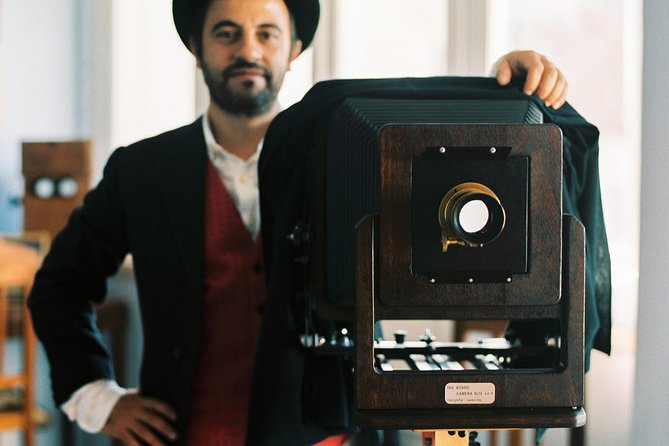
The process is wet plate collodion, one of the oldest forms of photography. Frederick Scott Archer invented it in 1851, and the method gives portraits a distinctive look. The tintype is not a modern filter designed to imitate the past. It is an actual image made through an early photographic process.
That difference matters. You are not buying a standard studio portrait with a vintage effect added later. You are taking part in the making of the photograph. The result can have the slightly mysterious, old-world character that suits Sintra particularly well, though the final appearance is part of the charm rather than something you can fully control.
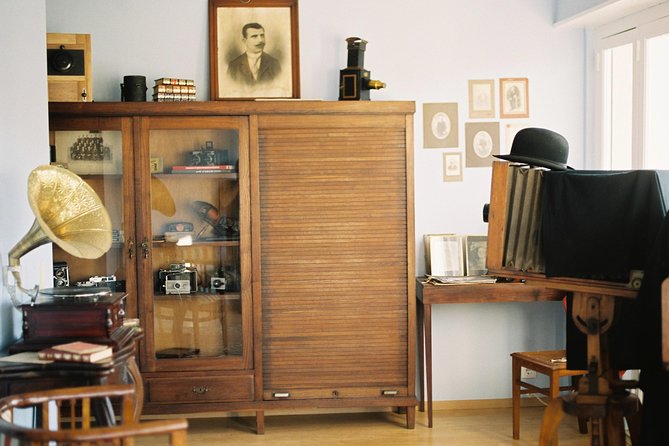
The experience takes place at Five Historic Photography Studio, a setting equipped with antique cameras and furniture. There is also literature about 19th-century photography, so the room functions as a small working studio and teaching space, not merely a photo backdrop.
More Sintra escapes from Sintra:
- Lisbon: Sintra, Pena, Regaleira, Cabo da Roca & Cascais
★ 4.7 · 19,656 reviews - Sintra: Pena Palace and Park Entrance Ticket
★ 4.2 · 17,410 reviews - Lisbon: Pena Palace, Sintra, Cabo da Roca, & Cascais Daytrip
★ 4.7 · 9,981 reviews
Inside Five Historic Photography Studio
The meeting point is Largo 1º de Dezembro 14, in Sintra. The activity begins and ends there, and the studio is near public transportation. Since the session lasts about an hour, it can fit into a day in Sintra, but you should not treat it as a ten-minute photo opportunity.
The private format is one of the strongest practical advantages. Only your group participates, so you can ask about the camera, the chemicals, the plate, or the darkroom without competing with a large class. It also makes the portrait session less awkward for people who do not enjoy performing in front of strangers.
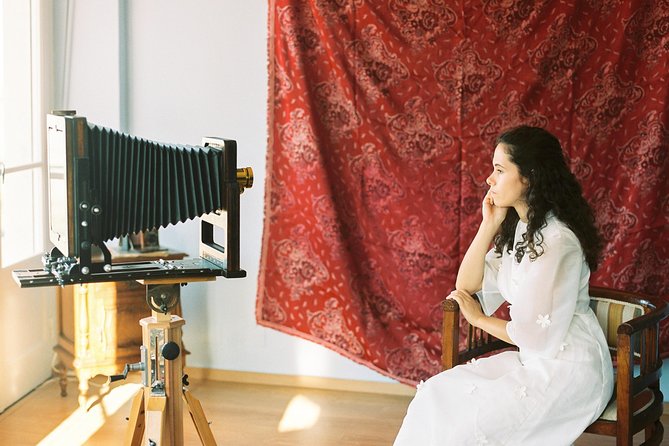
The studio itself helps set the mood. Antique cameras and furniture give you useful visual context before you pose. Period literature adds another layer for anyone curious about how photographers worked before digital cameras, instant previews, or even the convenience of dry film.
I would allow a little flexibility around the start and finish. Your plate is ready about one hour after the experience begins, and the actual pace depends on the portrait session and development. The supplied timing is approximate, so avoid booking a palace visit immediately afterward if you need to cross Sintra on a strict schedule.
Choosing your portrait size, clothes, and pose
You can choose from three different sizes for the tintype portrait. The exact dimensions are not specified, so ask the hosts to show you the options and explain how each size affects the finished plate before the exposure begins.
Period clothing and accessories are available for optional use. The wardrobe includes clothes, hats, and props suited to the 19th-century setting. You can also bring your own outfit, which may be the better choice if you want a portrait tied to your personality or a special occasion.
Think about clothing before you arrive. The photograph is meant to look like an object from another era, so simple shapes and period-style pieces may work better than busy modern patterns. Still, the experience does not require you to dress up. The supplied wardrobe gives you an easy way to take part without packing anything special.
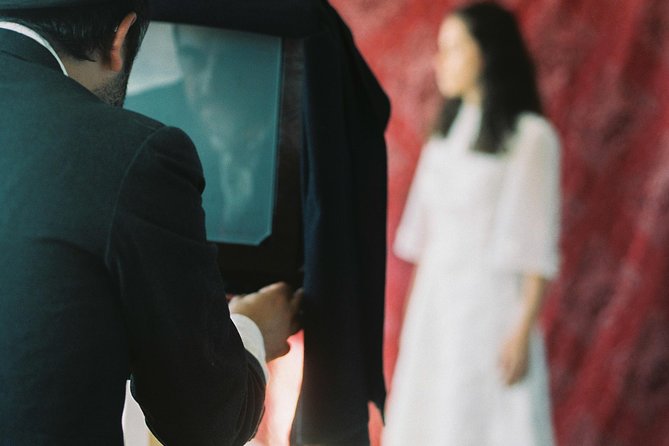
The exposure may last up to 10 seconds. That is short by historical standards, but long enough that you need to remain still. This is the key difference between this portrait and a normal snapshot. You will need to settle into the pose and hold it until the hosts tell you the exposure is complete.
Children under six are discouraged from taking part because staying still for that length of time can be difficult. Older children may enjoy the process, especially if they like science, old cameras, or hands-on demonstrations, but the private format does not remove the basic need for patience.
Watching the image appear in the darkroom
The darkroom is not a side note. You are invited to follow the hosts and witness the development process under safe red light. The most striking moment comes when the image appears on the plate in just a few seconds.
This is where the session becomes more than a portrait appointment. You see the negative come to life in front of you, rather than receiving a finished object with no idea how it was made. You may capture the development on video, which gives you a record of the process as well as the final image.
The red light also gives the darkroom visit a quiet, theatrical quality, though the value is practical rather than staged. You are seeing a real part of the photographic method. The hosts explain the collodion process and guide you through what is happening, so you do not need prior knowledge of photography to follow along.
The supplied feedback places particular emphasis on this reveal. That makes sense: sitting still for the exposure is interesting, but watching the portrait appear is the part most likely to stay with you. It is also the best reason to choose this activity instead of paying for a conventional studio portrait.
A handful more Sintra ideas to compare
- Sintra – Cascais Private Tour with Photos 🙂
★ 5.0 · 9 reviews - Lisbon: Try Scuba Diving in Arrabida Marine Reserve with photos
★ 5.0 · 99 reviews - Photoshoot with a Local Professional Photographer in Lisbon
★ 4.5 · 83 reviews - Romantic Photoshoot Experience for Couples in Lisbon
★ 4.9 · 78 reviews
Collecting the aluminium tintype
Your finished photograph is an aluminium plate, commonly called a tintype. It is ready to take about one hour after the experience starts. The hosts provide it in a protective box and explain how to care for it.
That box is useful, since a tintype is a physical keepsake rather than a file on your phone. Handle it with care and follow the instructions given at the studio. The plate is the included souvenir, and it is the main reason the price feels different from a short guided demonstration.
Digital copies are not included. You can add them for €5 per booking. I would consider this worthwhile if you want to share the image online or keep a backup, but the physical plate remains the central product.
The finished tintype is also a good choice if you want a souvenir with a story. A palace ticket or standard print can remind you where you went. This plate can remind you how the photograph was made, how long you had to hold still, and what you saw under the red light.
Is $48.06 a fair price?
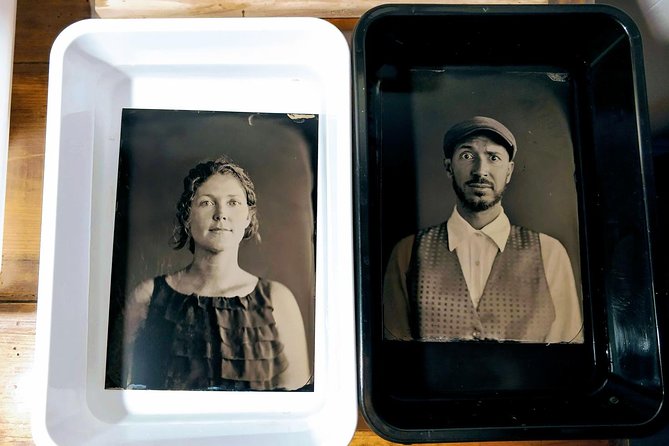
At $48.06 per person, this is not the cheapest photo stop in Sintra. You are paying for a private session, a portrait made by the hosts, access to period clothing and props, an explanation of 19th-century photography, and the chance to watch the darkroom development.
The value depends on what you want from an activity. If your goal is a fast photograph for social media, the price and one-hour timing will not make much sense. If you want a hands-on craft experience and a physical object made during your visit, the cost is easier to justify.
The private format also affects the value. You are not joining a large group and waiting for your turn while a guide repeats the same instructions. Your group receives the full attention of the hosts, which is especially useful when you want to ask about the camera or the chemistry.
A digital copy costs an additional €5 per booking. Since that is a modest add-on, it may be sensible for couples or families who want to share the image. Check the final booking details for the currency and any current price changes, since the listed amount is $48.06 per person.
This activity is commonly reserved well ahead of time, with an average booking lead time of 62 days. That does not mean you must reserve two months ahead, but it is a useful warning for anyone visiting Sintra on fixed dates. If this is a priority, book it before filling every hour with palace visits.
Who will enjoy this most?
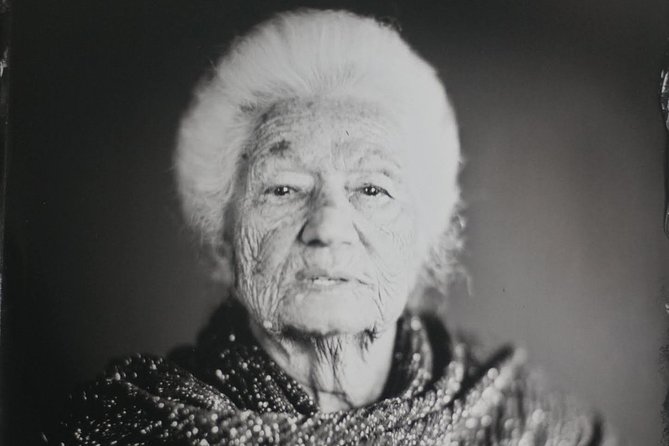
I would recommend this to people who like objects with a human touch. It suits photographers, history fans, couples, families with older children, and anyone who prefers a small craft experience to a large sightseeing group.
It is also a good pick for a special trip. The final portrait can mark an anniversary, birthday, engagement, or family visit without relying on a generic souvenir. The option to use your own clothes makes it more personal, while the studio wardrobe keeps the preparation simple.
You should be comfortable with a slow process. The exposure can last up to 10 seconds, and you will need to remain still. You also need to stay at the studio long enough to see the development and collect the plate.
This is less suitable for very young children. Children under six are specifically discouraged because they may struggle to hold a pose. It is also not wheelchair accessible, so anyone with mobility needs should take that limitation seriously before booking. Service animals are allowed, and most people can participate.
Planning this around a day in Sintra
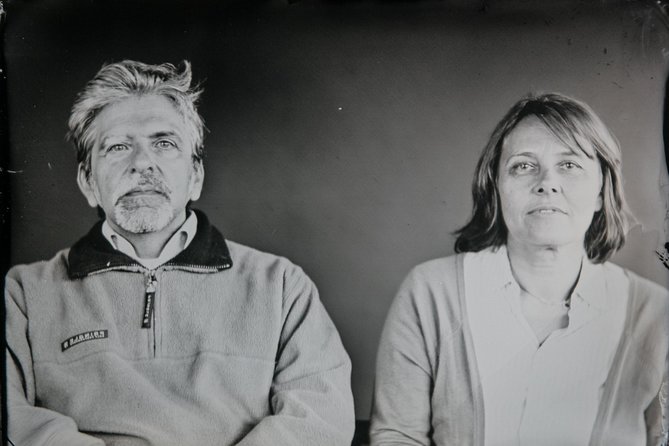
The studio is at Largo 1º de Dezembro 14, 2710-496 Sintra, close to public transportation. The activity returns you to the same meeting point, which makes it easier to combine with other plans than a tour that ends across town.
Still, leave breathing room around it. Sintra sightseeing can involve hills, crowds, and slower transport than expected. Since the plate is ready around one hour after the session starts, schedule the photography experience during a period when you can remain nearby or return without rushing.
The mobile ticket is convenient, and confirmation is provided at booking. The session is offered in English. Since it is a private activity, you do not need to worry about adapting to the pace of a larger group.
Free cancellation is available if you cancel at least 24 hours before the local start time. Cancellations or changes made less than 24 hours ahead are not accepted for a refund, so keep your schedule reasonably firm once you reserve.
The experience’s strongest point
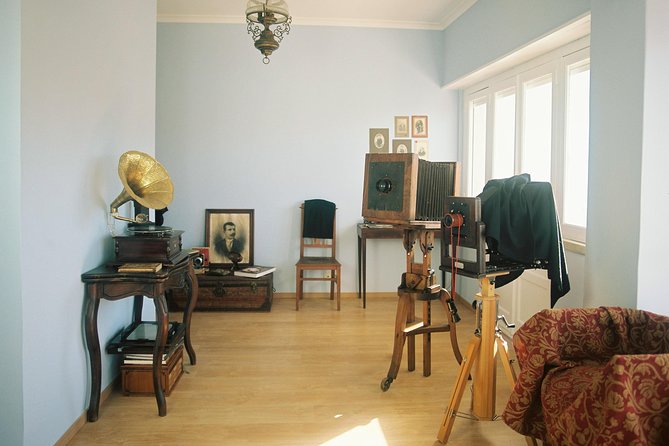
The best part is the combination of portrait and process. A studio could simply make an old-fashioned image, but here you see the plate prepared, the exposure made, and the photograph developed.
The hosts’ enthusiasm for the craft comes through in the care given to the explanation. You can see the image appear within seconds in the darkroom, and you may record that moment on video. That small piece of moving footage can be a fine companion to the still portrait.
I also like that the session does not hide the imperfect nature of early photography. You are working with an old method, not a polished digital system. The result has character, and the physical tintype makes the souvenir feel connected to the act of making it.
Should you book the Five Historic Photography Studio?
Book it if you want a private, hands-on portrait experience with a real historical process and a physical keepsake. The darkroom reveal, period wardrobe, and boxed aluminium plate make the $48.06 price reasonable for people who value the activity as much as the photograph.
Skip it if you need wheelchair access, have very young children, or want a quick photo between major sights. For everyone else, especially anyone who enjoys photography or unusual souvenirs, this is a thoughtful way to spend an hour in Sintra. Reserve early if your dates are fixed, and leave enough time to collect the plate without racing to your next stop.
FAQ
Where does the 19th Century Photography Experience take place?
It takes place at Five Historic Photography Studio, Largo 1º de Dezembro 14, 2710-496 Sintra, Portugal.
How long does the experience last?
The experience lasts approximately one hour. The finished aluminium plate is ready about one hour after the experience starts.
What photography process is used?
The hosts use wet plate collodion, a photography process invented by Frederick Scott Archer in 1851.
Is the activity private?
Yes. Only your group participates in the activity.
Can I watch the photograph being developed?
Yes. You can follow the hosts to the laboratory and watch the full development process under safe red light.
Are costumes and props provided?
Yes. Period clothing, hats, accessories, and props are available for optional use. You may also bring your own clothing.
Is a digital copy included?
No. A digital copy costs €5 per booking and is not included in the experience price.
Is the activity wheelchair accessible?
No. The experience is not wheelchair accessible. Service animals are allowed, and most participants can take part.
Fresh finds around Sintra
- Discover Sintra Beauty with a Guided Journey from Lisbon★ 5.0 · 7 reviews
- Private Half-Day Tour to Sintra★ 3.4 · 7 reviews
- Sintra: 3.5-Hour Rock Climbing Experience★ 5.0 · 7 reviews
- Golden Triangle Private Tour (Sintra and Cascais), from Lisbon★ 5.0 · 7 reviews
- Private Evening Walk Inside the Forest: “Sintra Mountains Inbetween Wolves”★ 5.0 · 7 reviews
- Sintra Small Group Full Day Guided Tour★ 5.0 · 7 reviews
- Lisbon: Wonders of Sintra & Cascais Private Day Tour★ 5.0 · 7 reviews
- Private Sintra Day Trip from Lisbon with Wine Tasting and Monserrate Palace★ 4.5 · 7 reviews
Photography Sessions, compared.
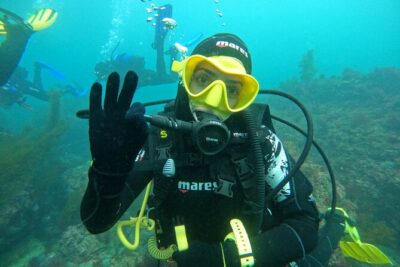
Lisbon: Try Scuba Diving in Arrabida Marine Reserve with photos
Read our review →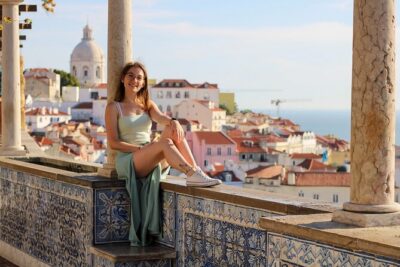
Photoshoot with a Local Professional Photographer in Lisbon
Read our review →
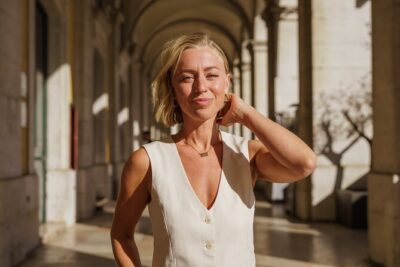
Lisbon Cinematic Photoshoot with Top-Rated Photographer
Read our review →Lisbon: Kayaking and snorkeling in Sesimbra with photos!
Read our review →
Lisbon: Private Tuk Tuk Tour with Polaroid Photos
Read our review →
Authentic Photo Experience in Lisbon with a Local Photographer
Read our review →Browse the lists this tour appears in